


The Kenya Wildlife Service (KWS) recently issued a strong condemnation against MP Guyo Ali Wario over his alleged incitement, which led to significant tensions within Tsavo East National Park. This controversy has sparked nationwide discussions about the delicate balance between human activity and wildlife conservation. In this article, we will break down the incident, the role of MP Wario, and the impact on the Tsavo East National Park and its surrounding communities.
Overview of the Incident
Allegations Against MP Guyo Ali Wario
The KWS raised concerns that MP Guyo Ali Wario, representing a region near the Tsavo East National Park, made inflammatory statements that incited local communities against KWS personnel. These comments were seen as fueling conflicts between local people and the authorities tasked with conserving wildlife in the area. According to reports, the MP’s words have contributed to growing tensions, particularly related to land-use issues around the park.
Wario’s alleged comments have raised questions about the role of political leaders in fostering cooperation between communities and conservation bodies. The incident has drawn attention to the potential negative consequences of inflammatory rhetoric in sensitive environmental matters.
Tsavo East National Park’s Strategic Importance
Tsavo East is one of Kenya’s largest and most iconic national parks, renowned for its rich biodiversity, including elephants, lions, and various other wildlife species. The park is not only a vital conservation area but also a major tourist attraction, contributing significantly to the local economy. The tensions fueled by Wario’s remarks could have far-reaching consequences, both for wildlife conservation efforts and the livelihood of communities in the surrounding areas.
KWS’s Response to the Incident
Strong Condemnation from KWS
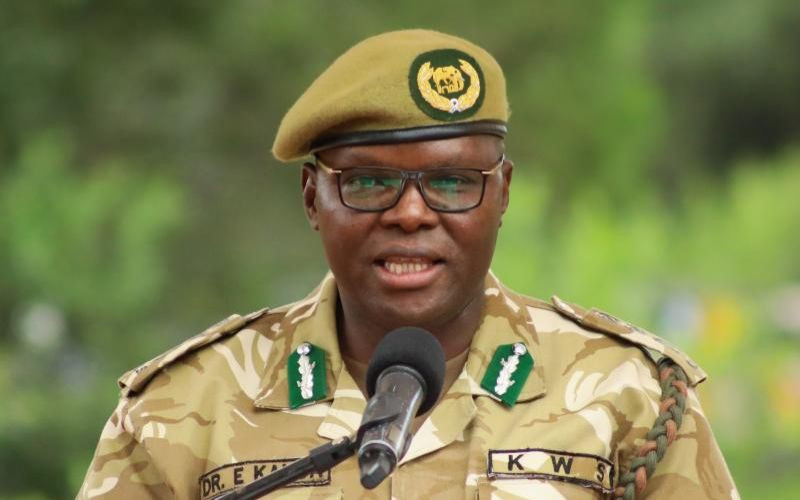
In response to the incitement, the Kenya Wildlife Service has expressed its deep concern and disappointment regarding the MP’s actions. KWS has emphasized that their mission is to protect Kenya’s natural heritage, and such remarks undermine their efforts. The organization has called for calm and peaceful resolutions to the ongoing tensions in Tsavo East, urging both local communities and politicians to work together in harmony for the protection of wildlife.
The Role of KWS in Conservation
KWS plays a central role in the conservation of Kenya’s wildlife and natural resources. They are tasked with managing and protecting national parks, reserves, and wildlife corridors, ensuring that they remain safe from illegal activities such as poaching, deforestation, and land encroachment. Their work is integral to preserving the delicate ecosystems that support Kenya’s diverse flora and fauna.
Tensions Impacting Conservation Efforts
The tensions in Tsavo East National Park could hinder the efforts of KWS and other stakeholders involved in wildlife conservation. A key aspect of effective conservation is cooperation between government bodies, conservationists, and local communities. Divisive rhetoric, such as that reportedly incited by MP Wario, can disrupt this collaboration and potentially lead to more conflict.
The Role of Political Leaders in Conservation
The Influence of Politicians on Local Communities
Politicians play a crucial role in shaping the relationship between local communities and conservation authorities. In many cases, local leaders have the power to foster positive relationships that encourage collaboration for the benefit of both people and wildlife. However, when political leaders make controversial statements or take positions that align with particular community interests, they risk exacerbating tensions that may already exist.
Ethical Responsibility of Politicians
MP Wario’s alleged actions highlight the ethical responsibility of politicians to be cautious with their words, especially in sensitive matters such as wildlife conservation. Politicians should work to educate and inform their constituents about the importance of protecting the environment and the benefits of maintaining national parks as protected areas. Rather than stoking division, political leaders should advocate for policies and solutions that benefit all parties involved.
Local Leadership and Sustainable Development
For sustainable development to thrive, local leadership must prioritize long-term solutions over short-term gains. Politicians like MP Wario have a unique opportunity to serve as mediators between conservation agencies like KWS and local communities. By promoting dialogue, sharing knowledge, and addressing concerns, they can contribute to a more harmonious relationship that ensures both the preservation of wildlife and the well-being of local populations.
Understanding the Root Causes of the Tensions
Land Use Conflicts
One of the primary factors behind the tensions in Tsavo East National Park is the ongoing conflict over land use. Many local communities in the area rely on land for agriculture and livestock, which often encroach on park boundaries. These conflicts are exacerbated by the expansion of human settlements and the shrinking of available land for local populations.
KWS has been actively working on finding solutions to these issues, but the challenges remain significant. Illegal grazing, poaching, and habitat destruction are major concerns that need to be addressed comprehensively. Political leaders and local communities must come together to find sustainable solutions that allow for both wildlife conservation and responsible land use.
Impact of Human-Wildlife Conflict
Human-wildlife conflict is another key issue contributing to tensions in the region. As human populations expand near wildlife areas, there is an increasing risk of conflict, particularly when wildlife such as elephants or lions stray from protected areas into farmland. These incidents often lead to the destruction of crops, property damage, and even loss of human life. This, in turn, fosters resentment toward conservation efforts and authorities like KWS.
Effective solutions to human-wildlife conflict require collaboration and the implementation of mitigation strategies, including better fencing, wildlife corridors, and compensation for losses. MP Wario’s incitement may have further heightened these tensions, making it harder for the community and KWS to come together to find solutions.
The Way Forward: Restoring Peace and Cooperation
Dialogue and Mediation
The key to resolving the tensions surrounding Tsavo East National Park lies in fostering dialogue between all stakeholders, including KWS, local communities, and political leaders. Mediation efforts can help bridge the gap between conservation needs and the livelihood concerns of local populations. By establishing open lines of communication, all parties can work towards finding common ground.
Community Engagement in Conservation
For conservation efforts to be truly successful, local communities must be actively engaged in the process. This means providing education on the benefits of conservation, involving locals in eco-tourism, and offering incentives for sustainable land use practices. When communities understand the value of protecting wildlife, they are more likely to support conservation initiatives.
Strengthening Legal and Policy Frameworks
To prevent similar incidents in the future, it is essential to strengthen the legal and policy frameworks that govern wildlife conservation. This includes ensuring that political leaders are held accountable for actions that disrupt peace and stability in conservation areas. Additionally, KWS and other conservation organizations must continue to advocate for better land use policies that protect both the environment and the people who rely on it.
Conclusion: The Importance of Collaboration in Wildlife Conservation
The tensions surrounding Tsavo East National Park are a stark reminder of the challenges faced in balancing human development with wildlife conservation. The role of political leaders, like MP Guyo Ali Wario, in shaping public opinion and fostering cooperation is critical. Moving forward, it is essential for all parties involved to prioritize collaboration, dialogue, and sustainable development to ensure the long-term protection of Kenya’s natural heritage.
Key Facts at a Glance
| Topic | Details |
|---|---|
| Location | Tsavo East National Park, Kenya |
| Alleged Incitement | MP Guyo Ali Wario’s comments leading to tensions |
| Conservation Challenges | Land use conflicts, human-wildlife conflict |
| KWS’s Role | Protecting wildlife, managing national parks |
| Call for Peace | KWS urges dialogue between communities and officials |
By understanding these dynamics and promoting cooperation between local communities, conservationists, and political leaders, Kenya can continue to protect its valuable wildlife while supporting the livelihoods of its people.


