










Diabetes Management Takes a Dramatic Turn: For millions of people worldwide, living with diabetes can be a daunting challenge. However, a growing body of evidence suggests that simple lifestyle changes can play a crucial role in managing the condition naturally. In Kenya, a country where diabetes is on the rise, individuals are turning to everyday habits to keep their blood sugar levels in check. From adopting healthy diets to incorporating regular exercise, the journey to wellness is not just about medication, but about making conscious choices that benefit overall health. As one person’s story of overcoming symptoms will reveal, the power of simple lifestyle changes can be nothing short of transformative.
Unlocking the Power of Simple Lifestyle Changes in Diabetes Management
Diabetes management has become a pressing concern globally, with millions of people living with the chronic disease. The good news is that simple lifestyle changes can play a significant role in keeping diabetes in check. By adopting a healthier lifestyle, individuals can reduce their risk of developing diabetes and manage their blood sugar levels effectively.
| Aspect | Details |
|---|---|
| Event | John Mukinisu experiences symptoms of diabetes |
| Date | 2021 |
| Key People/Organizations involved | John Mukinisu, Doctor |
| Status/Current Situation | Diagnosed with prediabetes |
| Official Response | Doctor advises lifestyle changes |
| Symptoms | Waking up soaked in sweat, tiredness, burning sensation in hands, painful swelling in arm, pain when passing urine |
| Blood Sugar Level | 14 |
| Recommended Changes | Diet change, exercise, avoiding sugary drinks and refined foods |
A balanced diet is a crucial aspect of diabetes management. Consuming a diet rich in whole foods, fruits, and vegetables can help regulate blood sugar levels and improve insulin sensitivity. On the other hand, a diet high in refined carbohydrates, sugary drinks, and processed foods can exacerbate the condition. By making informed food choices, individuals can take a significant step towards managing their diabetes.
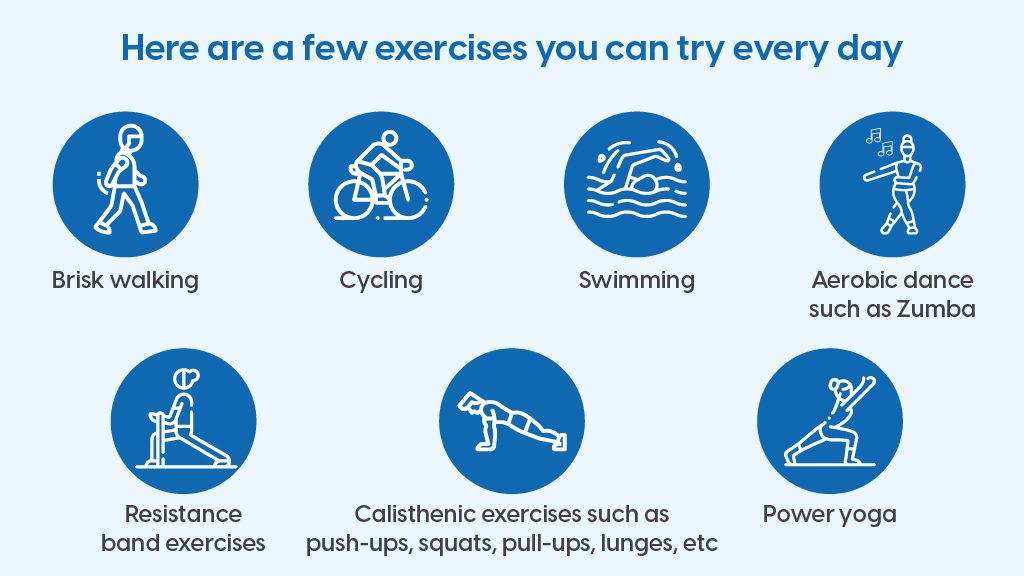
In addition to diet, regular physical activity is essential for maintaining a healthy weight and improving insulin sensitivity. Engaging in moderate-intensity exercise, such as brisk walking or cycling, for at least 150 minutes per week can help reduce the risk of developing diabetes and improve overall health. By incorporating these simple lifestyle changes into their daily routine, individuals can take control of their diabetes and improve their overall well-being.
The Science Behind Lifestyle Changes and Diabetes Management
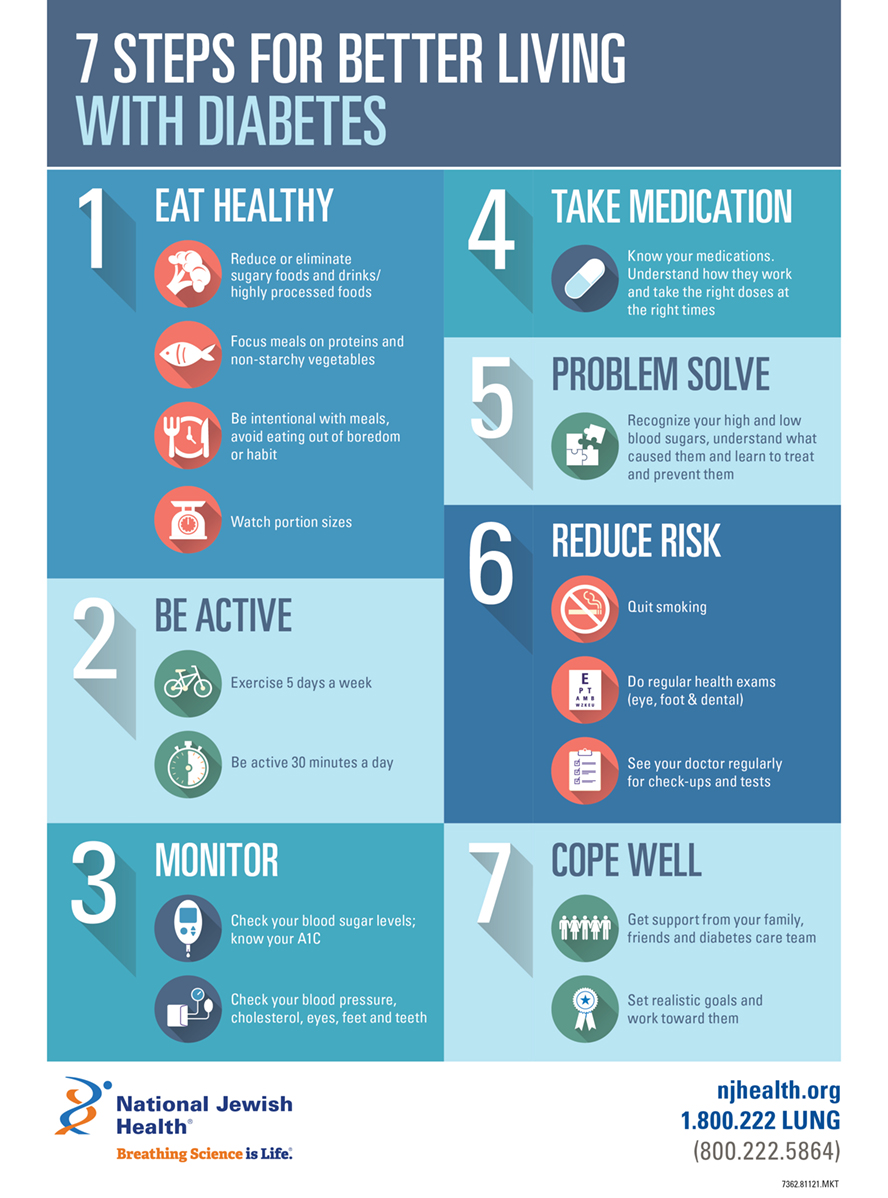
Lifestyle changes have a profound impact on blood sugar levels, insulin sensitivity, and overall health. When individuals make adjustments to their daily habits, such as increasing physical activity and adopting a balanced diet, they can significantly improve their body’s ability to regulate blood sugar levels. This, in turn, enhances insulin sensitivity, allowing glucose to enter cells more efficiently. As a result, blood sugar levels remain within a healthy range, reducing the risk of complications associated with diabetes.
Research has shown that even modest changes to lifestyle can have a substantial impact on diabetes management. For instance, a study found that individuals who engaged in moderate-intensity physical activity for at least 150 minutes per week experienced improved insulin sensitivity compared to those who were sedentary. Similarly, a diet rich in whole foods, fruits, and vegetables can help regulate blood sugar levels and promote overall health.
The key to successful diabetes management lies in making sustainable lifestyle changes that become an integral part of daily life. By incorporating healthy habits, such as regular exercise and balanced eating, individuals can reduce their reliance on medication and improve their overall quality of life. As John Mukinisu’s story illustrates, even small changes can have a significant impact on diabetes management, highlighting the importance of adopting a healthy lifestyle to manage this chronic condition.
Real-Life Examples of Diabetes Management through Lifestyle Changes
John Mukinisu’s experience is a testament to the power of lifestyle changes in managing diabetes. After being diagnosed with prediabetes, he made drastic changes to his diet and daily routine. He swapped his sedentary lifestyle for regular physical activity and opted for a balanced diet rich in whole foods, fruits, and vegetables. His blood sugar levels began to stabilize, and he was able to manage his condition without medication.
Another individual who has successfully managed their diabetes through lifestyle changes is Stephen Ogweno, who lost 50 kilos and became a leading obesity advocate. His transformation was a result of adopting a healthy lifestyle, which included regular exercise and a balanced diet. By making these changes, Ogweno was able to reverse his diabetes diagnosis and live a healthier life.
These real-life examples demonstrate that with the right mindset and approach, individuals can effectively manage their diabetes through lifestyle changes. By incorporating healthy habits into their daily routine, people can reduce their risk of developing complications associated with diabetes and improve their overall well-being.
Practical Health Tips for Effective Diabetes Management
Eating a balanced breakfast is crucial for managing diabetes. Aim for a meal with a mix of protein, healthy fats, and complex carbohydrates. For example, a breakfast of whole-grain toast with avocado, eggs, and a glass of freshly squeezed orange juice can help regulate blood sugar levels. Choose foods that are rich in fiber, such as whole grains, fruits, and vegetables, which can slow down the absorption of sugar into the bloodstream.
Stay Hydrated and Limit Sugary Drinks
Drinking plenty of water is essential for overall health, especially for people with diabetes. Aim for at least eight glasses of water a day. Limit sugary drinks, such as soda and sports drinks, which can raise blood sugar levels. Opt for unsweetened tea or coffee instead, which can help lower blood sugar levels and improve insulin sensitivity.
Incorporate Physical Activity into Your Daily Routine
Regular physical activity is essential for managing diabetes. Aim for at least 150 minutes of moderate-intensity exercise, or 75 minutes of vigorous-intensity exercise, or a combination of both, per week. Incorporate activities that you enjoy, such as walking, swimming, or cycling, into your daily routine. Even small amounts of physical activity, such as taking the stairs instead of the elevator, can make a big difference.
Challenges and Opportunities in Promoting Lifestyle Changes for Diabetes Management
Promoting lifestyle changes for diabetes management poses significant challenges. One of the main obstacles is the lack of awareness and education about the importance of lifestyle changes in managing diabetes. Many people, like John Mukinisu, are unaware of the risks associated with a sedentary lifestyle and poor diet until they are diagnosed with the condition. This highlights the need for targeted education and awareness campaigns to inform the public about the benefits of lifestyle changes in diabetes management.
Policy and community engagement also play a crucial role in promoting lifestyle changes for diabetes management. Governments and healthcare organizations can implement policies and programs that encourage healthy behaviors, such as increasing access to physical activity spaces and promoting healthy food options. Community engagement is also essential, as it allows for the creation of support networks and social norms that encourage individuals to adopt healthy lifestyles. By working together, we can create an environment that supports and enables individuals to make lifestyle changes that improve their health outcomes.
Addressing the root causes of diabetes is key. The condition is often linked to factors such as obesity, physical inactivity, and unhealthy diets. By addressing these underlying causes, we can prevent the development of diabetes and improve the management of the condition for those who are already affected. This requires a multifaceted approach that involves policy changes, education, and community engagement. By working together, we can create a society that values healthy lifestyles and supports individuals in their efforts to manage diabetes.
Conclusion: Embracing a Healthier Lifestyle for Diabetes Management
Embracing a healthier lifestyle is crucial for managing diabetes. By making simple changes to our daily habits, we can significantly reduce our risk of developing this chronic disease. Lifestyle changes can be just as effective as medication in managing diabetes, and in some cases, even more so. As John Mukinisu’s story illustrates, making drastic changes to his diet and exercise routine helped him bring his sugar levels under control.
By incorporating healthy habits into our daily lives, we can improve our insulin sensitivity, regulate blood sugar levels, and reduce the risk of complications associated with diabetes. A balanced diet, regular exercise, and stress management are key components of a healthy lifestyle. By focusing on whole, nutrient-dense foods, such as fruits, vegetables, and whole grains, we can help regulate our blood sugar levels and maintain a healthy weight. Regular physical activity, such as walking or jogging, can also improve insulin sensitivity and reduce the risk of developing type 2 diabetes.
In conclusion, making simple lifestyle changes can have a profound impact on our health and well-being. By prioritizing healthy habits and making informed choices about our diet and lifestyle, we can significantly reduce our risk of developing diabetes and improve our overall quality of life. By taking control of our health, we can take control of our lives.