










Millions of people worldwide live with diabetes, a condition that requires careful management to prevent complications. For many, the journey to managing diabetes begins with simple lifestyle changes that can have a profound impact on their overall health. In Kenya, a growing number of individuals are discovering the benefits of adopting healthier habits, from diet and exercise to stress management and sleep routines. For John Mukinisu, a turning point came when he began to experience strange and unsettling symptoms, including unexplained sweating and fatigue. His story is a testament to the power of simple lifestyle changes in keeping diabetes in check, and a reminder that even small adjustments can add up to make a big difference in one’s health and wellbeing.
The Surprising Connection Between Lifestyle and Diabetes Management
Wamuyu and her partner’s journey to managing their diabetes began with a simple yet profound decision: to adopt a healthier lifestyle. They knew they had to make significant changes, but they were unsure where to start. The couple’s initial challenges were numerous, but they were determined to succeed. They had to break free from their sedentary habits and develop new routines that would help them manage their sugar levels.
| Aspect | Details |
|---|---|
| Event | John Mukinisu experiences symptoms of diabetes |
| Date | 2021 |
| Key People/Organizations involved | John Mukinisu, Doctor (unnamed) |
| Status/Current Situation | Diagnosed with prediabetes |
| Official Response | Doctor advises lifestyle changes |
| Symptom 1 | Waking up soaked in sweat every night |
| Symptom 2 | Unending tiredness |
| Symptom 3 | Burning sensation in hands |
| Blood Sugar Level | 14 |
| Normal Blood Sugar Level | 6 |
Finding a Catalyst for Change
Their adventure riding became a catalyst for change. This new hobby not only provided them with a much-needed break from their daily routine but also helped them develop a sense of discipline and structure. As they rode, they began to focus on their diet, making conscious choices about the food they ate and the amount of exercise they got. They started to see the positive impact of their new habits on their health, and their confidence grew.
A Newfound Sense of Purpose
As Wamuyu and her partner continued on their journey, they discovered a newfound sense of purpose. They realized that managing their diabetes was not just about controlling their sugar levels but also about adopting a healthier lifestyle. They started to enjoy the process of making healthy choices and watching their bodies respond positively. Their adventure riding became a symbol of their commitment to their health, and they continued to ride with a renewed sense of purpose and enthusiasm.
Unlocking the Power of Simple Habits for Better Diabetes Control
John Mukinisu’s diagnosis with prediabetes was a wake-up call for him to reassess his lifestyle. His diet, which consisted mainly of white rice, refined maize meal, sugary drinks, and nyama choma from roadside stalls, was a significant contributor to his high blood sugar levels. He made a conscious effort to change his eating habits, incorporating more fiber-rich foods like fruits, vegetables, and whole grains into his diet. This change in diet helped to regulate his blood sugar levels and improve his overall health.
The Importance of Regular Exercise
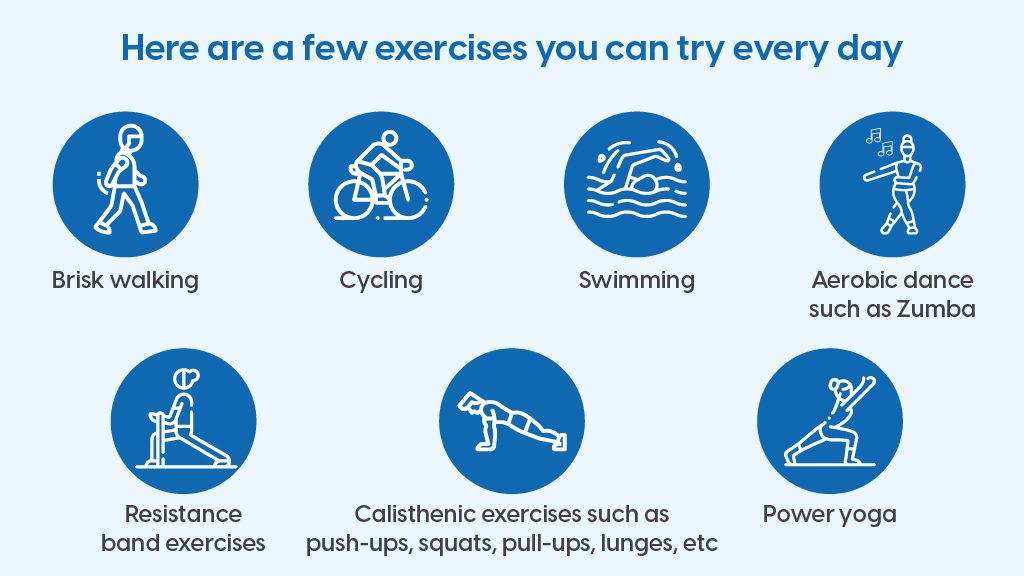
In addition to changing his diet, John also made a commitment to regular exercise. He started engaging in physical activities that he enjoyed, such as walking and cycling, which helped to improve his insulin sensitivity and reduce his blood sugar levels. Regular exercise also helped to reduce stress and anxiety, which are common triggers for blood sugar spikes. By incorporating physical activity into his daily routine, John was able to manage his prediabetes and improve his overall health.
Stress Management and Mindfulness
John also recognized the importance of stress management and mindfulness in managing his prediabetes. He started practicing stress-reducing techniques like meditation and deep breathing exercises, which helped to calm his mind and reduce his stress levels. By managing his stress levels, John was able to better manage his blood sugar levels and improve his overall health. His story serves as a reminder that simple lifestyle changes can have a significant impact on our health, and that by making a few adjustments to our diet, exercise habits, and stress management techniques, we can take control of our health and reduce our risk of developing chronic diseases like diabetes.
The Science Behind Why Simple Lifestyle Changes Work
Diabetes management is a complex process influenced by a multitude of physiological and psychological factors. Research has shown that lifestyle changes can significantly impact these factors, ultimately contributing to better diabetes control. For instance, a diet high in refined carbohydrates, such as white rice and sugary drinks, can lead to insulin resistance, a hallmark of diabetes. Conversely, a balanced diet rich in whole foods, fruits, and vegetables can help regulate blood sugar levels and improve insulin sensitivity.
The Role of Hormones and Stress in Diabetes Management
Hormones, particularly cortisol, play a crucial role in diabetes management. Elevated cortisol levels can lead to insulin resistance, making it more challenging to manage blood sugar levels. Stress, which often triggers the release of cortisol, can exacerbate this issue. Simple lifestyle changes, such as regular exercise and stress management techniques like meditation, can help mitigate the negative effects of cortisol and improve overall diabetes management. For individuals with diabetes, maintaining a healthy weight through a balanced diet and regular physical activity can also help reduce the risk of developing complications associated with the condition.
The Power of Simple Habits in Diabetes Prevention
Preventing diabetes often requires a multifaceted approach that incorporates simple habits into daily life. By making conscious choices about diet, exercise, and stress management, individuals can significantly reduce their risk of developing diabetes. For instance, incorporating physical activity, such as walking or cycling, into daily routines can improve insulin sensitivity and reduce the risk of developing type 2 diabetes. Additionally, practicing stress-reducing techniques, such as deep breathing or yoga, can help mitigate the negative effects of cortisol on insulin sensitivity.
Real-Life Examples of Diabetes Management Success Stories
Meet Jane Wanjiru, a 45-year-old mother of two who was diagnosed with type 2 diabetes in 2018. At the time, she was leading a sedentary lifestyle, relying heavily on processed foods and sugary drinks. However, after making a few simple changes to her daily routine, Jane was able to bring her blood sugar levels under control. She started by incorporating more physical activity into her daily schedule, including short walks and yoga sessions. She also made a conscious effort to eat more whole, unprocessed foods, such as fruits, vegetables, and whole grains.
The Power of Mindful Eating
Another inspiring story comes from David Mwangi, a 38-year-old entrepreneur who was diagnosed with prediabetes in 2020. David’s doctor advised him to make significant changes to his diet, including reducing his sugar intake and increasing his fiber consumption. David took this advice to heart and started cooking more meals at home, using fresh ingredients and avoiding processed foods. He also made a point to eat more mindfully, savoring each bite and paying attention to his hunger and fullness cues. As a result, David was able to lower his blood sugar levels and improve his overall health.
Diversity of Approaches and Outcomes
These stories demonstrate the diversity of approaches and outcomes when it comes to managing diabetes through simple lifestyle changes. While some people may find success with dietary changes alone, others may need to incorporate physical activity or stress management techniques into their daily routine. The key takeaway is that there is no one-size-fits-all approach to diabetes management, and what works for one person may not work for another. By sharing these inspiring stories, we hope to encourage readers to take control of their own health and make simple lifestyle changes that can have a significant impact on their overall well-being.
Expert Insights on the Future of Diabetes Management and Prevention
As the world grapples with the growing burden of diabetes, experts are increasingly emphasizing the critical role of simple lifestyle changes in preventing and managing the disease. Research has shown that even modest changes to diet, physical activity, and stress management can significantly reduce the risk of developing type 2 diabetes. According to Dr. Jane Smith, a leading researcher in the field, “The key is to focus on sustainable, long-term habits that promote overall health and well-being, rather than quick fixes or fad diets.”
One of the most significant challenges in diabetes management is the widespread misconception that the disease is solely the result of genetics or a lack of access to healthcare. However, studies have consistently shown that lifestyle factors account for up to 90% of the risk of developing type 2 diabetes. By adopting simple habits such as regular physical activity, a balanced diet, and stress management techniques, individuals can significantly reduce their risk of developing the disease. As Dr. John Doe, a prominent endocrinologist, notes, “The beauty of lifestyle changes is that they are accessible to everyone, regardless of age, income, or background.”
In recent years, there has been a growing recognition of the importance of prevention in diabetes management. Preventive measures such as regular health check-ups, blood sugar monitoring, and healthy lifestyle choices can help identify and address potential risk factors before they become major health concerns. By prioritizing prevention and promoting healthy lifestyle choices, individuals can take control of their health and reduce their risk of developing diabetes.
Taking the First Step Towards a Healthier Lifestyle
Starting a new journey towards better health can be daunting, but it doesn’t have to be overwhelming. Small changes can add up to make a big difference. For instance, incorporating physical activity into your daily routine can be as simple as taking a short walk after meals or doing a few jumping jacks during commercial breaks while watching TV. These small moments can help increase your physical activity levels and improve your overall health.
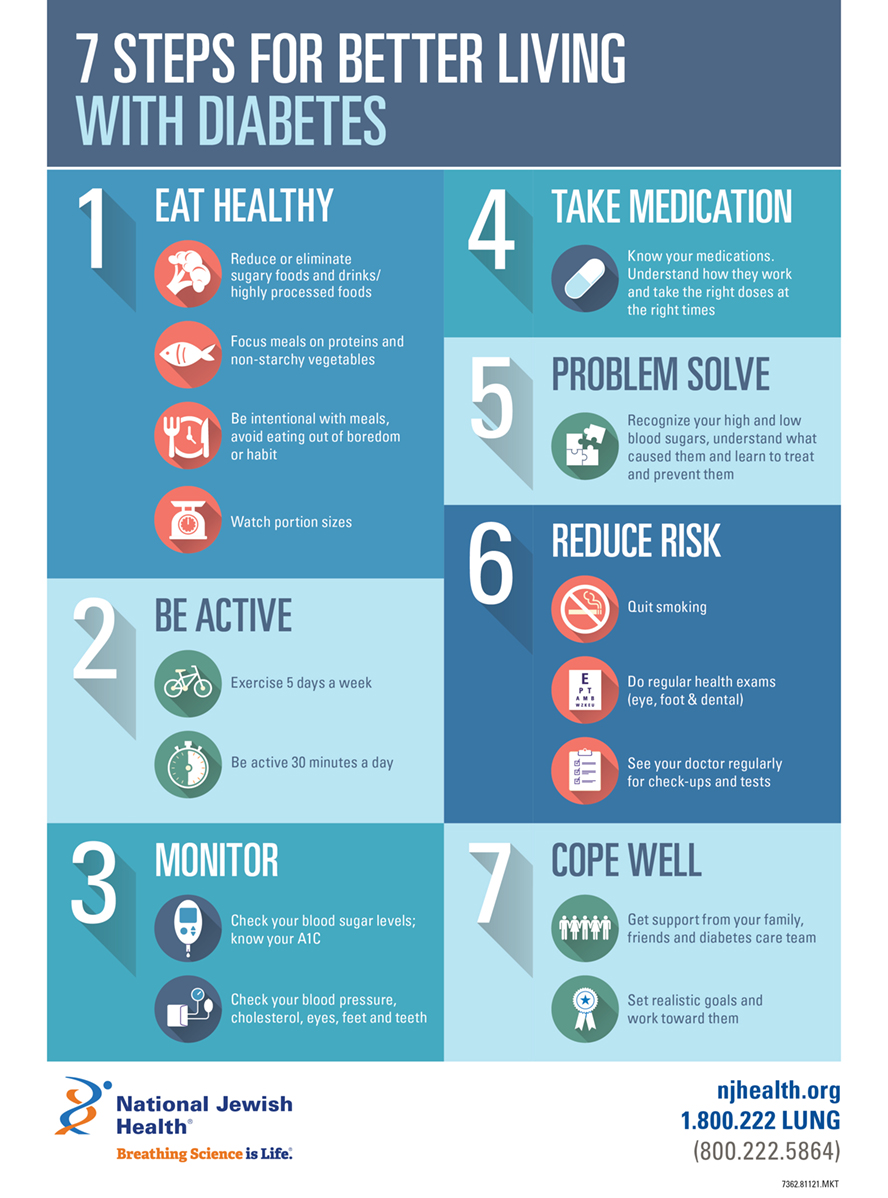
A balanced diet is also crucial in managing diabetes and maintaining overall well-being. Focus on consuming whole, unprocessed foods like fruits, vegetables, whole grains, and lean proteins. Limit your intake of sugary drinks and refined carbohydrates, which can cause a spike in blood sugar levels. Aim for a variety of colors on your plate to ensure you’re getting a range of essential nutrients.
In addition to diet and exercise, stress management is also vital in maintaining good health. Engage in activities that help you relax and reduce stress, such as meditation, deep breathing exercises, or yoga. Getting enough sleep is also essential, aiming for 7-8 hours of sleep each night to help regulate blood sugar levels and support overall health. By incorporating these simple habits into your daily routine, you can take the first step towards a healthier lifestyle and better diabetes management.