









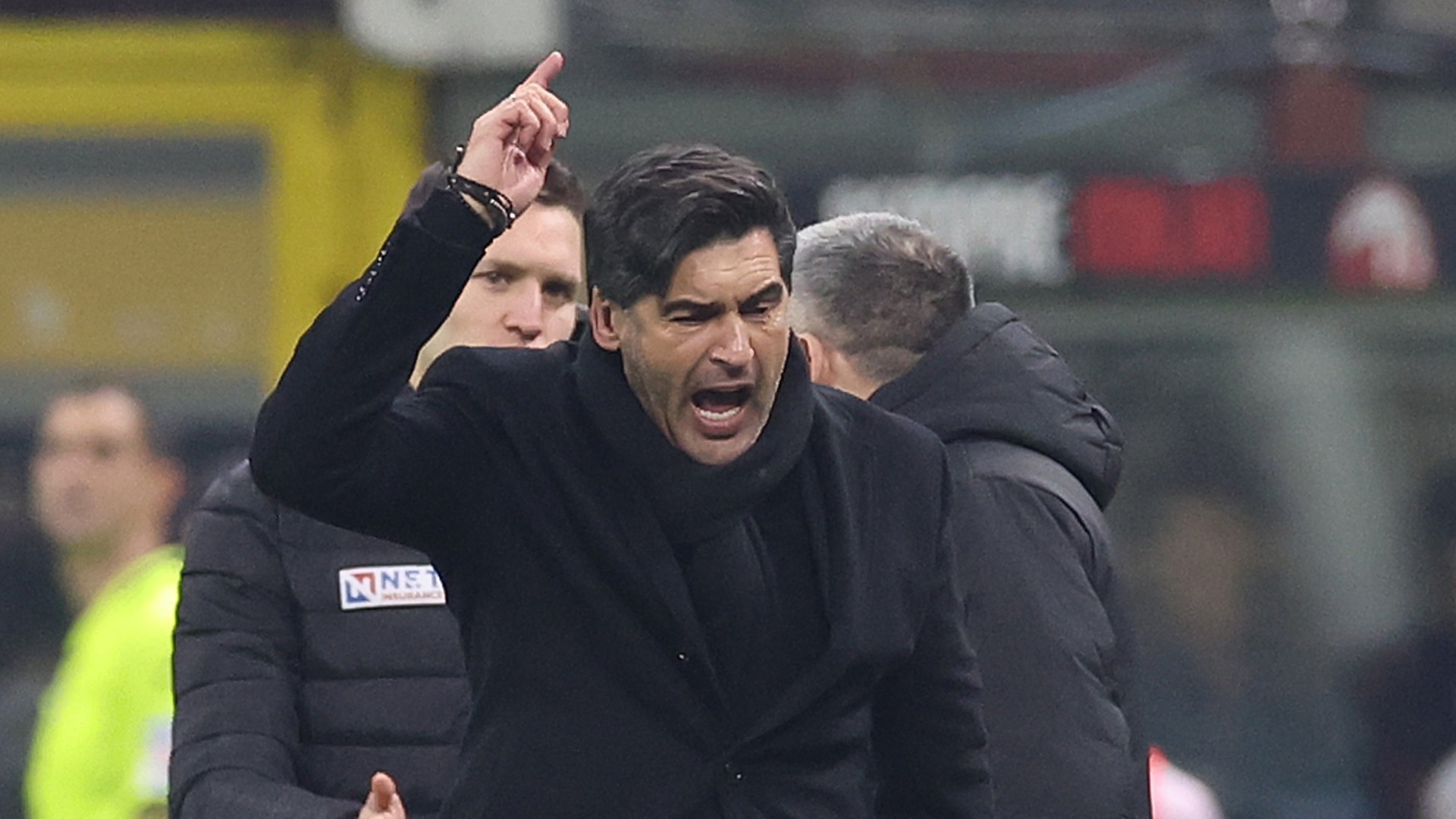
In a surprising move that has shocked the football world, AC Milan has announced the departure of head coach Paulo Fonseca after just six months in charge. The decision to part ways with the Portuguese manager has left fans and pundits alike pondering the reasons behind this rapid coaching change and its potential impact on the club’s future.
A Brief Introduction to Paulo Fonseca’s Appointment
Paulo Fonseca was appointed head coach of AC Milan in June 2024, succeeding Stefano Pioli, who had led the club to multiple successes in Serie A. Fonseca arrived at Milan with a reputation for playing an attractive brand of football, honed during his time at Shakhtar Donetsk and Roma. His task was clear: to bring AC Milan back to the top of Italian football and improve the team’s performances in European competitions.
However, despite his promising credentials, Fonseca’s stint at Milan was brief and turbulent. Below, we’ll explore the reasons behind his departure and analyze the potential consequences for the club moving forward.
Reasons for Paulo Fonseca’s Departure
There were several key factors that contributed to Fonseca’s departure from AC Milan. Despite his extensive experience and prior success, his time in Milan was marked by inconsistency and a lack of tangible progress. Below are some of the primary reasons for his exit.
1. Inconsistent Team Performances
Under Fonseca’s leadership, AC Milan struggled to maintain a consistent level of performance. While the team showed glimpses of brilliance, they often fell short in crucial matches. A series of disappointing losses in both Serie A and the Champions League led to growing frustration among fans and board members alike.
Table 1: AC Milan’s Performance Under Paulo Fonseca (2024-2025)
| Competition | Matches Played | Wins | Draws | Losses | Goals Scored | Goals Conceded | Points |
|---|---|---|---|---|---|---|---|
| Serie A | 18 | 9 | 5 | 4 | 28 | 22 | 32 |
| UEFA Champions League | 6 | 2 | 1 | 3 | 6 | 8 | 7 |
| Coppa Italia | 1 | 1 | 0 | 0 | 3 | 1 | 3 |
Despite achieving some positive results, AC Milan’s failure to dominate both domestically and internationally raised concerns.
2. Tactical Limitations
Fonseca was known for his attacking style of play, but his tactical approach often lacked the flexibility required to succeed at the highest level. His 4-2-3-1 formation struggled to adapt against stronger opposition, and his inability to adjust during difficult matches left Milan vulnerable. Moreover, his emphasis on high pressing left the team exposed defensively, which was evident in several high-profile defeats.
3. Discontent Among Key Players
Another significant issue during Fonseca’s tenure was the discontent among key players. Some senior figures in the squad reportedly felt sidelined by Fonseca’s tactical choices and his decision to favor younger, less experienced players in critical games. This led to friction within the squad and, ultimately, contributed to the manager’s departure.
4. Internal Club Expectations
AC Milan is a club with rich history and high expectations, and after a period of rebuilding, the management was eager to see immediate results. Fonseca’s lack of consistent success in both domestic and European competitions did not align with these lofty expectations. As a result, the club decided to part ways with the coach and seek a change in direction.
Who Will Replace Paulo Fonseca?
With Fonseca’s departure, AC Milan now faces the task of finding a new head coach. The club will likely look for someone with both tactical flexibility and the ability to get the best out of a star-studded squad. There have been several rumors about potential replacements, and some of the leading candidates include:
- Antonio Conte – The former Inter Milan coach, known for his tactical discipline and ability to win titles.
- Zinedine Zidane – A proven winner with Real Madrid and a manager with the stature to lead AC Milan back to the top.
- Massimiliano Allegri – The current Juventus coach, who has previously enjoyed great success in Serie A.
Table 2: Potential Candidates for AC Milan’s Managerial Role
| Manager | Previous Clubs | Key Achievements | Likelihood of Appointment |
|---|---|---|---|
| Antonio Conte | Juventus, Inter Milan | 5 Serie A titles, 2 Coppa Italia | High |
| Zinedine Zidane | Real Madrid | 3 Champions League titles | Moderate |
| Massimiliano Allegri | Juventus | 5 Serie A titles, 2 Coppa Italia | Low |
While these managers have different styles and approaches, they share one common trait: they are all proven winners with the ability to thrive under pressure.
What Does This Mean for AC Milan’s Future?
The decision to part ways with Fonseca comes at a crucial time for AC Milan, as they continue to rebuild and aim for a return to their former glory. The club’s board will need to carefully select a new coach who can continue the progress made by previous managers while addressing the tactical shortcomings that plagued Fonseca’s reign.
Rebuilding AC Milan’s Legacy
AC Milan is one of the most successful clubs in European football, and the expectations on the team are high. With a new manager at the helm, the club will be hoping to restore their position as one of the top clubs in Italy and Europe. This means focusing on a blend of experienced players and emerging talent to build a team capable of challenging for major trophies.
Focus on Key Players
To succeed, the next manager will need to get the best out of AC Milan’s key players, such as Rafael Leão, Theo Hernández, and Olivier Giroud. These players will be crucial to the club’s success in the coming seasons. Additionally, the board may look to reinforce the squad in key areas, such as central midfield and defense, in order to build a more balanced team.
Conclusion: AC Milan’s Next Steps
Paulo Fonseca’s short tenure at AC Milan has come to an end, but the club’s journey continues. The search for a new head coach is underway, and AC Milan will be hoping to find someone capable of taking the team to new heights. While Fonseca’s departure marks the end of one chapter, it also presents an opportunity for the club to regroup, refocus, and aim for future success.
AC Milan’s legacy as one of the top clubs in Europe is still intact, and with the right managerial appointment, they could be well on their way to reclaiming their place at the top of Italian football.