




![PHOTOS] Ruto launches Last Mile power project, market and ...](https://www.hadubini.co.ke/wp-content/uploads/2026/03/PHOTOS_President_Ruto_Launches_Last_Mile_Power_Project_in_Cheptais_Bungoma_-_Boosting_Connectivity_and_Education-150x150.jpg "[PHOTOS] President Ruto Launches Last Mile Power Project in Cheptais, Bungoma – Boosting Connectivity and Education")


As someone who has guided thousands of visitors through Tanzania—from the endless plains of the Serengeti and the volcanic landscapes of Ngorongoro to the spice-scented streets of Stone Town in Zanzibar—I can tell you this: dressing appropriately in Tanzania is about respect, comfort, and practicality all at once. Tanzania is a predominantly Muslim country on the coast and Zanzibar, with strong Christian and traditional influences inland, so modesty matters in many settings. At the same time, safari practicality and the equatorial heat demand lightweight, breathable clothing. In 2025–2026, the rules remain consistent: cover shoulders and knees in villages, religious sites, and formal areas; wear whatever you like at beach resorts and private safari camps; and always prioritize sun protection and insect defense. This comprehensive guide, written from a Tanzanian local perspective, helps you pack smartly and travel respectfully across Dar es Salaam, Arusha, the Northern Circuit, and Zanzibar.
Tanzania’s Dress Code: Key Cultural & Regional Differences
Tanzania has no national law dictating clothing, but social expectations vary significantly by region and context. Here’s a clear breakdown:
| Location / Context | Shoulders & Knees Covered? | Men – Recommended | Women – Recommended | Notes (2025–2026) |
|---|---|---|---|---|
| Safari lodges & game drives (private areas) | No – very relaxed | Shorts, t-shirts, neutral colors | Shorts, tank tops, leggings | Practicality first; avoid bright colors that scare wildlife |
| Zanzibar beaches & resorts | No – bikinis fine | Swim trunks, shorts | Bikinis, cover-ups | Resort rules only; cover up when leaving hotel grounds |
| Stone Town / Zanzibar mosques & villages | Yes – mandatory | Long trousers + shirt | Long skirt/dress + headscarf (often provided) | Swahili Muslim culture; respect is strictly expected |
| Dar es Salaam CBD & business areas | Yes in offices & formal settings | Trousers + collared shirt | Dresses/trousers below knee | Smart casual common; shorts acceptable in malls daytime |
| Arusha / Moshi (tourist hubs) | Relaxed daytime | Shorts or trousers | Shorts, dresses | Very tourist-friendly; modest in markets |
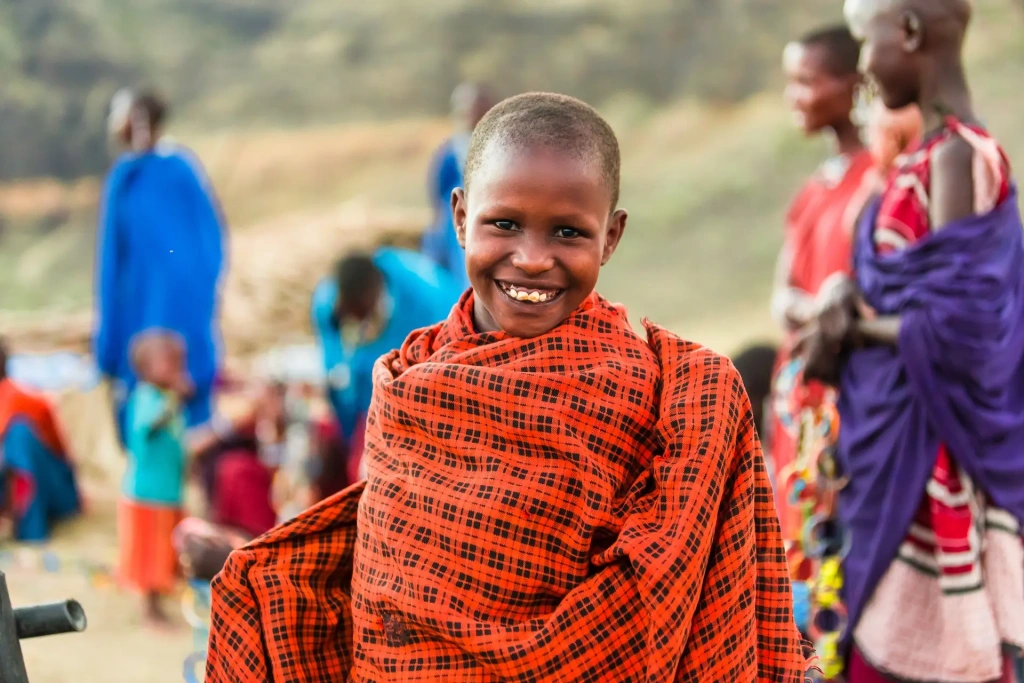
| Rural villages & Maasai areas | Yes – strongly preferred | Long trousers or long shorts | Long skirt or kitenge wrap | Traditional values; covering shows respect to elders |
Weather & Seasonal Clothing Needs Across Tanzania
Tanzania spans coastal lowlands, highlands, and semi-arid plains, so pack layers.
- Northern Circuit (Serengeti, Ngorongoro, Tarangire, Lake Manyara): 18–32°C daytime; chilly mornings/evenings (10–15°C). Layer with fleece for game drives.
- Zanzibar & coastal areas: 25–33°C + high humidity. Light, breathable fabrics essential; quick-dry clothing best.
- Arusha / Kilimanjaro region: Cooler at altitude (15–25°C); rain possible year-round.
- Dry season (June–October): Best wildlife viewing; dusty; neutral long-sleeve shirts protect from sun & insects.
- Green / rainy seasons (Nov–May): Lush scenery, fewer crowds; waterproof jacket & quick-dry pants needed.
Safari Clothing Essentials: What Works Best in Practice
For Northern Tanzania safaris, comfort and camouflage matter more than fashion.
- Colors: Khaki, olive, beige, grey — avoid white, black, bright patterns (attract tsetse flies & spook animals)
- Tops: Lightweight long-sleeve button-ups (roll-up sleeves), moisture-wicking t-shirts
- Bottoms: Convertible pants/shorts, cargo pants with zip-off legs, leggings under skirts
- Footwear: Closed sturdy shoes or hiking boots for walking safaris; comfortable sandals for camp
- Extras: Wide-brim hat, buff/scarf for dust, lightweight fleece for mornings
Zanzibar & Coastal Dress: Balancing Beach & Culture
Zanzibar is more conservative than mainland tourist areas. At resorts (Nungwi, Kendwa, Paje), swimwear is normal. But in Stone Town, Forodhani Gardens, mosques, or villages:
- Women: Shoulders & knees covered; loose clothing preferred; carry a light scarf
- Men: No bare chests or very short shorts outside resorts
- Tip: Buy a colorful kitenge or kanga in the market — versatile as wrap, skirt, or head cover
Religious & Cultural Sites: Where Modesty Is Non-Negotiable
Key places where covering up is essential:
- Mosques (e.g., House of Wonders, Malindi Mosque in Zanzibar): Shoulders + knees covered; women need headscarf (often loaned)
- Maasai villages & cultural bomas: Long clothing shows respect; avoid revealing outfits
- Churches & missions (especially rural): Modest dress encouraged
- Government offices, banks, schools: Smart, covered clothing
Comprehensive Packing List for Tanzania (2025–2026)
- 2–3 pairs safari pants/shorts (neutral colors, quick-dry)
- 4–5 lightweight long-sleeve shirts (sun & insect protection)
- 2–3 t-shirts / tank tops (for camp/resorts)
- 1 fleece or light jacket (for early mornings & highlands)
- 1 waterproof/windproof jacket (rainy season)
- Modest dress or long skirt + scarf (Zanzibar, villages)
- Swimwear + cover-up (coastal resorts)
- Sturdy walking shoes + sandals
- Wide-brim hat, sunglasses, buff/neck gaiter
- Underwear & socks (quick-dry recommended)
- Light sleepwear (lodges can be cool at night)
Common Mistakes Visitors Make & How to Avoid Them
- Wearing mini-shorts or crop tops in Stone Town → attracts stares/harassment
- Assuming safari rules apply everywhere → change into modest clothing for towns/villages
- Forgetting sun/insect protection → equatorial UV & tsetse flies are intense
- Packing all black/white → impractical for safaris; attracts heat/insects
Modern Trends & Urban Flexibility in Tanzania (2025–2026)
In Dar es Salaam’s Oyster Bay, Masaki, and Upanga, and in Arusha’s tourist areas, younger Tanzanians and expats wear Western casual clothing freely during the day—shorts, athleisure, dresses. Malls and cafes are relaxed. However, evening events, family gatherings, and business settings still favor smarter, more covered outfits. The rise of digital nomads has normalized casual safari-style clothing in co-working spaces.
Final Advice: Dress Respectfully, Travel Confidently
Tanzania welcomes visitors with open arms when they show cultural sensitivity. Pack versatile layers: neutral safari gear for the bush, modest options for towns and Zanzibar, and always carry a scarf or light wrap for quick adjustments. When in doubt, cover shoulders and knees outside resorts and private camps—you’ll blend in, earn respect, and often receive warmer hospitality from locals. Comfort, sun protection, and modesty go hand in hand here. Safe travels across the Serengeti plains, Kilimanjaro foothills, and Zanzibar shores!
Additional resources:
- Tanzania National Parks Authority (TANAPA)
- Culture of Tanzania – Wikipedia
- Zanzibar Official Tourism Site