










In a move that could significantly enhance the functionality of budget-friendly Android phones in Kenya, Google has started rolling out Gemini Go, a lighter version of its Gemini AI assistant. This development marks a significant upgrade for entry-level devices, many of which have been powered by the stripped-down Assistant Go for years. Gemini Go is now available in Kenya, a country where affordable technology has been in high demand. The rollout began in early June 2026, targeting Android (Go edition) devices with at least 2GB of RAM. This move is expected to bring a more advanced AI experience to a large pool of users who rely on these budget-friendly phones for their daily needs.
Google Unveils Gemini Go for Entry-Level Android Phones
Google has started rolling out Gemini Go, a lighter version of its Gemini AI assistant built for entry-level Android phones. This move is significant, as it marks a shift from the previous Assistant Go, a basic command-follower that was limited in its capabilities. Gemini Go, on the other hand, is designed to handle natural questions and provide a more conversational experience.
| Aspect | Details |
|---|---|
| Event | Gemini Go rollout begins |
| Date | Early June 2026 |
| Location | Kenya |
| Key People/Organizations | |
| Status | Ongoing |
| Type of Device | Entry-level Android phones |
| Minimum RAM Requirement | 2GB |
| Android Version | Android 13 |
| Brands Involved | itel, Tecno, Infinix |
A New Era for Android Go Users
Gemini Go is specifically designed for Android Go, a slimmed-down version of Android that is optimized for phones with limited memory and storage. To run Gemini Go, a phone needs at least 2GB of RAM, which is a relatively low requirement. This means that a large pool of phones already qualifies to run Gemini Go. The assistant is integrated into the Google app, and users can launch it by pressing and holding the Home button or the Power button on supported phones. This makes it easily accessible to users who are looking for a more advanced AI experience on their devices.
Gemini Go’s Features and Benefits for Kenyan Users


Gemini Go, the latest iteration of Google’s AI assistant, is set to revolutionize the way users interact with their entry-level Android phones in Kenya. This conversational AI is designed to handle natural questions and provide a more intuitive experience for users who previously relied on the basic command-follower, Assistant Go. For many first-time buyers, their Android Go-powered phone is their only computer, and Gemini Go is poised to make a significant impact in this market.
A More Capable Assistant
Gemini Go offers a range of capabilities that go beyond the basic tasks of its predecessor. Users can ask it to call or text a contact, set an alarm, or create a calendar event. They can also check the drive time to work, ask layered questions, or even upload documents and photos to give it more context for a chat. Additionally, Gemini Go can play music by mood or activity, making it a more versatile and user-friendly assistant. This expanded set of features is a significant improvement over Assistant Go and is likely to be welcomed by users who want a more conversational AI experience.
A New Standard for Affordability
Gemini Go’s arrival on Android Go-powered phones in Kenya marks a new standard for affordability in the tech industry. With a minimum of 2GB of RAM required to run the software, a large pool of phones already qualifies for the upgrade. This means that users who previously had to settle for a basic command-follower can now enjoy a more advanced AI assistant, making technology more accessible to a wider audience.
The Market Impact of Gemini Go in Kenya

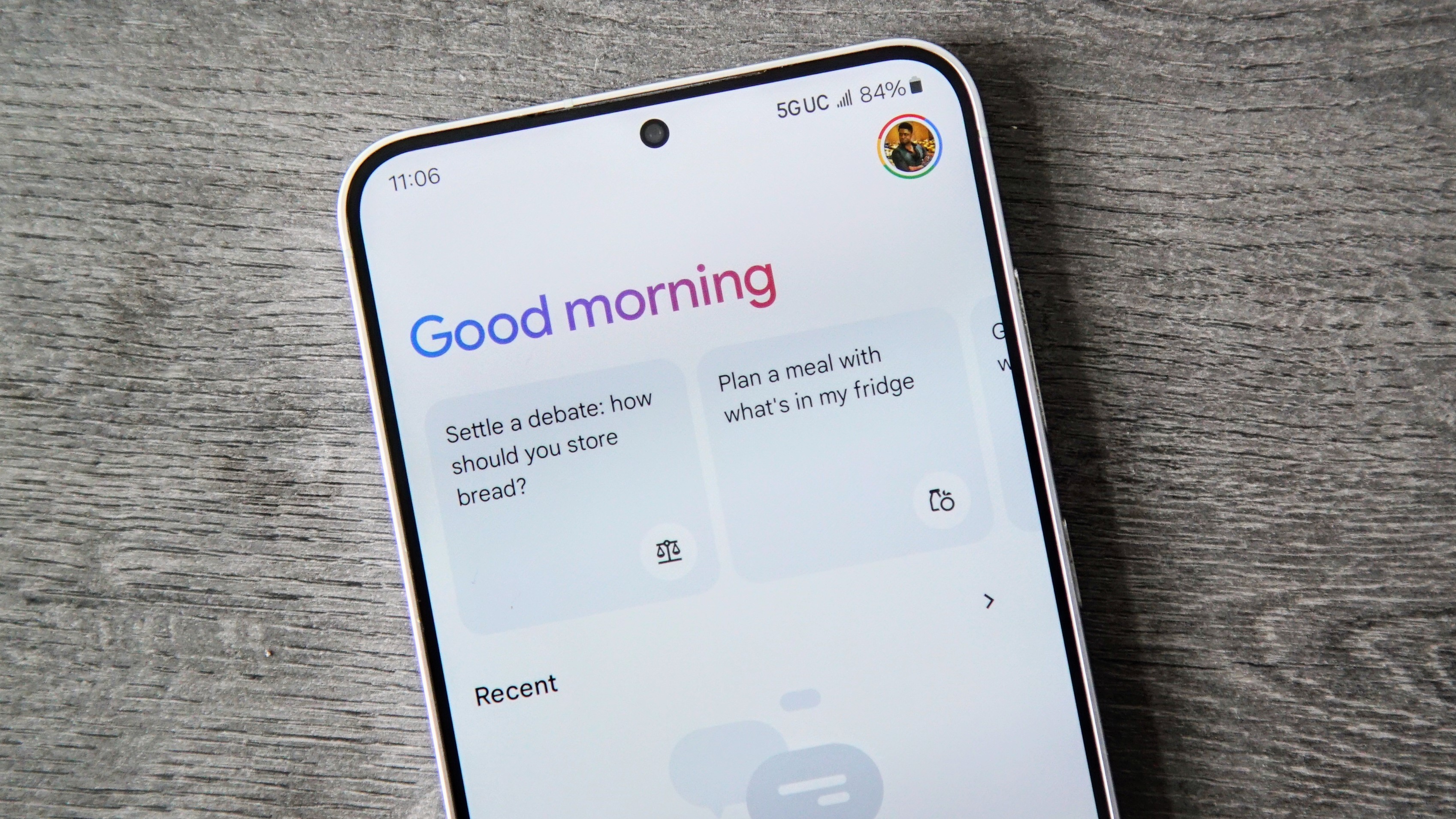
The introduction of Gemini Go in Kenya’s cheapest phones has the potential to revolutionize the way users interact with their devices. Android Go powers a significant share of the cheapest phones on sale, which are often the only computer for many first-time buyers. This demographic will now have access to a conversational AI assistant that can handle natural questions, rather than rigid phrases. The rollout of Gemini Go is a significant step towards making AI technology more accessible to a wider audience.
Gemini Go’s Impact on Emerging Markets
The market impact of Gemini Go in Kenya will be felt across the board, particularly in the affordable technology segment. Many first-time buyers will now have access to a more advanced AI assistant, which will enable them to perform a range of tasks, from setting alarms to playing music by mood or activity. The fact that Gemini Go is integrated into the Google app, with no separate download required, will make it easier for users to access its features. This will have a positive impact on the market, as users will be able to perform more complex tasks, leading to increased productivity and efficiency.
Expert Insights on Gemini Go’s Potential in Emerging Markets
Gemini Go, a lighter version of Google’s AI assistant, is poised to make a significant impact in emerging markets. By bringing a more conversational AI experience to entry-level Android phones, Google is catering to the needs of first-time buyers who rely on these devices as their primary computer. This move is particularly significant in countries like Kenya, where affordable technology is crucial for bridging the digital divide.
Conversational AI for the Masses
Gemini Go’s capabilities are designed to make it a more intuitive and user-friendly AI assistant. Users can ask natural questions, set reminders, and even control their music playback by mood or activity. This level of conversational AI is a significant upgrade from the basic command-follower that was previously available on budget devices. By making Gemini Go a standard feature on Android (Go edition) devices, Google is ensuring that a large pool of users can experience the benefits of a more advanced AI assistant.
Expanding AI Assistant Reach
Google’s strategy of expanding its AI assistant reach to emerging markets is a strategic move to increase its user base and improve digital literacy. By providing a more conversational AI experience, Google is empowering users to get the most out of their devices and explore new ways of interacting with technology. As Gemini Go becomes more widely available on entry-level Android phones, we can expect to see a significant increase in digital adoption and a more connected community in emerging markets.
Google’s Strategy for Expanding AI Assistant Reach
Google has been working on a strategy to bring its AI assistant to a wider range of devices, particularly in emerging markets. The company has started rolling out Gemini Go, a lighter version of its Gemini AI assistant, designed for entry-level Android phones. This move is significant, as it aims to provide a more conversational AI experience to users who previously had limited access to advanced voice assistants.
Targeting Affordable Technology in Emerging Markets
Gemini Go is specifically tailored for Android Go edition devices, which are designed for phones with limited memory and storage. To use Gemini Go, a phone needs at least 2GB of RAM, a requirement that has been in place since Android 13. This means that a large pool of phones already qualifies for the upgrade. The rollout of Gemini Go in Kenya is a crucial step in expanding Google’s AI assistant reach in emerging markets, where affordable technology is becoming increasingly accessible to first-time buyers.
What’s Next for Gemini Go in Kenya and Beyond
As Gemini Go becomes available on a wider range of Android phones in Kenya, it’s likely that Google will continue to expand its reach in the country. With the rollout of Gemini Go, Google has made significant strides in bringing its AI assistant to the masses, particularly in emerging markets where affordable technology is in high demand. The fact that Gemini Go is now available on phones with at least 2GB of RAM, a minimum requirement for Android Go edition devices since Android 13, suggests that Google is committed to making its AI assistant accessible to a broader audience.
In the coming months, it’s possible that we’ll see Gemini Go become a standard feature on more Android phones in Kenya, particularly those from popular brands like itel, Tecno, and Infinix. This could lead to a significant increase in the number of users who have access to a conversational AI assistant, which could have a positive impact on the way people interact with technology in the country. With Gemini Go, users can ask natural questions, set reminders, and even control their music playback, making it a more intuitive and user-friendly experience.
As Google continues to refine its AI assistant, it’s likely that we’ll see new features and capabilities added to Gemini Go in the future. With its conversational interface and ability to handle layered questions, Gemini Go has the potential to revolutionize the way people interact with technology in Kenya and beyond.