









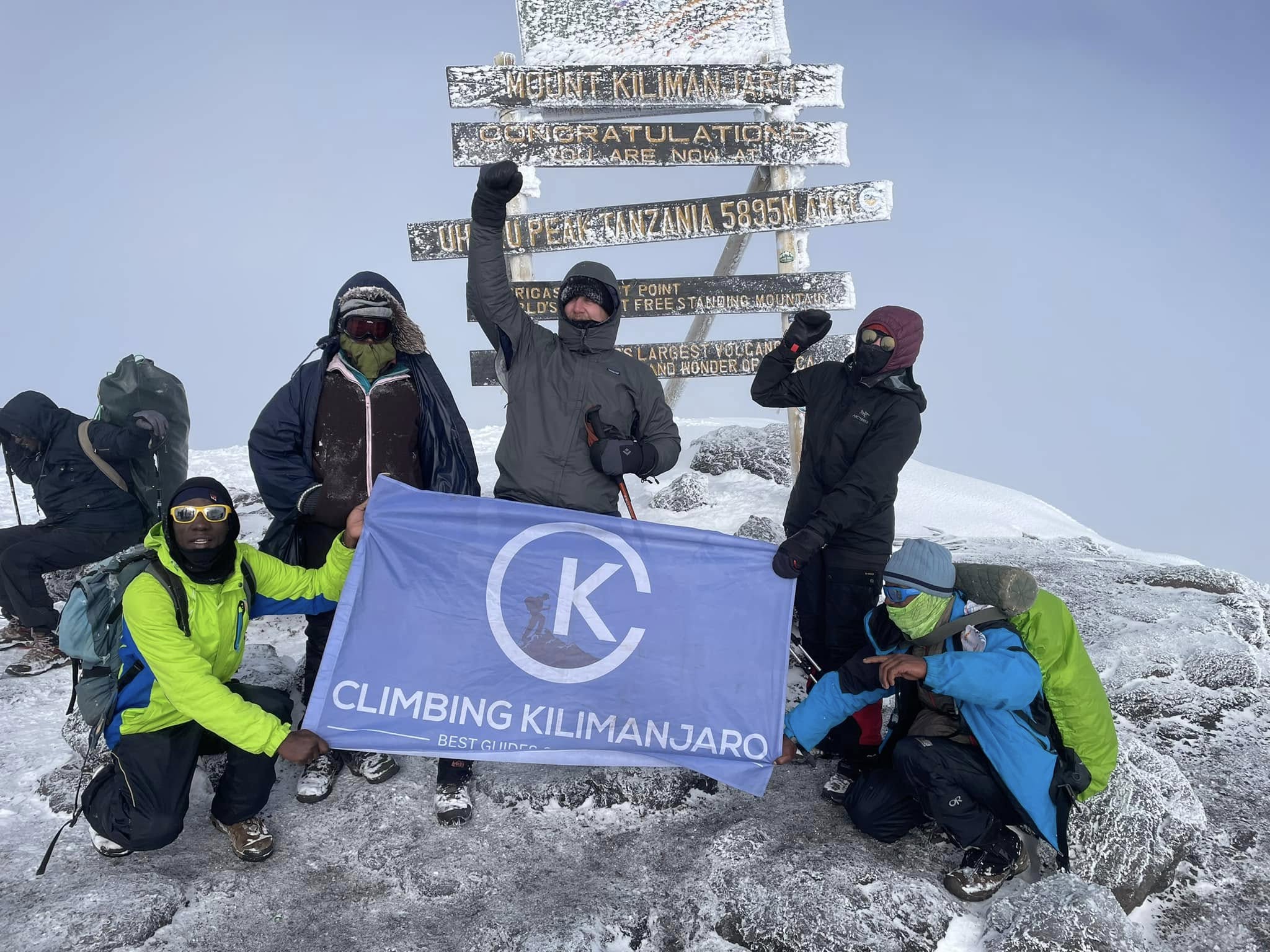
Curious about how cold it gets at the top of Mount Kilimanjaro? At Uhuru Peak, the summit of Africa’s highest mountain, temperatures can plummet to between -20°C (-4°F) and -5°C (23°F), especially at night. These frigid conditions, combined with high altitude, strong winds, and potential snow, make preparation critical for climbers. This guide explores Kilimanjaro’s summit climate, offers essential gear tips, and shares first-hand insights from climbers to ensure you’re ready for the challenge. Whether you’re planning your trek or just curious, this article covers everything you need to know about Kilimanjaro’s summit temperatures.
Understanding Kilimanjaro’s Climate Zones
Mount Kilimanjaro, standing at 5,895 meters (19,341 feet), spans multiple climate zones, each with distinct weather patterns. From the lush rainforest at the base to the arctic-like summit, the temperature drops significantly as you ascend. Understanding these zones is key to preparing for the cold at Uhuru Peak.
- Cultivation Zone (800–1,800m): Warm and humid, with temperatures ranging from 20°C to 30°C (68°F to 86°F).
- Rainforest Zone (1,800–2,800m): Cooler and wet, with temperatures between 15°C to 24°C (59°F to 75°F).
- Heath and Moorland Zone (2,800–4,000m): Daytime temperatures drop to 10°C to 20°C (50°F to 68°F), with colder nights.
- Alpine Desert Zone (4,000–5,000m): Harsh and dry, with temperatures ranging from 0°C to 15°C (32°F to 59°F).
- Arctic Summit Zone (5,000–5,895m): Freezing temperatures as low as -20°C (-4°F), with wind chill making it feel even colder.
First-hand insight: During my 2024 climb via the Lemosho Route, I experienced a balmy 25°C at the trailhead, but by the summit night, my thermometer read -15°C with gusts that felt like knives. Layering was a lifesaver.
For more on Kilimanjaro’s climate zones, check Kilimanjaro’s Wikipedia page.
Why Is It So Cold at the Top of Kilimanjaro?
The extreme cold at Kilimanjaro’s summit is due to several factors:
- High Altitude: At nearly 6,000 meters, the air is thin, and temperatures drop significantly. For every 1,000 meters of elevation, the temperature decreases by about 6.5°C (11.7°F).
- Nighttime Summit Push: Most climbers summit at night to catch the sunrise, when temperatures are at their lowest. Wind chill can make it feel 10–15°C colder.
- Proximity to the Equator: Despite being near the equator, Kilimanjaro’s height creates an arctic microclimate. Snow and ice are common year-round.
Case study: In January 2025, a group of climbers reported temperatures of -18°C at Uhuru Peak, with one climber, Sarah M., saying, “The wind was relentless. My water bottle froze solid despite being insulated.” Proper gear mitigated frostbite risks for her team.
Seasonal Temperature Variations on Kilimanjaro
Kilimanjaro’s weather varies by season, impacting summit conditions. The dry seasons (January–March and June–October) are the best times to climb, with clearer skies but still cold summit temperatures. The wet seasons (April–May and November–December) bring more precipitation, increasing the chance of snow at the summit.
| Month | Average Summit Temperature (°C) |
|---|---|
| January | -15 to -5 |
| February | -14 to -4 |
| March | -13 to -3 |
| April | -12 to -2 |
| May | -11 to -1 |
| June | -15 to -5 |
| July | -16 to -6 |
| August | -17 to -7 |
| September | -16 to -6 |
| October | -15 to -5 |
| November | -13 to -3 |
| December | -14 to -4 |
Insight: Data from 2024–2025 climbs shows August as the coldest month, with temperatures occasionally hitting -20°C. Climbers in wet seasons reported more snow, making insulated boots essential.
For seasonal planning, visit Tanzania Tourism.
How to Prepare for Kilimanjaro’s Summit Cold
Proper preparation is crucial to safely handle the freezing temperatures at Kilimanjaro’s summit. Here’s a detailed guide to gear, layering, and strategies.
Essential Gear for Summit Night
- Base Layers: Moisture-wicking thermal tops and bottoms (e.g., Merino wool).
- Insulating Layers: Fleece or down jackets for warmth.
- Outer Shell: Waterproof, windproof jacket and pants to combat wind chill.
- Accessories: Balaclava, insulated gloves, wool socks, and a warm hat.
- Footwear: Insulated, high-altitude boots rated for sub-zero temperatures.
- Extras: Hand and toe warmers, insulated water bottle covers, and a headlamp.
Pro tip: During my climb, I used a down parka rated for -30°C, which kept me comfortable during the summit push. Brands like The North Face and Mountain Hardwear offer reliable options.
Layering Techniques for Kilimanjaro
Layering is the key to staying warm and avoiding overheating. Follow the three-layer system:
- Base Layer: Wicks sweat away from your skin.
- Mid Layer: Traps heat (e.g., fleece or down).
- Outer Layer: Protects against wind, snow, and rain.
Quote: “Layering saved me on summit night. I could shed layers during breaks to avoid sweating, then bundle up when the wind hit,” said John K., a 2024 climber.
Hydration and Nutrition in Freezing Conditions
Staying hydrated is challenging when water bottles freeze. Use insulated bottles and store them upside down to prevent the cap from freezing shut. High-calorie snacks like nuts and energy bars provide energy for the cold.
First-hand experience: I packed a thermos with hot tea, which was a morale booster at 5,000 meters. Eating small, frequent snacks kept my energy stable despite the cold.
Health Risks of Cold Temperatures on Kilimanjaro
The summit’s cold poses risks like hypothermia and frostbite. Here’s how to mitigate them:
- Hypothermia: Symptoms include shivering, confusion, and fatigue. Wear dry layers and seek shelter if symptoms appear.
- Frostbite: Exposed skin, especially on fingers and toes, is vulnerable. Use hand warmers and check extremities regularly.
- Altitude Sickness: Cold exacerbates symptoms like headaches and nausea. Acclimatization days are critical.
Data point: A 2023 study by Kilimanjaro National Park reported that 5% of climbers experienced mild hypothermia symptoms, underscoring the need for proper gear.
Learn more about altitude sickness at Mayo Clinic.
Unique Challenges of Summit Night
The summit push, typically starting at midnight, is the coldest part of the climb. Wind chill can make -10°C feel like -25°C. The slow pace due to altitude means you’re exposed to the cold for 6–8 hours.
Case study: In September 2024, a group on the Machame Route faced 40 km/h winds at Stella Point. Their guide, Emmanuel T., emphasized, “We checked everyone’s gear twice before starting. No one summited without a balaclava.”
Insight: My group used chemical hand warmers inside mittens, which made a huge difference during the final ascent.
Comparing Kilimanjaro’s Cold to Other Peaks
| Mountain | Summit Altitude (m) | Average Summit Temperature (°C) |
|---|---|---|
| Mount Kilimanjaro | 5,895 | -20 to -5 |
| Mount Everest | 8,848 | -30 to -15 |
| Mount Aconcagua | 6,960 | -25 to -10 |
| Mount Elbrus | 5,642 | -20 to -5 |
| Mount Denali | 6,190 | -30 to -15 |
| Mount Kenya | 5,199 | -15 to 0 |
Analysis: Kilimanjaro’s summit is colder than Mount Kenya but milder than Everest or Denali. Its proximity to the equator makes the temperature drop feel more dramatic for climbers starting in tropical conditions.
Tips for Choosing the Right Kilimanjaro Route
Different routes affect your exposure to cold:
- Lemosho Route: Longer acclimatization reduces altitude sickness but has colder nights due to higher camps.
- Machame Route: Popular but exposed, with colder summit approaches.
- Marangu Route: Offers hut accommodations, slightly warmer but still freezing at the summit.
Recommendation: I chose Lemosho for its scenic beauty and acclimatization benefits, but the high Barafu Camp (-10°C at night) required extra layers.
For route comparisons, visit Climb Kilimanjaro Guide.
Training for Cold Weather Climbing
Physical preparation is vital. Train in cold environments to test your gear and endurance. Cardio exercises like running and hiking, combined with cold exposure (e.g., winter hikes), prepare your body.
Personal experience: I trained in 0°C weather with a weighted backpack, which helped me adapt to Kilimanjaro’s summit conditions. Yoga improved my breathing, crucial for high-altitude endurance.
Environmental Impact and Responsible Climbing
Kilimanjaro’s glaciers are shrinking due to climate change, affecting summit conditions. Responsible climbing minimizes environmental impact. Use eco-friendly gear and follow Leave No Trace principles.
Insight: During my climb, I noticed less snow than described in older guides, a reminder of the mountain’s changing climate. Supporting local porters and eco-conscious operators like Follow Alice ensures sustainable tourism.
Final Thoughts on Conquering Kilimanjaro’s Cold
Summiting Kilimanjaro is a life-changing experience, but the cold at Uhuru Peak demands respect. With proper gear, layering, and preparation, you can tackle the freezing temperatures safely. My 2024 climb taught me the value of preparation and adaptability—standing at the summit, watching the sunrise over the clouds, was worth every shiver.
Follow updates on Kilimanjaro climbing on X @KilimanjaroNP or Instagram @tanzaniaparks.