









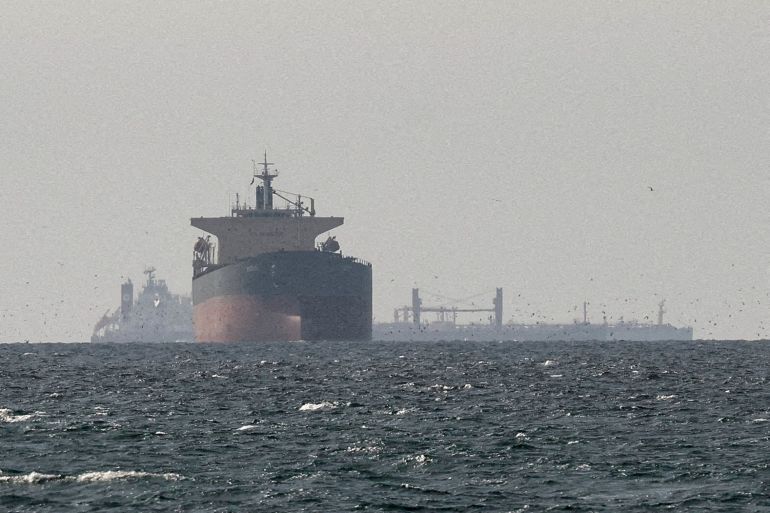
Tensions in the Middle East have escalated significantly after a series of missile strikes were launched by Iran towards the Gulf States. According to the US Central Command (CENTCOM), seven ballistic missiles were fired towards Kuwait and Bahrain late on Friday night, just hours after the US downed four Iranian attack drones that were launched towards the Strait of Hormuz. This latest development comes as the fragile truce between the US and Iran continues to be tested, with negotiations between the two nations dragging out. The US has maintained a tough stance on Iran, with the country’s military targeting Iranian radar sites in recent airstrikes. Iran has responded by denouncing the US attacks as a violation of the truce, further heightening the sense of unease in the region.
US Military Confirms Missile Strikes on Kuwait and Bahrain
The United States Central Command (CENTCOM) has confirmed that seven ballistic missiles were fired towards Kuwait and Bahrain late on Friday night. According to CENTCOM, six of the missiles were intercepted, and the seventh did not reach its target. The missiles were reportedly launched from an unknown location in the region.
| Aspect | Details |
|---|---|
| Event | Iran fires missiles at Gulf after US targets Iranian radar sites |
| Date | June 6, 2026 |
| Location | Kuwait, Bahrain, Strait of Hormuz, Gulf |
| Key People/Organizations involved | US CENTCOM, Iranian Islamic Revolutionary Guard Corps (IRGC), US Foreign Ministry, Iranian Foreign Ministry |
| Status/Current Situation | Ongoing tensions, fragile truce between US and Iran |
| Impact/Casualties | 6 missiles intercepted, 1 missile did not reach target, no casualties mentioned |
| Official Response | US CENTCOM confirms downing of Iranian ballistic missiles and drones, Iran denounces US attacks as a violation of truce |
| Countries Involved | United States, Iran, Kuwait, Bahrain, Egypt, Jordan, Qatar |
| Reason for Incident | Retaliation for earlier US strikes on Iranian coastal surveillance radar sites |
| Official Statement | Iran’s Foreign Ministry denounces US attacks as a “flagrant” violation of ceasefire |
The locations targeted by the missiles were Kuwait and Bahrain, with both countries condemning the Iranian missile strikes as a violation of their sovereignty and a threat to regional security. Kuwait and Bahrain are key allies of the United States in the region, and the missile strikes have raised concerns about the potential for further escalation.
Details of the Missile Strikes
The CENTCOM statement provided details of the missile strikes, including the number of missiles fired and the locations targeted. The statement also confirmed that the US military had shot down four Iranian attack drones that were launched towards the Strait of Hormuz earlier in the day. The Iranian drones were reportedly intercepted by US forces, preventing them from reaching their target.
Iran Denounces US Airstrikes as Violation of Truce Agreements


Iran’s Foreign Ministry has denounced the US airstrikes as a “flagrant” violation of the ceasefire that has been in place since April. The ministry stated that the US attacks showed a lack of will to reduce tensions and seriously endangered regional security. Iran’s Foreign Ministry spokesperson called the US actions a “clear and blatant” breach of the truce agreements.
Iran’s Islamic Revolutionary Guard Corps (IRGC) claimed that the country’s military had carried out attacks targeting US bases in the region in retaliation for earlier US strikes. The IRGC stated that the US had hit Iranian coastal surveillance radar sites in Goruk and on Qeshm Island, which Iran considers a serious escalation. Tehran has accused the US of bearing responsibility for “all the effects and consequences” of the attacks.
Iran’s Supreme Leader Ayatollah Ali Khamenei has also weighed in on the situation, stating that the US is seeking to “create chaos and instability” in the region. The Iranian government has maintained that its military actions are justified as a response to US aggression, and that the country will continue to defend its sovereignty and territorial integrity.
Regional Impact: How the Escalation Affects Middle East Relations

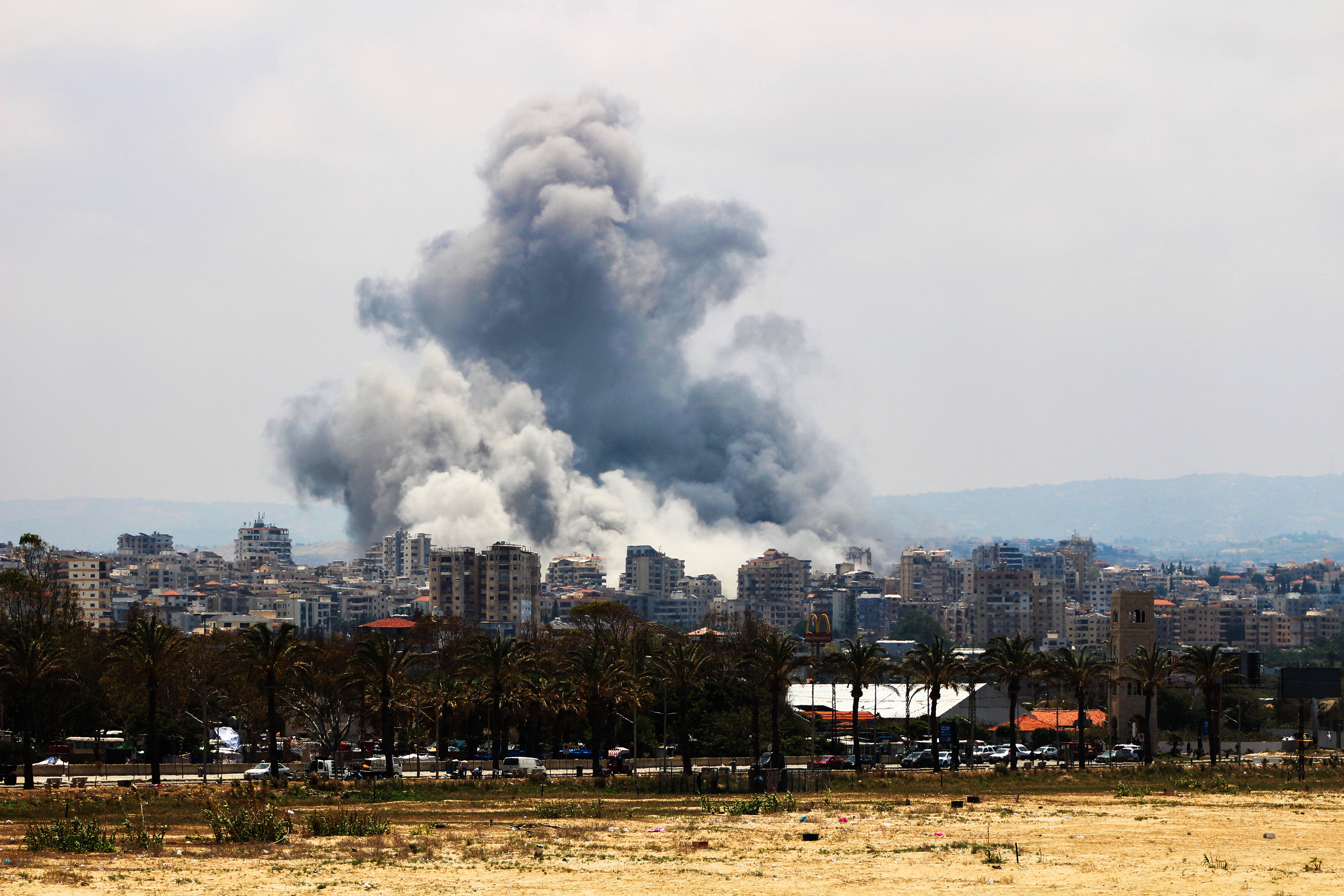
The recent missile strikes by Iran have sent shockwaves throughout the Middle East, with several Gulf states condemning the attacks as a violation of their sovereignty and a threat to regional security. Kuwait and Bahrain, in particular, have issued strong condemnations, with both countries calling on Iran to refrain from further aggression. The condemnations from these two countries are significant, given their strategic location in the Gulf and their close ties with the United States.
The escalation of tensions in the region has raised concerns among other Gulf states, with some calling for increased cooperation to address the growing threat from Iran. Egypt, Jordan, and Qatar have also issued condemnations, with Egypt’s foreign ministry stating that the missile strikes were a “clear threat to regional security”. The condemnations from these countries highlight the growing unease in the region, as tensions between Iran and the United States continue to escalate.
As the situation in the Gulf continues to deteriorate, diplomatic efforts to de-escalate tensions are underway. The international community is urging restraint, with the United Nations and other major world powers calling for calm and a return to negotiations. However, the prospects for a peaceful resolution to the crisis remain uncertain, as both sides dig in their heels and refuse to back down.
Global Response: International Community Weighs in on Escalation
The international community has been quick to condemn the recent escalation in the Gulf, with several major world powers issuing statements calling for restraint and an end to the violence. The United Nations (UN) has urged both the United States and Iran to exercise restraint and respect the sovereignty of neighboring countries. In a statement, the UN Secretary-General emphasized the need for a peaceful resolution to the conflict, saying that “the situation in the Gulf is a serious concern for the international community.”
The European Union (EU) has also weighed in on the situation, with the EU High Representative for Foreign Affairs and Security Policy calling for a de-escalation of tensions and a return to diplomatic efforts. The EU has expressed concern about the potential consequences of further military action in the region, including the impact on regional stability and global energy markets. Egypt, Jordan, and Qatar have also issued condemnations of the Iranian missile and drone strikes, calling them a threat to regional security.
The international community is clearly worried about the potential consequences of further escalation in the Gulf, and is urging both sides to return to the negotiating table. As tensions continue to rise, it remains to be seen whether diplomatic efforts will be enough to prevent further violence and restore stability to the region.
What’s Next: Possible Paths Forward for US-Iran Relations
As the situation in the Gulf continues to escalate, diplomatic efforts to de-escalate tensions remain elusive. The fragile truce between the US and Iran, which has been in place since April, appears to be on shaky ground. The recent missile strikes by Iran and the US military’s response have raised concerns about the potential for further escalation. The international community is watching the situation closely, with major world powers calling for restraint and de-escalation.
Potential Consequences of Military Escalation
A military escalation in the Gulf could have severe consequences for the region. The Strait of Hormuz, which is a critical waterway for global oil trade, is a potential flashpoint. The US and its allies have a significant military presence in the region, while Iran has a significant military capability. A conflict could lead to significant economic losses, displacement of people, and a destabilization of the region. The international community is also concerned about the potential for a wider conflict, which could draw in other regional and global powers.
Economic Sanctions and Their Implications
The US has imposed economic sanctions on Iran, which have had a significant impact on the country’s economy. The sanctions have led to a significant decline in Iran’s oil exports, which has had a ripple effect on the global economy. The EU and other major world powers have called for the US to ease the sanctions, but the US has shown no signs of relenting. The implications of the sanctions are far-reaching, with many experts warning that they could lead to a humanitarian crisis in Iran. The situation is further complicated by the fact that many countries, including China and Russia, have refused to comply with the US sanctions.
Timeline of Events: Key Moments Leading to the Escalation
The situation in the Gulf escalated on Friday night, with the US Central Command (CENTCOM) shooting down four Iranian attack drones that were launched towards the Strait of Hormuz. This move came hours after CENTCOM claimed it had hit Iranian coastal surveillance radar sites in Goruk and on Qeshm Island. The US military stated that the strikes were aimed at disrupting Iranian surveillance capabilities in the region.
In response, Iran’s Islamic Revolutionary Guard Corps (IRGC) carried out attacks targeting US bases in the region, according to Iranian officials. The IRGC claimed that the attacks were in retaliation for the earlier US strikes. Meanwhile, Iran’s Foreign Ministry denounced the US attacks as a “flagrant” violation of the ceasefire that has been in place since April. The ministry stated that the US actions showed a lack of will to reduce tensions and endangered regional security.
The situation further escalated when Iran fired seven ballistic missiles towards Kuwait and Bahrain, with six of the missiles intercepted by the US military. Kuwait and Bahrain condemned the Iranian missile strikes, calling them a violation of their sovereignty and a threat to regional security. Other Gulf states, including Egypt, Jordan, and Qatar, also issued condemnations, expressing concern over the escalating tensions in the region.
Expert Analysis: Understanding the Motivations Behind the Escalation
The recent escalation in tensions between the US and Iran has raised questions about the motivations behind the US airstrikes on Iranian radar sites and the Iranian responses. Strategic analysts suggest that the US strikes were a calculated move to test the limits of the fragile truce between the two nations, while also demonstrating its military capabilities in the region. This approach may be aimed at exerting pressure on Iran to return to the negotiating table and compromise on key issues, such as its nuclear program and regional influence.
From an economic perspective, the US airstrikes may be seen as an attempt to disrupt Iran’s ability to monitor and control its maritime trade routes, particularly in the Strait of Hormuz. This strategic waterway is a critical artery for global oil supplies, and any disruption to its flow could have significant economic implications for both Iran and its trading partners. Iran’s responses, including the launch of ballistic missiles and drones, may be seen as a bid to demonstrate its military capabilities and deter further US aggression.
Diplomatic efforts to de-escalate tensions between the US and Iran have been ongoing for months, but have yet to yield significant results. The US and Iran have been engaged in indirect talks through European mediators, but these efforts have been hampered by fundamental differences in their positions on key issues. As tensions continue to escalate, it remains to be seen whether either side is willing to make concessions to achieve a lasting peace.
Conclusion: Assessing the Consequences of the Escalation
The recent escalation between the US and Iran has brought the region to the brink of further instability. Iran’s firing of seven ballistic missiles towards Kuwait and Bahrain, which were largely intercepted by the US military, has been met with condemnation from several Gulf states. Kuwait and Bahrain have denounced the Iranian missile strikes as a violation of their sovereignty and a threat to regional security. Egypt, Jordan, and Qatar have also issued condemnations, further highlighting the region’s growing unease.
The Iranian response to the US airstrikes on its coastal surveillance radar sites has been swift and forceful. The Islamic Revolutionary Guard Corps (IRGC) claimed that the attacks were in retaliation for earlier US strikes, which they deemed a flagrant violation of the ceasefire that has been in place since April. The US military’s targeting of Iranian radar sites has been seen as a significant escalation, with Iran’s Foreign Ministry denouncing the attacks as a serious threat to regional security.
As tensions continue to rise, the consequences of this escalation are becoming increasingly clear. The region is bracing itself for further instability, with several Gulf states taking steps to bolster their defenses. The international community is also weighing in, with major world powers issuing statements on the situation and their efforts to prevent further escalation. The situation remains fluid, with many questions still unanswered.