





![PHOTOS] Ruto launches Last Mile power project, market and ...](https://www.hadubini.co.ke/wp-content/uploads/2026/03/PHOTOS_President_Ruto_Launches_Last_Mile_Power_Project_in_Cheptais_Bungoma_-_Boosting_Connectivity_and_Education-150x150.jpg "[PHOTOS] President Ruto Launches Last Mile Power Project in Cheptais, Bungoma – Boosting Connectivity and Education")


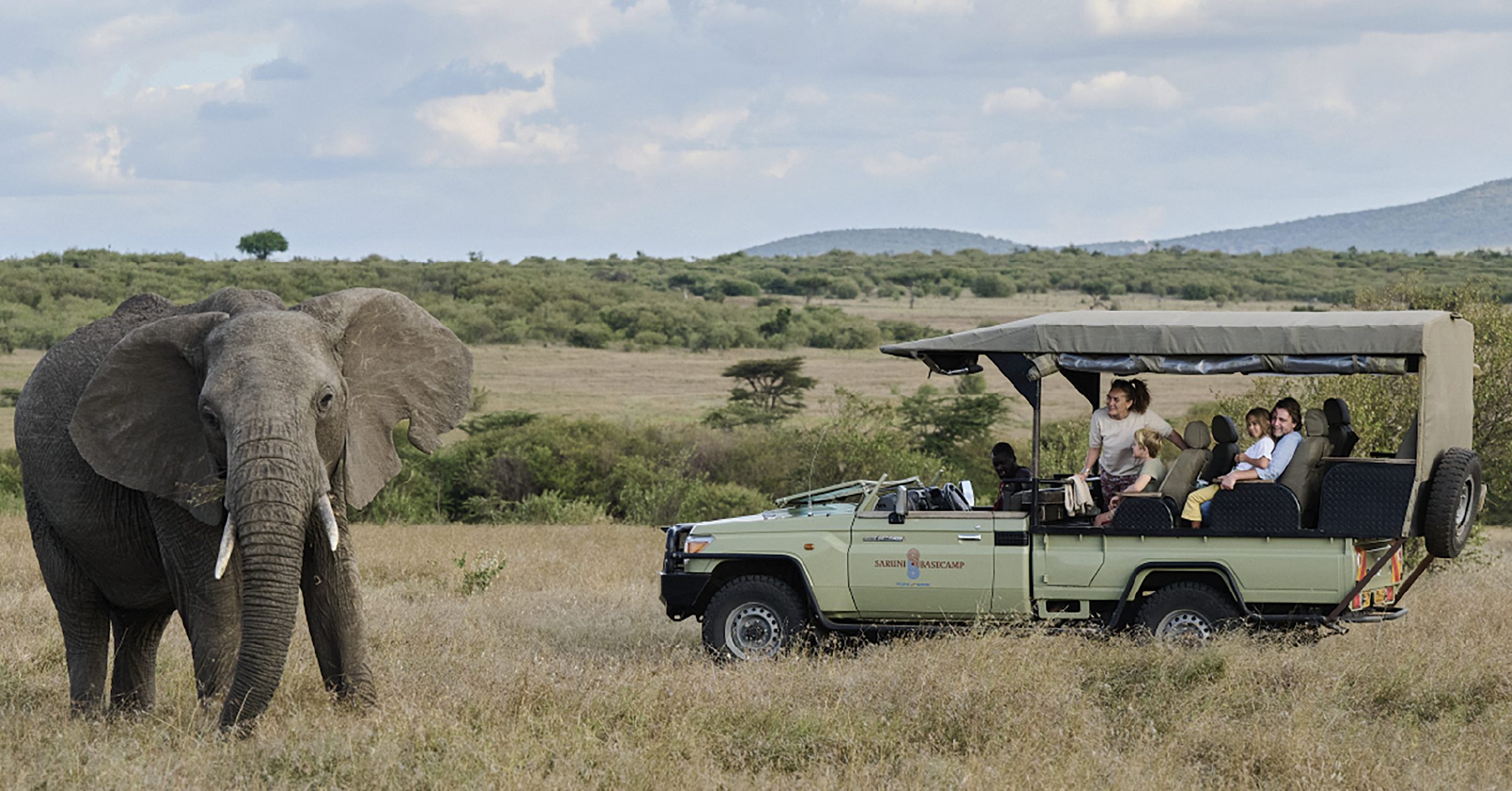
Planning a safari holiday in 2025 can be a thrilling yet daunting task. Whether you’re dreaming of witnessing the Great Migration in Tanzania or spotting the Big Five in Kenya, this comprehensive guide outlines 10 easy steps to plan a safari holiday that aligns with your budget, interests, and travel goals. By following these steps, you’ll craft an unforgettable African safari adventure tailored to your preferences. From choosing the perfect destination to packing smart, we’ve incorporated new insights, expert tips, and first-hand experiences to ensure your trip is seamless and extraordinary.
Why Plan a Safari Holiday in 2025?
A safari holiday offers a unique blend of adventure, wildlife, and cultural immersion. In 2025, sustainable tourism and eco-conscious travel are shaping safari experiences, with lodges and operators prioritizing conservation. According to recent data from the World Travel & Tourism Council, sustainable tourism in Africa is expected to grow by 6.5% annually, making it an ideal time to plan your trip. This guide provides a step-by-step approach to ensure your safari is both memorable and responsible.
Step 1: Define Your Safari Goals and Interests
Align Your Safari with Your Travel Aspirations
Before diving into logistics, clarify what you want from your safari. Are you passionate about photographing wildlife, seeking a luxury lodge experience, or eager to explore off-the-beaten-path destinations? For example, my first safari in Kenya’s Maasai Mara in 2023 was driven by a desire to see lions in their natural habitat. This focus helped me choose a destination and season ideal for big cat sightings.
- Wildlife Focus: Prioritize parks like Serengeti for migrations or Kruger for diverse species.
- Cultural Immersion: Combine your safari with visits to local communities, like the Maasai or Himba.
- Adventure: Opt for walking safaris or hot air balloon rides for a unique perspective.
Pro Tip: Create a vision board with images of animals, landscapes, or activities to narrow down your preferences. Check SafariBookings for inspiration.
Step 2: Choose the Best Safari Destination
Top African Safari Destinations for 2025
Selecting the right destination is critical for a successful safari holiday. Africa offers diverse ecosystems, each with unique wildlife and landscapes. Here’s a table comparing top safari destinations for 2025:
| Destination | Key Highlights |
|---|---|
| Maasai Mara, Kenya | Famous for the Great Migration (July–October), abundant Big Five, and Maasai culture. |
| Serengeti, Tanzania | Iconic for the wildebeest migration, vast plains, and luxury lodges. |
| Kruger NP, South Africa | Accessible, diverse wildlife, and budget-friendly self-drive options. |
| Okavango Delta, Botswana | Unique water-based safaris, pristine wilderness, and exclusive camps. |
| Bwindi Impenetrable NP, Uganda | Home to mountain gorillas, ideal for trekking enthusiasts. |
| Etosha NP, Namibia | Stunning salt pans, excellent for spotting rhinos and elephants. |
New Insight: In 2025, Namibia is gaining popularity for its community-based conservation programs, offering authentic experiences with minimal environmental impact. Consider visiting Etosha National Park for a less crowded safari.
Step 3: Determine the Best Time to Visit
Timing Your Safari for Optimal Wildlife Viewing
The best time for a safari depends on your chosen destination and wildlife goals. Africa’s seasons are divided into dry season (June–October) and wet season (November–May), each offering distinct experiences.
- Dry Season: Wildlife congregates around water sources, making sightings easier. Ideal for Kenya and Tanzania.
- Wet Season: Lush landscapes, fewer crowds, and lower prices. Perfect for South Africa or Uganda.
Case Study: During my 2023 Maasai Mara trip, I visited in August, peak dry season, and witnessed thousands of wildebeests crossing the Mara River—a breathtaking spectacle. However, a friend who traveled in March enjoyed lush greenery and fewer tourists, though some roads were challenging.
2025 Update: Climate change is slightly shifting migration patterns. Check Africa Geographic for real-time migration updates before booking.
Step 4: Set a Realistic Budget
Budgeting for Your Dream Safari
A safari can range from budget-friendly to ultra-luxury, with costs varying by destination, accommodation, and season. Here’s a breakdown of average costs for 2025:
| Expense Category | Estimated Cost (Per Person) |
|---|---|
| Flights (International) | $800–$2,000 |
| Accommodation (Mid-range) | $150–$400 per night |
| Safari Tours/Guides | $100–$500 per day |
| Park Fees | $50–$150 per day |
| Meals and Drinks | $50–$150 per day |
| Visa and Vaccinations | $100–$300 |
Expert Tip: Book through operators like Go2Africa for package deals that bundle flights, accommodation, and tours, often saving 10–20%.
Unique Insight: In 2025, group safaris are trending for budget travelers, offering shared costs without compromising quality. I joined a small group tour in South Africa, which reduced my expenses by 15% while fostering new friendships.
Step 5: Select the Right Safari Operator
Finding a Reputable Safari Tour Operator
A reliable operator ensures a safe and enriching safari experience. Research operators with strong reviews on platforms like TripAdvisor or SafariBookings. Look for:
- Conservation Commitment: Operators supporting local communities and wildlife protection.
- Certified Guides: Knowledgeable guides enhance your experience with insights into animal behavior.
- Customizable Itineraries: Flexibility to tailor your trip to your interests.
Real-World Example: In 2024, a colleague booked with a small operator in Botswana who arranged a private mokoro (canoe) safari. The guide’s expertise on birdlife transformed the trip into a learning adventure.
Follow on Social Media: Engage with operators like @Go2Africa for updates and deals.
Step 6: Choose Your Accommodation Type
Safari Lodges, Camps, and Budget Options
Your accommodation sets the tone for your safari. Options range from luxury lodges to mobile tented camps. Here’s a comparison:
| Accommodation Type | Features |
|---|---|
| Luxury Lodges | Private suites, gourmet dining, pools, and spa services. |
| Tented Camps | Authentic bush experience, eco-friendly, often mobile for migration tracking. |
| Budget Campsites | Affordable, ideal for self-drive safaris, basic amenities. |
| Eco-Lodges | Sustainable, community-focused, blending comfort with conservation. |
Personal Experience: Staying at a tented camp in Serengeti allowed me to hear hyenas at night—an exhilarating reminder of being in the wild. For luxury, consider Singita Lodges.
Step 7: Plan Your Itinerary
Crafting a Balanced Safari Itinerary
A well-planned itinerary balances game drives, relaxation, and cultural experiences. Aim for 7–10 days to cover multiple parks or activities. Sample itinerary for Tanzania:
- Day 1–3: Serengeti National Park for the Great Migration.
- Day 4–5: Ngorongoro Crater for dense wildlife populations.
- Day 6–7: Zanzibar for beach relaxation and cultural tours.
New Trend: In 2025, multi-country safaris combining Kenya, Tanzania, and Rwanda are popular for diverse experiences. Check Africa Adventure Consultants for tailored itineraries.
Step 8: Prepare for Health and Safety
Vaccinations, Visas, and Travel Safety
Health and safety are paramount for a safe safari holiday. Ensure you have:
- Vaccinations: Yellow fever, typhoid, and hepatitis A are often required. Visit the CDC Travel Health for updates.
- Malaria Precautions: Use prophylactics and insect repellent in malaria-prone areas.
- Travel Insurance: Covers medical emergencies and trip cancellations.
Safety Tip: During my Uganda gorilla trek, I packed lightweight rain gear, which was a lifesaver in sudden downpours. Always check weather forecasts for your destination.
Step 9: Pack Smart for Your Safari
Essential Safari Packing List
Packing for a safari requires practical and lightweight gear. Here’s a curated list:
| Item | Purpose |
|---|---|
| Neutral-Colored Clothing | Blends with the environment, avoids attracting animals. |
| Binoculars | Enhances wildlife viewing, especially for birds. |
| Camera with Zoom Lens | Captures distant animals; a 200mm lens is ideal. |
| Reusable Water Bottle | Stays hydrated while reducing plastic waste. |
| Sun Protection | Sunscreen, hat, and sunglasses for UV protection. |
| Lightweight Raincoat | Prepares for unexpected showers, especially in wet season. |
Pro Tip: Pack soft-sided luggage for small charter flights, as hard suitcases are often restricted.
Step 10: Embrace the Safari Experience
Making the Most of Your Safari Adventure
Once on safari, immerse yourself fully. Disconnect from devices to appreciate the sights and sounds of the wild. Engage with local guides for stories and insights. For example, my Maasai guide shared folklore about the acacia tree, enriching my understanding of the landscape.
2025 Trend: Virtual reality (VR) safari previews are emerging, allowing travelers to experience destinations virtually before booking. Follow @AfricaTravel for tech-driven safari updates.
Additional Tips for a Memorable Safari
- Learn Basic Swahili Phrases: Words like “Jambo” (hello) enhance interactions with locals.
- Support Conservation: Donate to organizations like African Wildlife Foundation.
- Document Your Journey: Keep a journal to capture memories and emotions.
Quote: “A safari is not just a trip; it’s a journey into the heart of nature’s untamed beauty.” – Safari Guide, Maasai Mara, 2023.
Conclusion: Your Safari Awaits in 2025
Planning a safari holiday in 2025 is an opportunity to connect with nature, support conservation, and create lifelong memories. By following these 10 essential steps, you’ll craft a trip that’s both thrilling and responsible. Start planning today, and let Africa’s wild heart captivate you. For more inspiration, explore National Geographic Travel or follow @SafariBookings.