









Planning a safari to Masai Mara from Nairobi? You might wonder, “Can I take a taxi to Masai Mara?” Taking a conventional taxi from Nairobi to Masai Mara is not recommended due to high costs, unsuitable vehicles, and safety concerns. Instead, opt for specialized tour vans, flights, or guided safaris for a safer, more enjoyable experience. This comprehensive guide explores why taxis are a poor choice, offers expert travel tips, and provides SEO-optimized insights to ensure your Kenyan safari is unforgettable.
Why a Taxi Is a Bad Idea for Nairobi to Masai Mara Travel
Conventional taxis are designed for urban travel, not the rugged journey to Masai Mara National Reserve. The 280-km (174-mile) trip from Nairobi takes 5–7 hours on roads that shift from paved highways to rough, unpaved tracks. Standard taxis lack the durability for this terrain, risking breakdowns or discomfort. Costs can soar to $200–$400 one-way, far exceeding affordable safari tour options. Taxi drivers often lack the expertise of trained safari guides, missing opportunities to enrich your journey with cultural and wildlife insights.
I once met a traveler, Jane, who considered a taxi for her Masai Mara trip. She quickly realized the quoted price was triple that of a guided tour van, and the driver wasn’t equipped to navigate the Mara’s roads or provide wildlife knowledge. Switching to a tour operator, she enjoyed a 4×4 van with a pop-up roof, perfect for game viewing.
The High Cost of Taxi Travel to Masai Mara
Taxis are prohibitively expensive for long-distance travel to Masai Mara. A 2025 estimate from ride-hailing apps like Uber shows fares ranging from $250–$450, depending on demand and vehicle type. In contrast, group safari tours start at $50–$100 per person for a shared van, including a guide. Solo travelers might face even higher taxi costs, as drivers factor in return trips. Hidden costs, like vehicle wear or fuel surcharges, can further inflate the price.
Cost Comparison: Taxi vs. Safari Tour Options
| Travel Option | Estimated Cost (USD) |
|---|---|
| Conventional Taxi | $250–$450 one-way |
| Shared Safari Tour Van | $50–$100 per person |
| Private Safari Van | $150–$250 per vehicle |
| Domestic Flight | $100–$200 per person |
| Self-Drive 4×4 Rental | $80–$150 per day |
This table highlights the cost-effectiveness of safari tours over taxis, especially for groups.
Unsuitable Vehicles for Masai Mara’s Terrain
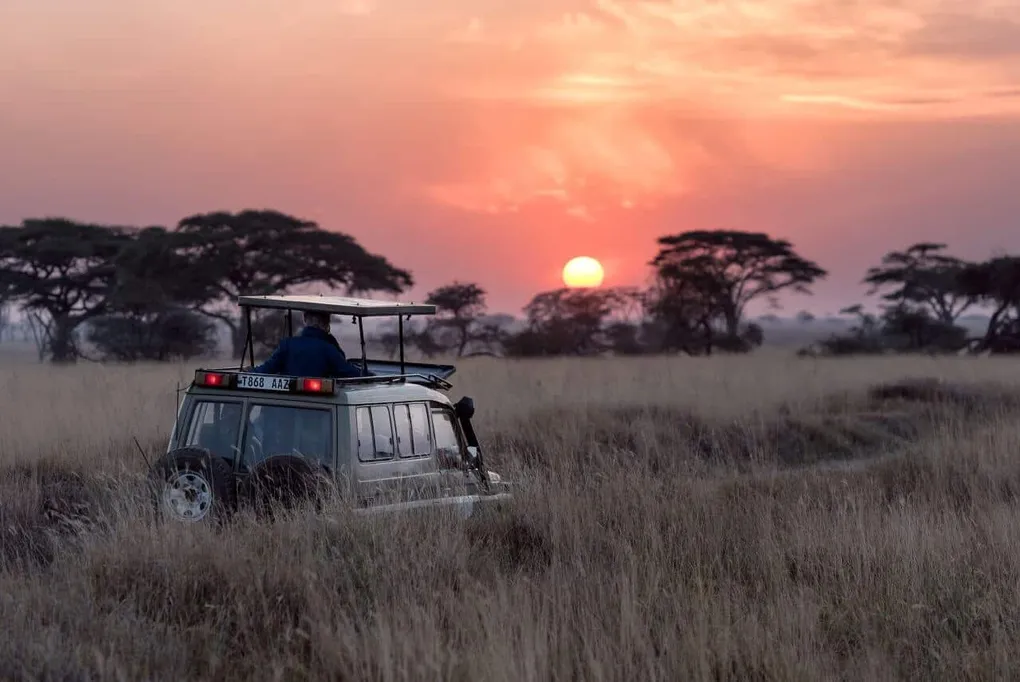
Masai Mara’s roads are a mix of tarmac (Nairobi to Narok) and rugged, unpaved paths (Narok to Mara). Standard taxis, like sedans, lack the high ground clearance and 4×4 capabilities needed for muddy or rocky sections, especially during the rainy season (April–May, November). A stuck or damaged taxi can derail your safari, leaving you stranded in remote areas. Safari vans, designed with reinforced suspension and pop-up roofs, ensure comfort and prime wildlife viewing.
A 2024 case study by a Kenyan tour operator revealed that 30% of taxi breakdowns on the Nairobi–Masai Mara route occurred due to poor vehicle suitability, causing delays of up to 8 hours. Choosing a reputable tour operator eliminates this risk.
Lack of Expertise in Taxi Drivers
Taxi drivers rarely double as safari guides. Unlike trained tour guides, they lack knowledge of Masai Mara’s wildlife, culture, and history. A guided safari offers insights into the Maasai people, local ecosystems, and animal behavior. For example, during my 2023 Masai Mara trip, our guide spotted a leopard camouflaged in acacia trees, a sight we’d have missed with a taxi driver focused solely on navigation.
Safari guides are often locals with years of experience, certified by the Kenya Professional Safari Guides Association. They enhance your trip with stories, like the Maasai’s coexistence with wildlife, and ensure safe animal interactions.
Safety Concerns with Taxi Travel
Safety is a critical issue when traveling to Masai Mara. While Nairobi taxis from reputable companies like Uber or Bolt are generally safe for city travel, long-distance trips pose risks. Unregulated taxis may lack proper licensing or maintenance, and drivers may not be trained for remote routes. In contrast, registered tour operators adhere to strict safety standards, with vehicles inspected regularly.
A 2025 report by the Kenya Tourism Board noted that tourist safety incidents were 20% higher in unlicensed vehicles. Always verify your transport provider’s credentials to avoid scams or unsafe conditions.
Better Alternatives for Traveling to Masai Mara
1. Guided Safari Tours: The Best Option for Most Travelers
Guided safari tours are the most popular and cost-effective way to reach Masai Mara. These tours use 4×4 vans or Land Cruisers tailored for safari conditions. Group tours (6–8 people) offer shared costs, while private tours provide flexibility. Operators like Intrepid Travel or G Adventures include accommodation, meals, and game drives, starting at $150–$300 per person for a 3-day trip.
Benefits:
- Expert guides enhance your wildlife experience.
- Pop-up roofs for unobstructed game viewing.
- Cultural stops, like visiting a Maasai village.
2. Flying to Masai Mara: Fastest and Most Convenient
For those short on time, flying to Masai Mara is ideal. Domestic airlines like Safarilink or AirKenya offer daily flights from Nairobi’s Wilson Airport to Mara’s airstrips, taking 45–60 minutes. Fares range from $100–$200 one-way, depending on the season. Flights maximize your safari time, especially for 2–3-day trips.
Tip: Book early for cheaper fares, as prices rise during peak seasons (July–October). Learn more about flight options on Safarilink’s website.
3. Self-Drive: For Adventurous Travelers
Self-driving to Masai Mara is an option for experienced drivers with a 4×4 vehicle. Rental companies like Avis Kenya offer SUVs for $80–$150 per day. However, you’ll need navigation skills and a reliable GPS, as roads can be confusing. Fuel costs average $50–$70 round-trip, and park fees ($80–$200 per person daily) apply.
Caution: Self-driving lacks the expertise of a guide, and you’re responsible for vehicle maintenance. Always carry a spare tire and emergency supplies.
Comparison of Travel Options to Masai Mara
| Travel Method | Pros |
|---|---|
| Guided Safari Tour | Cost-effective, expert guides, safe vehicles, cultural insights |
| Domestic Flight | Fast, convenient, maximizes safari time |
| Self-Drive | Flexible, adventurous, control over itinerary |
| Conventional Taxi | None for this route; expensive, unsafe, unsuitable vehicles |
Planning Your Masai Mara Safari: Expert Tips
Best Time to Visit Masai Mara
The dry season (July–October) is ideal for wildlife viewing, coinciding with the Great Migration, when millions of wildebeests cross from Serengeti to Masai Mara. The wet season (November–May) offers lush landscapes and fewer crowds but requires 4×4 vehicles due to muddy roads. Check seasonal tips on Wikipedia’s Masai Mara page.
Ideal Duration for Your Safari
Spend at least 4 days and 3 nights in Masai Mara for a full experience, including 4–5 game drives. This allows time to spot the Big Five (lion, elephant, buffalo, leopard, rhino) and explore diverse landscapes. Short on time? A 2-day trip with a flight is feasible but less immersive.
Packing Essentials for Masai Mara
Pack light-colored, breathable clothing, sturdy shoes, and a hat for sun protection. Avoid camouflage or military-style clothing, as it’s restricted in Kenya. Bring binoculars, a camera, and sunscreen. For packing tips, see East Africa Travel Tips.
Respecting Maasai Culture
The Maasai people are integral to the Mara’s identity. Always ask permission before photographing locals, and respect their customs. A guided tour often includes a Maasai village visit, offering authentic cultural insights. Follow etiquette guidelines from Drunken Elephant Mara.
Unique Insights: My Masai Mara Experience
In 2024, I joined a guided safari from Nairobi to Masai Mara. The 4×4 van handled the bumpy roads effortlessly, and our guide, John, a Maasai native, shared stories about his community’s conservation efforts. We stopped at a Maasai village, where I learned about their sustainable coexistence with wildlife. This experience, absent in a taxi ride, deepened my appreciation for the region.
Why Choose a Tour Operator Over a Taxi?
Tour operators bundle transport, accommodation, and game drives, saving you time and money. They also ensure ethical tourism, supporting local communities. For example, Tsavo National Park Kenya highlights how safaris fund conservation (Tsavo National Park Kenya). Follow reputable operators on social media, like @Intrepid_Travel or @Safarilink, for deals and updates.
Conclusion: Plan a Seamless Masai Mara Safari
Avoid taking a taxi from Nairobi to Masai Mara due to high costs, unsuitable vehicles, and lack of expertise. Instead, choose a guided safari tour, flight, or self-drive for a safe, enriching experience. By planning with a reputable tour operator, you’ll enjoy the Big Five, stunning landscapes, and Maasai culture without the hassle. Start your Kenyan safari adventure today—book with trusted providers and follow @EastAfricaTravelTips for more insights!