








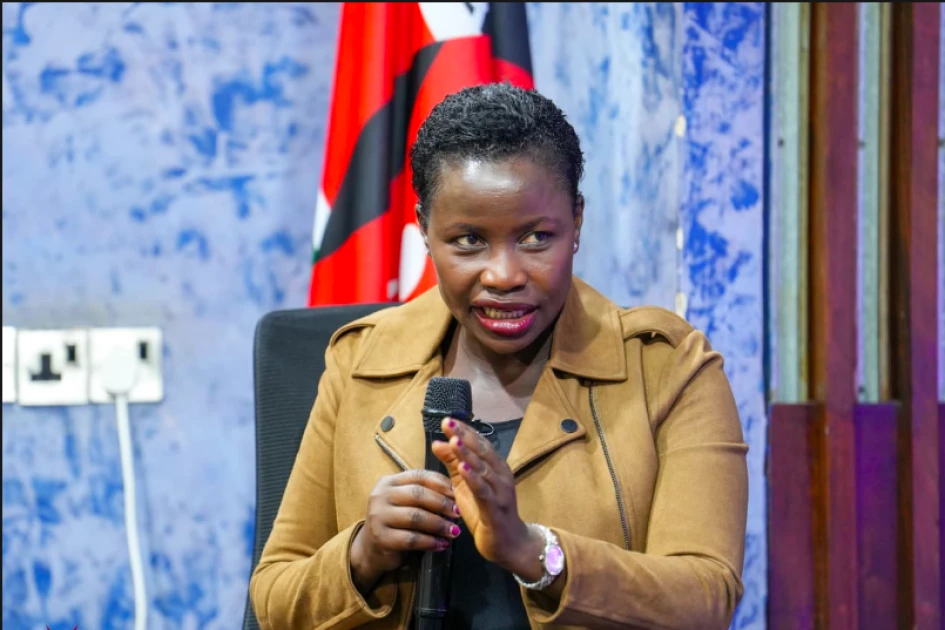
Breaking News: The Government of Kenya has announced a major development in its youth employment initiative, the National Youth Opportunities Towards Advancement (NYOTA) project. In a move to resolve budgetary constraints, the second tranche of start-up capital under the project will be disbursed by June 30, 2026. This decision marks a significant shift in the rollout strategy, with all beneficiaries set to receive funds simultaneously. The announcement was made by Principal Secretary Susan Mang’eni, in a bid to support Kenya’s young entrepreneurs and stimulate economic growth.
What Happened
The government has announced that the second tranche of start-up capital under the National Youth Opportunities Towards Advancement (NYOTA) project will be disbursed by June 30, 2026. This move aims to resolve budgetary constraints that had delayed the rollout of the project. The announcement was made by Principal Secretary for the State Department for MSMEs Development, Susan Mang’eni.
The NYOTA project is a five-year youth employment and enterprise initiative aimed at empowering vulnerable and marginalised young people across the country through various training programs and access to market linkages. The project has already attracted nearly 2 million applicants nationwide since its implementation in March 2025. So far, 122,147 youth drawn from all 1,450 wards across Kenya have benefited from the programme.
The government has decided to disburse the funds simultaneously to all beneficiaries, marking a shift from the earlier phased disbursement approach. This move is expected to provide much-needed support to the young entrepreneurs who have been waiting for the disbursement of the second tranche of start-up capital.
Background Information
The National Youth Opportunities Towards Advancement (NYOTA) project has a long history of empowering vulnerable and marginalized young people across Kenya. Launched in March 2025, the five-year youth employment and enterprise initiative aims to provide skilling, recognition of prior learning, apprenticeships, mentorship, business training, savings promotion, and access to market linkages, including Access to Government Procurement Opportunities (AGPO) training. The programme also extends to youth in refugee camps in Kakuma and Dadaab, as well as host communities.
Implemented through a multi-agency framework, the project brings together the Ministry of Youth Affairs, Creative Economy and Sports, the Ministry of Cooperatives and MSMEs Development, and the Ministry of Labour and Social Protection. Key implementing agencies include NITA, MSEA, NEA, and NSSF. The project has attracted nearly 2 million applicants nationwide, with 122,147 youth drawn from all 1,450 wards across Kenya benefiting from the programme so far.
The NYOTA project is a collaborative effort between the Government of Kenya and the World Bank, with the goal of empowering vulnerable and marginalized young people across the country. By providing access to skills training, business support, and market linkages, the project aims to improve the economic prospects of young people in Kenya and contribute to the country’s overall development.
Key Players Involved
The project is implemented through a multi-agency framework, bringing together the Ministry of Youth Affairs, Creative Economy and Sports, the Ministry of Cooperatives and MSMEs Development, and the Ministry of Labour and Social Protection. Other key implementing agencies include NITA, MSEA, NEA, and NSSF. These organizations work together to provide skilling, recognition of prior learning, apprenticeships, mentorship, business training, savings promotion, and access to market linkages, including Access to Government Procurement Opportunities (AGPO) training.
Impact and Implications
The disbursement of the NYOTA youth business grants is expected to have a significant impact on the lives of the beneficiaries. 122,147 youth drawn from all 1,450 wards across Kenya have already benefited from the programme, and the additional funding will provide them with the necessary resources to expand their businesses. This will not only create employment opportunities but also contribute to the country’s economic growth.
The programme’s focus on empowering vulnerable and marginalised young people will have a positive impact on the communities they come from. By providing them with skills training, business training, and access to market linkages, the NYOTA project is equipping them with the tools they need to succeed. This will not only improve their economic prospects but also contribute to the country’s overall development.
The fact that the disbursement will be simultaneous, marking a shift from the earlier phased approach, will ensure that all beneficiaries receive the funds at the same time. This will prevent any delays or disparities in the distribution of funds, and will allow the beneficiaries to access the resources they need to grow their businesses.
Expert Opinions and Analysis
The announcement of the second tranche of start-up capital under the National Youth Opportunities Towards Advancement (NYOTA) project has been met with a mix of excitement and caution from experts. While some hail the initiative as a game-changer for Kenya’s youth, others express concerns about the potential risks associated with large-scale disbursements. Dr. Jane Njoki, a leading economist, notes that the project’s emphasis on skilling and business training is a step in the right direction, but warns that the government must also address the issue of sustainability. “We need to ensure that the youth have access to markets and resources beyond the project’s lifespan,” she says.
Others have praised the government’s decision to disburse the funds simultaneously, citing the need for a more streamlined approach. According to Dr. Kipkoech Arap, a business management expert, this move will help to reduce the administrative burden and ensure that the youth receive the support they need in a timely manner. “This is a positive step towards empowering the youth and promoting economic growth,” he says.
However, some experts have raised concerns about the project’s scalability and the potential for corruption. Dr. Njoki warns that the government must put in place robust mechanisms to prevent misuse of funds and ensure that the project’s benefits are equitably distributed. “We need to be mindful of the risks associated with large-scale disbursements and ensure that the project is implemented in a transparent and accountable manner,” she says.
What’s Next
The disbursement of the second tranche of start-up capital under the National Youth Opportunities Towards Advancement (NYOTA) project is expected to have a significant impact on the youth beneficiaries. All 122,147 youth drawn from all 1,450 wards across Kenya will receive the funds simultaneously, marking a shift from the earlier phased disbursement approach. This move is aimed at promoting entrepreneurship and economic empowerment among the youth.
The NYOTA project is a five-year initiative aimed at empowering vulnerable and marginalised young people across the country through various training and mentorship programs. The project also extends to youth in refugee camps in Kakuma and Dadaab, as well as host communities. The disbursement of the second tranche of funds is expected to further boost the economic activities of the beneficiaries, who have already benefited from the programme’s Business Support Component.
The next steps for the NYOTA project will focus on monitoring the progress of the beneficiaries and evaluating the impact of the programme. The government and implementing agencies will work together to ensure that the beneficiaries are able to utilize the funds effectively and make the most of the training and mentorship opportunities provided under the programme. The successful implementation of the NYOTA project will pave the way for similar initiatives aimed at promoting youth entrepreneurship and economic empowerment in Kenya.
Source: Original Article