








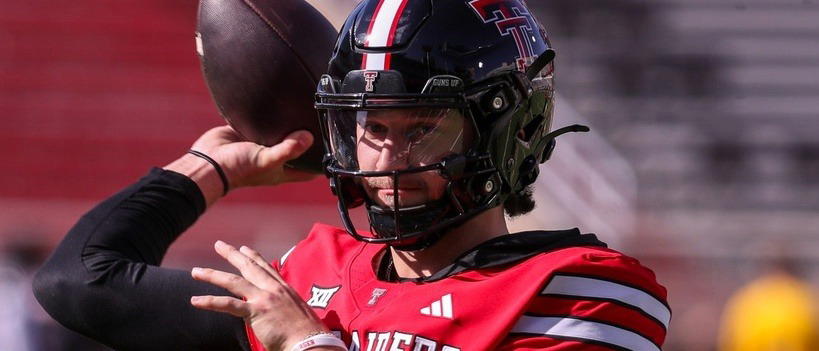
The National Collegiate Athletic Association (NCAA) has taken a significant step in its ongoing battle to maintain the integrity of college sports, filing an accelerated appeal in the Lubbock County, Texas, court system. This move comes in response to a recent ruling by retired Tarrant County Judge Ken Curry, who granted a temporary injunction to Texas Tech Red Raiders’ quarterback Brendan Sorsby, allowing him to continue playing despite admitting to placing over $90,000 in bets on professional and collegiate sports, including his own team. The NCAA’s decision to appeal this ruling has sparked a firestorm across college athletics, with coaches and administrators from the Big 12 Conference weighing in on the issue. As the NCAA works to address the growing concerns surrounding competitive integrity, the Sorsby case has become a focal point in the ongoing debate.
NCAA Appeals Sorsby Ruling: A Closer Look
The NCAA’s decision to appeal the Sorsby ruling has sparked a heated debate about the integrity of college sports. At the heart of the issue is the question of whether a student-athlete who has admitted to placing thousands of dollars in bets on college sports should be allowed to compete. Brendan Sorsby, the Texas Tech quarterback, was granted a temporary injunction by retired Tarrant County Judge Ken Curry, who ruled that Sorsby would suffer “irreparable injury” if he was barred from playing.
The NCAA’s appeal is seen as a crucial step in upholding the organization’s standards for student-athletes. The NCAA has filed an accelerated appeal in Lubbock County, Texas, but a formal ruling may not come in time for the 2026 season. Meanwhile, athletic directors across the Big 12 conference are taking matters into their own hands. Georgia’s deputy AD has issued an internal memo banning future games against the Red Raiders, while Nebraska AD Troy Dannen has confirmed that they will not schedule their conference opponent. The Big Ten is now discussing the possibility of a league-wide scheduling ban, highlighting the growing concern about the integrity of college sports.
The NCAA’s appeal is not just about the Sorsby case; it’s about setting a precedent for the entire college sports landscape. The organization is under pressure to maintain the integrity of the game and ensure that student-athletes are held to high standards. The outcome of the appeal will have far-reaching implications for college sports, and the NCAA’s decision will be closely watched by fans, coaches, and administrators alike.
The Sorsby Ruling: A Blow to College Sports Integrity

The recent decision to reinstate Texas Tech’s Brendan Sorsby has sparked outrage among Big 12 coaches and athletic directors, who are calling it a threat to the competitive integrity of college athletics. The ruling, which granted Sorsby a temporary injunction, has been met with skepticism by many in the college sports community. Despite admitting to placing over $90,000 in bets on professional and college sports, including 40 on his own Indiana Hoosiers team, Sorsby was deemed eligible to play again by a retired Tarrant County Judge.
The NCAA has filed an accelerated appeal in Lubbock County, Texas, but a formal ruling may not come in time for the 2026 season. In the meantime, athletic directors across the Big 12 conference are taking matters into their own hands. Georgia’s deputy AD has issued an internal memo banning future games against the Red Raiders, while Nebraska AD Troy Dannen has confirmed they won’t schedule their conference opponent. The Big Ten is now discussing the possibility of a league-wide scheduling ban, further highlighting the growing concern over the Sorsby ruling.
The decision to reinstate Sorsby has set a precedent that many in college sports fear will have far-reaching consequences. The NCAA’s accelerated appeal is a clear indication that the organization is taking the integrity issue seriously. As the situation continues to unfold, it remains to be seen how the college sports community will respond to the Sorsby ruling and what impact it will have on the integrity of the sport.
NCAA Investigation: A Delve into the Decision-Making Process
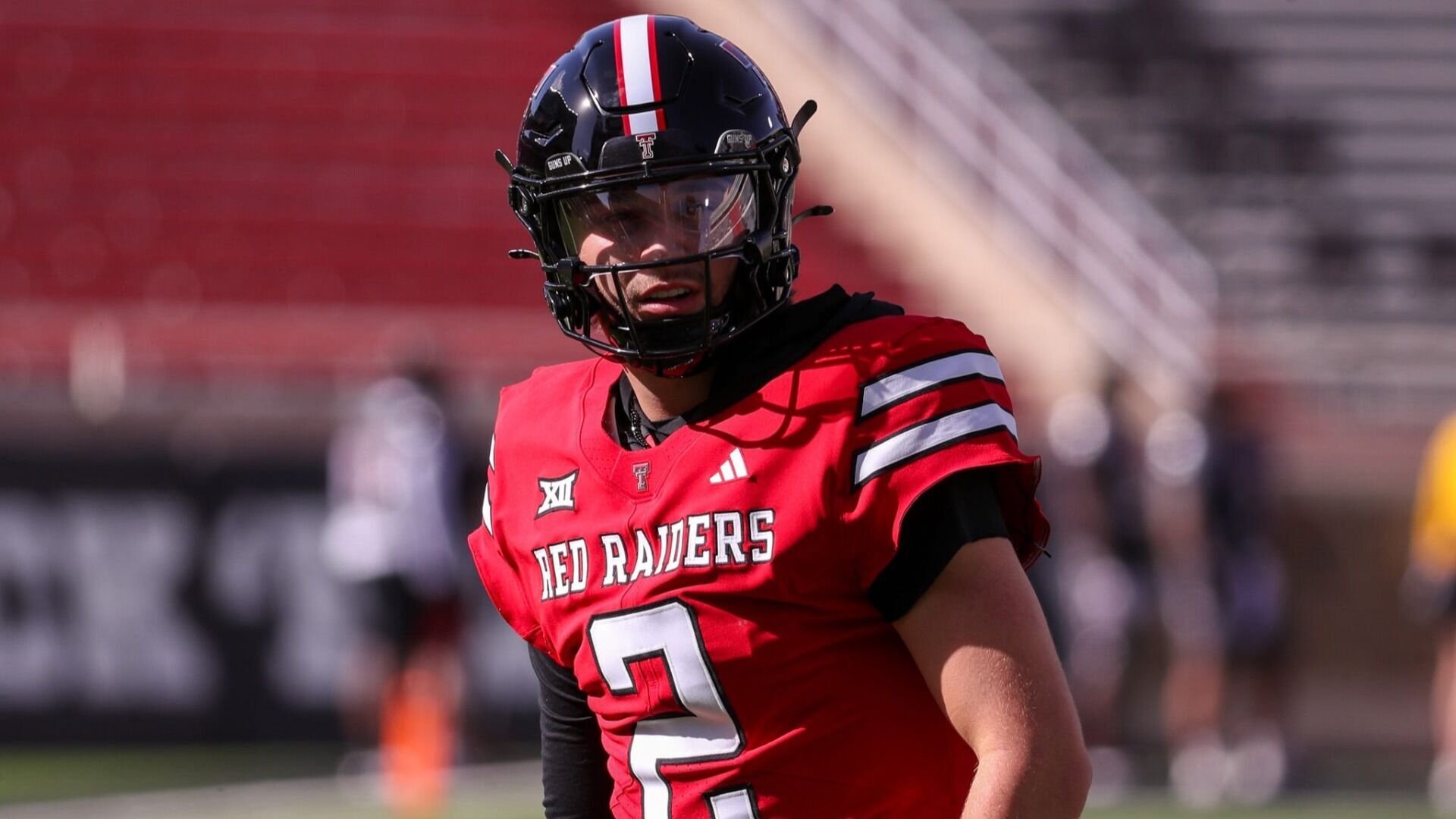
The NCAA’s decision to appeal the Sorsby ruling has sparked a heated debate about the integrity of college sports. At the heart of the issue is the question of whether a student-athlete who has admitted to placing thousands of dollars in bets on college sports should be allowed to continue playing. Brendan Sorsby, the Texas Tech quarterback, admitted to placing over $90,000 in bets, including 40 on his own Indiana Hoosiers team. The NCAA has taken a strong stance against this behavior, arguing that it sets a dangerous precedent for the sport.
The NCAA’s appeal is being seen as a critical step in upholding the integrity of college athletics. The Big 12 conference and other athletic directors across the country are taking matters into their own hands, with some issuing internal memos and scheduling bans. For example, Georgia’s deputy AD has banned future games against Texas Tech, while Nebraska AD Troy Dannen has confirmed they won’t schedule their conference opponent. The Big Ten is also discussing the possibility of a leaguewide scheduling ban. These actions demonstrate the growing concern about the impact of the Sorsby ruling on the integrity of college sports.
The NCAA’s appeal is expected to be a complex and contentious process, with a formal ruling potentially not coming in time for the 2026 season. The accelerated appeal in Lubbock County, Tx., highlights the urgency with which the NCAA is approaching this issue. As the debate continues, one thing is clear: the integrity of college sports is at stake, and the NCAA is taking a strong stance to protect it.
Consequences for College Athletics: A Look Ahead
The NCAA’s decision to appeal the Sorsby ruling has sparked a heated debate about the integrity of college athletics. As the Big 12 conference and other schools weigh in on the issue, the consequences for college sports are becoming increasingly clear. The Big Ten is discussing a league-wide scheduling ban, a move that could have far-reaching implications for the sport. This decision is a response to the NCAA’s handling of the Sorsby case, which has been widely criticized as a threat to competitive integrity.
The internal memo issued by Georgia’s deputy AD banning future games against Texas Tech is just one example of the steps being taken to address the issue. Other schools, including Nebraska, have also announced that they will not schedule games against the Red Raiders. These decisions are a sign that college athletics administrators are taking the integrity issue into their own hands, as they wait for a formal ruling on the NCAA’s appeal. The accelerated appeal process may not yield a decision in time for the 2026 season, leaving the integrity of the sport in limbo.
As the situation continues to unfold, it’s clear that the Sorsby ruling has opened a Pandora’s box of issues related to college sports integrity. The NCAA’s handling of the case has sparked outrage and calls for reform, and it remains to be seen how the sport will recover from this crisis. With the Big Ten’s scheduling ban and other schools taking similar steps, it’s clear that the consequences of the Sorsby ruling will be felt throughout the college sports landscape.
Big 12 Coaches and ADs Weigh in on the Sorsby Ruling
Big 12 coaches and athletic directors are speaking out against the Sorsby ruling, which has sparked a firestorm across college athletics. The decision to reinstate Texas Tech’s Brendan Sorsby, who admitted to placing over $90,000 in bets on professional and college sports, including 40 on his own Indiana Hoosiers team, has been met with widespread criticism. Many see the ruling as a threat to the competitive integrity of college athletics, with some calling it a precedent that no one wants to set in the sport.
In response to the Sorsby ruling, athletic directors across the Big 12 conference are taking matters into their own hands. Georgia’s deputy AD has issued an internal memo banning future games against the Red Raiders, while Nebraska AD Troy Dannen has confirmed they won’t schedule their conference opponent. The Big Ten is now discussing the possibility of a leaguewide scheduling ban, highlighting the growing concern over the integrity of college sports. As the NCAA appeals the Sorsby ruling, it remains to be seen whether the decision will be overturned in time for the 2026 season.
The Sorsby ruling has also sparked outrage among college athletic directors, with some calling it a clear violation of long-held standards. Colorado AD Fernando Lovo has spoken out against the ruling, stating that it is a threat to the integrity of college sports. The Big 12 conference has scheduled a conference call to discuss the issue further, highlighting the growing concern over the Sorsby ruling and its implications for college athletics.
What’s Next for College Sports: A Path Forward
The NCAA’s appeal of the Sorsby ruling has sparked a sense of urgency among college sports administrators, who are grappling with the implications of a potential scheduling ban. The Big Ten is considering a leaguewide scheduling ban, a move that would have significant consequences for the 2026 season. Meanwhile, Georgia’s deputy AD has issued an internal memo banning future games against Texas Tech, while Nebraska AD Troy Dannen has confirmed that his team will not schedule a conference opponent.
As the NCAA appeals the Sorsby ruling, college sports administrators are taking matters into their own hands. The Big 12 conference has scheduled a conference call to discuss the integrity issue, a move that underscores the growing concern about the impact of the Sorsby ruling on the sport. The decision to reinstate Sorsby, despite his admission to placing thousands of dollars in bets on college sports, has been widely criticized as a threat to competitive integrity.
The NCAA’s appeal will likely take several months to resolve, which has created a sense of uncertainty among college sports administrators. A formal ruling may not come in time for the 2026 season, which has led to a flurry of activity among conference administrators. As the situation continues to unfold, one thing is clear: the Sorsby ruling has exposed deep-seated concerns about the integrity of college sports.