









College Athletics Under Scrutiny: The National Collegiate Athletic Association (NCAA) has taken a firm stance on the eligibility of Texas Tech quarterback Brendan Sorsby, a case that has sparked debate in the world of college sports. The NCAA has warned that allowing Sorsby to remain eligible after betting on his own games would set an unprecedented standard, one that could have far-reaching consequences for the integrity of college athletics. The NCAA filed a legal brief in a Texas court on Friday, outlining its opposition to Sorsby’s bid to continue playing. As the NCAA navigates this complex issue, the eyes of the sports world are fixed on the outcome, with implications that extend far beyond the Red Raiders’ football program.
NCAA Issues Clear Verdict on Brendan Sorsby’s Eligibility Status
The NCAA has issued a clear verdict on Brendan Sorsby’s eligibility status, warning that allowing him to continue playing for Texas Tech would set an unprecedented standard that could destabilize college sports. The organization argues that this would be the first time an athlete in a major American sports league was allowed to bet on their own games, and that it could create a precedent for similarly inclined athletes to follow suit. In a recent legal brief, the NCAA emphasized that this would not be a fair outcome for athletes who have already faced consequences for breaking the same rules.
The NCAA’s opposition to Sorsby’s eligibility is centered on the scale of his gambling activities, which involved placing at least 2,900 bets while with the Indiana Hoosiers and at least 165 times while at Cincinnati. The organization argues that this level of betting is unacceptable and that Sorsby’s time in rehab does not negate the fact that he broke the rules with laid-out consequences. The NCAA’s stance is that this could “destabilize” college sports and that an injunction would make it the first time an athlete in a major American sports league was allowed to bet on their own games.
The NCAA’s ruling is a significant blow to Sorsby’s hopes of continuing his college football career. The organization’s clear verdict on his eligibility status highlights the severity of the consequences for breaking the rules surrounding sports gambling by college athletes. The NCAA’s stance on this issue is clear: allowing Sorsby to continue playing would set a precedent that could have far-reaching consequences for college sports.
NCAA’s Ruling and Its Implications for Texas Tech Athletics
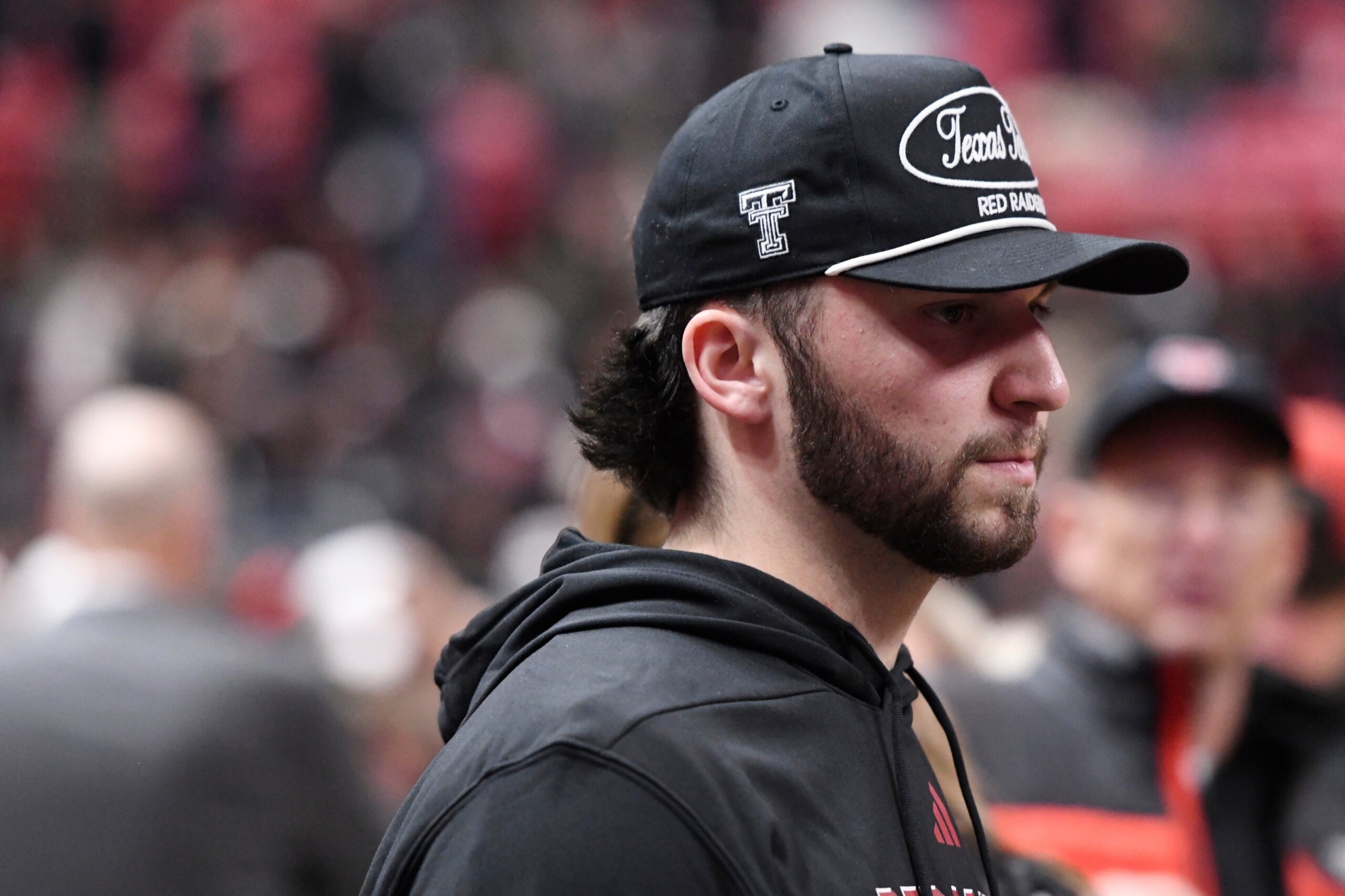
The NCAA has taken a firm stance on the eligibility status of Texas Tech quarterback Brendan Sorsby, warning that allowing him to continue playing would set an unprecedented standard in college sports. In a legal brief filed in Texas court, the NCAA emphasized that permitting a player who has bet on their own games to remain eligible would destabilize the sport and create a slippery slope for other athletes. This, the NCAA argues, would undermine the integrity of college sports and create an uneven playing field for those who have adhered to the rules.
The NCAA’s opposition to Sorsby’s eligibility is rooted in the potential consequences of allowing a player to bet on their own games. The organization warns that this would create a precedent that could encourage other athletes to engage in similar behavior, potentially leading to a culture of disregard for the rules. Furthermore, the NCAA argues that this would be unfair to athletes who have already faced consequences for breaking the same rules. Sorsby’s case is particularly notable, as he has been accused of placing over 2,900 bets while playing for Indiana and Cincinnati, with some of these bets being placed on his own team’s games.
The NCAA’s stance on this issue highlights the organization’s commitment to maintaining the integrity of college sports. By taking a firm stance on Sorsby’s eligibility, the NCAA is sending a clear message that it will not tolerate behavior that undermines the rules and principles of fair play. As the case continues to unfold, it remains to be seen how the NCAA’s ruling will impact the future of college sports and the eligibility status of athletes who engage in similar behavior.
NCAA’s Stance on Eligibility Rules and Enforcement

The NCAA has taken a firm stance on the eligibility of Texas Tech’s Brendan Sorsby, arguing that allowing him to continue playing would set an unprecedented standard in college sports. The governing body has emphasized that its rules surrounding sports gambling by college athletes are clear and straightforward, with a zero-tolerance policy for betting on one’s own games. This would be the first major exception to this rule, and the NCAA warns that it would destabilize college sports and create a precedent that could lead to similar instances of rule-breaking.
The NCAA has outlined its opposition to Sorsby’s eligibility in a legal brief, highlighting the scale of his gambling activities and the potential consequences of allowing him to continue playing. Sorsby has placed at least 2,900 bets while with the Indiana Hoosiers and Cincinnati, with total wagers exceeding $68,000. The NCAA argues that this would not be fair to athletes who have already faced consequences for breaking the same rules. By allowing Sorsby to continue playing, the NCAA fears that it would create a slippery slope, encouraging other athletes to engage in similar behavior.
Reaction from Texas Tech and the College Athletics Community
Texas Tech University has yet to publicly comment on the NCAA’s stance regarding Brendan Sorsby’s eligibility status. However, sources close to the university have expressed concerns over the NCAA’s decision to file a legal brief opposing Sorsby’s injunction. The university’s silence on the matter suggests that they may be weighing their options carefully, taking into account the potential implications of the NCAA’s ruling on their athletic program.
Concerns Over NCAA’s Stance
The NCAA’s warning that allowing Sorsby to remain eligible would set an unprecedented standard has sparked concerns within the college athletics community. Some experts argue that the NCAA’s stance may be overly cautious, while others see it as a necessary measure to maintain the integrity of college sports. The NCAA’s emphasis on the potential destabilizing effects of Sorsby’s eligibility has raised questions about the balance between fairness and the need to uphold rules and regulations.
Implications for College Athletics
The NCAA’s ruling has significant implications for college athletics, particularly with regards to sports governance and eligibility rules. The organization’s decision to file a legal brief opposing Sorsby’s injunction highlights the complexity of the issue and the need for clear guidelines and regulations. As the college athletics community continues to grapple with the implications of Sorsby’s case, it remains to be seen how the NCAA’s ruling will shape the future of college sports.
Next Steps and Potential Consequences for Brendan Sorsby
The NCAA has made it clear that it sees no room for exceptions when it comes to its rules on sports gambling by college athletes. Allowing Brendan Sorsby to remain eligible after betting on his own games would set an unprecedented standard, according to the organization. This would destabilize college sports, the NCAA argues, and create a precedent that could encourage other athletes to engage in similar behavior.
The NCAA has emphasized that its rules are in place to maintain fair play and ensure that athletes do not have an unfair advantage. Allowing Sorsby to remain eligible would undermine this principle and could lead to a slippery slope where other athletes feel emboldened to break the rules. The organization has also pointed out that Sorsby’s time in rehab does not negate the fact that he broke the rules and faces consequences as a result. This is not a case of delayed justice, but rather a clear example of the consequences of violating NCAA rules.
The potential consequences of allowing Sorsby to remain eligible are significant, and the NCAA has made it clear that it will not back down from its stance. The organization has warned that allowing an injunction in this case would create a precedent that could have far-reaching consequences for college sports. The NCAA is committed to upholding its rules and ensuring that athletes are held to the same standards, regardless of their individual circumstances.
NCAA’s Commitment to Ensuring Fair Play and Compliance
The NCAA’s commitment to ensuring fair play and compliance is a cornerstone of its governing structure. To achieve this, the organization has established clear rules surrounding sports gambling by college athletes. Specifically, the NCAA prohibits betting on one’s own games, and this prohibition is not negotiable. The NCAA has warned that allowing an exception to this rule would set an unprecedented standard, which could have far-reaching and destabilizing consequences for college sports.
The NCAA’s opposition to Brendan Sorsby’s eligibility is centered on the fact that he broke the rules with laid-out consequences. Sorsby’s history of placing bets on his own games, including at least 2,900 bets while with the Indiana Hoosiers and 165 times while with Cincinnati, is a clear violation of NCAA rules. The organization argues that this could create a precedent that would encourage similarly inclined athletes to engage in similar behavior, potentially undermining the integrity of college sports.
The NCAA’s stance on this issue is clear: allowing Sorsby to remain eligible would be unfair to athletes who have faced consequences for breaking the same rules. The organization is committed to maintaining a level playing field and ensuring that all athletes are held to the same standards. In this case, the NCAA’s commitment to fair play and compliance means that Sorsby’s eligibility is unlikely to be reinstated.