









Student-Athlete Mental Health Support Under Scrutiny: A high-stakes hearing has taken place in a Lubbock County District Court, shedding light on the complex issues surrounding student-athlete mental health support in college sports. The fate of Texas Tech Red Raiders quarterback Brendan Sorsby now hangs in the balance as his attorneys fight to restore his eligibility for the upcoming 2026 college football season. The hearing, which lasted two hours on Monday, has exposed deep-seated tensions between the National Collegiate Athletic Association (NCAA) and Sorsby’s lawyers over issues including gambling and mental health support. As the NCAA continues to grapple with the consequences of its rules, one thing is clear: the well-being of student-athletes has become a pressing concern in the world of college sports.
NCAA Hearing Highlights Mental Health Concerns in College Sports
The NCAA’s handling of student-athlete mental health has been a pressing concern in recent years, with many institutions struggling to provide adequate support for athletes dealing with anxiety, depression, and other issues. A growing body of research suggests that student-athletes are at a higher risk of developing mental health problems due to the intense pressure to perform and the lack of resources available to them. This is particularly concerning given the fact that many student-athletes are already vulnerable to mental health issues due to their age and stage of development.
The case of Texas Tech quarterback Brendan Sorsby highlights the need for the NCAA to prioritize student-athlete mental health. Sorsby’s attorneys have argued that the NCAA’s decision to permanently ineligibly him due to his gambling issues ignores his underlying mental health struggles. Sorsby has been diagnosed with gambling and anxiety disorders, and has undergone treatment in an inpatient rehab program. By framing his issues as addiction, rather than a mental health problem, the NCAA may be missing an opportunity to provide him with the support he needs to overcome his struggles.
The NCAA’s approach to student-athlete mental health has significant implications for the well-being of athletes across the country. By prioritizing mental health support, the NCAA can help to create a safer and more supportive environment for student-athletes to thrive. This is particularly important given the fact that many student-athletes will go on to become professionals in their sport, and will need to be equipped with the skills and resources to manage their mental health in a high-pressure environment.
NCAA Hearing Drama: Attorneys Clash Over NCAA Rules and Enforcement

The NCAA’s rules and regulations are under scrutiny as attorneys for Texas Tech quarterback Brendan Sorsby clash with the organization over enforcement. Judge Ken Curry is expected to rule within days on Sorsby’s eligibility, a decision that could have significant implications for the upcoming college football season. The NCAA’s stance on the matter is that they considered Sorsby’s mental health but still found him permanently ineligible, arguing that support does not equate to absolving a person of clear consequences for prohibited gambling.
The NCAA’s decision-making process is at the center of the debate, with Sorsby’s attorneys arguing that the organization is setting a precedent by allowing gambling to take place without punishment. A change in their decision would be the first sports league to allow such gambling to take place without punishment, a move that could have far-reaching consequences for the organization and the world of college sports. The NCAA’s rules and regulations are designed to promote fair play and protect the well-being of student-athletes, but the Sorsby case has raised questions about the effectiveness of these measures.
The outcome of the case will have significant implications for the NCAA and its rules, with Judge Ken Curry seeking more documentation ahead of a decision expected within the next few days. The NCAA’s stance on the matter is clear: they believe that their rules and regulations are in place to protect the integrity of the game and the well-being of student-athletes. However, Sorsby’s attorneys argue that the organization is failing to support student-athletes who struggle with addiction and mental health issues. The debate is set to continue as the NCAA and Sorsby’s attorneys await Judge Curry’s decision.
NCAA Rules and Regulations Under Scrutiny: What’s at Stake
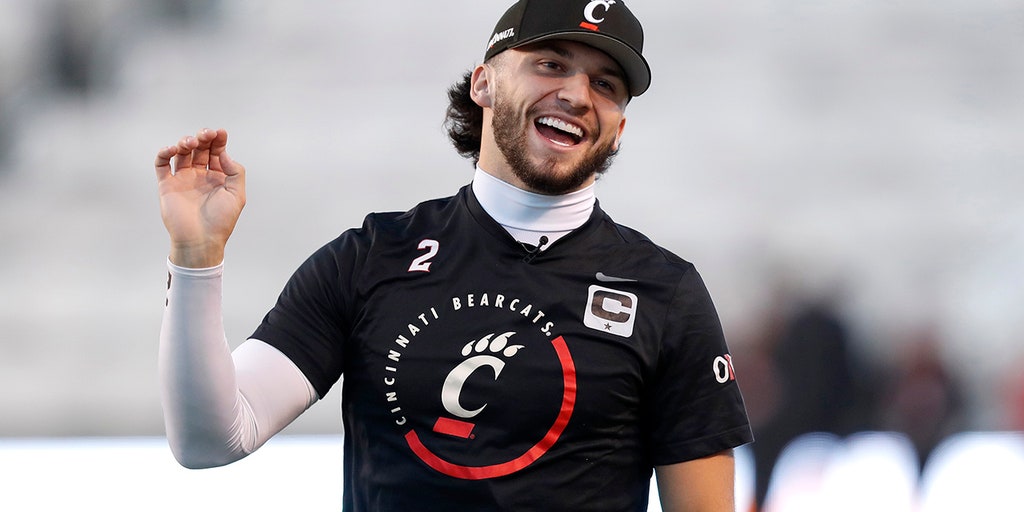
The NCAA’s rules and regulations are at the center of a heated debate, with the organization’s stance on student-athlete eligibility hanging in the balance. A recent hearing highlighted the importance of understanding the nuances of NCAA policies, particularly when it comes to issues of integrity and sportsmanship. The NCAA’s permanent ineligibility of Texas Tech quarterback Brendan Sorsby has sparked a contentious discussion about the organization’s decision-making process.
A critical aspect of this debate is the precedent that a change in the NCAA’s decision-making process would set. If Sorsby’s eligibility is reinstated, it could potentially open the door for other student-athletes to engage in similar behavior without facing consequences. This raises questions about the NCAA’s ability to enforce its rules and maintain a level playing field. The organization’s stance on this issue is clear: support for mental health does not equate to absolving a student-athlete of prohibited gambling.
The implications of this case extend beyond the NCAA’s rules and regulations. It highlights the need for a more comprehensive approach to addressing issues of student-athlete well-being and integrity. As the NCAA continues to navigate this complex issue, it is essential to consider the broader implications for college sports and the student-athletes who participate in them. A ruling in this case is expected within the next few days, with the potential to set a significant precedent for the organization and the sports world at large.
NCAA Hearing Sheds Light on Student-Athlete Gambling and Addiction
The NCAA’s stance on student-athlete gambling has been a contentious issue, with the organization’s decision to permanently bar Texas Tech quarterback Brendan Sorsby from competition sparking a heated debate. At the center of the dispute is the question of whether Sorsby’s actions constitute a punishable offense or a cry for help. Sorsby’s attorneys argue that the NCAA has ignored his well-being and failed to provide adequate support for his addiction and anxiety disorders. They point to his 35-day stint in inpatient rehab as evidence of his commitment to addressing his issues.
The NCAA, however, maintains that its decision to bar Sorsby from competition is not a rejection of his mental health struggles, but rather a recognition that support for student-athletes does not equate to absolving them of responsibility for their actions. The organization argues that its rules are in place to protect the integrity of competition and ensure that student-athletes are held to the same standards as their peers. A change in the NCAA’s decision-making process would set a precedent for other sports leagues to follow, potentially allowing student-athletes to engage in gambling without punishment.
The outcome of this case will have significant implications for the NCAA and the world of college sports. As the organization continues to grapple with the complexities of student-athlete mental health and well-being, the Sorsby case serves as a stark reminder of the need for a more nuanced approach to addressing these issues. With the fate of Sorsby’s eligibility hanging in the balance, the NCAA’s decision will be closely watched by fans, players, and coaches alike.
What’s Next for the NCAA and Student-Athletes: A Call to Action
As the NCAA’s handling of student-athletes’ mental health comes under scrutiny, it is clear that the organization’s approach to supporting student-athletes’ well-being is a pressing concern. The case of Brendan Sorsby, the Texas Tech quarterback, highlights the need for a more comprehensive support system for student-athletes struggling with mental health issues. Sorsby’s attorneys argue that the NCAA has ignored his well-being, framing his issues as mental health and addiction rather than providing support. This raises important questions about the NCAA’s role in promoting student-athletes’ mental health and well-being.
The NCAA’s response to Sorsby’s situation underscores the need for a more nuanced approach to addressing mental health concerns in college sports. While the organization argues that support does not equate to absolving a person of consequences for prohibited gambling, it is clear that student-athletes require a more comprehensive support system to address their mental health needs. By prioritizing student-athletes’ well-being, the NCAA can promote a healthier and more supportive environment for athletes to thrive.
As the NCAA moves forward, it is essential that the organization takes a proactive approach to addressing mental health concerns and promoting student-athletes’ well-being. This may involve establishing more robust support systems, providing resources for student-athletes struggling with mental health issues, and fostering a culture of openness and understanding. By taking these steps, the NCAA can help ensure that student-athletes receive the support they need to succeed both on and off the field.
Expert Analysis: NCAA Hearing Reflects Broader Issues in College Sports
The NCAA hearing highlights a broader issue in college sports: the need for better support systems for student-athletes’ mental health. The well-being of student-athletes has been a growing concern in recent years, with many institutions struggling to provide adequate resources for their athletes. The hearing underscores the importance of prioritizing mental health and providing support for athletes who may be struggling with addiction or other issues.
The NCAA’s approach to mental health is a critical aspect of its decision-making process. The organization’s focus on supporting student-athletes’ mental health is a positive step, but it also raises questions about how this support is implemented in practice. The hearing highlights the need for clearer guidelines and more effective support systems for athletes who may be struggling with addiction or other issues.
The NCAA’s approach to mental health is also closely tied to its broader mission of promoting student-athlete success. By prioritizing mental health and providing support for athletes who may be struggling, the NCAA can help create a more positive and supportive environment for student-athletes. This, in turn, can have a positive impact on their overall well-being and success both on and off the field.