

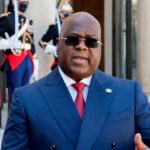




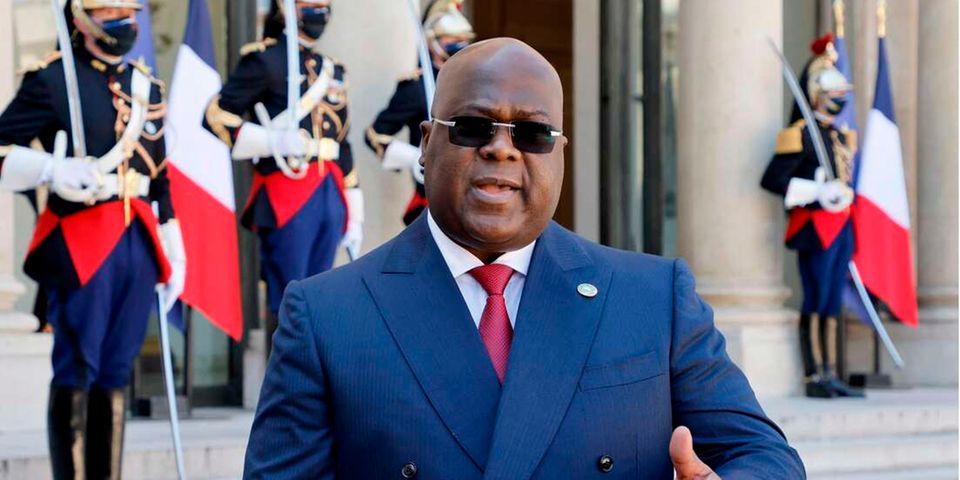
In a move that has sent shockwaves through the African politics landscape, the Democratic Republic of Congo’s Senate has taken a significant step towards potentially paving the way for President Felix Tshisekedi’s third term in office. On Monday, 89 senators voted in favour of adopting a bill to change the constitution, with 20 senators abstaining. The bill, which must still be signed into law by President Tshisekedi, aims to allow for a referendum on a new constitution that would enable the President to serve a third term as if it were his first. This development comes just days after a protest against the bill turned violent in the capital Kinshasa, highlighting the deep divisions within the country. The Democratic Republic of Congo’s Senate has effectively cleared the way for a potential constitutional amendment that could have far-reaching implications for the country’s future.
Congo Senate Votes in Favor of Bill to Amend Presidential Term Limits
The Democratic Republic of Congo’s Senate has taken a significant step towards amending the country’s constitution, with 89 senators voting in favor of a bill that could pave the way for President Felix Tshisekedi’s third term in office. The vote, which took place on Monday, saw all 89 senators who participated support the bill, while 20 senators chose not to take part in the vote. The bill must now be signed into law by Tshisekedi, a move that could potentially allow him to serve a third term as president.
The bill’s passage through the Senate comes despite opposition from some senators, who have expressed concerns about the potential implications of the bill. Opposition Senator Salomon Kalonda Della Idi described the bill as a move that could “permanently Balkanise the country,” highlighting the deep-seated divisions that exist within the country’s political landscape. The bill’s approval by the Senate is a significant development, as it brings the country one step closer to potentially amending its constitution and allowing Tshisekedi to serve a third term in office.
The bill’s passage through the Senate is a crucial step towards its eventual approval, but it is not the final hurdle. The bill must now be signed into law by Tshisekedi, a move that could potentially allow him to serve a third term as president. The country’s next presidential election is scheduled for 2028, and the bill’s passage could potentially pave the way for Tshisekedi to seek re-election. The bill’s approval by the Senate has been met with widespread criticism from opposition parties and civil society groups, who have vowed to challenge the bill in court and through protests.
Bill’s Passage Paves Way for Tshisekedi’s Potential Third Term in Office
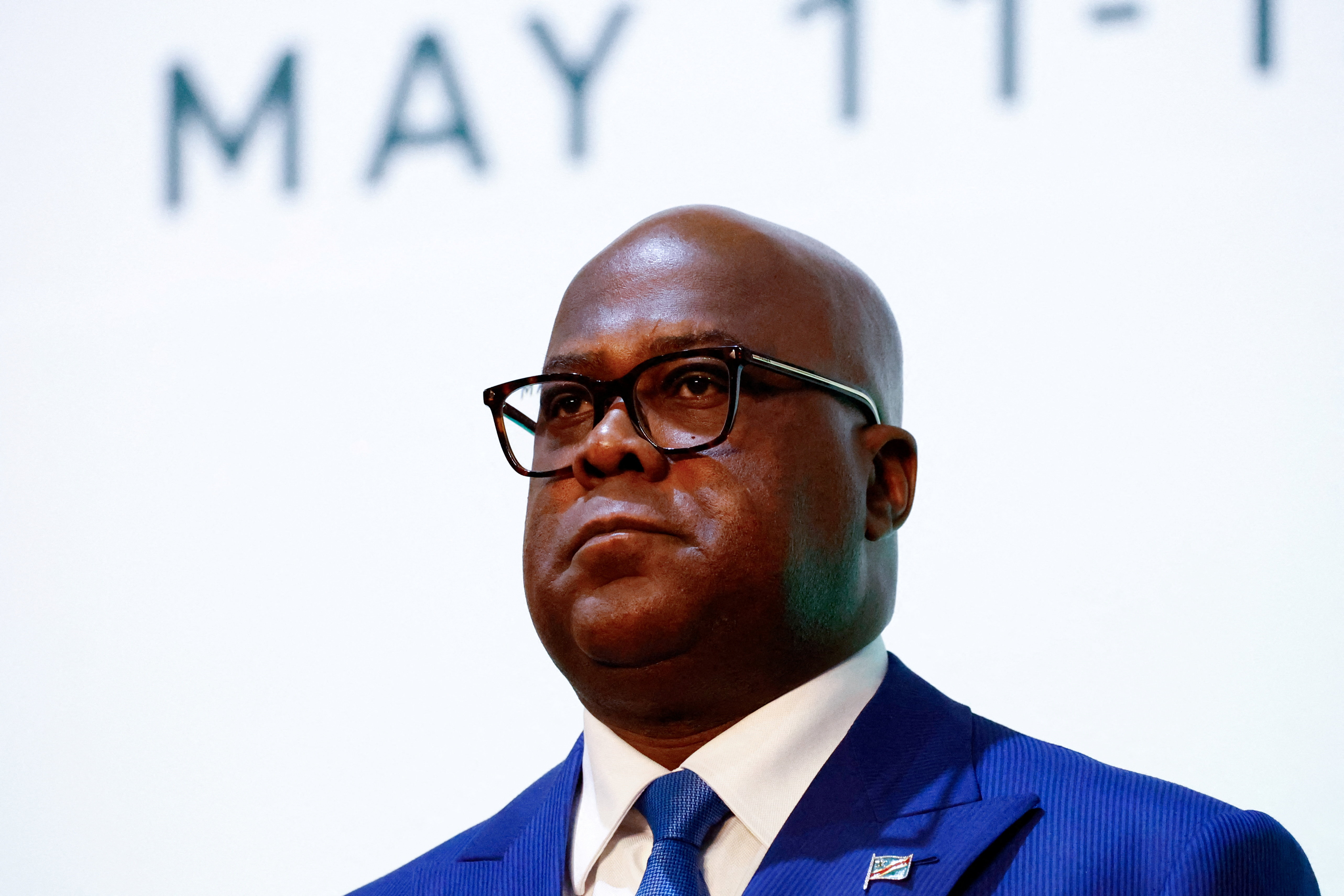
The passage of the bill in the Congo Senate has significant implications for President Felix Tshisekedi’s presidency, potentially paving the way for a third term in office. The bill, which was adopted by an overwhelming majority of 89 senators, would allow Tshisekedi to serve a third term as if it were his first, effectively bypassing the country’s presidential term limits. This development has sparked concerns about the potential erosion of democratic institutions in the Democratic Republic of Congo.
The bill’s passage is seen as a major victory for Tshisekedi, who is currently serving his second and final term. However, the move has been met with opposition from various quarters, with some critics warning that it could have far-reaching consequences for the country’s politics. The bill must still be signed into law by Tshisekedi, a move that could further cement his grip on power. The opposition has vowed to challenge the bill in court and through protests, highlighting the deep divisions within the country’s political landscape.
The implications of the bill’s passage extend beyond Tshisekedi’s presidency, with potential consequences for the country’s democratic institutions and regional politics. Congo’s next presidential election is scheduled for 2028, but the bill’s passage has raised questions about the legitimacy of the electoral process. As the country navigates this complex and contentious issue, regional and international organizations will be closely watching the developments, with some already expressing concerns about the potential impact on regional stability.
Regional and International Reactions to the Senate’s Decision

The Democratic Republic of Congo’s Senate decision to adopt a bill that could pave the way for President Felix Tshisekedi’s third term has sparked concern from neighboring countries and international organizations. The African Union, which has been a key player in promoting democratic governance in the region, has yet to issue a formal statement on the matter. However, sources close to the organization indicate that AU officials are closely monitoring the situation and may issue a statement in the coming days.
Regional leaders, including those from countries such as Rwanda, Uganda, and Tanzania, have expressed concerns about the implications of the bill on regional stability and democracy. Rwanda’s President Paul Kagame has been a vocal critic of the bill, stating that it could undermine the region’s commitment to democratic principles. The international community, including the European Union and the United States, has also expressed concerns about the potential impact of the bill on Congo’s democratic institutions and regional stability.
The United Nations has called for calm and restraint in the wake of the Senate’s decision, emphasizing the importance of respecting the country’s constitutional framework and democratic processes. As the situation continues to unfold, international organizations and regional leaders will be closely watching the developments in Congo to ensure that the country’s democratic institutions are respected and protected.
Opposition Parties and Civil Society Groups Vow to Challenge the Bill
Opposition parties and civil society groups in the Democratic Republic of Congo have vowed to challenge the bill adopted by the Senate that could pave the way for President Felix Tshisekedi’s third term in office. The bill, which was approved by 89 senators, must still be signed into law by Tshisekedi, but opposition leaders are already planning their next move.
Opposition Senator Salomon Kalonda Della Idi has described the bill as a threat to the country’s unity, saying it could “permanently Balkanise the country”. Kalonda Della Idi’s statement is a reflection of the widespread concerns among opposition groups and civil society organizations that the bill is a power grab by Tshisekedi. The opposition has also vowed to take their protests to the streets, with local residents telling Reuters that a recent protest against the bill turned violent when security forces fired tear gas and live ammunition to disperse demonstrators.
The opposition is likely to challenge the bill in court, with some already claiming that the bill is unconstitutional. Delly Sesanga, an opposition leader, was reportedly shot in the leg during a protest against the bill, further fueling the opposition’s determination to challenge the bill. The opposition’s plans to challenge the bill in court and through protests are a testament to their commitment to upholding the country’s democratic institutions and preventing what they see as a power grab by Tshisekedi.
What’s Next for Tshisekedi and the Democratic Republic of Congo?
The Democratic Republic of Congo is now on the cusp of a significant shift in its politics, following the Congo Senate’s adoption of a bill that could pave the way for President Felix Tshisekedi’s third term in office. With the bill now in the hands of Tshisekedi himself, who must sign it into law, the stage is set for a potentially contentious and far-reaching change to the country’s constitution. The implications of this move are far-reaching, with the potential to impact not just the country’s future, but also the region’s politics.
The bill’s passage through the Senate, with all 89 participating senators voting in favor, marks a significant milestone in the push to amend the country’s presidential term limits. The proposed changes would allow Tshisekedi to serve a third term as president, potentially altering the country’s democratic trajectory. The opposition has already spoken out against the bill, with Senator Salomon Kalonda Della Idi warning that it could “permanently Balkanise the country”. The bill’s fate now rests with Tshisekedi, who must decide whether to sign it into law and potentially cement his own position in power.
The regional implications of this move are significant, with neighboring countries and international organizations likely to take a keen interest in the outcome. The African Union, in particular, has a vested interest in the stability and democratic development of the Democratic Republic of Congo. As the country teeters on the brink of a potentially significant shift, the eyes of the international community will be fixed on Kinshasa, waiting to see what the future holds for the country and its leader.
Experts Weigh in on the Bill’s Potential Impact on Congo’s Democracy
The adoption of the bill by the Congo Senate has sent shockwaves through the country’s democratic institutions. Experts warn that the bill’s passage could have far-reaching implications for the country’s future, potentially undermining the principles of democratic governance. The bill’s provision to allow a third term in office for President Felix Tshisekedi could set a dangerous precedent, eroding the checks and balances that are essential to a healthy democracy.
Many experts believe that the bill’s passage is a threat to Congo’s democratic institutions, particularly the separation of powers. The fact that the bill was adopted with a unanimous vote from the Senate, with all 89 participating senators voting in favor, raises concerns about the independence of the legislative branch. This could have serious implications for the country’s future, potentially leading to a concentration of power in the executive branch and undermining the rule of law.
The bill’s passage also raises questions about the country’s commitment to democratic principles. Congo’s next presidential election is scheduled for 2028, but the bill’s provision to allow a third term in office for President Tshisekedi could potentially disrupt the electoral process. Experts warn that the bill’s passage could lead to a crisis of legitimacy, potentially destabilizing the country and undermining the rule of law.