








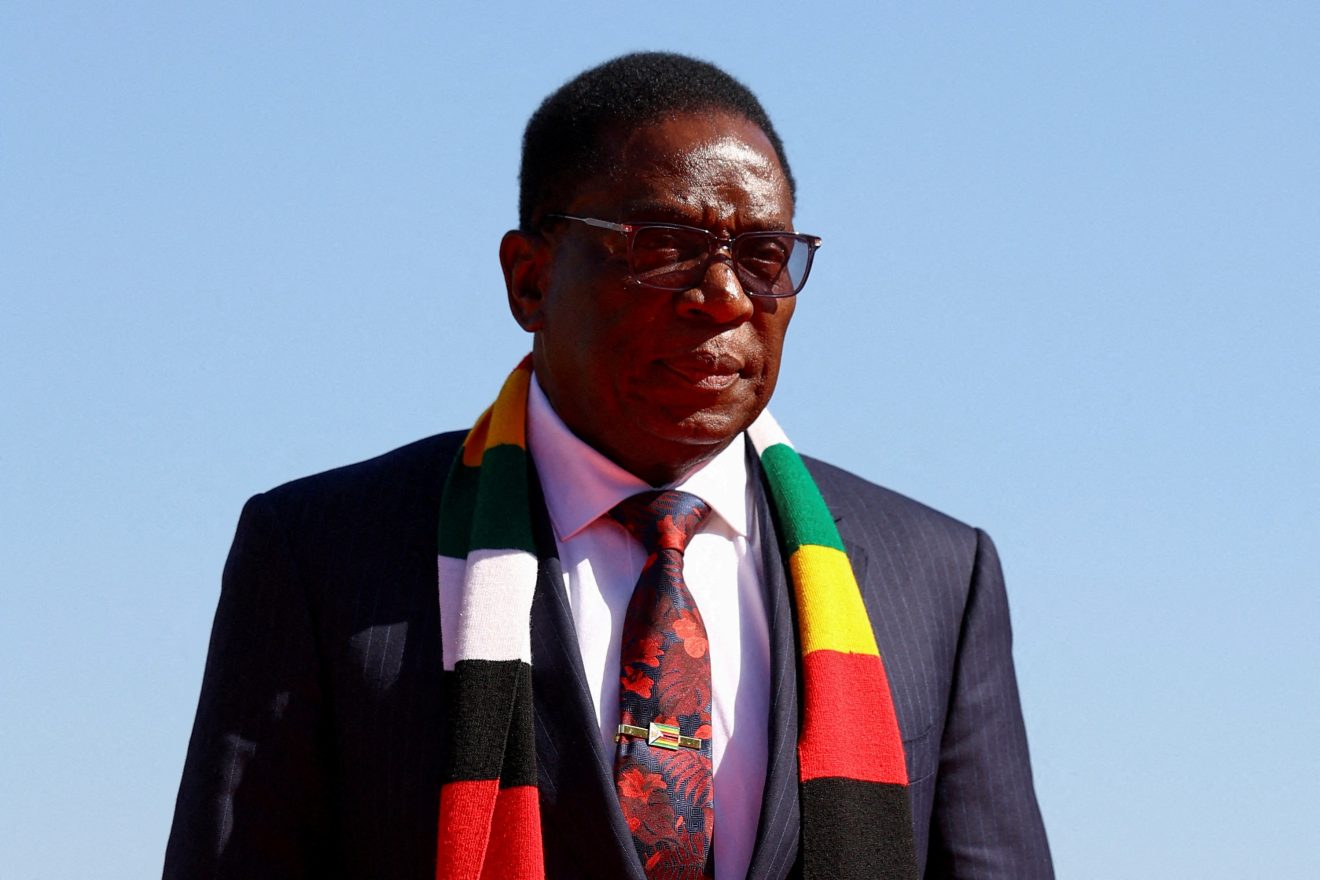
In a move that has sent shockwaves through the African nation, Zimbabwe’s lower house of parliament has passed a bill to extend presidential terms from five to seven years. On Thursday, 216 lawmakers voted in favour of the legislation, surpassing the two-thirds majority required for its passage. The bill, which would allow President Emmerson Mnangagwa to remain in power until 2030, is now set to move to the upper house of parliament, where it is expected to sail through with ease. The move has sparked concerns about the country’s democratic trajectory, with the opposition and human rights groups already sounding the alarm. This significant development marks a pivotal moment in Zimbabwe’s politics, with far-reaching implications for the country’s future.
Zimbabwe Lawmakers Approve Bill to Extend President’s Rule
Zimbabwe’s lower house of parliament has passed a bill to extend presidential terms from five to seven years, a move that would allow President Emmerson Mnangagwa to remain in power until 2030. The bill, which was approved by 216 lawmakers, requires a two-thirds majority to pass. With 216 lawmakers voting in favour, the bill has surpassed the 187 mark needed to secure a two-thirds majority.
The bill now moves to the upper house of parliament, where it is expected to sail through given the governing ZANU-PF party’s control through traditional leaders and other proxies. Critics have argued that the bill is a ruse for Mnangagwa to stay in power for longer, while its backers claim it will strengthen accountability and foster political stability. The bill’s backers point to the need for a longer term to allow the president to complete his agenda, a sentiment that has been echoed by Mnangagwa’s supporters since 2024.
The bill’s passage marks a significant development in Zimbabwe’s governance landscape, with some activists and veterans of the country’s liberation war launching court challenges against the plan to extend Mnangagwa’s time as head of state. However, these challenges have been struck off the court roll, paving the way for the bill to become law.
The Implications of Extending the President’s Term in Office

The proposed legislation in Zimbabwe has significant implications for the country’s governance and political stability. If passed, the bill would extend the presidential term from five to seven years, allowing President Emmerson Mnangagwa to remain in power until 2030. This move has sparked concerns among critics who argue that it is a ruse for Mnangagwa to stay in power for longer.
The potential consequences of extending the president’s term are far-reaching. A longer presidential term could lead to a concentration of power, undermining the checks and balances that are essential for a healthy democracy. This could also have a chilling effect on opposition voices and civil society, as those who dare to speak out against the government may face increased repression. Furthermore, a prolonged presidency could lead to a lack of accountability, as the president may feel less pressure to deliver on their promises and more inclined to prioritize their own interests.
The bill’s backers argue that it will strengthen accountability and foster political stability. However, this claim is disputed by many who point to the president’s track record of suppressing dissent and cracking down on opposition. The fact that Mnangagwa’s governing party, ZANU-PF, controls the upper house of parliament through traditional leaders and proxies adds to the concerns about the bill’s legitimacy. The implications of extending the president’s term in office are complex and multifaceted, and it remains to be seen how this move will play out in the coming months.
Zimbabweans React to the Bill: Protests and Public Opinion

As the news of the bill extending the president’s term in power spreads, Zimbabweans are taking to the streets to express their discontent. Protests have erupted in various parts of the country, with demonstrators chanting slogans and waving placards. The opposition has been vocal in its criticism of the bill, labeling it a ploy by President Emmerson Mnangagwa to cling to power.
The Zimbabwean people are not buying the government’s argument that the bill will strengthen accountability and foster political stability. Many see it as a thinly veiled attempt to extend Mnangagwa’s rule beyond the end of his second term in 2028. The president’s supporters have been chanting slogans at ZANU-PF rallies, calling for him to stay in power for longer to complete his agenda. However, critics argue that this is a clear indication of Mnangagwa’s desire to remain in power for as long as possible.
The opposition has vowed to continue fighting the bill, with some activists and veterans of the country’s liberation war launching court challenges against the plan to extend Mnangagwa’s time as head of state. However, their efforts have been met with resistance, with some court challenges being struck off the court roll. As the situation continues to unfold, it remains to be seen how the Zimbabwean people will respond to the bill and what the consequences will be for the country’s governance.
What’s Next for Zimbabwe’s President and the Bill
The bill to extend presidential terms in Zimbabwe from five to seven years has now passed the lower house of parliament, with 216 lawmakers voting in favour of the draft legislation. This move is seen as a significant step towards allowing President Emmerson Mnangagwa to remain in power until 2030. The bill will now move to the upper house of parliament, where it is expected to sail through due to the governing ZANU-PF party’s control.
The bill’s passage has been met with criticism from some quarters, with critics arguing that it is a ruse for Mnangagwa to stay in power for longer. However, backers of the bill claim that it will strengthen accountability and foster political stability. The bill’s backers argue that the longer term will give the president more time to complete his agenda and implement policies that will benefit the country.
The bill’s next step is to be debated and voted on in the upper house of parliament. If it is passed, it will then be sent to the president for signature. Once signed into law, the bill will come into effect, extending the presidential term from five to seven years. This will have significant implications for Zimbabwe’s politics and governance, and will likely be closely watched by regional and international observers. The bill’s passage is seen as a major step towards cementing Mnangagwa’s grip on power, and will likely have far-reaching consequences for the country’s politics and governance.
Regional and International Reactions to the Bill
Regional and International Reactions to the Bill
The international community has begun to weigh in on Zimbabwe’s move to extend the president’s term in power. The African Union, a regional bloc that aims to promote economic and political integration among its member states, has not publicly commented on the bill. However, some analysts believe that the AU’s silence may be a sign of concern, given the potential implications for democratic governance in the region.
The European Union has expressed reservations about the bill, citing concerns over the erosion of democratic institutions and the rule of law in Zimbabwe. In a statement, the EU noted that the extension of presidential terms could undermine the country’s transition to a more democratic and stable system of government. The EU has also called on Zimbabwe’s government to engage in a more inclusive and transparent process of constitutional reform.
Meanwhile, neighboring countries in the Southern African Development Community (SADC) have also been watching the developments in Zimbabwe with interest. While some SADC member states have historically been critical of Zimbabwe’s human rights record and electoral practices, others have been more muted in their response to the bill. As the bill moves forward, it remains to be seen how SADC and other regional actors will respond to Zimbabwe’s efforts to extend the president’s term in power.
Historical Context: Zimbabwe’s Governance and Presidential Terms
Zimbabwe’s governance structure has undergone significant changes since the country gained independence in 1980. Robert Mugabe, who ruled for nearly four decades, was the country’s first president. He was succeeded by Emmerson Mnangagwa, one of his closest lieutenants, after a 2017 military coup. Mnangagwa’s rise to power marked a significant shift in the country’s leadership, with many seeing him as a more pragmatic leader compared to his predecessor.
Mnangagwa’s presidency has been marked by efforts to strengthen the country’s economy and improve its international relations. However, his desire to extend his time in power has raised concerns among critics, who see it as an attempt to consolidate his grip on power. The proposed legislation, which would extend presidential terms from five to seven years, has been met with opposition from activists and veterans of the country’s liberation war. The bill’s backers argue that it will strengthen accountability and foster political stability, but its critics see it as a ruse for Mnangagwa to stay in power for longer.
Zimbabwe’s governance structure has been shaped by its history, with the country’s liberation war playing a significant role in shaping its politics. The country’s constitution, which was adopted in 2013, sets out the framework for the country’s governance. However, the proposed legislation seeks to amend the constitution, which has raised concerns about the country’s democratic credentials. The bill’s passage through parliament has been swift, with the lower house voting in favor of the legislation, but its fate remains uncertain as it moves to the upper house.