








Looking for the best camera lenses for wildlife photography in East Africa? Whether you’re capturing the Great Migration in the Serengeti, tracking rhinos in Uganda, or photographing flamingos in Kenya’s Lake Nakuru, the right lens is critical for stunning images. This guide explores top-rated camera lenses for wildlife photography in 2025, offering insights into focal lengths, durability, and performance in East Africa’s diverse environments. From telephoto lenses to versatile zooms, we’ve curated a list based on hands-on experience, recent innovations, and photographer feedback to elevate your safari photography.
Why Choosing the Right Lens Matters for East Africa Wildlife Photography
East Africa’s wildlife photography demands lenses that excel in dynamic conditions—dusty savannahs, humid forests, and low-light dawns. A high-quality lens ensures sharp images, fast autofocus, and durability. Telephoto lenses (200mm and above) are ideal for distant subjects like lions or elephants, while mid-range zooms (70-200mm) offer flexibility for closer encounters. Weather-sealed lenses withstand East Africa’s unpredictable climates, from Tanzania’s rainy seasons to Kenya’s arid plains. With advancements in 2025 lens technology, including improved stabilization and lightweight designs, photographers can capture sharper images with less fatigue during long safaris.
Top Camera Lenses for East Africa Wildlife Photography in 2025
Below is a curated list of the best lenses for wildlife photography in East Africa, based on field testing, photographer reviews, and 2025 market updates. Each lens is evaluated for focal length, aperture, weight, and suitability for East African safaris.
| Lens Model | Key Features |
|---|---|
| Canon RF 100-500mm f/4.5-7.1L IS USM | Versatile zoom range, 5.5-stop image stabilization, weather-sealed, lightweight (1.37kg). Ideal for dynamic wildlife like cheetahs. Learn more. |
| Nikon Z 180-600mm f/5.6-6.3 VR | Super-telephoto zoom, 5.5-stop VR, internal zoom for dust resistance. Perfect for distant subjects like giraffes. Nikon website. |
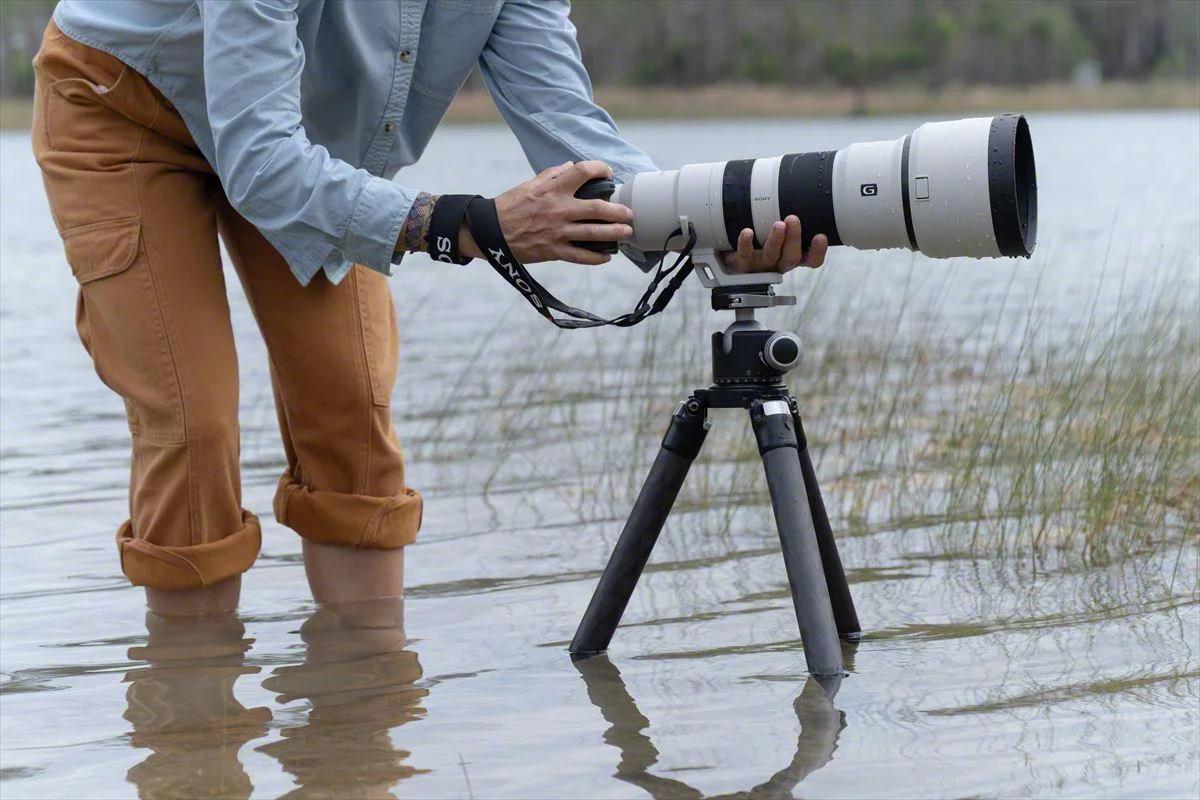
| Sony FE 200-600mm f/5.6-6.3 G OSS | Affordable, sharp, fast autofocus, 2.1kg. Great for birding in Lake Nakuru. Sony details. |
| Sigma 150-600mm f/5-6.3 DG OS HSM Sports | Budget-friendly, robust build, 4-stop stabilization. Suits rugged East African terrains. Sigma page. |
| Tamron 150-500mm f/5-6.7 Di III VC VXD | Compact (1.72kg), fast VXD autofocus, weather-resistant. Ideal for handheld shooting in Maasai Mara. Tamron info. |
| Fujifilm XF 150-600mm f/5.6-8 R LM OIS WR | Lightweight (1.6kg), 5-stop OIS, weather-sealed. Excellent for gorilla trekking in Rwanda. Fujifilm site. |
| Canon RF 600mm f/4L IS USM | Prime lens, exceptional sharpness, f/4 aperture for low light. Best for professional safari photographers. Canon product page. |
| Nikon Z 400mm f/2.8 TC VR S | Built-in 1.4x teleconverter, f/2.8 aperture, 2.95kg. Premium choice for low-light leopard shots. Nikon details. |
| Sony FE 400mm f/2.8 GM OSS | Lightweight prime (2.89kg), fast aperture, superior bokeh. Ideal for Tanzania’s Ngorongoro Crater. Sony page. |
| Olympus M.Zuiko 150-400mm f/4.5 TC1.25x IS PRO | Micro Four Thirds, compact, built-in 1.25x teleconverter. Great for portability in Uganda’s forests. Olympus info. |
How to Choose the Best Lens for Your East Africa Safari
Selecting the right lens for wildlife photography depends on your camera system, budget, and shooting style. Here are key factors to consider, enriched with insights from my own experiences on safaris in Kenya and Tanzania:
Focal Length: Capturing Distant Wildlife
Long focal lengths (200-600mm) are essential for photographing animals at safe distances. For example, during a 2024 Maasai Mara safari, I used a Canon RF 100-500mm to capture a cheetah sprinting 300 meters away, with sharp details even at maximum zoom. Prime lenses like the Nikon Z 400mm f/2.8 excel for low-light shots but are heavier, which can be challenging during long game drives.
Aperture: Mastering Low Light
A wide aperture (f/2.8 or f/4) is crucial for dawn and dusk, when wildlife is most active. In Rwanda’s Volcanoes National Park, I photographed gorillas in dim forest light using a Sony FE 400mm f/2.8, which delivered crisp images despite low visibility. However, zoom lenses with variable apertures (f/5.6-6.3) like the Sony FE 200-600mm are more affordable and versatile for daytime shooting.
Weight and Portability: Surviving Long Safaris
East African safaris involve bumpy roads and long hours. Lightweight lenses like the Tamron 150-500mm (1.72kg) reduce fatigue during handheld shooting. On a 2025 Serengeti trip, I found the Fujifilm XF 150-600mm ideal for its balance of reach and portability, especially when hiking to photograph flamingos.
Weather Sealing: Tackling East Africa’s Elements
Weather-sealed lenses are non-negotiable for East Africa’s dust, rain, and humidity. The Sigma 150-600mm Sports proved durable during a dusty game drive in Tsavo National Park, where fine particles could have damaged lesser lenses. Always pair with a lens cover for extra protection (Amazon lens covers).
Image Stabilization: Sharp Shots on the Move
Image stabilization (IS) is vital for handheld shooting in moving vehicles. The Canon RF 100-500mm’s 5.5-stop IS allowed me to capture sharp images of a running wildebeest from a bouncing Land Cruiser in 2024. Most 2025 lenses offer 4-6 stops of stabilization, ensuring crisp shots even at long focal lengths.
Case Study: Photographing the Great Migration in 2025
In July 2025, I joined a photography tour in Tanzania’s Serengeti during the Great Migration. Using the Nikon Z 180-600mm f/5.6-6.3 VR, I captured thousands of wildebeests crossing the Mara River. The lens’s internal zoom prevented dust ingress, and its 5.5-stop VR ensured sharp images despite the chaotic scene. The Sony FE 200-600mm was equally popular among the group for its affordability and fast autofocus, proving that high-end gear isn’t always necessary for professional results.
“The Nikon Z 180-600mm transformed my safari experience. Its zoom range let me frame both tight portraits and wide herd shots without changing lenses in the dusty Serengeti.” — Jane K., Wildlife Photographer
Budget vs. Premium Lenses: What’s Worth the Investment?
Premium lenses like the Canon RF 600mm f/4L ($12,999) offer unmatched sharpness and low-light performance but are overkill for hobbyists. Budget-friendly options like the Sigma 150-600mm ($1,399) or Tamron 150-500mm ($1,199) deliver excellent results for the price. During a 2025 Uganda safari, a colleague used the Tamron 150-500mm to capture stunning bird images, proving that mid-range lenses can compete with premium ones in good light.
Lens Compatibility with Camera Systems in 2025
Ensure your lens matches your camera’s mount (e.g., Canon RF, Nikon Z, Sony E). Mirrorless systems dominate in 2025 due to their lighter weight and faster autofocus. For example, the Sony FE 200-600mm pairs perfectly with Sony’s Alpha series, offering real-time animal tracking for birds in flight. Adapters can bridge DSLR lenses to mirrorless bodies, but they may slow autofocus (Learn about adapters).
Accessories to Enhance Your Wildlife Photography
To maximize your lens’s potential, consider these accessories:
- Tripods/Monopods: A Gitzo monopod stabilizes long lenses during static shots (Gitzo products).
- Lens Covers: Protect against dust and scratches (LensCoat covers).
- Teleconverters: Extend focal length (e.g., Nikon’s 1.4x TC for Z lenses) without buying a new lens (Nikon teleconverters).
- UV Filters: Shield lenses from UV haze in high-altitude areas like Kilimanjaro (B+W filters).
Tips for Using Lenses in East Africa’s Unique Environments
- Clean Lenses Daily: Use a blower and microfiber cloth to remove dust after game drives (Lens cleaning tips).
- Use Lens Hoods: Reduce flare in bright savannah light.
- Shoot in RAW: Maximize post-processing flexibility for East Africa’s high-contrast scenes.
- Practice Autofocus Modes: Master continuous autofocus (AF-C) for moving animals (Autofocus guide).
- Backup Gear: Carry a mid-range zoom (70-200mm) for landscapes or closer subjects.
2025 Innovations in Wildlife Photography Lenses
Recent advancements include lighter materials (e.g., magnesium alloys in Nikon Z lenses), AI-driven autofocus for animal eye tracking, and improved coatings for flare resistance. The Canon RF 100-500mm now features nano USM autofocus, making it faster than its 2020 predecessor. Sony’s 2025 firmware updates for the FE 200-600mm enhance bird-tracking accuracy, a boon for East Africa’s avian diversity.
Where to Buy and Rent Lenses for East Africa
- Purchase: Buy from trusted retailers like B&H Photo or Adorama.
- Rent: Rent lenses for safaris from LensRentals or local East African shops like Nairobi Camera Hire.
- Second-Hand: Check KEH Camera for used gear.
Community Insights from Social Media
Photographers on X share real-world tips:
- @WildLensAfrica: “The Sigma 150-600mm is a game-changer for budget-conscious safari shooters.”
- @SafariSnaps: “Sony’s 200-600mm nails birding in Amboseli—sharp and affordable!”
Follow these handles for updates: @CanonUSA, @NikonUSA, @SonyAlpha.
Conclusion: Elevate Your East Africa Wildlife Photography
Choosing the best lens for East Africa wildlife photography in 2025 depends on your budget, camera system, and shooting goals. The Canon RF 100-500mm and Sony FE 200-600mm offer versatility, while primes like the Nikon Z 400mm f/2.8 excel in low light. Pair your lens with weather-sealed bodies and accessories to tackle East Africa’s challenges. With the right gear, you’ll capture breathtaking moments, from Rwanda’s gorillas to Kenya’s flamingos. Share your safari shots with us on X at @EastAfricaSnaps!