








Russia-Ukraine Conflict Escalates as Kenya Becomes Unlikely Battleground. In a sudden and unexpected shift, Russia has agreed to halt the deployment of Kenyan fighters to Ukraine, according to Musalia Mudavadi, a high-ranking official. The decision comes as reports emerge of approximately 1,000 Kenyans being recruited to fight in Ukraine, many of whom claim they were lured under false pretenses. The move marks a significant development in the ongoing Russia-Ukraine conflict, which has seen global attention and diplomatic efforts intensify in recent months. As the situation continues to unfold, the implications of this decision remain unclear, with many questions surrounding the fate of the Kenyan mercenaries and the future of the conflict.
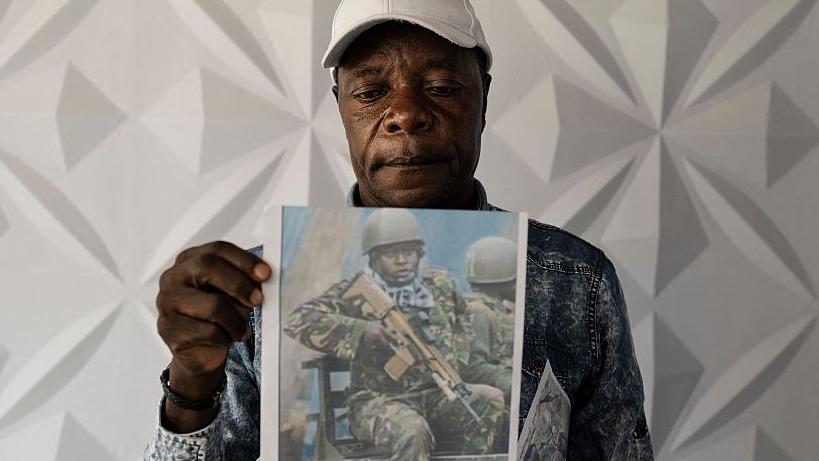
Kenyan Fighters in Ukraine: The Recruitment Scandal
| Event | Russia to stop deploying Kenyan fighters to Ukraine |
| Date | 1 day ago |
| Location | Moscow, Ukraine |
| Key People/Organizations involved | Musalia Mudavadi, Sergei Lavrov |
| Status/Current Situation | Russia agrees to stop deploying Kenyan nationals |
| Impact/Casualties | Over 1,000 Kenyans recruited to fight in Ukraine |
| Official Response | Musalia Mudavadi confirms agreement with Russia |
| Number of Kenyans recruited | 1,000 |
| Reason for recruitment | Lured under false pretences, promised well-paid civilian jobs |
The recruitment of Kenyan fighters to fight in the war in Ukraine has been marred by allegations of false pretences. Some Kenyans have claimed they were lured to fight for Russia with promises of well-paid civilian jobs, only to find themselves forced into fighting in Ukraine. More than 1,000 Kenyan citizens have been estimated to have been recruited to fight for Russia in Ukraine, according to a Kenyan intelligence report in February.
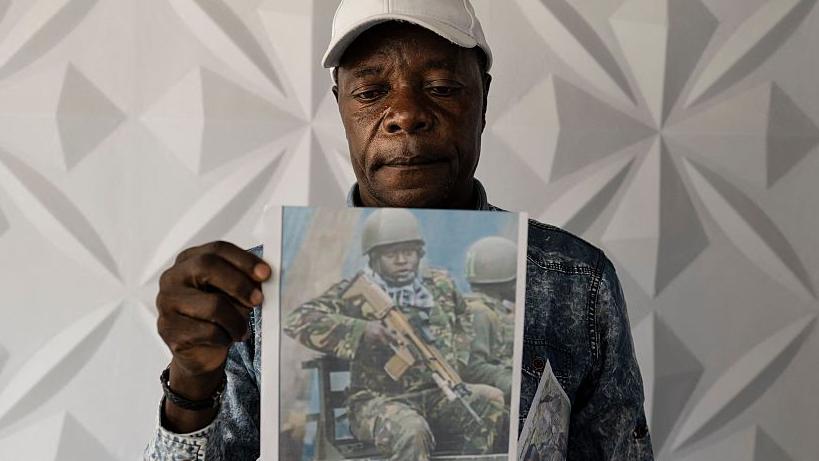
A Kenyan national, Charles Ojiambo Mutoka, has spoken out about the recruitment of his son Oscar, who was allegedly duped into fighting for Russia in Ukraine. Mutoka claims his son was killed in August. The recruitment of Kenyan fighters has raised concerns about the welfare of these individuals and the circumstances under which they were recruited. The Kenyan government has warned that some Kenyans were lured to fight for Russia with promises of lucrative jobs, only to find themselves in a life-threatening situation.
The recruitment of Kenyan fighters to fight in the war in Ukraine has sparked concerns about the involvement of East African nationals in the conflict. The situation highlights the need for greater scrutiny of the recruitment practices of foreign militaries and the potential risks faced by individuals who are recruited to fight in foreign conflicts.
Musalia Mudavadi’s Revelation: A Breakthrough in the Conflict?
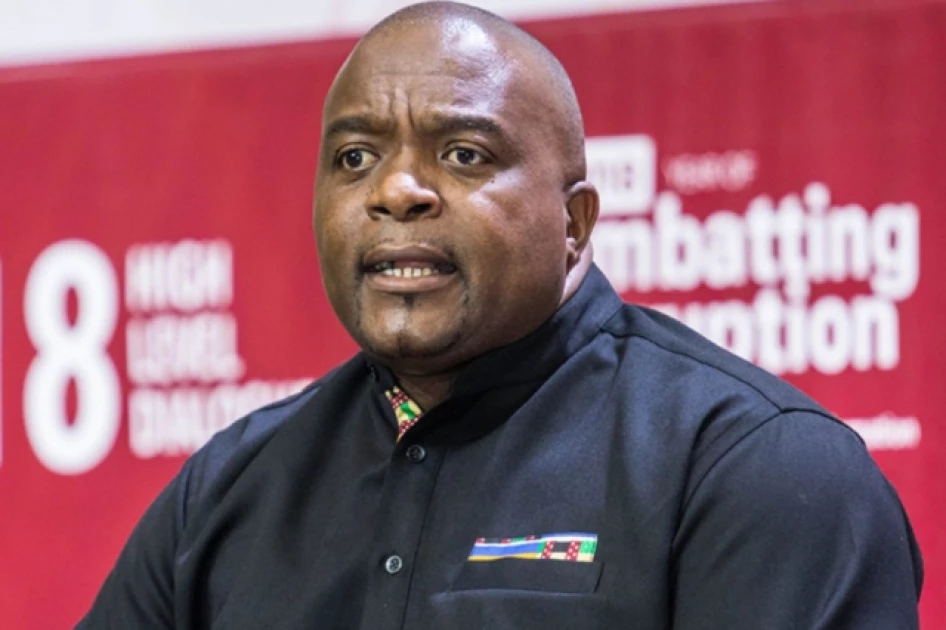
Kenya’s foreign minister, Musalia Mudavadi, has announced that Russia has agreed to stop deploying Kenyan nationals to fight in the war in Ukraine. According to Mudavadi, both sides have agreed that Kenyans will no longer be recruited through Russia’s defence ministry, with Mudavadi stating that “they will no longer be eligible to be enlisted.” This decision comes after talks in Moscow between Mudavadi and Russian Foreign Minister Sergei Lavrov.
The agreement marks a significant development in the conflict, with some Kenyans having been lured to fight for Russia with promises of well-paid civilian jobs, only to find themselves forced into fighting in Ukraine. The Kenyan government has been working to address the situation, with a Kenyan intelligence report in February warning that more than 1,000 citizens had been recruited to fight for Russia in Ukraine.
The halt in Kenyan fighter deployment may have significant implications for the conflict, with experts potentially analyzing the shift in dynamics and its potential consequences for Russia and Ukraine.
Government Response to Kenyan Fighters in Ukraine
The Kenyan government has taken steps to address the situation of its citizens fighting in Ukraine. In a move aimed at preventing further recruitment, the government has been in talks with Russia. According to a statement from the Kenyan foreign minister, Musalia Mudavadi, the talks have resulted in an agreement between the two countries. Russia has agreed to stop deploying Kenyan nationals to fight in the war in Ukraine. This decision comes after a Kenyan intelligence report in February warned that more than 1,000 citizens had been recruited to fight for Russia in Ukraine.
The Kenyan government has been working to prevent its citizens from being recruited to fight in foreign conflicts. In response to the situation, the government has taken measures to prevent further recruitment. The Kenyan government has agreed that Kenyans will no longer be eligible to be enlisted through Russia’s defence ministry. This decision is seen as a significant step towards addressing the issue of Kenyan citizens fighting in Ukraine.
The Kenyan government’s efforts to address the situation have been ongoing. The government has been working to prevent its citizens from being recruited to fight in foreign conflicts. The agreement with Russia is seen as a positive development in this regard. The Kenyan government’s foreign minister, Musalia Mudavadi, has confirmed the agreement with Russia. This decision is expected to have a positive impact on the situation and prevent further recruitment of Kenyan citizens to fight in Ukraine.
Impact on the Russia-Ukraine Conflict: A Shift in Dynamics?
The halt in the deployment of Kenyan fighters to Ukraine may have significant implications for the Russia-Ukraine conflict. Russia’s reliance on foreign mercenaries has been a contentious issue, with many questioning the legitimacy of these fighters. The decision to stop deploying Kenyan nationals may be seen as a strategic move by Russia to distance itself from the controversy surrounding foreign fighters. However, it remains to be seen how this development will impact the conflict on the ground.
Experts predict that the halt in Kenyan fighter deployment may lead to a short-term advantage for Ukraine, as Russia’s military resources are diverted to other areas. On the other hand, Russia’s loss of a key recruitment channel may have long-term consequences, as it may struggle to find alternative sources of foreign fighters. The impact of this decision on the conflict’s dynamics will likely be closely watched by analysts and policymakers.
The halt in Kenyan fighter deployment is also expected to have regional implications, particularly in East Africa. The involvement of Kenyan nationals in the conflict has raised concerns about the potential for other East African countries to be drawn into the conflict. As the situation continues to unfold, it will be crucial to monitor how this development affects regional security and stability.
Concerns and Reactions from the Kenyan Public
The news of Russia agreeing to stop deploying Kenyan nationals to fight in the war in Ukraine has sparked a mix of emotions among the Kenyan public. Many have expressed concerns about the safety and well-being of their fellow citizens who have been recruited to fight in the conflict. Over 1,000 Kenyans are estimated to have been recruited to fight for Russia in Ukraine, according to a Kenyan intelligence report in February. This has raised questions about the motivations behind their recruitment and the circumstances under which they were deployed.
Civil society organizations have also weighed in on the issue, calling for the government to take action to protect Kenyan citizens who may still be fighting in Ukraine. Some Kenyans have spoken out about being lured to fight for Russia with promises of well-paid civilian jobs, only to find themselves forced into fighting in Ukraine. The Kenyan public is demanding answers about the recruitment process and the measures being taken to ensure the safe return of their citizens. As the situation continues to unfold, the Kenyan public remains vigilant, calling for transparency and accountability from the government.
What’s Next for Kenyan Fighters in Ukraine?
The halt in the deployment of Kenyan fighters to Ukraine by Russia has left many questions unanswered about the fate of those already in the war-torn country. According to a Kenyan intelligence report in February, over 1,000 citizens had been recruited to fight for Russia in Ukraine. It remains unclear what will happen to these individuals, who were allegedly lured into fighting with promises of well-paid civilian jobs. The Kenyan government has yet to announce any plans for their repatriation.
The Kenyan foreign minister, Musalia Mudavadi, has said that both sides have agreed that Kenyans will no longer be recruited through Russia’s defence ministry. However, it is unclear what this means for those already in Ukraine. The Kenyan government has been criticized for its handling of the situation, and many are calling for the repatriation of Kenyan citizens who were recruited to fight in the conflict. The Kenyan public is also concerned about the welfare of those who may still be in Ukraine.
The Kenyan government has yet to provide any information on how it plans to assist the Kenyan fighters who are still in Ukraine. The repatriation of these individuals is likely to be a complex and challenging process, and it remains to be seen how the Kenyan government will address this issue.
Regional Implications: East Africa and the Ukraine Conflict
The halt in Russia’s deployment of Kenyan fighters to Ukraine may have significant implications for regional security in East Africa. More than 1,000 Kenyan citizens are estimated to have been recruited to fight for Russia in Ukraine, according to a Kenyan intelligence report in February. This development has raised concerns about the potential for East African countries to be drawn into the conflict, either directly or indirectly. The region has a history of being vulnerable to external influences, and the involvement of Kenyan fighters in Ukraine has sparked fears about the potential for other East African countries to be exploited.
Regional organizations, such as the East African Community (EAC) and the African Union (AU), have been monitoring the situation closely. While neither organization has made a formal statement on the issue, sources suggest that they are concerned about the potential implications for regional stability. The EAC has a long-standing commitment to promoting peace and security in the region, and the involvement of Kenyan fighters in Ukraine may be seen as a threat to this goal. As the situation continues to unfold, it remains to be seen how regional organizations will respond to the halt in Russia’s deployment of Kenyan fighters.
The halt in Russia’s deployment of Kenyan fighters to Ukraine may also have implications for the broader regional security landscape in East Africa. The region is already vulnerable to external influences, including terrorism and piracy, and the involvement of Kenyan fighters in Ukraine may exacerbate these challenges. As the situation continues to evolve, it will be important to monitor the response of regional organizations and governments to ensure that the region remains stable and secure.