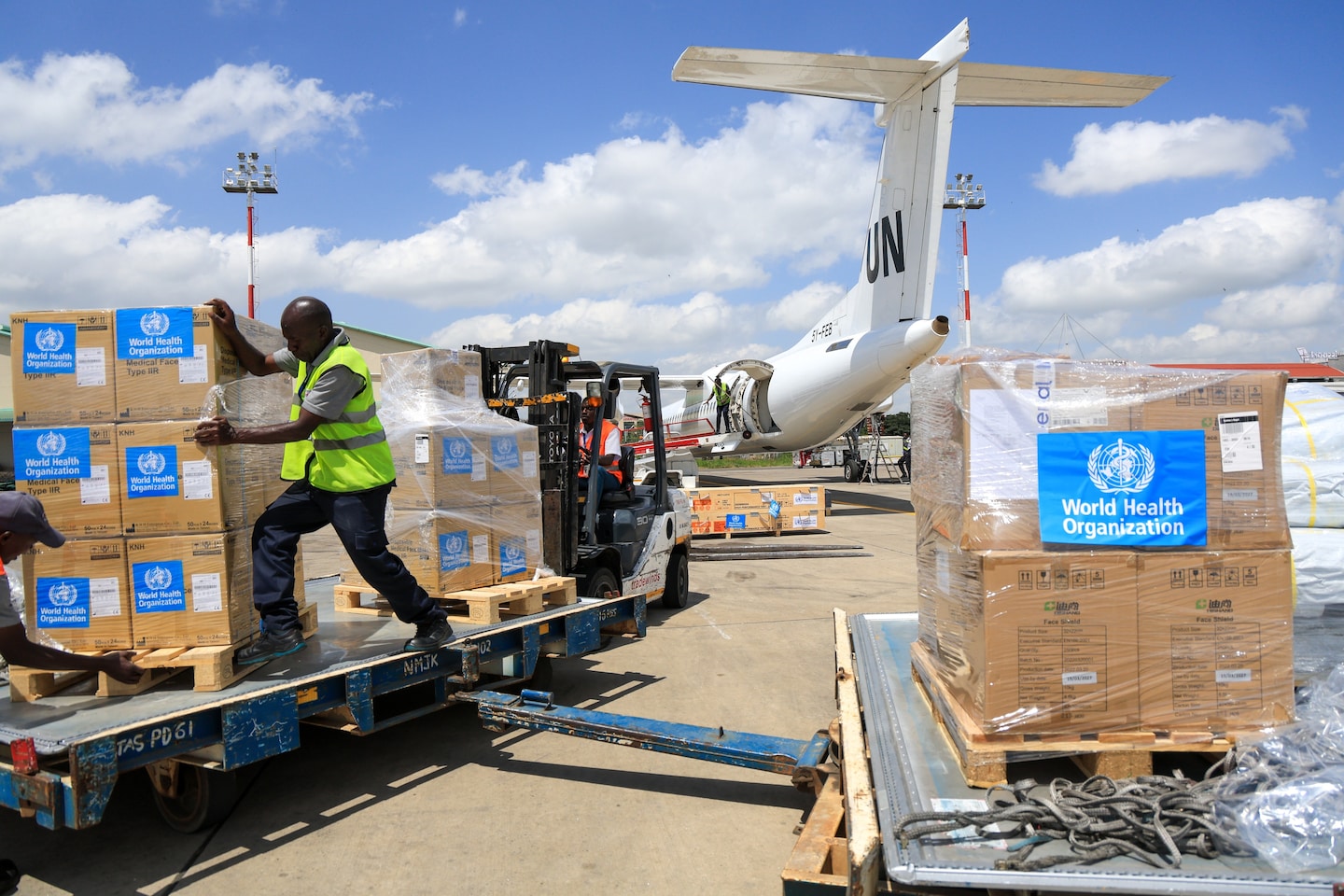









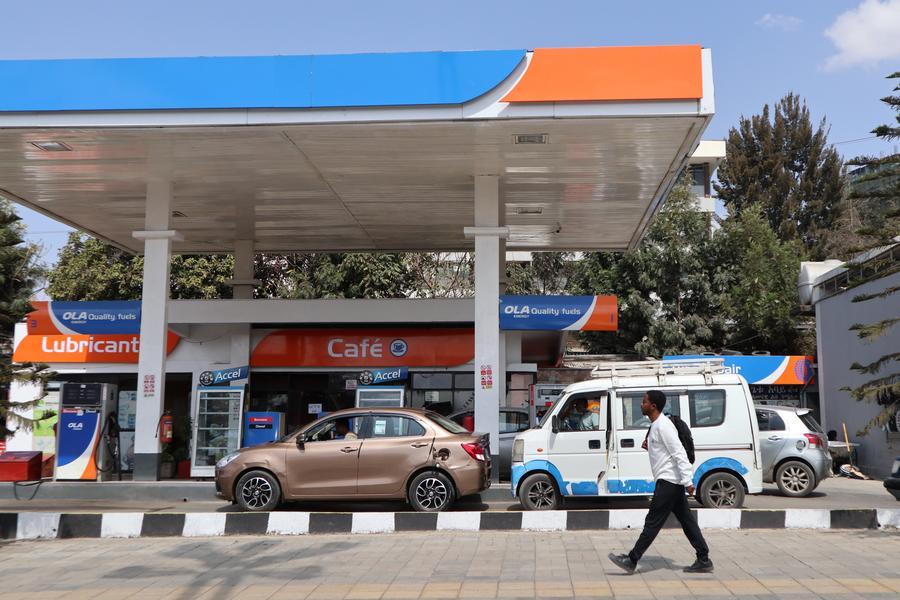
Ethiopians are feeling the pinch of soaring oil prices due to the ongoing conflict in the Middle East. The crisis has led to an almost full closure of the Strait of Hormuz, a critical waterway that accounts for a significant portion of global oil exports. As a result, oil prices have skyrocketed, impacting various sectors, including transportation. In Ethiopia, the effects are being felt particularly in the countryside, where petrol station operators are hoarding fuel products and selling them on black markets. This has led to exorbitant fuel costs, exacerbating inflation and putting a strain on the already fragile Ethiopian economy.
Oil Price Surge Takes Toll on Ethiopian Consumers
| Event | Rising oil prices due to Mideast conflict |
| Date | March 17, 2026 |
| Location | Ethiopia, Middle East |
| Key People/Organizations involved | Tasew Tesfaye, Ahmed Shide |
| Status/Current Situation | Ongoing conflict in the Middle East |
| Impact/Casualties | Transport services and food prices affected |
| Official Response | Government increased subsidies, launched crackdown on illegal fuel trading |
| Relevant Details | Closure of the Strait of Hormuz, reliance on fuel transported through the Strait |
| Location of Conflict | Middle East, Strait of Hormuz |
| Government Action | Additional fuel purchases to prevent supply shortage |
Ethiopians are feeling the pinch of rising oil prices, which have been exacerbated by the ongoing conflict in the Middle East. The closure of the Strait of Hormuz, a vital waterway in the Middle East, has raised concerns among Ethiopians over higher inflation. The country relies heavily on fuel and basic commodities transported through the Strait of Hormuz, making it vulnerable to price fluctuations.
As a result, petrol station operators are hoarding fuel products and selling them on black markets, pushing up prices. Tasew Tesfaye, a bus driver, said the soaring fuel prices are impacting transport services, particularly in the countryside. “The problem is more widely felt in the countryside where petrol stations ‘deliberately’ hide fuel products or sell them at exaggerated prices,” exacerbating transport and food price hikes outside major towns.
The government has increased its subsidies to ensure that the fuel supply remains reliable and aligned with citizens’ purchasing power. Finance Minister Ahmed Shide urged citizens and institutions to use fuel products wisely, and a nationwide crackdown has been launched on illegal fuel trading, where petroleum products are sold outside the official supply chain.
Mideast Conflict: The Root Cause of Ethiopia’s Oil Price Woes
The ongoing conflict in the Middle East has led to a significant increase in oil prices, affecting the Ethiopian economy. The conflict has resulted in the almost full closure of the Strait of Hormuz, a vital waterway through which Ethiopia relies heavily on fuel and basic commodities. This has raised concerns among Ethiopians over higher inflation and economic instability.
As a result of the Strait’s closure, fuel prices have skyrocketed, impacting transport services, particularly in rural areas. Petrol station operators are hoarding fuel products and selling them on black markets, pushing up prices. This has exacerbated transport and food price hikes outside major towns, making it difficult for people like Tasew Tesfaye, a bus driver, to operate his services.
The Ethiopian government has taken steps to mitigate the impact of rising oil prices. Finance Minister Ahmed Shide has increased subsidies to ensure a reliable fuel supply and has launched a nationwide crackdown on illegal fuel trading. The government is also carrying out additional fuel purchases to prevent a supply shortage.
Inflation Hits Home: The Economic Consequences of Rising Oil Prices
The ongoing conflict in the Middle East has led to a significant surge in oil prices, causing a ripple effect on the Ethiopian economy. As a result, Ethiopians are feeling the pinch of rising fuel costs, which is having a profound impact on the country’s economic stability. The closure of the Strait of Hormuz, a vital waterway in the Middle East, has raised concerns among Ethiopians over higher inflation, particularly in the countryside.
The shortage of fuel products has led to a sharp increase in prices, with petrol station operators hoarding fuel products and selling them on black markets. This has exacerbated transport and food price hikes outside major towns, making it difficult for people to access essential services. Tasew Tesfaye, a bus driver who crosses Ethiopian cities, said that soaring fuel prices have impacted transport services, particularly in the countryside. The situation is further complicated by the fact that Ethiopia, like many other East African countries, relies heavily on fuel and basic commodities transported through the Strait of Hormuz.
The economic consequences of rising oil prices are far-reaching, with fuel costs accounting for a significant portion of the country’s inflation rate. The government has taken steps to mitigate the impact of rising fuel prices, including increasing subsidies to ensure that the fuel supply remains reliable and aligned with citizens’ purchasing power. However, the full extent of the economic consequences of rising oil prices remains to be seen, and it is clear that Ethiopians will continue to feel the pinch of rising fuel costs in the coming months.
Africa’s Energy Crisis: Ethiopia’s Oil Price Dilemma in Context
The ongoing conflict in the Middle East has sent shockwaves through the global energy market, leaving Ethiopia to grapple with the consequences of rising oil prices. As a major consumer of fuel, Ethiopia’s economy is particularly vulnerable to fluctuations in the global market. The country’s reliance on imported oil means that it is heavily exposed to price hikes, which can have far-reaching impacts on the economy.
The current crisis has been exacerbated by the near-closure of the Strait of Hormuz, a vital waterway that connects the Middle East to the rest of the world. This has led to a surge in fuel prices worldwide, with Ethiopia being no exception. The government has increased its subsidies to ensure that the fuel supply remains reliable and aligned with citizens’ purchasing power. However, the situation remains fragile, with petrol station operators reportedly hoarding fuel products and selling them on black markets, pushing up prices.
The impact of rising oil prices is being felt across the country, with transport services, particularly in rural areas, being severely affected. The government has launched a nationwide crackdown on illegal fuel trading, where petroleum products are sold outside the official supply chain. This move is aimed at preventing a supply shortage and ensuring that fuel is available to those who need it most.
Government Response: Can Ethiopia Mitigate the Oil Price Pain?
The Ethiopian government has acknowledged the impact of rising oil prices on the country’s economy. Finance Minister Ahmed Shide described the surge in fuel prices worldwide as “frightening” and urged citizens and institutions to use fuel products wisely. The government has increased its subsidies to ensure that the fuel supply remains reliable and aligned with citizens’ purchasing power, according to the minister.
To prevent a supply shortage caused by the closure of the Strait of Hormuz, the government is carrying out additional fuel purchases. The government has launched a nationwide crackdown on illegal fuel trading, where petroleum products are sold outside the official supply chain. This move aims to stabilize the fuel market and prevent further price hikes. The government’s efforts are crucial in mitigating the oil price pain, particularly for transport services and rural communities.
The government’s response is timely, given the reliance of Ethiopia and other East African countries on fuel and basic commodities transported through the Strait of Hormuz. The instability in the Strait has raised concerns over higher inflation and its impact on the economy. By increasing subsidies and cracking down on illegal fuel trading, the government is taking steps to cushion the effects of rising oil prices on the Ethiopian economy.
A Long-Term Solution: Ethiopia’s Path to Energy Independence
The ongoing conflict in the Middle East has led to a significant increase in oil prices, affecting the Ethiopian economy. To mitigate this, the government has been working towards energy independence. Ethiopia’s reliance on imported fuel has made it vulnerable to global market fluctuations. However, the country has been investing in its own energy resources, with a focus on developing its domestic energy sector.
Ethiopia aims to reduce its dependence on imported fuel by leveraging its own energy resources. The country has identified several opportunities to increase its energy production, including the development of its hydroelectric power potential. With a large portion of its energy needs met by hydroelectric power, Ethiopia can reduce its reliance on imported oil. This shift towards domestic energy production will not only reduce the country’s vulnerability to global market fluctuations but also create jobs and stimulate economic growth.
By investing in its own energy resources, Ethiopia can better withstand the impact of rising oil prices. The country’s focus on energy independence will also help to reduce its trade deficit and promote economic stability. As the government continues to work towards energy independence, Ethiopians can expect to see a reduction in fuel costs and a more stable economy.