










Heavy Rains Forecast: Kenya Braces for Wet Season. The Kenya Meteorological Department has issued a rainfall alert, warning of continued heavy rainfall across several parts of the country from March 17 to 23, 2026. The wet season is expected to bring intense downpours to five regions, including the Highlands East and West of the Rift Valley, the Lake Victoria Basin, the Rift Valley, the Southeastern Lowlands, and the Coastal region. As the country prepares for the heavy rainfall, residents are advised to take necessary precautions to ensure their safety.
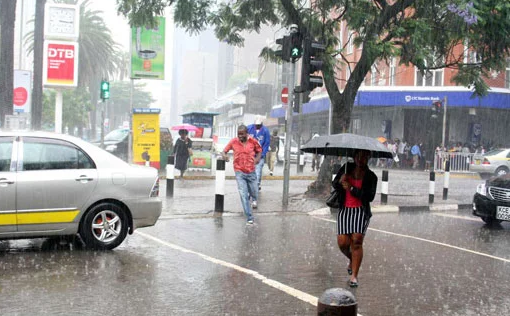
MET Issues Rainfall Alert: What to Expect
| Event | Heavy rains expected |
| Date | March 17 – 23, 2026 |
| Location | Highlands East and West of the Rift Valley, Lake Victoria Basin, Rift Valley, Southeastern Lowlands, Coastal region |
| Key People/Organizations involved | Kenya Meteorological Department |
| Status/Current Situation | Forecasted |
| Official Response | Warning issued by Kenya Met |
| Start Date | Thursday, March 17, 2026 |
| Season | March–May long rains season |
| Regions mostly sunny and dry | Northeastern and northwestern Kenya |
The Kenya Meteorological Department has issued a rainfall alert, warning of heavy downpours expected from Thursday as the wet season builds up. According to the department’s weekly weather outlook, rainfall will be experienced in five regions: the Highlands East and West of the Rift Valley, the Lake Victoria Basin, the Rift Valley, the Southeastern Lowlands, and the Coastal region. Some areas within these regions could experience isolated heavy rainfall events during the period.
Residents can expect varying levels of rainfall intensity, with the department noting that rainfall is expected over the Highlands East and West of the Rift Valley, the Lake Victoria Basin, the Rift Valley, the South-eastern Lowlands and the Coastal region. While many parts of the country are expected to experience rainfall, sections of northeastern and northwestern Kenya are likely to remain mostly sunny and dry, with occasional rainfall possible.
The wet season, which typically brings increased precipitation in several regions, is expected to continue until the end of March. Daytime temperatures above 30°C are expected in several areas, including the coastal region as well as parts of northeastern and northwestern Kenya, which are expected to experience warm to hot conditions.
Areas Most Likely to Be Affected by Heavy Rains
The Kenya Meteorological Department has identified five regions that are expected to experience heavy rainfall due to the upcoming wet season. These regions include the Highlands East and West of the Rift Valley, the Lake Victoria Basin, the Rift Valley, the Southeastern Lowlands, and the Coastal region. Residents in these areas should be prepared for potential flash flooding and landslides.
According to the department’s weekly weather outlook, some areas within these regions could experience isolated heavy rainfall events. The agency warned that the heavy downpour is set to be experienced from Thursday, with the intensity expected to increase. Rainfall is expected over the Highlands East and West of the Rift Valley, the Lake Victoria Basin, the Rift Valley, the South-eastern Lowlands and the Coastal region.
Residents in these areas are advised to take necessary precautions to ensure their safety. This includes staying informed about weather updates, avoiding travel during heavy rainfall, and keeping a safe distance from flooded areas. By being prepared, residents can minimize the risk of damage to their properties and stay safe during the heavy rainfall.
Preparing for the Wet Season: Tips and Advice
As the wet season builds up, residents in regions expected to experience heavy rainfall should take necessary precautions to ensure their safety. The Kenya Meteorological Department has forecasted heavy downpour in five regions, including the Highlands East and West of the Rift Valley, the Lake Victoria Basin, the Rift Valley, the Southeastern Lowlands, and the Coastal region. Residents in these areas are advised to stock up on essential items, including food, water, and first aid kits, in case they are unable to access basic necessities due to flooding.
To minimize the impact of heavy rainfall, residents can take several steps. They should clear drains and gutters to prevent water accumulation, and avoid walking or driving through flooded areas. Additionally, it’s essential to have a backup power source, such as a generator or batteries, in case of power outages. By being prepared, residents can reduce the risk of accidents and property damage during the wet season.
The Kenya Meteorological Department has also warned of isolated heavy rainfall events in some areas. Residents should stay informed about weather updates and follow evacuation orders if necessary. By being aware of the weather forecast and taking necessary precautions, residents can stay safe during the wet season.
Impact on Agriculture and Food Security
The heavy rainfall forecast by the Kenya Meteorological Department is expected to have a significant impact on agriculture and food security in the country. Rainfall is expected over the Highlands East and West of the Rift Valley, the Lake Victoria Basin, the Rift Valley, the South-eastern Lowlands, and the Coastal region. The agency warned that some areas within these regions could experience isolated heavy rainfall events during the period, which may lead to flooding and landslides.
Farmers in these regions are likely to be affected by the heavy rainfall, which may damage their crops and disrupt agricultural activities. The Lake Victoria Basin, in particular, is expected to experience significant rainfall, which may lead to flooding in some areas. This could have a devastating impact on the region’s agricultural sector, which is a significant contributor to the country’s economy.
The Kenya Meteorological Department has advised farmers and residents in the affected areas to take necessary precautions to mitigate the effects of the heavy rainfall. This includes ensuring that their homes and farms are secure and prepared for the heavy rainfall. Daytime temperatures above 30°C are expected in several areas, including the coastal region, which may exacerbate the impact of the heavy rainfall on agriculture and food security.
Government Response and Preparedness
The Kenya Meteorological Department has issued a warning to the public ahead of the expected heavy rains. The government has been put on high alert to respond to the situation. In a statement, the department said that some areas within the regions expected to experience rainfall could see isolated heavy rainfall events during the period.
The government has been working closely with emergency services and disaster management teams to prepare for the worst. Emergency response teams have been placed on standby in all affected regions. The Ministry of Health has also been advised to be on high alert for any potential waterborne diseases that may arise from the heavy rainfall. Residents are advised to stay indoors during heavy downpours and avoid walking or driving through flooded areas.
The government has also been working with local authorities to ensure that essential services such as power and water supply are maintained during the heavy rainfall. Residents are advised to conserve water and electricity to avoid any disruptions. The government has also set up emergency shelters and relief centers in areas that are likely to be affected by the heavy rains.
Residents’ Concerns and Preparations
Residents in several regions of Kenya are bracing for the anticipated heavy rains expected from Thursday. The Kenya Meteorological Department has warned that isolated heavy rainfall events may occur in some areas within the Highlands East and West of the Rift Valley, the Lake Victoria Basin, the Rift Valley, the Southeastern Lowlands, and the Coastal region. This comes as the country transitions into the March–May long rains season, which typically brings increased precipitation in several regions.
Residents are concerned about the impact of the heavy rains on their daily lives. Isolated heavy rainfall events may occur in some areas, which could lead to disruptions in transportation and other essential services. The department has advised residents to stay informed about the weather forecast and to take necessary precautions to ensure their safety. In preparation for the heavy rains, residents are advised to stock up on essential items such as food, water, and first aid supplies.
The Kenya Meteorological Department has also warned that some areas may experience temperature variations, with daytime temperatures above 30°C expected in several regions, including the coastal region and parts of northeastern and northwestern Kenya. Residents are advised to take necessary precautions to stay safe and healthy during the heavy rains.