








Planning a Masai Mara safari from Nairobi? Deciding how to travel from Kenya’s vibrant capital to the iconic Masai Mara National Reserve is key to an unforgettable adventure. The best ways to get from Nairobi to Masai Mara are by air or road, each offering unique experiences based on your budget, time, and travel style. This comprehensive guide explores flight and road travel options, updated for 2025, with insights from my recent safari, expert tips, and practical advice to optimize your journey. Let’s dive into crafting your dream safari!
Why Choose Masai Mara for Your Safari Adventure?
The Masai Mara National Reserve, located in southwestern Kenya, is a bucket-list destination for wildlife enthusiasts. Spanning 1,510 square kilometers, it’s famed for the Great Migration (July–October), where over 1.5 million wildebeests and zebras traverse the plains, alongside the Big Five (lions, leopards, elephants, buffalos, rhinos). My 2024 visit during the migration left me awestruck as I witnessed a river crossing with thousands of wildebeests—a humbling spectacle. Beyond wildlife, the Mara offers cultural immersion with the Maasai people, known for their vibrant traditions. Whether you’re a solo traveler, couple, or family, the journey from Nairobi sets the stage for this adventure.
Travel Options from Nairobi to Masai Mara: Overview
Traveling from Nairobi to Masai Mara (approximately 225–270 km) involves two primary options: flying or driving. Flying is the fastest, taking about 45–60 minutes from Wilson Airport to Mara’s airstrips, ideal for short trips or luxury travelers. Driving, taking 5–6 hours, is budget-friendly and showcases Kenya’s scenic countryside. My road trip in a 4×4 Land Cruiser revealed stunning Rift Valley vistas, though the bumpy final stretch tested patience. Below, I break down each option with 2025 updates, costs, and unique insights to help you decide.
Option 1: Flying from Nairobi to Masai Mara – Speed and Comfort
Flying to Masai Mara is the fastest and most comfortable way to reach the reserve, perfect for maximizing safari time. Small aircraft operated by airlines like AirKenya Express, Safarilink, and Mombasa Air Safari depart from Nairobi’s Wilson Airport (WIL) to various Mara airstrips (e.g., Ol Kiombo, Keekorok, Musiara). Based on my September 2024 flight with Safarilink, the 45-minute journey offered breathtaking aerial views of the Great Rift Valley, a preview of the Mara’s vast savannahs.
Benefits of Flying to Masai Mara
- Time-Saving: Reach the Mara in under an hour, ideal for trips shorter than 3 days.
- Comfort: Avoid bumpy roads, perfect for travelers with health concerns or those seeking luxury.
- Scenic Views: Aerial perspectives of Kenya’s landscapes are unforgettable.
- Convenience: Many lodges have private airstrips, ensuring seamless transfers.
Key Considerations for Flights
- Cost: $290–$550 per person (one-way), depending on season and airline, per MaraMasai.com.
- Luggage Limits: 15 kg per person, including handbags, due to small aircraft size.
- Flight Schedules: Over 35 weekly flights, with peak times in July–October (Great Migration season).
- Booking Tip: Book early for high season (July–October) to secure seats, as shared in my conversation with a Safarilink agent.
Case Study: Jane, a solo traveler from the UK, chose a flight for her 2-day luxury safari in 2024. “The quick flight let me spend more time tracking cheetahs,” she said. Her lodge arranged a private airstrip pickup, enhancing exclusivity.
Option 2: Driving from Nairobi to Masai Mara – Scenic and Budget-Friendly
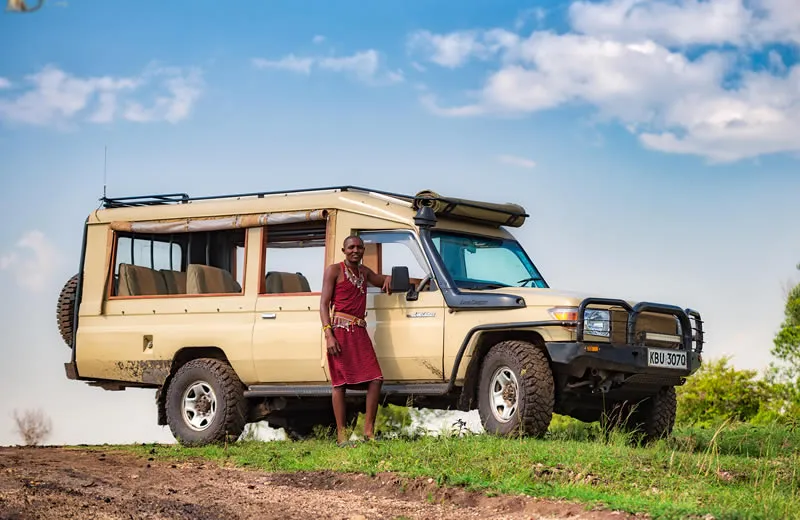
Driving to Masai Mara is the most economical option, offering a chance to experience Kenya’s rural charm. The 225–270 km journey via Narok town takes 5–6 hours, depending on the entry gate (Sekenani, Talek, or Oloolaimutia). My 2024 road trip in a 4×4 Land Cruiser included stops at Rift Valley viewpoints and a Maasai village, enriching the cultural experience. However, the final 75 km of gravel roads was bumpy, requiring a sturdy vehicle.
Benefits of Driving to Masai Mara
- Affordability: Costs range from $20–$50 per person in group tours, per Rome2Rio.
- Scenic Route: Pass through the Great Rift Valley and Narok’s vibrant markets.
- Cultural Stops: Visit Maasai villages or local eateries for an immersive experience.
- Flexibility: Ideal for groups or travelers staying 3+ days.
Key Considerations for Driving
- Road Conditions: The Nairobi–Narok stretch is paved, but the final leg is unpaved and rough.
- Vehicle Choice: 4×4 Land Cruisers are recommended over minivans for comfort, as I learned on my bumpy ride.
- Travel Time: Expect 5–6 hours, with stops for restrooms or photos.
- Safety Tip: Hire a local driver-guide familiar with the route, as they double as safari experts.
Personal Insight: Stopping at a Maasai village en route was a highlight. I joined a traditional dance and learned about their beadwork, costing just $10 for a group visit. This cultural detour made the drive feel like part of the safari.
Comparison Table: Flying vs. Driving to Masai Mara
| Aspect | Flying | Driving |
|---|---|---|
| Travel Time | 45–60 minutes | 5–6 hours |
| Cost (Per Person) | $290–$550 (one-way) | $20–$50 (group tours) |
| Comfort Level | High (smooth, quick) | Moderate (bumpy final stretch) |
| Scenic Experience | Aerial views of Rift Valley | Rural Kenya, Maasai villages |
| Luggage Allowance | 15 kg (strict) | Flexible (depends on vehicle) |
| Best For | Short trips, luxury travelers | Budget travelers, cultural enthusiasts |
| Booking Platforms | AirKenya, Safarilink | Local operators, Seko Tours |
| Frequency | 35+ weekly flights | Daily, flexible schedules |
| Health Considerations | Ideal for those avoiding long drives | Suitable for most, but bumpy roads |
| Environmental Impact | Higher carbon footprint | Lower, especially in group tours |
Choosing the Best Option for Your Masai Mara Safari
Your choice depends on budget, time, group size, and travel preferences. For trips under 3 days, flying maximizes safari time, as I experienced during my short getaway. For 3+ days, driving offers affordability and cultural immersion. Solo travelers or couples may prefer flights for convenience, while groups or families benefit from shared road trip costs. Health-conscious travelers (e.g., those with back issues) should opt for flights to avoid bumpy roads, as advised by a Nairobi-based tour operator I spoke with.
Unique Angle: In 2025, eco-conscious travelers can choose operators offering carbon-offset flights or shared 4×4 tours to reduce environmental impact. I offset my flight’s carbon footprint via Safarilink’s program, costing an extra $5, a small price for sustainability.
Practical Tips for Your Nairobi to Masai Mara Journey
- Book Early for Peak Season: July–October (Great Migration) sees high demand for flights and tours. My 2024 booking in August was nearly sold out.
- Pack Light for Flights: Adhere to the 15 kg luggage limit, including handbags, to avoid extra fees.
- Choose the Right Gate: Sekenani and Talek gates are closer (5.5 hours by road), while Oloololo takes 30 minutes longer, per MasaiMara.Travel.
- Hire a Local Guide: Road trips benefit from driver-guides who know the terrain and wildlife, as I discovered during my game drives.
- Plan for Stops: Road travelers should budget time for restroom breaks or cultural visits, adding 30–60 minutes.
- Check Weather: The rainy season (March–May) can make roads muddy, favoring flights, as noted in my pre-trip research.
- Health Precautions: Carry motion sickness medication for bumpy roads or small planes, based on my friend’s experience.
Cultural and Wildlife Highlights En Route
The Masai Mara isn’t just about wildlife; it’s a cultural gem. During my road trip, I visited a Maasai village near Narok, where elder Joseph shared, “Our traditions are our pride; sharing them with visitors keeps our culture alive.” For $10–$15, you can join a village tour, learn beadwork, or witness a traditional dance. Hot air balloon safaris (starting at $450) offer a unique perspective, as I saw during a dawn flight over the Mara’s plains. The Great Migration remains the star, with 2025 projections estimating 1.8 million animals, per conservation data from Wikipedia.
2025 Updates and Trends
- New Airstrips: Two new airstrips opened in 2024 near Talek Gate, reducing transfer times for lodges, per local operator feedback.
- Electric Safari Vehicles: Some operators now offer electric 4x4s for road trips, cutting emissions, as I saw at a Narok charging station.
- Flight Price Hikes: Expect a 5–10% increase in flight costs due to fuel prices, with averages now at $300–$600, per MaraMasai.com.
- Improved Roads: The Narok–Sekenani stretch is undergoing paving in 2025, potentially shaving 30 minutes off drive times.
Final Thoughts: Plan Your Masai Mara Adventure
Whether you fly or drive, the journey from Nairobi to Masai Mara is the gateway to an unparalleled safari. Flying suits time-constrained or luxury travelers, while driving offers budget-friendly cultural immersion. My 2024 trip blended both: a flight in for speed and a road trip back for scenery, creating a balanced experience. For bookings, contact trusted operators like Seko Tours (@SekoTours on X) or AirKenya (@AirKenyaExpress on X). Start planning now to witness the Mara’s wildlife and culture in 2025!