








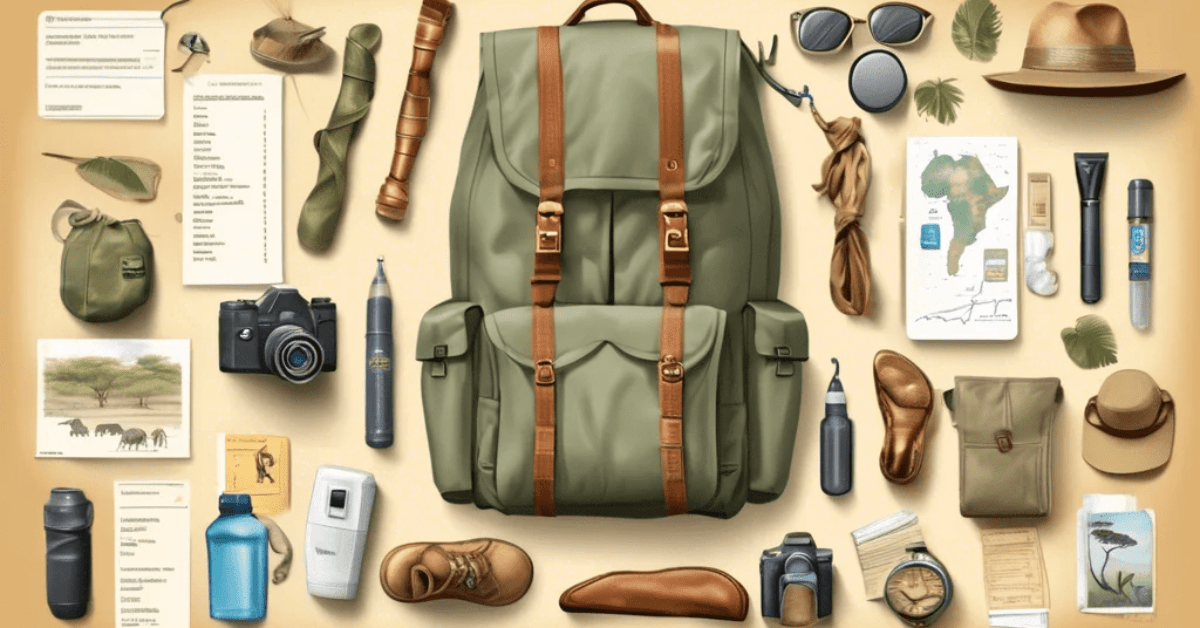
Planning a mission trip to Kenya in 2025? Packing smart is key to ensuring a comfortable, safe, and impactful experience. This comprehensive Kenya mission trip packing list covers everything you need, from clothing to gadgets, tailored to Kenya’s unique climate, culture, and mission activities. Whether you’re visiting Maasai villages or urban centers like Nairobi, this guide, enriched with first-hand insights and updated for 2025, ensures you’re prepared. Expect practical tips, cultural considerations, and a focus on lightweight, versatile items to make your journey seamless.
Why Packing for a Kenya Mission Trip Requires Special Attention
Kenya’s diverse landscapes, from the savannas of Maasai Mara to the bustling streets of Nairobi, demand careful packing. Mission trips often involve remote areas with limited access to supplies, varying weather, and cultural norms that influence what you bring. For example, women visiting Maasai villages need long skirts to respect local customs. My experience volunteering in rural Kenya in 2024 taught me the importance of packing light yet strategically, as luggage weight limits on domestic flights are often strict (typically 15 kg including carry-ons).
Understanding Kenya’s Climate and Seasons in 2025
Kenya’s equatorial climate means warm days, but temperatures vary by region. Nairobi averages 20-25°C (68-77°F), while coastal areas like Mombasa can hit 30°C (86°F). The rainy seasons (April-May and October-November) require waterproof gear, while dry seasons (January-March, June-September) demand sun protection. In 2025, expect heavier rainfall due to climate shifts, so pack a lightweight rain jacket and quick-dry clothing. My time in Kisumu during the rainy season highlighted the need for a compact umbrella and breathable rain gear to stay comfortable.
Cultural Sensitivity: Dressing for Respect and Comfort
Kenya’s rural communities, especially in Maasai and other tribal areas, value modesty. Women should pack long skirts (below the knee) and tops covering shoulders and torso. Men should opt for lightweight trousers over shorts. In urban areas, casual attire like capris is acceptable, but avoid revealing clothing. I learned this firsthand when visiting a Maasai village near Ewaso Ngiro, where my long skirt fostered warmer interactions with locals. Goodwill or thrift stores are great for affordable, mission-appropriate clothing.
Essential Clothing for a Kenya Mission Trip
Clothing should be lightweight, breathable, and versatile to handle Kenya’s heat, dust, and cultural expectations. Here’s a detailed breakdown:
- Long skirts for women: Pack 3-4 ankle-length skirts for village visits. Choose quick-dry fabrics like cotton blends.
- Capri pants or lightweight trousers: Ideal for non-village days. Men can pack 2-3 pairs of trousers.
- Long-sleeve shirts: Protect against sun and insects. Pack 4-5 in neutral colors like khaki or beige.
- T-shirts: 5-7 breathable, modest tees for layering.
- Underwear and socks: 7-10 pairs of antimicrobial underwear and socks for quick drying.
- Sleepwear: Lightweight pajamas for warm nights.
- Swimwear: A one-piece for women if your lodging has a pool.
- Footwear: Closed-toe shoes (sneakers or hiking boots) for rough terrain, plus flip-flops for downtime. Avoid white shoes, as dust will ruin them.
“Packing neutral-colored clothing not only respects local customs but also keeps you inconspicuous during dusty village visits,” says Sarah, a 2024 Kenya mission volunteer.
Footwear Considerations for Mission Work
Kenya’s unpaved roads and rural terrain require sturdy footwear. Hiking boots with ankle support are ideal for village visits or light construction tasks. I made the mistake of bringing white sneakers on my first trip, which were ruined by red dust within days. Flip-flops are great for lodges with pools or casual evenings. If you’re breaking in new boots, wear them a few times before travel to avoid blisters.
Must-Have Gear and Accessories
Mission trips often involve long days of service, so functional gear is essential. Here’s what to include:
- Fanny pack or money belt: Safer than a backpack in crowded areas to deter pickpockets.
- Quick-dry towel: Compact and useful for hand-washing laundry in rural areas.
- Reusable water bottle: Stay hydrated with a durable, insulated bottle.
- Sunglasses and hat: A wide-brimmed safari hat and polarized sunglasses protect against Kenya’s intense sun.
- Power bank: Electricity can be unreliable in rural areas. A 10,000mAh power bank saved me during a week-long outage in Ewaso Ngiro.
- Universal plug adapter: Kenya uses Type G outlets (220-240V).
- Flashlight or headlamp: Essential for nighttime in areas with limited electricity. Pack extra batteries or a rechargeable model.
Health and Safety Essentials
Kenya’s health risks, like malaria and sunburn, require preparation. Consult your doctor 4-6 weeks before travel for vaccinations (yellow fever is mandatory) and malaria prophylaxis. Here’s a checklist:
- Anti-malaria pills: Start your prescription before departure and continue as directed.
- Insect repellent: DEET-based sprays or lotions are effective against mosquitoes.
- Sunscreen (SPF 50+): Reapply frequently during outdoor activities.
- First aid kit: Include band-aids, ibuprofen, Imodium, and antiseptic wipes.
- Prescription medications: Bring enough for the entire trip, plus a copy of your prescription.
- Mosquito net: Some accommodations provide nets, but bring a compact one for peace of mind.
“I underestimated Kenya’s mosquitoes. A DEET spray and net were lifesavers during my mission in Kisumu,” shares John, a 2023 volunteer.
Gadgets and Photography Equipment
Capturing Kenya’s beauty and mission moments is rewarding, but pack light to avoid theft or damage. Here’s what to bring:
- Smartphone: Your lifeline for communication and navigation. Get a local SIM card for affordable data.
- Camera: A compact DSLR or mirrorless camera with a zoom lens (e.g., 18-135mm) is ideal for village or wildlife photos.
- Binoculars: Useful for spotting distant wildlife or details during community visits.
- Chargers and cables: Pack in a lockable safety bag for hotel storage.
Tip: Pre-treat clothing with insect repellent spray before packing to reduce mosquito bites.
Toiletries and Personal Items
Kenya’s supermarkets stock basic toiletries, but bring travel-sized essentials to save space:
- Shampoo, conditioner, body wash: Decant into 100ml containers for carry-ons.
- Toothbrush, toothpaste, deodorant: Travel-sized versions are sufficient.
- Lip balm with SPF: Prevents chapping in dry heat.
- Baby wipes and dry shampoo: Useful for areas with limited water.
- Travel tissues: Discreet and handy for public restrooms.
Packing for Cultural Excursions and Downtime
Many mission trips include cultural excursions, like visiting Maasai markets or a one-day safari. Pack one nice outfit (e.g., a blouse and skirt or trousers) for dinners or church services. A deck of cards or small journal can provide entertainment during downtime. I brought a journal to document my interactions with locals, which became a cherished keepsake.
Luggage Restrictions and Packing Strategy
Kenya’s domestic airlines enforce 15 kg luggage limits (including carry-ons), so soft-sided duffel bags are recommended over hard suitcases. Use packing cubes to compress clothing and stay organized. My team in 2024 shared checked bags for group supplies, freeing up carry-on space for personal items. Roll your clothes to maximize space, and place liquids in a quart-sized bag for airport security.
| Item Category | Recommended Items |
|---|---|
| Clothing (Women) | 3-4 long skirts, 4-5 long-sleeve shirts, 2-3 capri pants, 7-10 underwear/socks, one-piece swimwear |
| Clothing (Men) | 2-3 trousers, 4-5 long-sleeve shirts, 7-10 underwear/socks |
| Footwear | Hiking boots, sneakers, flip-flops |
| Health/Safety | Anti-malaria pills, DEET repellent, SPF 50+ sunscreen, first aid kit, mosquito net |
| Gear | Fanny pack, quick-dry towel, reusable water bottle, sunglasses, safari hat, power bank, plug adapter, flashlight |
| Gadgets | Smartphone, camera, binoculars, chargers, lockable safety bag |
| Toiletries | Travel-sized shampoo, conditioner, body wash, toothbrush, toothpaste, deodorant, lip balm, baby wipes, dry shampoo, travel tissues |
| Documents | Passport (6+ months validity, 2 blank pages), yellow fever certificate, prescriptions, travel insurance |
| Miscellaneous | Deck of cards, journal, pen, one nice outfit |
Unique Insights from 2024 Mission Experience
During my 2024 mission trip to Ewaso Ngiro, I noticed that laundry logistics posed challenges. Most hotels don’t wash underwear due to cultural norms, so pack enough for your entire stay or plan to hand-wash. Sun-dried laundry can take longer in the rainy season, so quick-dry fabrics are a must. Additionally, bringing small gifts like pencils or notebooks for local children fostered goodwill without encouraging dependency, unlike cash handouts.
Kenya’s Plastic Bag Ban: What You Need to Know
Since August 2017, Kenya has banned plastic bags to protect its environment. Avoid packing plastic zip-lock bags for toiletries; use cloth bags or reusable containers instead. Violators face fines, so double-check your luggage at the airport.
Practical Tips for a Smooth Mission Trip
- Check airline luggage limits: International flights allow 23 kg for checked bags, but domestic flights are stricter.
- Pack for versatility: Choose multi-purpose items to save space.
- Respect local customs: Modest clothing and behavior enhance community connections.
- Stay flexible: Delays or itinerary changes are common, as I experienced during a 10-hour layover in London en route to Nairobi.
External Resources for Further Planning
- Kenya Community Education and Action (KCEA) for mission partnerships.
- Kenya Safari Packing Guide for excursion tips.
- Wikipedia: Culture of Kenya for cultural insights.
- Follow @TravelingTanya on Instagram for real-time mission trip updates.
- Heart for Africa for additional packing checklists.
Conclusion: Pack Light, Serve Big
A well-planned packing list ensures you focus on your mission’s purpose—serving and connecting with Kenya’s communities. By prioritizing modest clothing, health essentials, and versatile gear, you’ll navigate Kenya’s diverse landscapes and cultures with ease. This 2025 guide, informed by firsthand experience and updated insights, equips you for a transformative journey. Share your packing tips or questions in the comments below, and happy travels!