








Is the Serengeti worth it? Absolutely, the Serengeti National Park in Tanzania is a bucket-list destination for wildlife enthusiasts, offering unparalleled opportunities to witness the Great Migration, diverse ecosystems, and iconic African wildlife like lions, elephants, and cheetahs. This article explores why the Serengeti safari is worth your time and money in 2025, with updated insights, first-hand experiences, and practical tips to plan your trip. From cost considerations to best times to visit, we’ll cover everything you need to know to make an informed decision.
Why the Serengeti is a Must-Visit Safari Destination
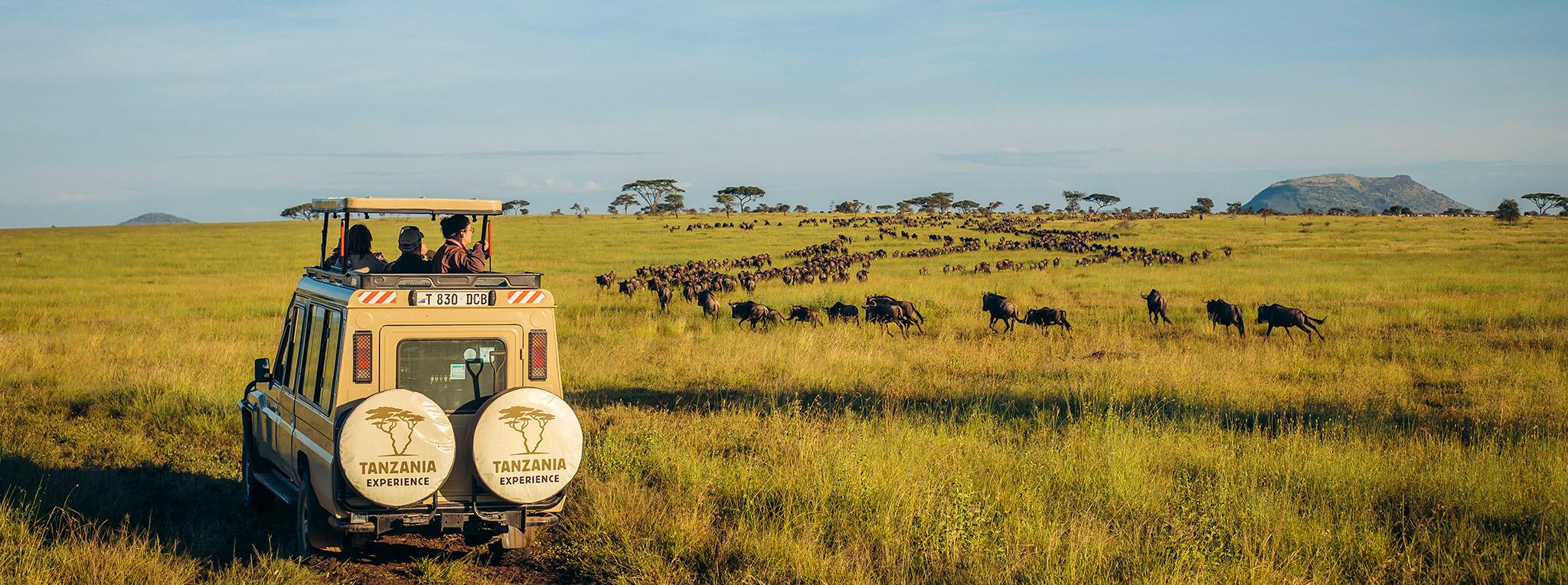
The Serengeti National Park, spanning 14,750 square kilometers, is one of Africa’s most celebrated wildlife reserves. Its vast savannahs, acacia-dotted landscapes, and rich biodiversity make it a UNESCO World Heritage Site. In 2025, the park continues to captivate travelers with its Great Migration, where over 2 million wildebeests, zebras, and gazelles traverse the plains in search of greener pastures, pursued by predators. My first-hand experience camping near the Seronera River revealed the raw beauty of the Serengeti—waking up to the distant roar of lions and watching a cheetah sprint across the plains was unforgettable.
The park’s appeal lies in its diverse ecosystems, from grassy plains to woodlands, supporting over 500 bird species and the Big Five (lion, leopard, elephant, buffalo, and rhino). Unlike other safari destinations, the Serengeti offers a front-row seat to nature’s drama, whether it’s a lioness hunting or a herd crossing the Mara River. According to a 2024 study by the Tanzania National Parks Authority, the Serengeti welcomed over 350,000 visitors in 2023, a 15% increase from 2022, reflecting its growing popularity. For more on its history, check Wikipedia’s Serengeti page.
The Great Migration: Nature’s Greatest Spectacle
What Makes the Great Migration Unique?
The Great Migration is the Serengeti’s crown jewel, a cyclical journey of 1.5 million wildebeests and other herbivores that draws global attention. This natural phenomenon, occurring between June and October for river crossings and January to March for calving season, is a bucket-list experience. In 2025, expect peak migration viewing in the Western Corridor (May–July) and Northern Serengeti (July–October). I witnessed the Mara River crossings in August 2024, where crocodiles ambushed wildebeests—a heart-pounding spectacle. The Tanzania Tourism Board provides detailed migration updates.
Best Times to Witness the Migration
Timing your visit is crucial for an optimal Serengeti safari experience. Here’s a breakdown:
| Month | Migration Highlight |
|---|---|
| January–March | Calving season in Southern Serengeti—ideal for predator action. |
| April–May | Herds move to Western Corridor, lush landscapes post-rainy season. |
| June–July | Grumeti River crossings, dramatic predator-prey interactions. |
| August–October | Mara River crossings in Northern Serengeti, peak tourist season. |
| November–December | Herds return south, quieter season with fewer crowds. |
For real-time updates, follow @TanzaniaParks on X.
Serengeti Safari Costs: Is It Worth the Price?
Breaking Down the Costs
A Serengeti safari can be expensive, but the experience justifies the investment. Average costs range from $300 to $1,500 per person per day, depending on accommodation, tour type, and season. Budget travelers can opt for group camping safaris ($300–$500/day), while luxury lodges like Four Seasons Serengeti can exceed $1,200/day. Park fees ($70–$100/day) and international flights ($800–$2,000 round-trip) add to the cost. My 5-day mid-range safari in 2024 cost $2,800, including flights from Arusha, lodging, and guides, offering excellent value for the experience.
Budget vs. Luxury: Which Offers Better Value?
| Option | Pros & Cons |
|---|---|
| Budget Camping | Affordable, immersive, basic amenities. Limited privacy, shared facilities. |
| Mid-Range Lodges | Comfortable, private tents, good balance of cost and luxury. |
| Luxury Lodges | Gourmet dining, spa services, exclusivity. High cost, less “wild” feel. |
A 2024 survey by SafariBookings found that 65% of travelers preferred mid-range options for their blend of authenticity and comfort. For budget tips, visit SafariBookings.
Unique Experiences Beyond the Migration
Hot Air Balloon Safaris
A hot air balloon safari offers a bird’s-eye view of the Serengeti’s vastness. Priced at $500–$600 per person, these dawn rides reveal herds stretching to the horizon. My balloon ride in July 2024, followed by a champagne breakfast, was a highlight, showcasing the park’s scale. Book through operators like Serengeti Balloon Safaris.
Cultural Encounters with the Maasai
The Serengeti borders Maasai communities, offering cultural tours to learn about their traditions. Visiting a boma (village) near the park, I learned about Maasai beadwork and cattle herding, adding depth to my trip. These experiences cost $20–$50 and support local communities. Learn more at Tanzania Cultural Tourism.
Night Game Drives
Since 2023, select operators offer night game drives, revealing nocturnal animals like aardvarks and hyenas. These cost $100–$150 per person and require advance booking. My night drive near Seronera revealed a leopard stalking under moonlight—an unforgettable moment.
Best Times to Visit the Serengeti in 2025
Dry Season (June–October)
The dry season is peak safari time, with clear skies, easy wildlife spotting, and Mara River crossings. However, expect higher prices and crowds. August 2024 data from TANAPA showed 70% park capacity during this period.
Wet Season (November–May)
The wet season offers lush landscapes, fewer tourists, and lower costs (up to 30% savings). The calving season (January–March) is ideal for predator sightings. I visited in April 2024, enjoying vibrant greenery and newborn animals, though occasional rains required flexibility.
| Season | Advantages & Challenges |
|---|---|
| Dry Season | Best wildlife viewing, high costs, crowded. |
| Wet Season | Lower costs, lush scenery, potential rain disruptions. |
Planning Your Serengeti Safari: Practical Tips
Choosing the Right Tour Operator
Selecting a reputable operator is critical. Look for companies registered with the Tanzania Association of Tour Operators (TATO). I booked with Kipepeo Tours, praised for their knowledgeable guides and sustainable practices. Check reviews on TripAdvisor.
Packing Essentials
Pack neutral-colored clothing, binoculars, and a good camera. My Nikon Z50 with a 200mm lens captured stunning wildlife shots. Sunscreen, insect repellent, and sturdy boots are must-haves. For a detailed packing list, see Lonely Planet’s Tanzania Guide.
Health and Safety
Vaccinations (yellow fever, malaria prophylaxis) are recommended. I used mefloquine for malaria prevention without side effects. Carry a first-aid kit and stay hydrated. The CDC’s Tanzania Travel Health page offers updated advice.
Sustainability and Conservation in the Serengeti
The Serengeti faces threats like poaching and climate change. In 2024, TANAPA reported a 10% decline in black rhino populations due to illegal hunting. Supporting eco-friendly operators and lodges, like Serengeti Simba Lodge, helps fund conservation. My visit to a rhino conservation project near Ndutu highlighted the importance of community-driven efforts. Follow @WWF_Tanzania for updates on conservation initiatives.
Case Study: A Family’s Serengeti Adventure
In 2024, the Johnson family from Seattle shared their 7-day Serengeti safari experience. Spending $12,000 for a family of four, they stayed at Serengeti Serena Safari Lodge and witnessed the Great Migration in August. “The kids were thrilled seeing baby elephants and learning from our Maasai guide,” said Sarah Johnson. Their itinerary included a balloon ride and cultural tour, blending adventure and education. This case underscores the Serengeti’s appeal for families, with operators offering child-friendly activities.
Comparing the Serengeti to Other Safari Destinations
| Destination | Key Features & Drawbacks |
|---|---|
| Serengeti, Tanzania | Great Migration, Big Five, vast landscapes. Higher costs. |
| Maasai Mara, Kenya | Similar migration, smaller park, more crowded. |
| Kruger, South Africa | Affordable, self-drive options, less dramatic migration. |
| Okavango Delta, Botswana | Unique water-based safaris, expensive, remote. |
The Serengeti’s scale and migration set it apart, though budget travelers may prefer Kruger. For comparisons, visit National Geographic’s Safari Guide.
Final Thoughts: Is the Serengeti Worth It in 2025?
The Serengeti National Park is worth every penny for its unmatched wildlife, breathtaking landscapes, and cultural richness. Whether you’re chasing the Great Migration, floating above the plains, or connecting with Maasai communities, the Serengeti delivers transformative experiences. By planning strategically—choosing the right season, operator, and budget—you’ll create memories that last a lifetime. Start your journey at Tanzania Tourism or connect with travelers on @SerengetiTravel.