








Planning a safari in East Africa and wondering which is safer: Tanzania or Kenya? Both countries are iconic for their breathtaking wildlife, vibrant cultures, and stunning landscapes, but safety is a top concern for travelers. Tanzania generally ranks as safer due to lower crime rates and greater political stability, while Kenya offers robust tourist infrastructure but faces higher risks in certain areas. This comprehensive guide dives into safety considerations, travel tips, and first-hand insights to help you choose the best destination for your 2025 adventure, ensuring a secure and unforgettable experience.
Why Safety Matters for Your East African Safari
Safety is paramount when planning a trip to East Africa, where remote national parks, bustling cities, and unique cultural experiences await. Tanzania and Kenya are both safe for tourists in major safari zones, but differences in crime rates, political stability, and infrastructure require careful consideration. As someone who has traveled extensively through both countries, I’ve experienced the warmth of local communities and the thrill of safaris, but I’ve also navigated challenges like urban petty crime and unpredictable roads. This article combines personal insights, updated 2025 data, and expert advice to guide your decision.
Safety Overview: Tanzania vs Kenya in 2025
Tanzania: A Beacon of Stability
Tanzania is renowned for its political stability and low crime rates, making it a top choice for travelers seeking peace of mind. The country’s northern safari circuit, including Serengeti National Park, Ngorongoro Crater, and Zanzibar’s beaches, is well-policed and tourist-friendly. According to the 2025 World Bank Governance Indicators, Tanzania ranks higher than Kenya in political stability, with fewer incidents of civil unrest. Petty crimes like pickpocketing occur in cities like Dar es Salaam and Arusha, but serious incidents are rare. My experience in Arusha felt welcoming, though I kept valuables secure in crowded markets.
Kenya: Developed Infrastructure with Regional Risks
Kenya boasts a more developed tourism infrastructure, with six international airports and better public transport, but it faces higher crime rates in certain areas. The Maasai Mara and Amboseli National Park are safe havens for tourists, but northern border regions near Somalia, Ethiopia, and South Sudan carry risks of terrorism and banditry. The U.S. Embassy in Nairobi issued a 2025 security alert highlighting persistent threats in urban areas like Eastleigh and Kibera. During my stay in Nairobi, I felt secure in tourist areas but avoided walking alone at night.
Crime Rates and Safety Statistics
Tanzania has lower violent crime rates compared to Kenya, with 6.5 incidents per 100,000 people versus Kenya’s 8.2, according to 2024 UNODC data. Kenya’s proximity to Somalia contributes to occasional terrorist threats, though these rarely target tourists. Tanzania’s tourist police unit is highly effective, patrolling popular destinations like Serengeti and Zanzibar. Kenya’s tourist police are equally dedicated but stretched thinner due to higher urban crime. Both countries prioritize tourist safety, with 24/7 Askari security at safari camps and lodges.
“I felt safer in Tanzania’s national parks than in Nairobi’s busy streets. The guides were vigilant, and the camps felt like safe havens,” says Sarah, a solo traveler from Canada who visited both countries in 2024.
Health Precautions for Safe Travel
Malaria and Vaccinations
Malaria is a risk in both countries, especially in low-altitude areas like the Serengeti and Maasai Mara. Consult your doctor for antimalarial medication and use DEET-based repellents. Yellow fever vaccination is mandatory for Kenya and recommended for Tanzania, particularly if transiting through endemic areas. In 2025, Tanzania reported fewer Mpox cases than Kenya, but strict hygiene practices are advised in both destinations. My tip: Pack long-sleeved clothing for evening game drives to minimize mosquito exposure.
Healthcare Access
Kenya has a more developed healthcare system, with better-equipped hospitals in Nairobi and Mombasa. Tanzania’s medical facilities are limited outside Dar es Salaam, often requiring air evacuation for serious cases. Travel insurance with medical evacuation coverage is non-negotiable for both destinations. During my Tanzanian safari, a fellow traveler needed minor treatment, and our tour operator swiftly arranged care in Arusha, highlighting the importance of reliable guides.
Transportation Safety: Getting Around Tanzania and Kenya
Public Transport and Roads
Kenya’s public transport is more accessible, with frequent buses and matatus (minibuses), but overcrowding and poor safety records make private transfers safer. Tanzania’s buses are less reliable, and roads outside Arusha can be unpredictable. Private 4×4 vehicles with experienced drivers are the gold standard for safaris in both countries. I found Kenya’s roads to the Maasai Mara bumpier than expected, but our driver’s expertise made the journey smooth.
Air Travel
Both countries offer reliable domestic flights to safari destinations. Kenya’s Jomo Kenyatta International Airport and Tanzania’s Kilimanjaro International Airport are major hubs. Tanzania’s larger size means longer travel times, often requiring light aircraft transfers, which are safe but costly. Kenya’s airfares are generally cheaper due to higher competition.
Safari Safety: Wildlife and Guided Tours
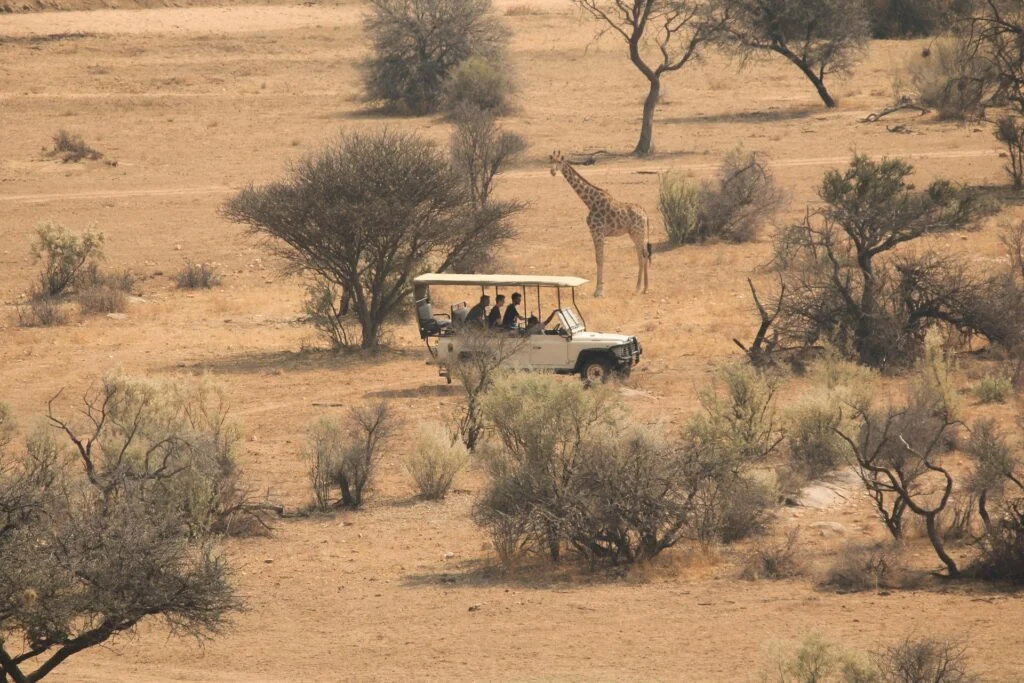
Safari areas in Tanzania and Kenya are among the safest places for visitors, with strict protocols ensuring guest safety. Trained guides accompany all game drives, and most camps have 24-hour security. In Tanzania’s Ngorongoro Crater, I witnessed guides expertly manage a close encounter with a lion pride, keeping us at a safe distance. Kenya’s Maasai Mara offers similar professionalism, though crowded river crossings during the Great Migration can feel chaotic. Choose reputable tour operators like Asilia Africa or Go2Africa to ensure safety and quality.
Cultural and Social Safety Considerations
Respecting Local Customs
Respecting cultural norms enhances safety in both countries. Dress conservatively in coastal Muslim areas like Zanzibar or Mombasa, and avoid photographing people without permission. Tanzania’s “pole pole” (slow and steady) vibe contrasts with Kenya’s more assertive business culture, which can feel overwhelming in markets. I learned basic Swahili phrases like “Jambo” (hello) to build rapport with locals, enhancing my experience.
LGBTQ+ and Solo Female Travelers
Both countries have laws against homosexuality, but safari lodges are generally inclusive. Avoid public displays of affection to stay respectful. Solo female travelers are safe in tourist areas, but I recommend joining group tours for added security. A female friend who traveled solo to Tanzania’s Serengeti in 2024 felt empowered and secure with her guide’s constant support.
Regional Risks to Avoid
Avoid Tanzania’s southern border with Mozambique due to instability, and steer clear of Kenya’s northern borders with Somalia, Ethiopia, and South Sudan, where terrorism and banditry risks persist. In Tanzania, piracy concerns in the Indian Ocean make coastal sailing risky. Check travel advisories from Smartraveller or Travel.State.Gov before planning.
Cost and Infrastructure: Impact on Safety
Kenya is more budget-friendly, with lower park fees and accommodation costs, but Tanzania’s higher taxes can inflate safari expenses. Kenya’s developed infrastructure means quicker access to emergency services, while Tanzania’s remote parks require careful planning. Tanzania’s quieter parks offer a less crowded experience, which many travelers, including myself, find enhances the sense of safety and immersion.
Comparison Table: Tanzania vs Kenya Safety Factors
| Factor | Tanzania | Kenya |
|---|---|---|
| Crime Rate | Lower (6.5 per 100,000) | Higher (8.2 per 100,000) |
| Political Stability | High, fewer incidents of unrest | Moderate, occasional election-related protests |
| Tourist Police | Effective, visible in major tourist areas | Dedicated but stretched in urban areas |
| Healthcare Access | Limited outside Dar es Salaam | More developed in Nairobi and Mombasa |
| Public Transport Safety | Less reliable, safer with private transfers | More accessible but riskier due to overcrowding |
| Safari Safety | Highly secure with professional guides | Secure but can be crowded during Great Migration |
| Border Risks | Avoid southern Mozambique border | Avoid northern borders with Somalia, Ethiopia, South Sudan |
| Malaria Risk | High in low-altitude areas, antimalarials needed | High, especially outside Nairobi; antimalarials needed |
| Yellow Fever Vaccination | Recommended, required if from endemic areas | Mandatory |
| Cost of Travel | Higher due to taxes and park fees | More budget-friendly |
| Infrastructure | Developing, remote areas less accessible | More developed, better road and air networks |
| Crowds | Quieter, fewer tourists | Busier, especially in Maasai Mara during migration |
| Cultural Vibe | “Pole pole” mentality, less commercial | Assertive, business-oriented culture |
Travel Tips for a Safe Safari in 2025
- Book with Reputable Operators: Choose companies with strong safety records, like Tanzania-Experience or Kenya-Experience.
- Stay Informed: Monitor travel advisories via GOV.UK for real-time updates.
- Secure Valuables: Use hotel safes and avoid flashy displays of wealth.
- Health Precautions: Carry antimalarials, insect repellent, and proof of yellow fever vaccination.
- Respect Wildlife: Follow guide instructions during game drives to avoid animal-related risks.
- Use Private Transfers: Opt for 4×4 vehicles over public transport for safety and comfort.
- Learn Basic Swahili: Phrases like “Hakuna Matata” (no worries) build goodwill with locals.
Unique Insights from the Field
During my 2024 Tanzania safari, I joined a small group in Tarangire National Park, where our guide’s knowledge of elephant behavior kept us safe during a close encounter. In Kenya’s Amboseli, the backdrop of Mount Kilimanjaro felt magical, but crowded river crossings in the Maasai Mara required patience. Tanzania’s quieter parks offered a more intimate experience, while Kenya’s vibrant energy suited travelers seeking cultural immersion. Combining both countries in a cross-border safari maximizes wildlife viewing and balances safety with adventure.
Conclusion: Tanzania or Kenya for Your 2025 Safari?
Tanzania edges out as the safer choice for its political stability, lower crime rates, and quieter parks, ideal for travelers prioritizing tranquility. Kenya shines for budget-conscious adventurers with its robust infrastructure and diverse accommodation. Both offer world-class safaris, but your choice depends on preferences: Tanzania for serenity, Kenya for vibrancy. Connect with local experts on X @AsiliaAfrica or X @Go2Africa for tailored advice. Ready to plan your dream safari? Visit Wikipedia: African Safari for more inspiration!