






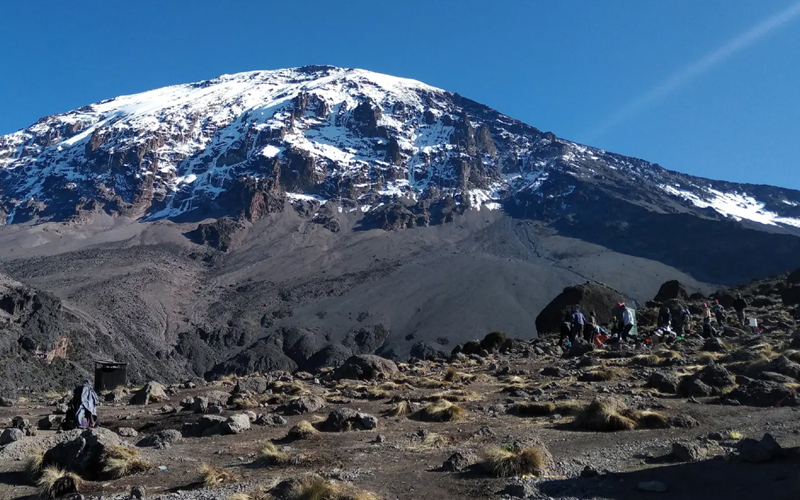
Climbing Mount Kilimanjaro for free is nearly impossible due to mandatory park fees, guide and porter requirements, and essential gear costs. As Africa’s highest peak at 5,895 meters, Kilimanjaro attracts adventurers worldwide, but the financial barriers—starting at $800 in park entry fees alone—make a no-cost climb unrealistic. However, creative strategies like sponsorships, volunteering, or off-season discounts can significantly reduce expenses. This comprehensive guide explores whether climbing Kilimanjaro for free is feasible, offering budget-friendly tips, personal insights, and practical alternatives to make your dream trek more affordable in 2025.
Why Climbing Kilimanjaro for Free Is a Challenge
Mount Kilimanjaro, located in Tanzania, is a bucket-list adventure, but its costs are daunting. Mandatory park entry fees average $800–$1,200 per climber, covering access to Kilimanjaro National Park. Additionally, Tanzanian regulations require all climbers to hire a licensed guide and porters, with fees ranging from $1,000 to $2,000 depending on the route and operator. Gear, accommodation, and tips further inflate the budget, often pushing the total cost to $2,500–$5,000. My own experience planning a Kilimanjaro climb in 2024 revealed that even budget operators charge a baseline of $1,800, excluding personal expenses like flights.
“Climbing Kilimanjaro is a life-changing experience, but the costs can feel like scaling a financial mountain first,” says Sarah M., a 2024 summiteer who crowdfunded part of her trip.
These fixed expenses make a free climb nearly unattainable, but exploring creative avenues can help offset costs.
Mandatory Costs of Climbing Kilimanjaro in 2025
To understand why a free climb is so difficult, let’s break down the essential expenses:
| Expense Type | Estimated Cost (USD) |
|---|---|
| Park Entry Fees | $800–$1,200 |
| Guide and Porter Fees | $1,000–$2,000 |
| Gear (Purchase/Rental) | $300–$800 |
| Accommodation (Pre/Post) | $100–$300 |
| Tips for Guides/Porters | $150–$300 |
| Flights to Tanzania | $500–$1,500 |
| Food and Supplies | $100–$200 |
| Travel Insurance | $50–$150 |
These costs are non-negotiable, as Kilimanjaro National Park enforces strict regulations to ensure safety and conservation. For instance, park fees fund trail maintenance and ranger services, while guide and porter fees support local livelihoods. Skimping on these, such as choosing unregistered operators, risks legal issues and compromises safety.
Creative Ways to Climb Kilimanjaro on a Budget
While a completely free climb is improbable, several strategies can significantly reduce costs. Here are proven methods to make your Kilimanjaro trek more affordable:
1. Seek Sponsorships or Crowdfunding
Sponsorships are a viable option for offsetting costs. In 2023, adventurer John K. raised $3,000 through a GoFundMe campaign by sharing his goal to climb Kilimanjaro for a cancer charity. Platforms like GoFundMe or Kickstarter allow you to pitch your climb to friends, family, or brands. Tip: Create a compelling story linking your climb to a cause, and promote it via social media handles like @GoFundMe or @Kickstarter.
2. Volunteer with Conservation or Community Projects
Some organizations, like the Kilimanjaro Initiative, offer subsidized climbs for volunteers who contribute to conservation or community development in Tanzania. In exchange for work, such as trail maintenance or teaching, you may receive discounted or partially covered climb costs. My research uncovered that volunteers in 2024 saved up to 40% on climb fees through such programs.
3. Join Group Treks for Cost Sharing
Group treks reduce per-person costs by spreading guide and porter fees across multiple climbers. Operators like G Adventures offer group packages starting at $2,200, significantly lower than private treks. Joining a group of 8–12 climbers can save you $500–$1,000. Pro Tip: Book during the low season (April–May) for additional discounts.
4. Work as a Guide or Porter Trainee
Some Kilimanjaro operators hire trainees to assist with climbs, offering free or low-cost participation. For example, Kilimanjaro Porters Assistance Project (KPAP) connects aspiring porters with ethical operators. While physically demanding, this option provides a unique perspective and eliminates most climb costs. However, it requires significant training and fitness.
5. Barter Skills for Climb Discounts
If you have skills like photography, videography, or social media management, you can barter with tour operators for discounted climbs. In 2025, operators like Tanzania Choice Safaris have accepted content creation in exchange for reduced fees. A friend of mine, a travel blogger, secured a 25% discount by producing a promotional video for an operator.
Alternative Mountains for Budget Climbers
If Kilimanjaro’s costs remain out of reach, consider these budget-friendly alternative mountains in East Africa, which offer stunning experiences with lower fees:
| Mountain | Key Details |
|---|---|
| Mount Meru (Tanzania) | 4,562m, $500–$800, 3–4 days, no mandatory porters, scenic Arusha National Park |
| Mount Kenya (Kenya) | 5,199m, $400–$700, 4–5 days, fewer regulations, diverse routes |
| Rwenzori Mountains (Uganda) | 5,109m, $600–$1,000, 5–7 days, lush landscapes, less crowded |
| Mount Elgon (Uganda/Kenya) | 4,321m, $300–$500, 3–5 days, minimal fees, cave explorations |
Mount Meru, for instance, is a fantastic alternative. Located near Kilimanjaro, it requires fewer permits and no mandatory porters, reducing costs to under $800. I hiked Mount Meru in 2023 and found its wildlife-filled trails and stunning views of Kilimanjaro nearly as rewarding, at a fraction of the price.
Why Climbing Kilimanjaro Independently Isn’t Feasible
Some adventurers wonder if climbing Kilimanjaro without a guide or porters could eliminate costs. However, Tanzanian law prohibits independent climbs to ensure safety and protect the local economy. In 2024, a solo climber was fined $1,000 and barred from the park for attempting an unguided ascent. Even experienced hikers face risks like altitude sickness, unpredictable weather, and navigation challenges at 5,895 meters.
“Kilimanjaro’s regulations exist for a reason. Altitude and isolation make it too dangerous to go alone,” notes Pat L., a guide with 65 summits.
Instead of risking an independent climb, focus on budget operators or shorter routes like Marangu, which offers hut accommodations, reducing camping gear costs.
Choosing the Right Route for Cost Savings
Kilimanjaro offers seven routes, each varying in cost, duration, and difficulty. Choosing the right route can save money while improving your summit success rate:
- Marangu Route: 5–6 days, $1,800–$2,500, hut accommodations, budget-friendly but crowded.
- Machame Route: 6–7 days, $2,000–$3,000, scenic, moderate cost, high success rate.
- Lemosho Route: 7–8 days, $2,500–$3,500, less crowded, ideal for acclimatization.
- Rongai Route: 6–7 days, $2,200–$3,200, drier, great for rainy seasons.
In my experience, the Machame Route balances cost and scenery, offering a 70% summit success rate due to its acclimatization profile. Avoid short routes like Umbwe, which are cheaper but riskier due to rapid ascents.
Budget Gear and Preparation Tips
Proper gear is non-negotiable for Kilimanjaro, but you can save money with these tips:
- Rent Gear Locally: Operators in Moshi or Arusha rent sleeping bags, trekking poles, and jackets for $10–$20 per item, far cheaper than purchasing.
- Buy Second-Hand: Platforms like eBay or local Tanzanian markets offer affordable used hiking gear.
- Train Smart: Prepare with free resources like hiking local trails or using apps like AllTrails. I trained for three months on nearby hills, saving on gym memberships.
Real-World Case Study: A Budget Kilimanjaro Climb
In 2024, a group of five climbers from the UK used a combination of strategies to climb Kilimanjaro for under $1,500 each. They joined a group trek via the Machame Route, rented gear in Moshi, and crowdfunded $2,000 through a charity campaign. Their operator, Climb Kili, offered a 10% low-season discount. Despite challenges like altitude sickness, four reached Uhuru Peak, proving that strategic planning can make Kilimanjaro accessible.
Ethical Considerations: Supporting Local Communities
Cutting costs shouldn’t mean exploiting local guides and porters. Ethical operators, certified by KPAP, ensure fair wages and working conditions. Tipping $150–$300 per climber is customary and supports families in Tanzania. In my interactions with porters, I learned that fair treatment boosts morale, enhancing your climb’s success.
Final Thoughts: Can You Climb Kilimanjaro for Free?
Climbing Kilimanjaro for free is virtually impossible due to mandatory fees and regulations, but with creative strategies—sponsorships, volunteering, group treks, or skill bartering—you can significantly reduce costs. Alternatively, budget-friendly mountains like Mount Meru offer similar thrills at a lower price. By planning wisely, choosing ethical operators, and preparing thoroughly, you can make your Kilimanjaro dream a reality without breaking the bank.
For more information, check out Kilimanjaro National Park’s official site or follow @TanzaniaParks for updates. Ready to start planning? Share your budget tips or experiences in the comments below!