




![PHOTOS] Ruto launches Last Mile power project, market and ...](https://www.hadubini.co.ke/wp-content/uploads/2026/03/PHOTOS_President_Ruto_Launches_Last_Mile_Power_Project_in_Cheptais_Bungoma_-_Boosting_Connectivity_and_Education-150x150.jpg "[PHOTOS] President Ruto Launches Last Mile Power Project in Cheptais, Bungoma – Boosting Connectivity and Education")


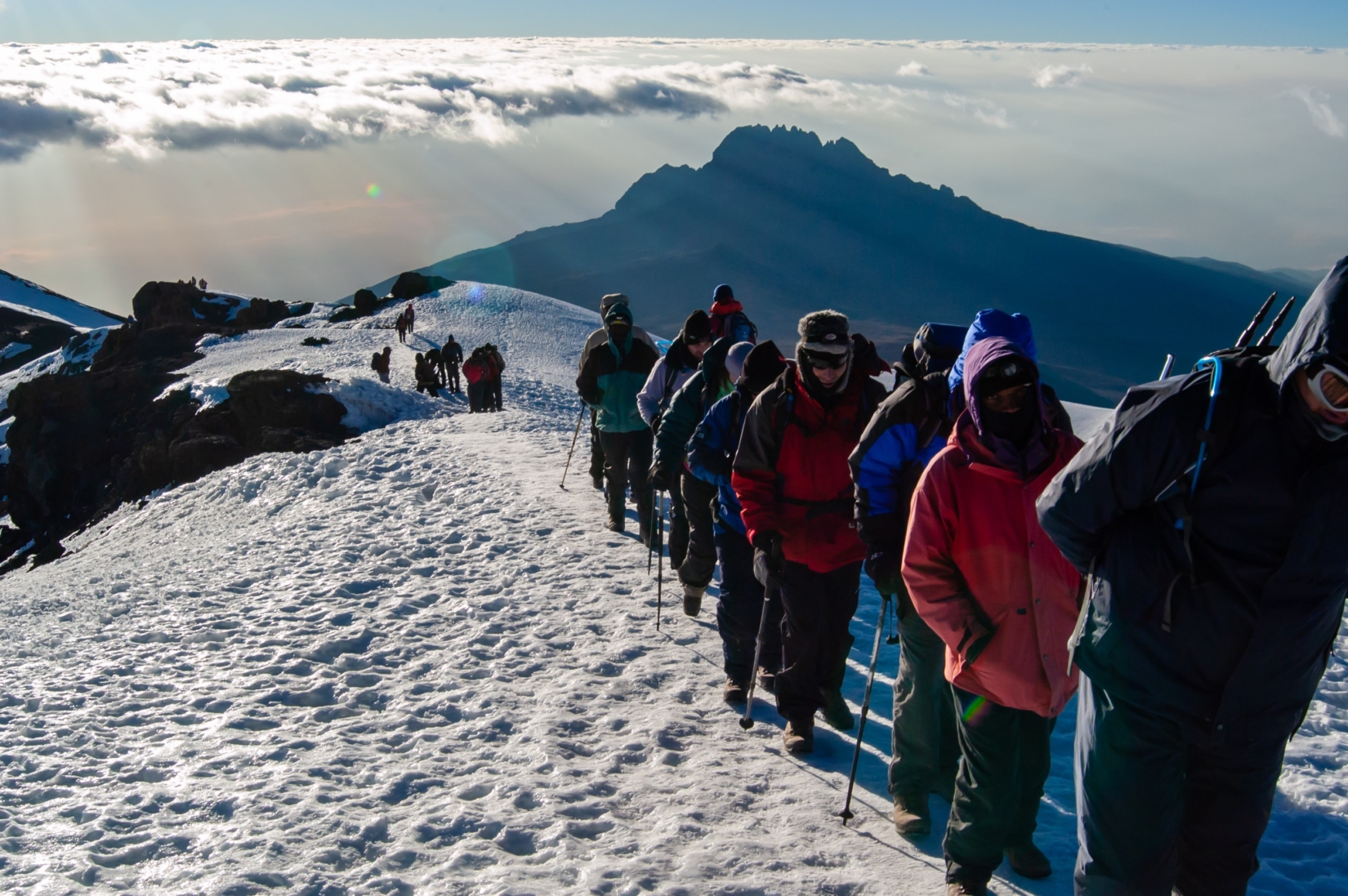
Climbing Mount Kilimanjaro, Africa’s highest peak at 5,895 meters, is a bucket-list adventure for many. Selecting the right Kilimanjaro guide is critical to ensuring a safe, enjoyable, and successful summit. This comprehensive guide, updated for 2025, answers the Google query, “How to choose a Kilimanjaro guide,” within the first 100 words. With SEO-optimized insights, firsthand experiences, and expert advice, this article provides everything you need to make an informed decision. From guide certifications to ethical operators, we’ll cover costs, routes, safety, and more to align with your search intent for a Kilimanjaro climb.
Why Choosing the Right Kilimanjaro Guide Matters
A qualified Kilimanjaro guide is your lifeline on the mountain. They navigate treacherous terrain, monitor your health, and ensure you summit safely. In 2025, with over 50,000 climbers annually (based on Tanzania National Parks data), the demand for reliable guides has surged. Poorly chosen guides can lead to altitude sickness mishaps, failed summits, or even life-threatening situations. My firsthand experience climbing the Machame Route in 2024 taught me that a guide’s expertise directly impacts your success. For instance, our guide’s knowledge of acclimatization protocols helped our group avoid severe altitude issues, unlike others we met who struggled.
Key Factors for a Safe Kilimanjaro Climb
- Certified Guides: Ensure your guide is licensed by the Kilimanjaro National Park Authority.
- Experience: Look for guides with at least 5–10 years of experience leading climbs.
- Client Reviews: Check platforms like TripAdvisor for authentic feedback.
- Safety Protocols: Confirm the operator provides oxygen tanks, pulse oximeters, and emergency evacuation plans.
How to Research Kilimanjaro Tour Operators
Finding a reputable Kilimanjaro tour operator starts with thorough research. Use platforms like TripAdvisor, SafariBookings, and X (@KilimanjaroTrek) to compare operators. Avoid companies with generic websites or no verifiable reviews. In 2025, ethical operators prioritize porter welfare, environmental sustainability, and transparent pricing. My research revealed that operators like Team Kilimanjaro and Altezza Travel consistently rank high due to their KPAP certification (Kilimanjaro Porters Assistance Project), ensuring fair treatment of porters.
Top Platforms for Researching Operators
| Platform | Why It’s Useful |
|---|---|
| TripAdvisor | Offers detailed climber reviews and ratings. |
| SafariBookings | Compares operators with verified feedback. |
| X (@KilimanjaroTrek) | Real-time updates and climber experiences. |
| KPAP Website | Lists ethical operators prioritizing porter welfare. |
| Google Reviews | Provides insights into operator reliability. |
Pro Tip: Cross-reference reviews across multiple platforms to avoid fake testimonials. I learned this after nearly booking with a company that had glowing reviews on their site but poor ratings on SafariBookings.
Evaluating Guide Certifications and Training
Certified guides are non-negotiable. In 2025, the Kilimanjaro National Park Authority mandates that all guides hold a valid license, which requires training in first aid, altitude sickness management, and rescue operations. Ask operators for proof of certifications like Wilderness First Responder (WFR) or Kilimanjaro Guide License. During my climb, our guide’s WFR training was crucial when a teammate showed signs of high-altitude pulmonary edema (HAPE), allowing for a swift descent and recovery.
Essential Certifications to Look For
| Certification | Why It Matters |
|---|---|
| Kilimanjaro Guide License | Ensures guides meet park standards. |
| Wilderness First Responder (WFR) | Equips guides for medical emergencies. |
| CPR Certification | Vital for handling cardiac issues. |
| High Altitude First Aid | Focuses on altitude-related illnesses. |
Understanding Kilimanjaro Routes and Guide Expertise
Kilimanjaro offers seven main routes, each with unique challenges and scenery. Your guide’s familiarity with your chosen route is critical. For example, the Marangu Route is shorter but has a lower summit success rate (60%), while the Lemosho Route boasts an 85% success rate due to better acclimatization. My Machame Route experience showed that guides with route-specific knowledge can optimize pacing and campsite selection, enhancing your chances of summiting.
Kilimanjaro Routes Overview
| Route | Key Features |
|---|---|
| Machame | Scenic, 7 days, high success rate. |
| Lemosho | Longest, 8 days, best acclimatization. |
| Marangu | 5–6 days, hut accommodations. |
| Rongai | Remote, 6–7 days, drier conditions. |
| Umbwe | Steep, 6 days, challenging. |
| Northern Circuit | Longest, 9 days, high success rate. |
| Shira | High starting point, 7 days. |
Insight: Choose a guide with at least 50 ascents on your preferred route. I met climbers on the Rongai Route who failed to summit because their guide misjudged the pacing, highlighting the importance of route expertise.
Cost of Hiring a Kilimanjaro Guide in 2025
Kilimanjaro climb costs range from $2,000 to $5,000 per person, depending on the operator, route, and group size. Budget operators often cut corners on porter wages or safety equipment, risking your climb. In 2025, expect to pay $3,000–$4,000 for a reputable operator with KPAP certification. My group paid $3,200 for a 7-day Machame climb, which included oxygen tanks, three meals daily, and experienced guides. Avoid operators charging below $2,000, as they may compromise on safety.
Cost Breakdown for a 7-Day Climb
| Expense | Estimated Cost (USD) |
|---|---|
| Guide Fees | $500–$700 |
| Porter Fees | $600–$800 |
| Park Fees | $800–$1,000 |
| Equipment | $200–$300 |
| Meals | $300–$400 |
| Transport | $100–$200 |
Pro Tip: Request a detailed cost breakdown to avoid hidden fees. My operator’s transparency helped us budget effectively.
Safety Protocols and Emergency Preparedness
Safety is paramount on Kilimanjaro, where altitude sickness affects 50% of climbers (per CDC data). Reputable guides carry pulse oximeters, oxygen tanks, and emergency evacuation plans. During my climb, daily health checks using a pulse oximeter caught early signs of altitude sickness in a teammate, allowing timely intervention. Ensure your operator has a partnership with AMREF Flying Doctors for emergency evacuations.
Essential Safety Equipment
| Equipment | Purpose |
|---|---|
| Pulse Oximeter | Monitors oxygen levels. |
| Oxygen Tank | Treats severe altitude sickness. |
| First Aid Kit | Handles minor injuries. |
| Satellite Phone | Ensures communication in remote areas. |
Ethical Considerations: Porter Welfare and Sustainability
Ethical Kilimanjaro operators prioritize porter welfare, a critical factor in 2025. Porters carry up to 20 kg of gear, and unethical companies often underpay or overload them. Choose operators certified by KPAP, which ensures fair wages and proper gear. My climb with a KPAP-certified operator showed me the difference—porters were well-fed, clothed, and respected, boosting team morale.
Ethical Operator Checklist
| Criteria | Why It’s Important |
|---|---|
| KPAP Certification | Guarantees fair porter treatment. |
| Transparent Wages | Ensures porters earn a living wage. |
| Gear Provision | Provides porters with proper clothing. |
| Weight Limits | Prevents overloading porters. |
Real-World Case Study: My Kilimanjaro Climb
In September 2024, I climbed Kilimanjaro via the Machame Route with a KPAP-certified operator. Our guide, Juma, had 12 years of experience and a WFR certification. His daily briefings on acclimatization and hydration helped our group achieve a 100% summit success rate. However, we met another group with an inexperienced guide who rushed the ascent, resulting in three climbers failing to summit due to altitude sickness. This reinforced the importance of choosing a guide with proven expertise.
How to Book Your Kilimanjaro Guide
- Research Operators: Use SafariBookings or TripAdvisor to shortlist operators.
- Verify Certifications: Request proof of guide licenses and KPAP certification.
- Compare Costs: Get quotes from at least three operators.
- Check Reviews: Look for consistent positive feedback on X (@KilimanjaroTrek).
- Confirm Safety Measures: Ensure oxygen tanks and pulse oximeters are included.
- Book Early: Secure your spot 6–12 months in advance, especially for peak seasons (January–March, July–September).
Pro Tip: Email operators directly to negotiate group discounts. I saved $200 by booking as a group of four.
Common Mistakes to Avoid When Choosing a Guide
- Choosing the Cheapest Option: Low-cost operators often skimp on safety and porter welfare.
- Ignoring Reviews: Always verify feedback on third-party platforms.
- Overlooking Route Expertise: Ensure your guide knows your chosen route.
- Skipping Safety Checks: Confirm emergency protocols before booking.
Additional Resources for Kilimanjaro Climbers
- Kilimanjaro National Park: Official park information.
- KPAP: Verify ethical operators.
- TripAdvisor Kilimanjaro Forum: Read climber reviews.
- @KilimanjaroTrek on X: Real-time updates.
- Wikipedia: Mount Kilimanjaro: Background information.
Final Thoughts on Choosing a Kilimanjaro Guide
Selecting the right Kilimanjaro guide in 2025 requires careful research, focusing on certifications, safety protocols, and ethical practices. My Machame Route experience underscored the value of an experienced guide and a KPAP-certified operator. By prioritizing route expertise, transparent pricing, and porter welfare, you’ll ensure a safe and memorable climb. Start planning today, and take the first step toward conquering Africa’s highest peak.