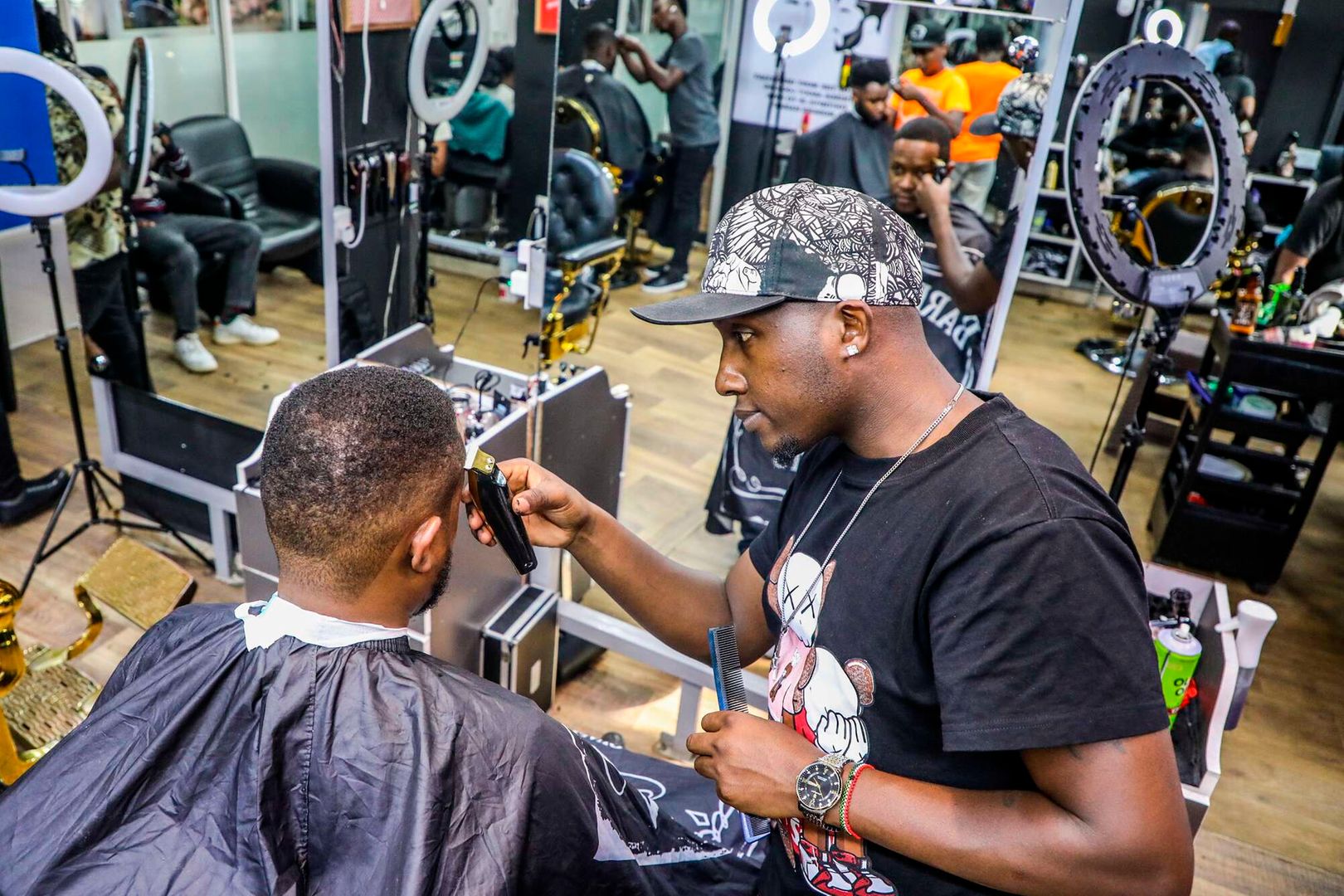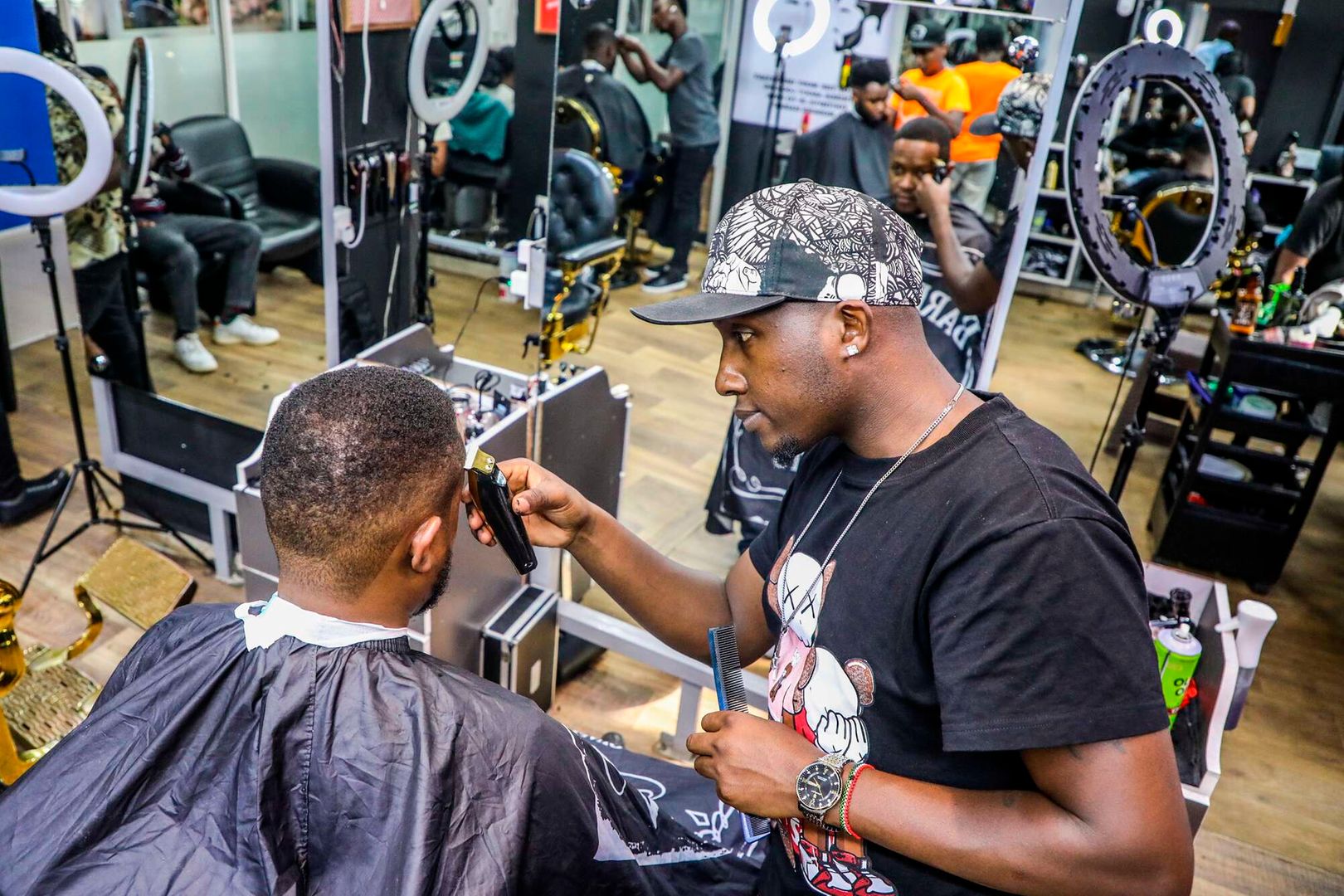









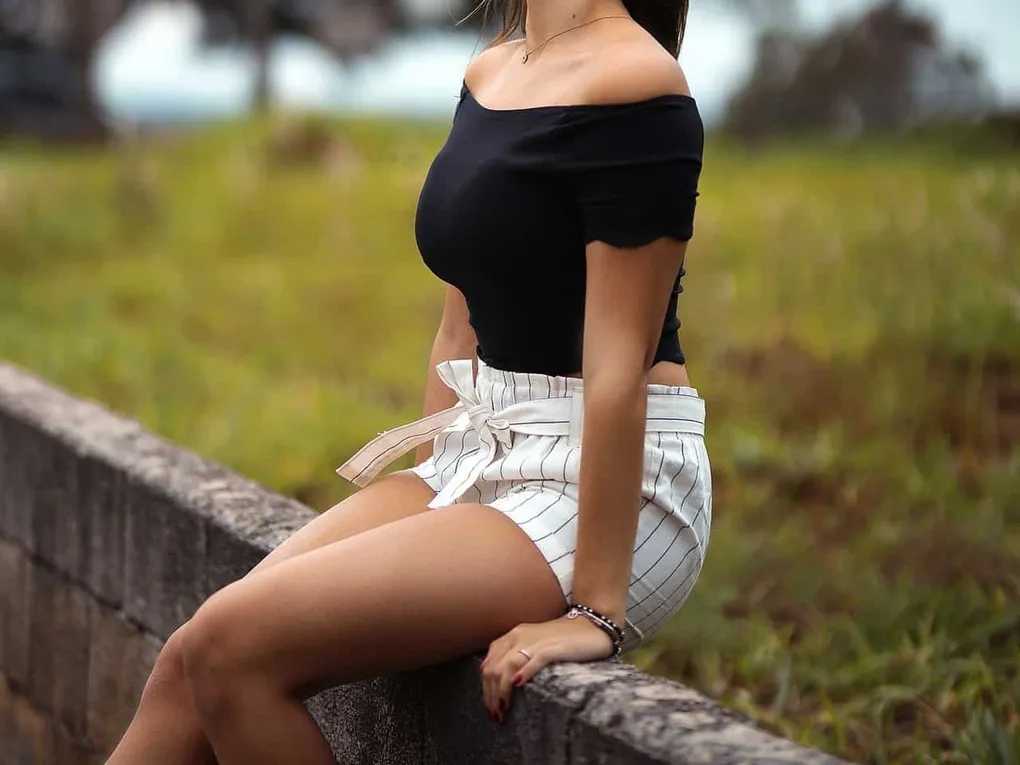
Yes, you can wear shorts in Kenya — but it depends heavily on where you are, what time of day it is, what activity you’re doing, and which part of society you’re interacting with. In modern urban areas like Nairobi, Mombasa city center, and tourist beach resorts, shorts (especially knee-length or just above the knee) are widely accepted for both men and women during the day. However, in rural villages, conservative communities, religious sites (mosques, some churches, traditional homesteads), government offices, and many formal or evening settings, shorts are considered inappropriate and can attract unwanted attention, stares, or even requests to cover up. This guide, updated for 2025–2026 travel trends, breaks down the current cultural norms, regional differences, seasonal factors, and practical packing advice so you can dress respectfully and comfortably across Kenya.
Kenya’s Dress Code Basics: Urban vs Rural, Tourist vs Local Contexts
Kenya is a diverse country with over 40 ethnic groups, major Christian and Muslim populations, and a mix of cosmopolitan cities and deeply traditional rural areas. There is no nationwide law banning shorts, but social expectations vary dramatically.
| Location / Context | Shorts Acceptable? | Recommended Length / Style for Men | Recommended Length / Style for Women | Key Notes (2025–2026) |
|---|---|---|---|---|
| Nairobi CBD, Westlands, Karen (daytime casual) | Yes – very common | Knee-length or just above | Mid-thigh to knee-length | Young professionals, expats, tourists wear shorts freely in malls, cafes, offices |
| Nairobi evenings / nightlife / formal events | No or rare | Long trousers / chinos | Long dresses, trousers, or maxi skirts | Smart casual to semi-formal expected after 6 PM in most venues |
| Mombasa / Diani / Watamu beach resorts | Yes – encouraged | Any length (swim shorts common) | Bikinis, board shorts, cover-ups | Resort areas are very relaxed; cover up when leaving beach |
| Mombasa Old Town / mosques | No | Long trousers + covered shoulders | Long skirt/dress + headscarf (often provided) | Conservative Swahili Muslim culture; respect is mandatory |
| Rural villages / Maasai / Samburu areas | Generally no | Long trousers or long shorts + shirt | Long skirt or wrap (kanga/kitenge) + covered shoulders | Traditional values prioritize modesty; shorts can offend elders |
| National parks / safari lodges (daytime) | Yes – standard | Convertible / cargo shorts common | Knee-length or longer shorts, leggings | Practicality trumps style; neutral colors preferred |
| Government offices / banks / courts | No | Long trousers + collared shirt | Long skirt/dress or trousers | Official “smart” dress code enforced |
Weather & Seasonal Considerations for Clothing Choices
Kenya’s equatorial climate means temperatures stay relatively stable year-round, but altitude and rain patterns matter.
- Nairobi (1,795 m elevation): 18–28°C daytime; cool evenings (12–16°C). Shorts comfortable most of the day, but carry a light jacket or shawl.
- Coastal lowlands (Mombasa, Malindi, Diani): 25–32°C + high humidity. Shorts, t-shirts, and light dresses are ideal; breathable fabrics essential.
- Safari regions (Maasai Mara, Amboseli, Tsavo): 20–35°C daytime; chilly mornings/evenings. Layering is key—shorts for game drives, long pants for early mornings and evenings (mosquito protection).
- Rainy seasons (March–May “long rains”, October–November “short rains”): Muddy trails and sudden downpours mean quick-dry shorts and waterproof layers work best.
Religious & Cultural Sensitivities – Where Shorts Are a Definite No
Respect is non-negotiable in these settings:
- Mosques (e.g., Jamia Mosque Nairobi, Fort Jesus area in Mombasa): Shoulders and knees must be covered; women usually need a headscarf (often loaned at entrance).
- Traditional homesteads & cultural villages: Many Maasai, Kikuyu, Luhya, and coastal Swahili families view shorts as disrespectful, especially on men interacting with elders.
- Some churches (particularly conservative Pentecostal or Catholic services): Modest dress encouraged; knee-length or longer preferred for women.
- School visits or community projects: Long clothing shows respect when interacting with children and teachers.
Practical Packing List: What to Bring for a Respectful & Comfortable Kenya Trip
- Shorts: 2–3 pairs knee-length or just above (quick-dry fabric for safaris)
- Long trousers / lightweight chinos / leggings: 2–3 pairs for evenings, rural areas, religious sites
- Lightweight long-sleeve shirts: Sun protection & modesty (roll-up sleeves)
- Modest dresses / maxi skirts (women): Versatile for coast, rural visits, evenings
- Scarf / shawl / kanga: Multi-purpose (head cover, shoulder cover, beach wrap)
- Swimwear: Fine at resorts and private beaches
- Neutral / earth-tone clothing: Best for safaris (avoid bright white/black)
- Comfortable closed shoes: Sneakers for cities, sturdy sandals/boots for bush
Common Traveler Mistakes & How to Avoid Them
- Wearing very short shorts or mini-skirts in non-tourist areas → attracts stares/harassment
- Assuming beach rules apply everywhere → changing into long clothing when leaving resorts
- Visiting rural areas in revealing clothing → can offend hosts and limit hospitality
- Forgetting sun protection → equatorial sun is intense year-round
Modern Trends & Changing Norms in Urban Kenya (2025–2026)
In Nairobi’s trendy neighborhoods (Westlands, Kilimani, Lavington), younger Kenyans and the diaspora community wear athleisure shorts, crop tops, and sporty outfits freely during the day. Influencers, university students, and creative professionals push Western casual styles. However, even in these liberal pockets, most people switch to longer, smarter outfits for evening events, business meetings, or family gatherings. The rise of digital nomads and remote workers has further normalized casual shorts in co-working spaces and cafes.
Final Verdict: When & Where You Can (and Should) Wear Shorts in Kenya
Yes — wear shorts confidently in:
- Nairobi daytime casual settings (malls, parks, offices with relaxed dress codes)
- Coastal beach resorts and hotel pools
- Safari game drives and lodge areas
- Gym, hiking trails, sports activities
No or avoid when:
- Visiting mosques, traditional villages, or conservative rural areas
- Attending formal meetings, government offices, or evening events
- Interacting with elders or in religious/community settings
Bottom line: Kenya is welcoming and forgiving toward respectful tourists. Pack versatile clothing, observe local cues, and carry a light scarf or long layer for quick changes. When in doubt, opt for knee-length or longer bottoms — you’ll blend in better, show cultural respect, and often receive warmer hospitality.
For more cultural insights, explore:
Enjoy your trip to Kenya — dress smart, stay respectful, and embrace the incredible diversity!