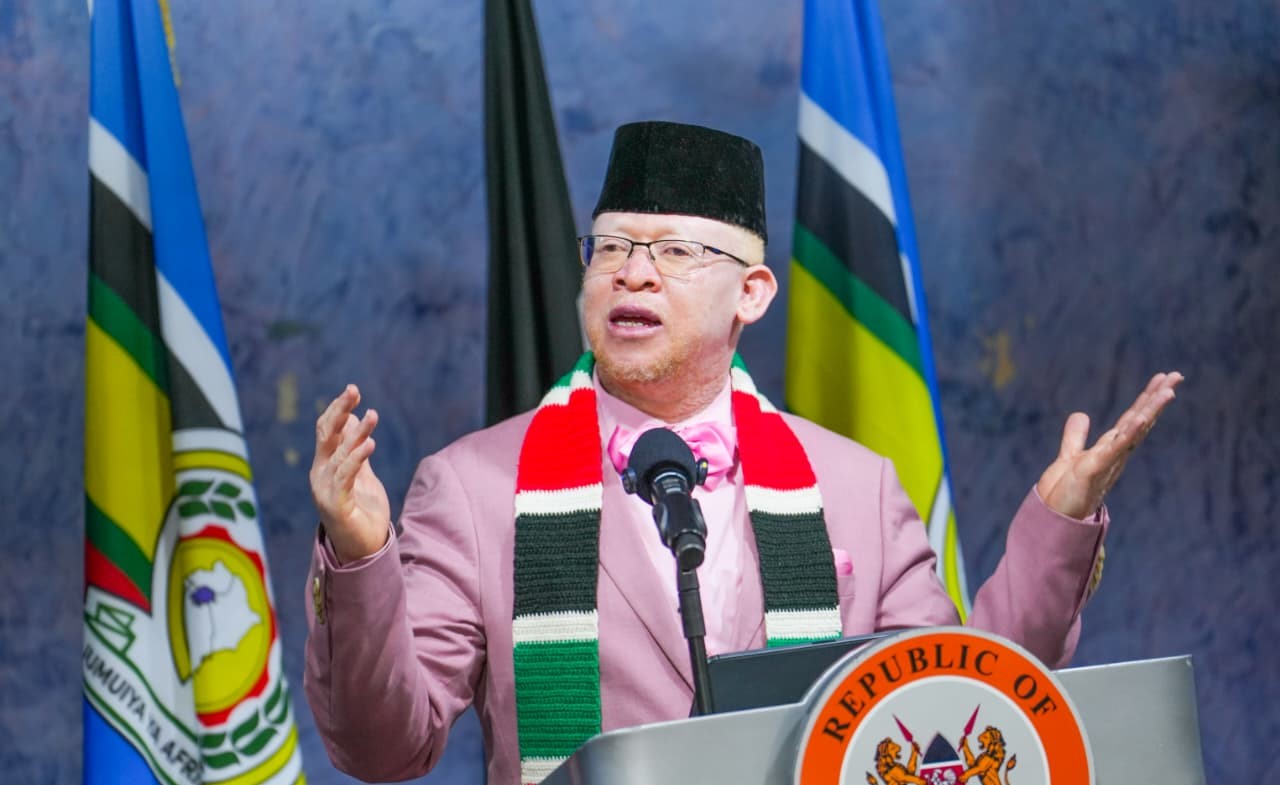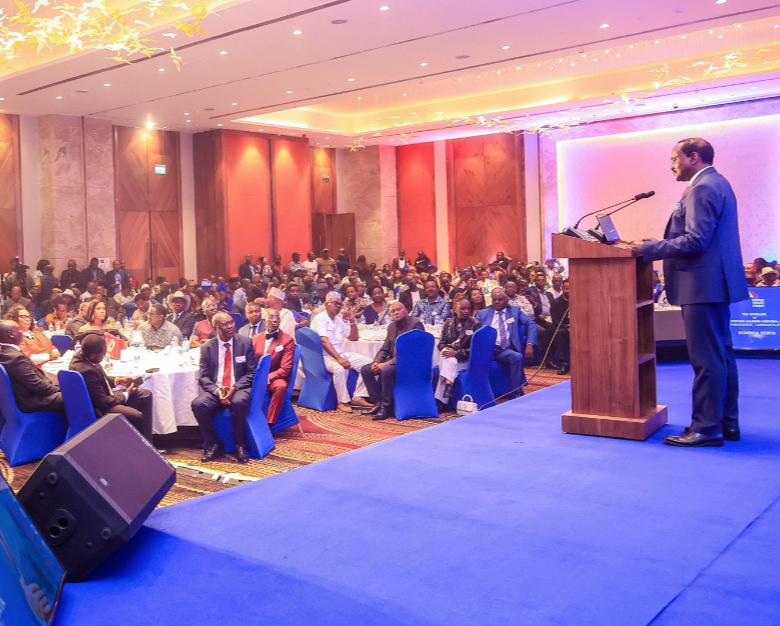










The Ethics and Anti-Corruption Commission (EACC) has embarked on an ambitious initiative to audit the National Police Service (NPS) in a bid to tackle rampant corruption within the force. This audit, which was officially launched at the Embakasi Police Campus on February 11, 2025, aims to identify systemic vulnerabilities within the police service that facilitate bribery, corruption, and misconduct. The collaborative efforts between the EACC and NPS are expected to lead to effective solutions that will strengthen the integrity and transparency of the police force.
Key Stakeholders Involved in the Audit
The event was attended by several high-profile leaders, including the EACC Chairperson, David Oginde, the Inspector General of Police, Douglas Kanja, and EACC CEO Abdi Mohamud. Their collective presence underscored the significance of the audit process. The aim is to address underlying issues that hinder the police from performing their duties ethically and efficiently. The audit will involve a thorough review of the NPS’s policies, practices, and operational systems to uncover corruption-related issues.
Collaboration Between EACC and NPS
A crucial part of this audit is the collaboration between the EACC and the NPS, which represents a breakthrough in the fight against police corruption. Historically, there has been tension between the two agencies, but the launch of this audit signals a shift toward mutual cooperation for the betterment of the country.
This partnership provides a solid framework for the two agencies to put their differences aside and work together to foster a corruption-free environment. The collaboration is also aimed at improving the accountability mechanisms within the NPS, as both agencies strive to address systemic corruption.
Addressing Corruption Within the National Police Service
Corruption within the NPS has long been a point of concern. In his address at the event, EACC Chairperson David Oginde highlighted key issues identified in a 2023 report, which pointed to weak systems and a deeply ingrained culture of bribery within the police force. He emphasized that corruption must be eradicated starting from the top echelons of the police force. Oginde also noted that effective change could only occur if all stakeholders worked together, emphasizing that corruption severely undermines public trust in both law enforcement and government institutions.
Oginde went on to state that corruption distorts fair competition, diverts public resources, and erodes societal values. The NPS is tasked with upholding the rule of law, and when corruption is allowed to thrive, the entire system suffers. The ultimate objective of the audit is to detect and address vulnerabilities within the system, ensuring that corruption no longer thrives in the NPS’s operations.
Strategic Approach to Combating Corruption
One of the central goals of the audit is to take a proactive and strategic approach to identifying and mitigating potential risks within the NPS. The audit will focus on assessing the existing processes and procedures, and it will recommend specific actions to address weaknesses that foster corrupt practices. Additionally, the audit will provide valuable guidance on how the NPS can implement effective preventive measures.
The emphasis is on creating an environment that promotes honesty, accountability, and responsibility. With the collaboration of both agencies, it is hoped that the NPS will ultimately fulfill its mission with integrity and serve the public in a transparent and ethical manner.
The Role of Inspector General of Police
The role of the Inspector General of Police, Douglas Kanja, is pivotal in ensuring the success of this initiative. As highlighted by EACC Chairperson David Oginde, the responsibility to fight corruption lies largely with the top leadership of the NPS. Kanja was urged to take a firm stand against bribery within the police force and to set a precedent by ensuring that no officer collects bribes.
Oginde likened the effort to a medical examination, where identifying the problem is only the first step. The real change will depend on how the prescribed solutions are implemented. This analogy underscores the importance of follow-through in making this initiative successful. Oginde also encouraged IG Kanja to be remembered as the first Inspector General who decisively addressed corruption within the police service.
In response, IG Kanja acknowledged the significance of the audit and committed to working closely with the EACC to transform the police force. He outlined his vision for the NPS, aiming to make police stations centers of excellence that not only serve as law enforcement hubs but also as models of integrity and professionalism.
Technological Integration in Fighting Corruption
A key component of the ongoing reform process within the NPS is the incorporation of technology to strengthen oversight and improve accountability. IG Kanja reaffirmed the NPS’s commitment to automating services, which will make it easier for citizens to interact with the police while reducing opportunities for bribery.
The introduction of toll-free hotlines and anonymous reporting platforms are part of the NPS’s strategy to combat corruption more effectively. These technological tools will provide a safe space for members of the public to report corrupt activities without fear of retaliation, thereby ensuring greater transparency within the force.
Past Experiences and Commitment to Change
EACC CEO Abdi Mohamud also shared his personal experience as a former police officer, which gave him a unique perspective on the inner workings of the NPS. He emphasized that while the police service is an honorable profession, there are always a few bad apples that tarnish its image. Mohamud urged police officers to take this opportunity seriously and commit to positive change, ensuring that the agency remains responsive to public issues in an accountable manner.
Timeline and Implementation of the Audit
The audit process, which officially began on February 11, 2025, is expected to run through to July 18, 2025. During this period, the EACC will conduct an in-depth review of the NPS’s operational systems and corruption-related practices. The comprehensive audit will examine all facets of the NPS, from its internal policies to its day-to-day interactions with the public.
Key Dates and Milestones of the NPS Audit
| Event | Date | Details |
|---|---|---|
| Launch of the Audit | February 11, 2025 | EACC and NPS officially launch the audit process. |
| Mid-Point Review | May 2025 | Preliminary findings and recommendations. |
| Final Report Submission | July 18, 2025 | Final recommendations and corrective actions. |
Conclusion
The collaboration between the EACC and the NPS represents a significant step forward in the fight against corruption within Kenya’s police force. By addressing systemic weaknesses and focusing on proactive reform, this audit aims to restore public confidence in the NPS and promote a culture of transparency and accountability. The coming months will be crucial in determining the effectiveness of these efforts, and the ultimate success of this initiative depends on the commitment of all involved parties to implement the necessary changes.
This collaborative initiative marks the beginning of a new chapter for the NPS, where integrity and professionalism take center stage in law enforcement. As the audit progresses, all eyes will be on the NPS to see whether it can truly transform into a force that serves the people with honor and respect.