





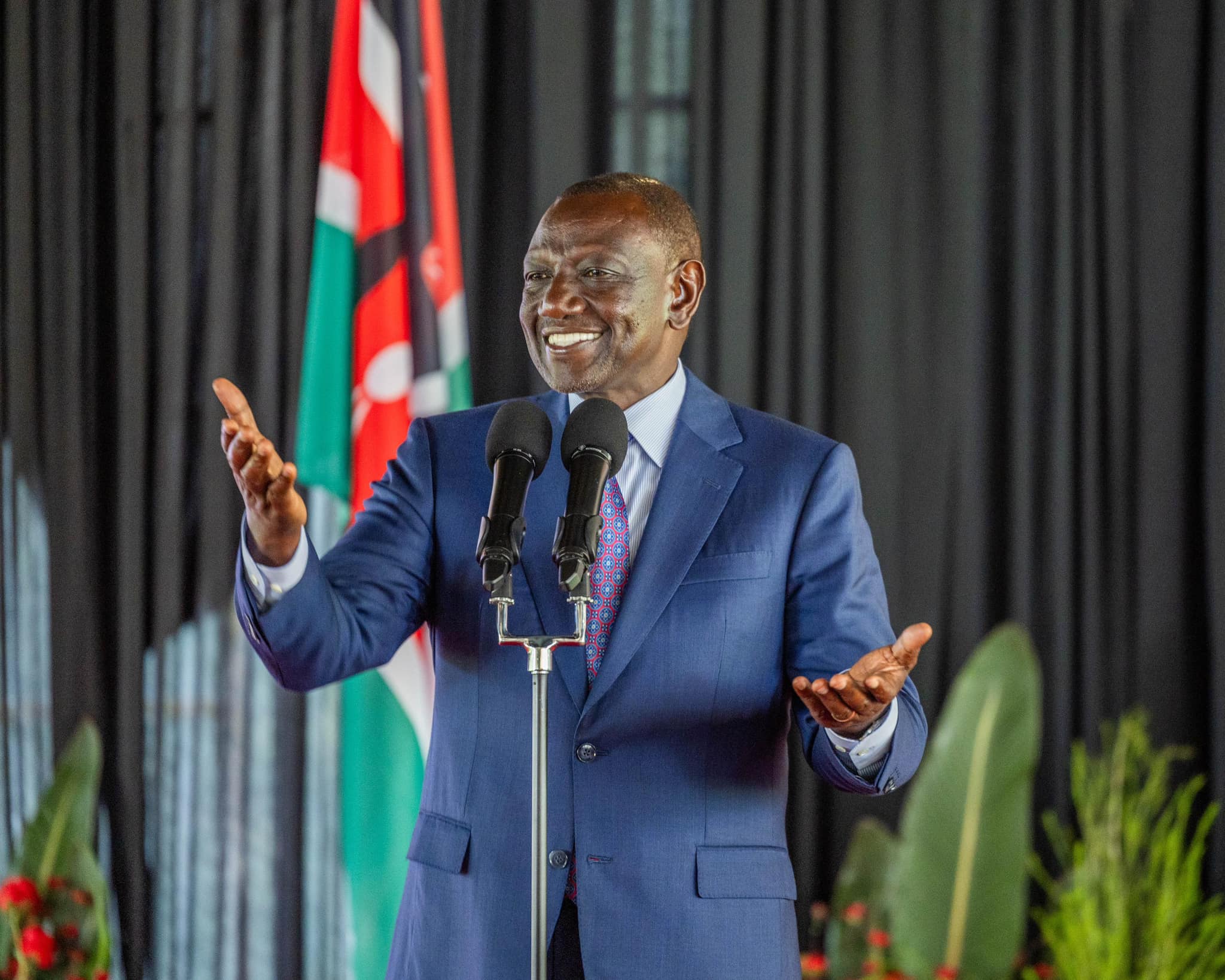
In recent news, President William Ruto of Kenya has been nominated for the prestigious yet controversial title of “Corrupt Person of the Year” by the Organized Crime and Corruption Reporting Project (OCCRP). This nomination has stirred up significant public and political debate within Kenya, drawing attention to ongoing concerns about corruption in the government. This article explores the key details surrounding the nomination, the responses from both Ruto and his critics, and the broader implications for Kenyan politics.
What is OCCRP? Understanding the Award Process
The OCCRP (Organized Crime and Corruption Reporting Project) is a global non-profit organization dedicated to investigating and reporting on organized crime and corruption around the world. Its yearly “Corrupt Person of the Year” award is a highly anticipated event that highlights individuals who have allegedly committed significant acts of corruption. The title is often associated with politicians, business figures, and public officials who are believed to have engaged in corrupt practices.
William Ruto’s Nomination: Why the Controversy?
Ruto’s nomination has raised eyebrows primarily due to his position as Kenya’s President. The nomination stems from ongoing investigations into his involvement in alleged corruption schemes, particularly related to state resources. Critics argue that Ruto’s administration has not done enough to tackle corruption within the government, despite his promises during the election campaign.
The table below provides a summary of the key reasons behind Ruto’s nomination:
| Reason for Nomination | Details |
|---|---|
| Alleged Corruption | Involvement in alleged schemes that abuse public office for personal gain. |
| Unfulfilled Promises | Failure to adequately address corruption during his first term. |
| Public Perception | Growing perception that Ruto is linked to corruption networks within the government. |
| Financial Mismanagement | Accusations of financial mismanagement during his tenure in various government roles. |
The Role of Corruption in Kenya’s Political Landscape
Corruption has long been a problem in Kenya, where it often hampers economic development and public trust in the government. Over the years, many high-ranking politicians have faced similar accusations, but few have been held accountable. Despite repeated pledges to fight corruption, Kenya continues to struggle with transparency, especially within public offices.
The nomination of a sitting president for the “Corrupt Person of the Year” award highlights the entrenched nature of corruption in Kenya. It suggests that no political figure, no matter how powerful, is beyond scrutiny when it comes to corruption. Here are some of the key corruption scandals in Kenya’s recent history:
| Scandal | Year | Accusations |
|---|---|---|
| Goldenberg Scandal | 1990s | Massive gold export fraud that involved top government officials. |
| Anglo-Leasing Scandal | 2000s | A series of fake government contracts designed to siphon public funds. |
| COVID-19 Procurement Scandal | 2020 | Mismanagement and theft in the procurement of medical supplies. |
Public Reaction: How Kenyans Are Responding to the Nomination
The public’s response to Ruto’s nomination has been mixed. Supporters of the president argue that the nomination is politically motivated, with the OCCRP’s decision being influenced by external interests that aim to discredit Ruto’s leadership. These supporters often emphasize the steps Ruto has taken to fight corruption since taking office, including the establishment of anti-corruption agencies and reforms aimed at increasing government transparency.
However, critics argue that Ruto’s actions have been insufficient, pointing to several corruption scandals that continue to plague his administration. Protests from opposition leaders have called for Ruto to be held accountable, claiming that he has failed to fulfill his anti-corruption promises. The tension between these opposing viewpoints has further polarized the Kenyan political scene.
Kenya’s Anti-Corruption Efforts: What Has Been Done So Far?
Under Ruto’s leadership, Kenya has introduced various measures aimed at combating corruption. These include:
-
The Establishment of Anti-Corruption Agencies
The Kenyan government has created several anti-corruption bodies such as the Ethics and Anti-Corruption Commission (EACC) and the Directorate of Criminal Investigations (DCI), tasked with investigating corruption-related crimes. -
Judicial Reforms
Efforts have been made to strengthen the judiciary’s independence and capacity to handle corruption cases. Some high-profile figures have been prosecuted, although many believe the process has been too slow. -
Public Sector Reforms
There have been attempts to increase transparency in government dealings through digital platforms and the publication of government procurement data.
Despite these efforts, corruption remains widespread. The challenge lies in the effective implementation of these reforms and ensuring that those implicated in corruption face substantial consequences.
The Political Implications of Ruto’s Nomination
Ruto’s nomination for Corrupt Person of the Year could have significant political ramifications both in Kenya and abroad. The award brings renewed international attention to the issue of corruption in Kenya, potentially impacting foreign relations and investments. If Ruto fails to address the concerns raised by the nomination, it could undermine his credibility both locally and globally.
Additionally, the nomination has sparked discussions about the future of Kenyan politics. The opposition has seized on the opportunity to criticize Ruto, framing the issue as a matter of national importance. If the corruption allegations continue to gain traction, it could weaken Ruto’s political standing, especially ahead of future elections.
| Political Ramification | Potential Impact |
|---|---|
| Damaged International Relations | Negative perceptions from international partners, affecting trade and aid. |
| Local Political Turmoil | Growing unrest within the political opposition and among the general public. |
| Impact on Future Elections | Potential challenges in re-election if the corruption allegations remain unresolved. |
Conclusion: The Road Ahead for Ruto and Kenya’s Fight Against Corruption
The nomination of President William Ruto for the OCCRP’s Corrupt Person of the Year is a significant development in Kenya’s ongoing struggle with corruption. While the president’s supporters argue that the nomination is unfair and politically motivated, the accusations raise valid concerns about the state of corruption in Kenya. For Ruto, the road ahead will require not only addressing these allegations head-on but also demonstrating through tangible actions that his administration is committed to fighting corruption.
As the country moves forward, it remains to be seen how Ruto will navigate this challenge and whether his government can restore public confidence in its ability to eliminate corruption from Kenya’s political and public systems.
Key Takeaways
- William Ruto’s nomination for Corrupt Person of the Year highlights the ongoing corruption concerns in Kenya.
- OCCRP’s role in highlighting global corruption remains significant, even when the target is a sitting president.
- Kenya’s political landscape is deeply affected by corruption, and this nomination could influence Ruto’s future leadership.