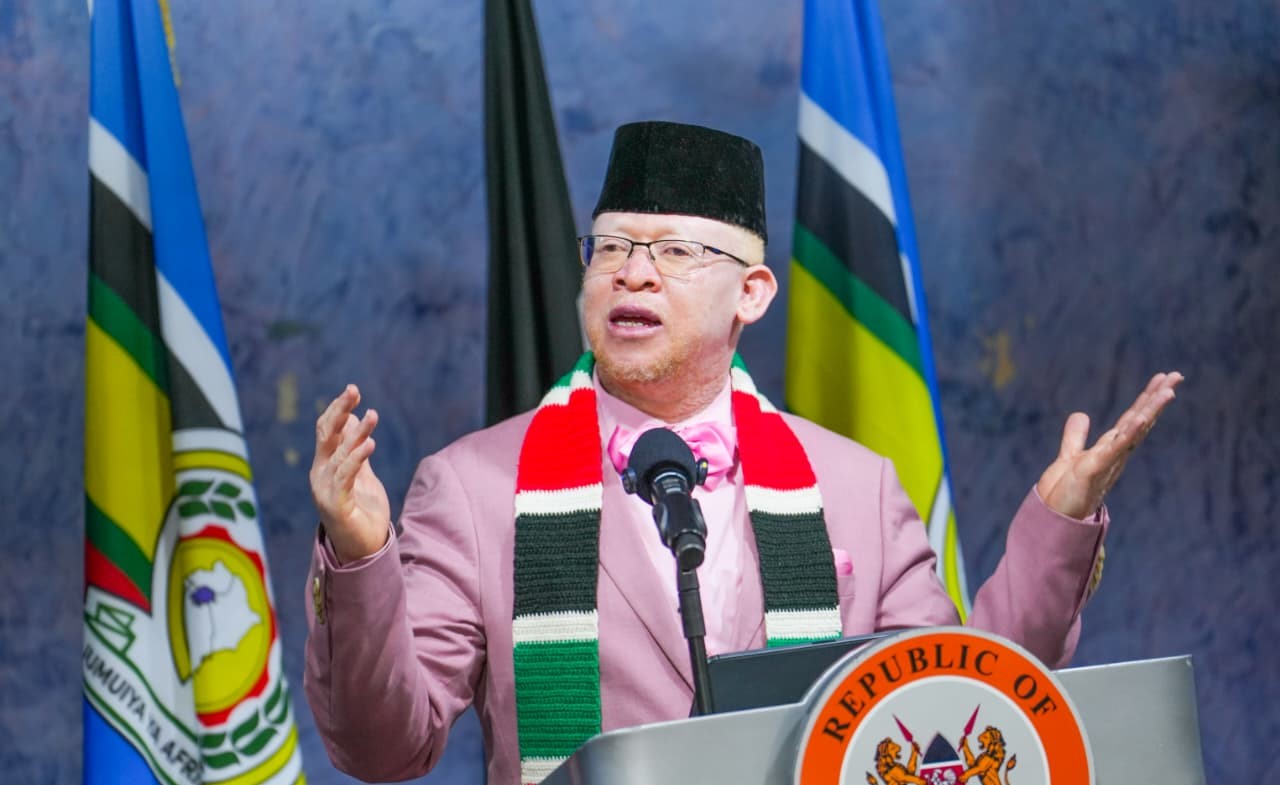










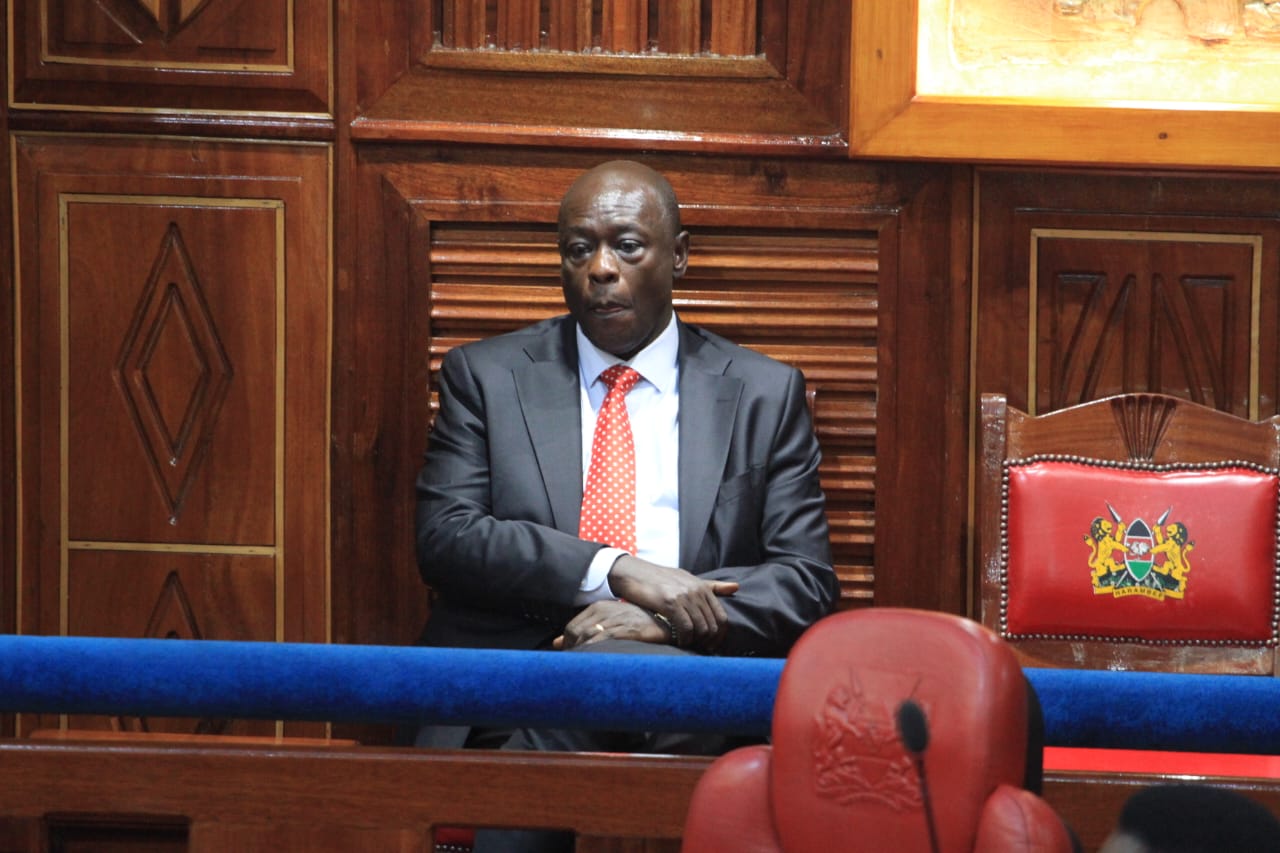
A recent viral circulation has taken the internet by storm, claiming that Deputy President Rigathi Gachagua has amassed wealth in questionable circumstances. This fake circular, circulated widely on social media platforms, has raised questions and sparked debates on public trust, misinformation, and the need for media literacy. In this article, we explore the origins of the fake circular, its impact on Kenyan politics, and the importance of verifying information before believing or sharing it.
What is the Fake Circular About Gachagua’s Wealth?
The fake circular, purportedly from the Office of the Deputy President, claimed that Gachagua was worth an exorbitant amount of money, with questionable sources and methods of accumulation. The document was designed to mislead the public into believing the Deputy President had illicitly obtained his wealth, with exaggerated figures and unverified claims.
The circular included fabricated details about Gachagua’s financial dealings and assets, presenting an image of corruption and unethical behavior. Despite its lack of authenticity, many individuals quickly believed and spread the circular across various platforms.
How Did the Fake Circular Spread?
Social media platforms, such as WhatsApp, Twitter, and Facebook, played a significant role in the viral spread of the fake circular. These platforms are often used for disseminating information quickly, but they also allow for the rapid spread of misinformation and rumors.
Many social media users, especially those with little knowledge of the origin of the circular, shared it without verification. The lack of fact-checking and skepticism led to the document reaching a wider audience, potentially damaging the reputation of Deputy President Gachagua and sowing distrust among Kenyans.
The Impact of the Fake Circular
The spread of misinformation about political leaders, particularly influential ones like Deputy President Rigathi Gachagua, can have profound effects on public opinion and trust. Here are some key impacts the fake circular had:
| Impact | Description |
|---|---|
| Damage to Reputation | The circular unfairly tarnished Gachagua’s image, fueling accusations of corruption without evidence. |
| Public Confusion | Many people were misled, unsure whether the claims were true or not, which led to public confusion and doubt. |
| Misinformation in Politics | False claims, especially about high-ranking officials, contribute to the broader issue of political misinformation. |
| Distrust in Media | When misinformation spreads widely, it can erode trust in the media and official sources of information. |
Such misinformation undermines the public’s trust in legitimate news sources and spreads confusion among the Kenyan populace, particularly when it involves individuals in positions of power.
The Role of Fact-Checking and Verification
With the rapid spread of fake news, fact-checking has become an essential tool in verifying the authenticity of circulating information. Fact-checking organizations in Kenya and globally have a crucial role in debunking false claims and ensuring that the public receives reliable information.
Some popular fact-checking bodies in Kenya include:
| Fact-Checking Organization | Description |
|---|---|
| PesaCheck | Focuses on political and economic claims made by public figures. |
| Africa Check | Aims to promote accuracy in media reporting, especially in the context of Africa. |
| FactCheck.org | An international organization known for debunking false claims. |
These organizations offer an important resource for anyone seeking to verify news before making decisions or forming opinions based on unverified claims.
Legal Implications of Spreading Fake News in Kenya
In Kenya, the spread of fake news, especially in the context of political figures and public officials, can have legal ramifications. The Kenyan government has recognized the dangers of misinformation and is taking steps to address it. The Computer Misuse and Cybercrimes Act, for example, criminalizes the publication of false information that can harm individuals, groups, or the state.
Under this law, individuals who share or promote fake news online can face legal consequences, including fines and imprisonment. This highlights the importance of being cautious when sharing information online and the need to verify sources before spreading unconfirmed content.
How to Protect Yourself From Fake News
In a world where information spreads at lightning speed, it is essential to be proactive in protecting yourself from fake news. Here are some tips to help you identify and avoid misinformation:
1. Check the Source
Always check the origin of the information. Reliable news outlets and official statements are usually more trustworthy than anonymous or unverified posts on social media.
2. Verify Facts
Cross-check the claims with trusted fact-checking websites and organizations. Use reputable platforms like PesaCheck, Africa Check, and other credible resources to confirm the authenticity of the information.
3. Look for Supporting Evidence
Legitimate news reports often include verifiable sources, interviews, or official documents to back up their claims. Be wary of sensationalized headlines with no credible evidence.
4. Question the Tone
If the article or circular uses inflammatory or emotional language, it could be designed to manipulate your reaction. Always approach such content with caution.
The Importance of Media Literacy in the Digital Age
Media literacy is more important than ever in today’s digital landscape. With the rise of social media and citizen journalism, people are exposed to vast amounts of information daily. The ability to critically analyze and assess the credibility of information is essential in preventing the spread of fake news.
Governments, educational institutions, and media organizations have a shared responsibility in promoting media literacy. In Kenya, for instance, initiatives aimed at teaching individuals how to verify information and recognize misinformation are becoming more common.
Conclusion: Staying Informed and Responsible
The viral circulation of the fake circular about Gachagua’s wealth is a powerful reminder of the dangers of misinformation. It is crucial for Kenyans, and people worldwide, to approach information with skepticism, especially when it comes from unverified sources. Through careful fact-checking, promoting media literacy, and staying informed, we can ensure that we make decisions based on accurate, reliable information rather than falling prey to viral hoaxes and false claims.
By being responsible consumers of information and sharing only verified content, we can help reduce the impact of fake news and contribute to a more informed and discerning public.