









After nearly two years of conflict, South Khartoum, Sudan’s capital, has faced overwhelming challenges. The ongoing war between warring factions has left civilians suffering and without access to basic humanitarian aid. Recently, however, a crucial first aid convoy has reached the besieged area after a hiatus of over 20 months, offering a much-needed lifeline to the local population. The arrival of this aid is seen as a significant step toward alleviating the dire situation faced by thousands of people.
This article explores the importance of this first aid convoy, the ongoing humanitarian crisis, and how international support is playing a role in providing relief to those affected by the war.
The Humanitarian Impact of the Conflict in South Khartoum
The ongoing conflict in Sudan has devastated the country, with South Khartoum at the epicenter of the violence. The war, which erupted between the Sudanese Armed Forces (SAF) and the paramilitary Rapid Support Forces (RSF), has caused widespread destruction, displacement, and loss of life. The lack of essential services, medical care, and food has put the civilian population at immense risk. South Khartoum, being a vital urban center, has faced prolonged siege conditions, preventing humanitarian assistance from reaching those in need.
Key Statistics on the Humanitarian Crisis in South Khartoum
| Aspect | Impact |
|---|---|
| Displaced People | Over 1.5 million displaced individuals |
| Casualties | Over 50,000 deaths reported |
| Access to Aid | Humanitarian access severely restricted |
| Food Insecurity | Over 60% of the population affected |
| Healthcare System | Nearly 90% of healthcare facilities destroyed |
The blockade and ongoing hostilities have created significant barriers for humanitarian agencies trying to provide essential services. The convoy’s arrival after 20 months of delay brings hope for both immediate and long-term relief.
The Role of International Aid Organizations
International aid organizations, such as the United Nations and the International Committee of the Red Cross (ICRC), have been at the forefront of delivering humanitarian aid to Sudan, including South Khartoum. Despite facing numerous challenges—such as the conflict’s unpredictability, security risks, and logistical constraints—these organizations have persevered in delivering critical supplies.
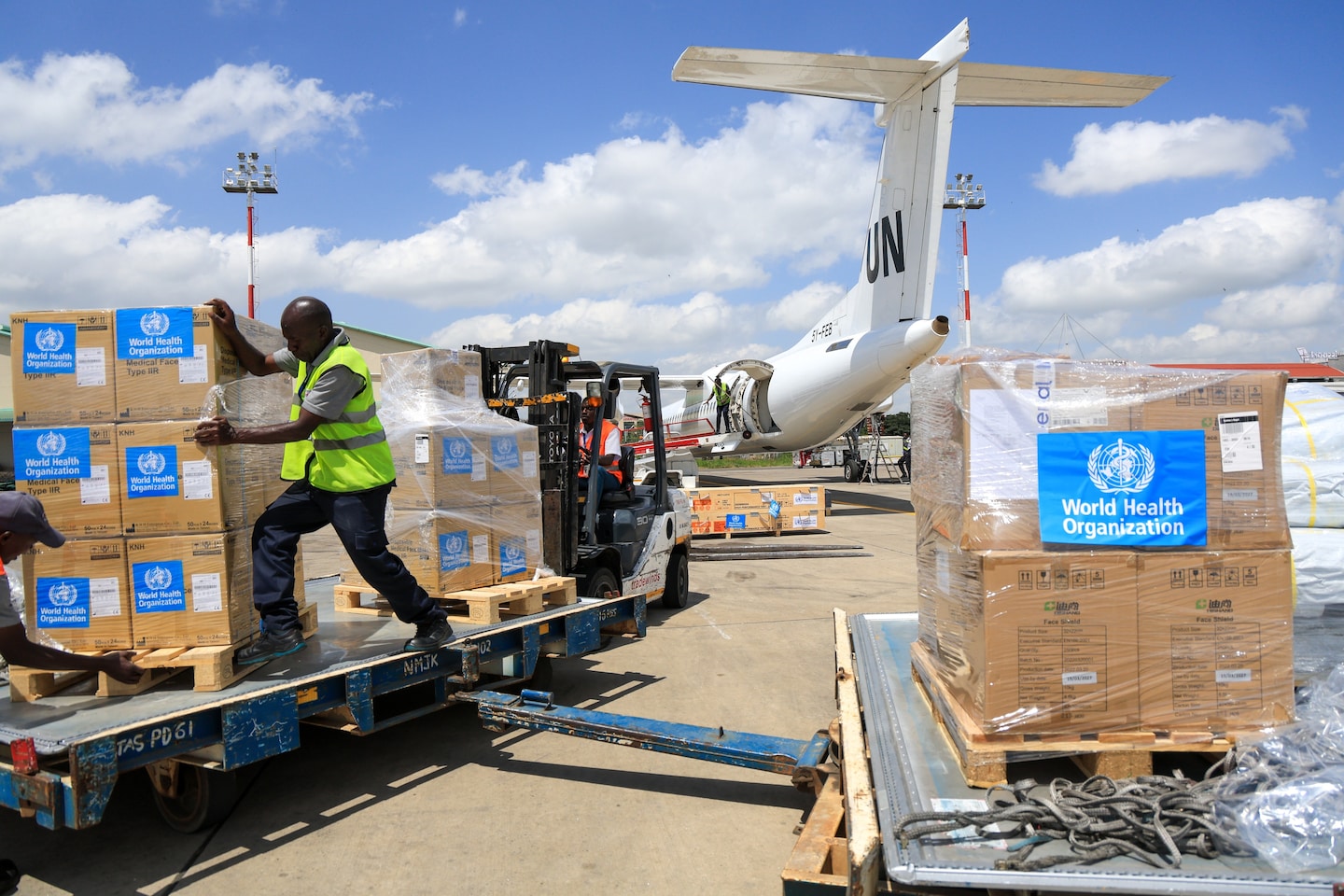
The aid convoy that recently reached South Khartoum carried essential medical supplies, food, and clean water. This shipment was part of a larger effort to provide assistance to civilians caught in the crossfire of the ongoing war.
The Importance of Humanitarian Aid in Conflict Zones
Humanitarian aid plays a vital role in conflict zones, especially where basic necessities like food, water, and medical care are scarce. In the case of South Khartoum, the following types of aid are of utmost importance:
- Food Assistance: To combat food insecurity and prevent malnutrition.
- Medical Supplies: For treating injuries and managing disease outbreaks.
- Clean Water: To reduce the risk of waterborne diseases.
Obstacles to Aid Delivery in South Khartoum
Despite the valiant efforts of aid organizations, delivering assistance in South Khartoum has been fraught with challenges. The ongoing war has severely damaged infrastructure, making transportation difficult. Furthermore, the security situation has been volatile, and humanitarian convoys have often been delayed or even attacked.
Key Challenges in Delivering Aid to South Khartoum
| Challenge | Impact |
|---|---|
| Blocked Routes | Limited access to South Khartoum and surrounding areas |
| Security Risks | Attacks on aid convoys and personnel |
| Destroyed Infrastructure | Roads, bridges, and airports are damaged |
| Ongoing Fighting | Difficulty in coordinating ceasefire agreements |
| Restricted Access | Government and rebel forces control key entry points |
These challenges have made it difficult for organizations to meet the overwhelming demand for assistance. However, the latest convoy has managed to navigate these obstacles, bringing much-needed resources to those who have been waiting for aid.
The Significance of the Convoy’s Arrival
The arrival of the first aid convoy in South Khartoum after such a long delay is not just a logistical achievement; it’s a symbol of international solidarity and the importance of continued efforts to provide humanitarian relief in conflict zones.
The convoy, which crossed several security checkpoints and battlefronts, carries supplies that will help thousands of families. In addition to basic foodstuffs and medical kits, the convoy also includes sanitation supplies to combat disease outbreaks, which have become rampant in overcrowded shelters and refugee camps.
Immediate Relief Provided by the Convoy
The convoy is set to deliver several key supplies, including:
- 1,000 metric tons of food to feed displaced families
- Medical equipment and medicine for treating common injuries and diseases
- Water purification tablets to provide access to clean water
- Emergency shelter materials for those without homes
The presence of international organizations also assures local populations that they have not been forgotten. For many, this delivery marks the first real sign of hope after months of isolation.
The Future of Humanitarian Aid in South Khartoum
While the arrival of the aid convoy is a significant step forward, the situation in South Khartoum remains precarious. Ongoing fighting and logistical challenges continue to impede the delivery of aid, and it is uncertain when or if another convoy will be able to reach the area.
International agencies are working to establish a more sustainable method of delivering aid in the long term. This includes negotiating with both the Sudanese government and rebel forces to create humanitarian corridors that would allow for more consistent and safer access to affected areas.
Steps for Future Humanitarian Assistance
- Diplomatic Efforts: Engaging with local and international stakeholders to ensure aid access.
- Local Partnerships: Collaborating with local organizations to improve the distribution of aid.
- Logistical Improvements: Enhancing infrastructure to allow faster aid delivery.
- Long-Term Solutions: Addressing the root causes of the conflict to prevent future crises.
The international community must remain vigilant and committed to supporting South Khartoum, as the region faces an uncertain future. With continued cooperation, it may be possible to bring about lasting peace and stability in the area.
Conclusion: A Ray of Hope Amidst Despair
The arrival of the first aid convoy in South Khartoum after 20 months of conflict is a significant moment in the ongoing humanitarian crisis. It highlights the resilience of aid organizations and the importance of international solidarity in the face of war. While challenges remain, this development serves as a reminder that even in the darkest of times, hope is possible.
The situation in South Khartoum remains dire, and the road to recovery is long, but the convoy’s arrival provides the necessary supplies to help the people of South Khartoum rebuild their lives and begin the journey toward healing.