









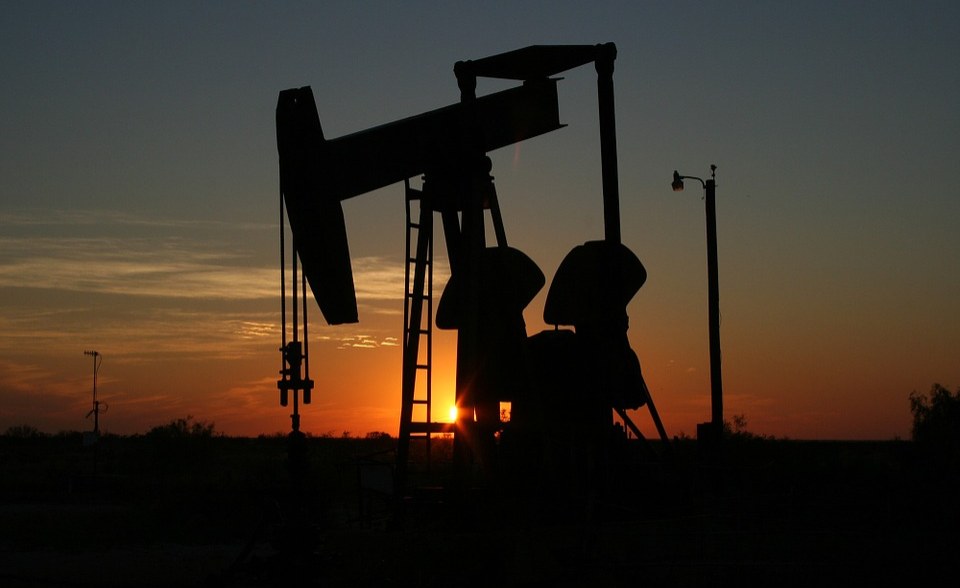
South Sudan, an oil-rich nation in East Africa, has officially announced plans to resume its oil production after a lengthy period of disruption. This move comes at a crucial time for the country, which has faced several economic challenges, including the decline in oil revenues. With oil accounting for the majority of South Sudan’s GDP, the government’s decision to restart production is expected to have significant implications for its economy and global energy markets.
In this article, we’ll break down the key aspects of South Sudan’s oil industry, the factors driving the decision to resume production, and what it means for the future of the country’s economy and international relations.
The Importance of Oil to South Sudan’s Economy
Oil plays a central role in South Sudan’s economy, contributing approximately 40% of its GDP and over 90% of government revenue. However, after the country gained independence from Sudan in 2011, ongoing conflict, infrastructure issues, and political instability have severely impacted the oil sector. These challenges led to a dramatic decline in production, further exacerbating the country’s financial difficulties.
Table 1: South Sudan’s Oil Production Statistics
| Year | Oil Production (Barrels per Day) | Percentage of GDP from Oil |
|---|---|---|
| 2011 | 350,000 | 40% |
| 2013 | 240,000 | 35% |
| 2020 | 130,000 | 30% |
| 2025 (Projected) | 300,000+ | 40%+ |
Source: South Sudan National Petroleum Commission
With the announcement to resume production, South Sudan aims to significantly increase its oil output to boost government revenues and improve economic stability.
Challenges Faced by South Sudan’s Oil Sector
Before the recent announcement, South Sudan’s oil sector faced several obstacles:
- Political Instability: The country’s prolonged civil war disrupted the oil industry, leading to widespread damage to infrastructure and loss of investor confidence.
- Infrastructure Deficiencies: Much of the country’s oil infrastructure was either outdated or destroyed during periods of conflict, which significantly slowed down oil production and export capabilities.
- Foreign Investment Issues: Foreign companies, which were once key players in the country’s oil industry, pulled out due to concerns over safety and profitability in a conflict-ridden environment.
Table 2: Key Challenges in South Sudan’s Oil Industry
| Challenge | Impact on Oil Sector |
|---|---|
| Political Instability | Decreased oil output and investor pullout |
| Damaged Infrastructure | Increased operational costs and delayed production |
| Lack of Foreign Investment | Limited technology transfer and capital inflows |
| Reduced Export Capacity | Difficulty in meeting international oil demand |
These challenges have made it difficult for South Sudan to maintain consistent oil production. However, recent peace agreements and political reforms have provided a glimmer of hope for the resumption of activities.
Why Resuming Oil Production is Vital for South Sudan
The decision to resume oil production is driven by several factors. Here are the key reasons why South Sudan is keen to restart its oil sector:
1. Economic Growth and Revenue Generation
As mentioned earlier, oil is the lifeblood of South Sudan’s economy. The government heavily depends on oil revenues to fund public services, infrastructure projects, and development initiatives. By increasing oil production, South Sudan aims to boost its financial resources and address budgetary gaps caused by the decline in output over recent years.
2. Creation of Jobs and Employment Opportunities
The resumption of oil production is expected to create thousands of jobs in South Sudan, both directly in the oil sector and indirectly in related industries such as transportation, construction, and services. This is especially important in a country with high unemployment rates and widespread poverty.
3. Increased Foreign Investment
With peace negotiations progressing and a more stable political environment emerging, foreign investors are beginning to regain interest in South Sudan’s oil industry. The resumption of oil production will be seen as a signal to global markets that the country is once again open for business, attracting much-needed capital inflows.
Strategic Partnerships to Boost Oil Production
In order to increase oil production, South Sudan is seeking to strengthen its strategic partnerships with international oil companies and neighboring countries. Key players in the oil sector, such as China National Petroleum Corporation (CNPC) and Malaysia’s Petronas, have already been operating in South Sudan for years, and their continued involvement will be crucial to the country’s efforts to revitalize the sector.
Table 3: Major Oil Companies Operating in South Sudan
| Company | Role in South Sudan’s Oil Sector |
|---|---|
| China National Petroleum Corporation (CNPC) | Exploration and production |
| Petronas (Malaysia) | Oil extraction and infrastructure development |
| TotalEnergies (France) | Oil exploration and transportation services |
| Dar Petroleum Operating Company | Joint venture for oil production |
Source: South Sudan Petroleum Ministry
These companies are vital to ensuring the long-term success of South Sudan’s oil production strategy, providing both financial backing and technical expertise.
What Resuming Oil Production Means for Global Markets
South Sudan’s decision to resume oil production could have implications for the global oil market. The country is part of the Organization of the Petroleum Exporting Countries (OPEC)-affiliated group of oil-producing nations, and any significant increase in its production could influence global supply and prices.
As a member of OPEC, South Sudan’s oil output will be closely monitored by other member states. However, the country will need to balance increasing production with global demand for oil, especially as alternative energy sources gain traction worldwide.
Environmental and Social Considerations
While the resumption of oil production offers significant economic benefits, it is important to consider the environmental and social impact of the oil industry. The government of South Sudan must ensure that oil extraction and production processes are carried out responsibly to mitigate environmental damage, such as soil and water contamination.
Table 4: Environmental Considerations in South Sudan’s Oil Sector
| Environmental Factor | Mitigation Measures |
|---|---|
| Water Contamination | Implementation of safe drilling technologies |
| Air Pollution | Investment in cleaner extraction methods |
| Land Degradation | Reforestation and land rehabilitation programs |
| Oil Spills | Development of rapid-response cleanup strategies |
The social implications of the oil sector’s growth are also critical. Ensuring that the local population benefits from the oil industry, through job creation and infrastructure development, will be essential for long-term stability.
The Future of South Sudan’s Oil Industry
With its rich oil reserves, South Sudan has the potential to become one of Africa’s leading oil producers. However, the country faces challenges in achieving this potential, including the need for sustainable management of resources and effective governance of the oil sector.
Conclusion: A New Chapter for South Sudan
South Sudan’s announcement to resume oil production signals a new chapter for the country’s economy. By addressing its political instability and investing in key partnerships, the country hopes to revitalize its oil industry and set the stage for long-term growth. As the global demand for oil continues to evolve, South Sudan must adapt to changing market conditions while ensuring responsible environmental and social practices.
By focusing on boosting production, creating jobs, and attracting forei