






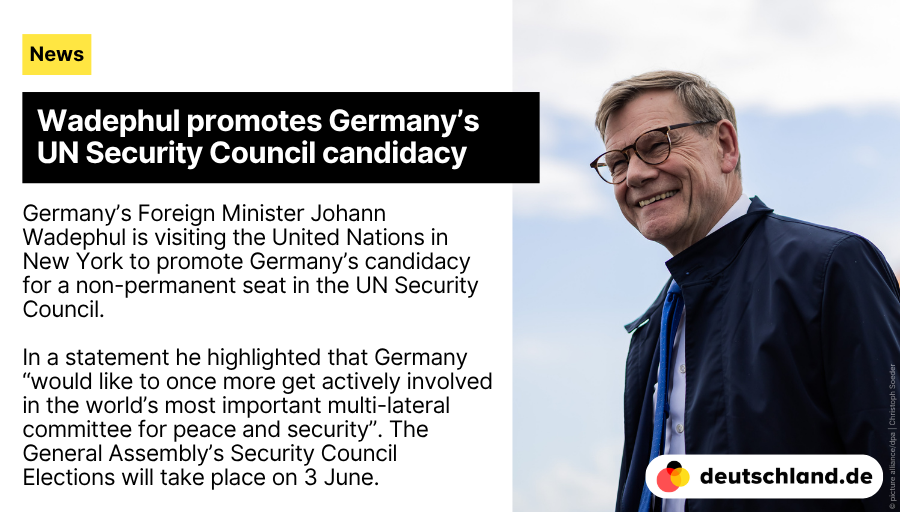
Germany’s Foreign Minister Johann Wadephul has taken to the international stage to promote his country’s bid for a seat on the United Nations Security Council. In a significant move, Wadephul is pushing for Germany’s candidacy in the face of stiff competition from other nations. The development comes as Hungary’s Prime Minister Peter Magyar visits Berlin, where he has been meeting with top German officials, including Federal Chancellor Friedrich Merz. This visit has sparked renewed interest in the complex web of international relations and Germany’s role within the global community.
Germany’s Foreign Minister Wadephul Steps Up for UN Security Council Candidacy
In a recent development, Hungary’s Prime Minister Peter Magyar visited Berlin, where he met with Federal Chancellor Friedrich Merz. Magyar’s visit marked a significant shift in Hungary’s stance, with the new Prime Minister promising to lead his country “back into the centre of Europe.” This move is seen as a positive development for Germany’s UN Security Council candidacy, as a more aligned Hungary could potentially provide crucial support for Germany’s bid.
| Aspect | Details |
|---|---|
| Event | Hungary’s Prime Minister Peter Magyar visits Berlin |
| Date | June 3, 2026 |
| Location | Berlin |
| Key People/Organizations involved | Peter Magyar, Friedrich Merz |
| Status/Current Situation | Inaugural visit |
| Official Response | Friedrich Merz promises full support to Hungary |
| Key Quote | “back into the centre of Europe” |
| Key Quote | “the pendulum does not swing in the illiberal or even authoritarian direction only” |
| Key Quote | “I believe in negotiations” |
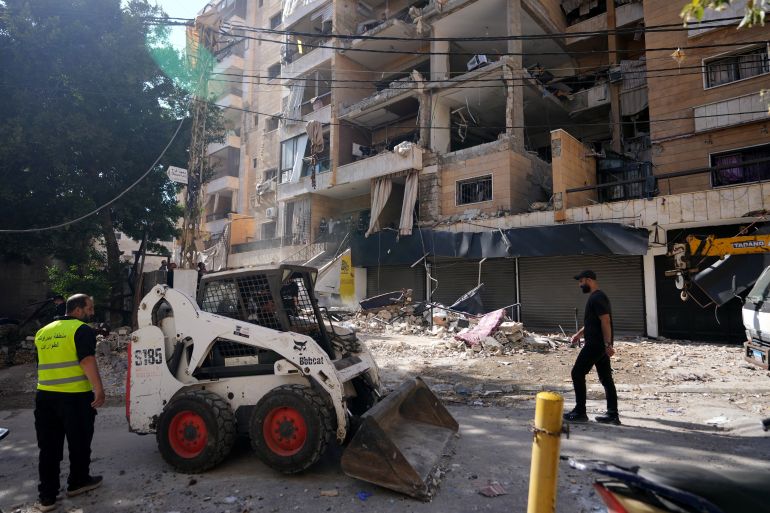
| Event | German Development Minister Reem Alabali Radovan’s trip to Lebanon aborted |
| Date | June 2, 2026 |
| Location | Lebanon |
| Key People/Organizations involved | Reem Alabali Radovan |
| Status/Current Situation | Aborted |
| Official Response | Ministry cites security reasons |
Wadephul’s diplomatic efforts have been focused on building alliances and fostering cooperation with other nations. By promoting Germany’s candidacy, Wadephul aims to strengthen the country’s position on the global stage and contribute to international peace and security. As Germany’s Foreign Minister, Wadephul is well-positioned to navigate the complex web of international relations and secure support for the country’s UN Security Council bid.
Key Aspects of Germany’s UN Security Council Candidacy

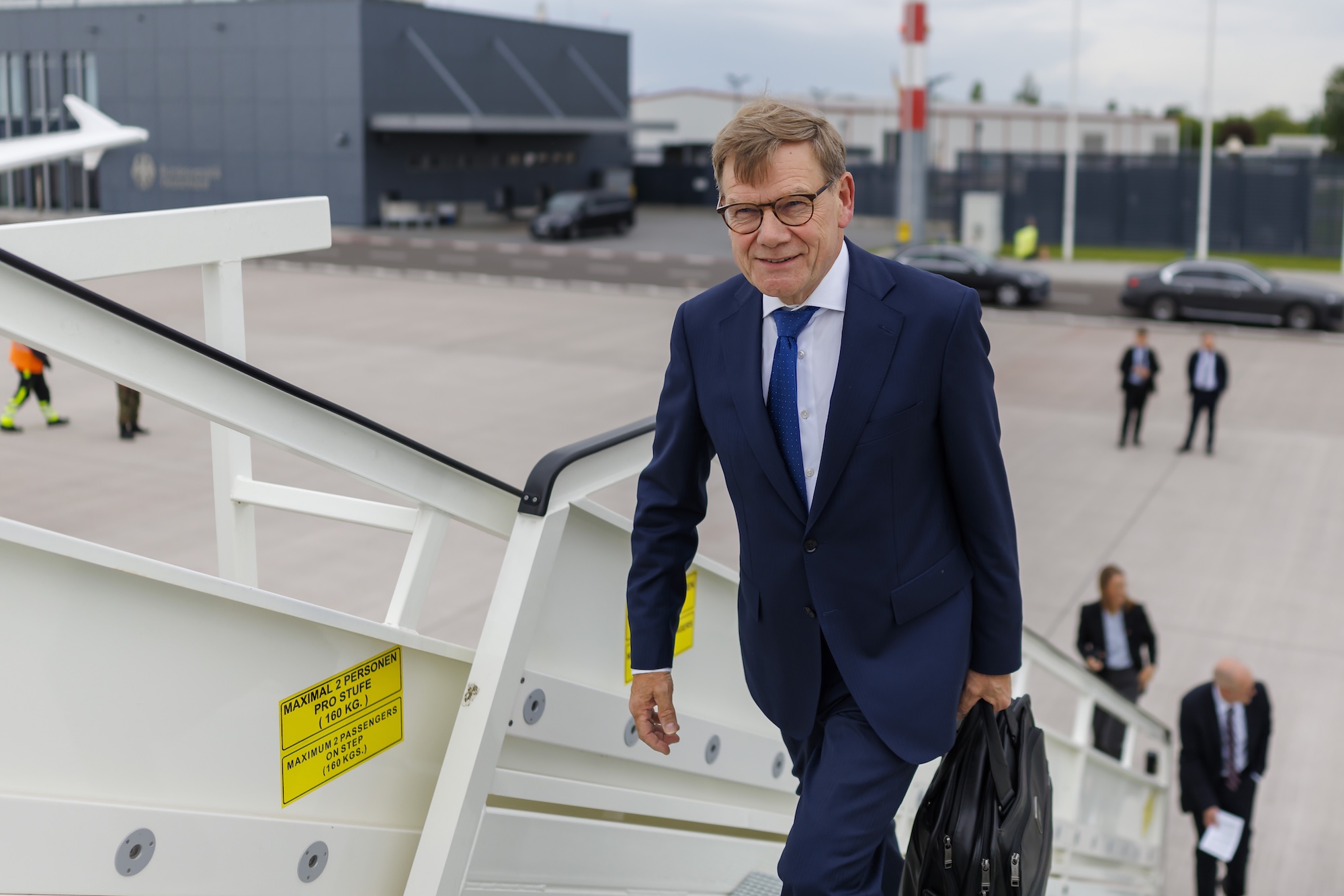
Germany’s bid for a seat on the United Nations Security Council is closely tied to its diplomatic efforts and international relations. As a key player in European politics, Germany’s foreign policy has significant implications for the continent and the world. Germany’s Foreign Minister, Johann Wadephul, has been a key figure in promoting the country’s candidacy. His efforts are part of a broader strategy to strengthen Germany’s position on the global stage and promote its values and interests.
Germany’s commitment to multilateralism and international cooperation is reflected in its approach to the UN Security Council. The country has a long history of supporting UN peacekeeping missions and has been a key player in various international crises. Germany’s bid for a seat on the Security Council is also seen as an opportunity to promote European unity and cooperation. As a major economic power and a leading member of the European Union, Germany is well-positioned to play a key role in shaping global policies and promoting international stability.
Germany’s diplomatic efforts are also focused on building partnerships and alliances with other countries. The country has been actively engaging with its European neighbors, including Hungary, to promote cooperation and stability in the region. Germany’s commitment to dialogue and negotiation is reflected in its approach to international relations, which is centered on finding mutually beneficial solutions to complex problems. This approach is likely to be a key factor in Germany’s bid for a seat on the UN Security Council.
International Reactions to Germany’s UN Security Council Candidacy

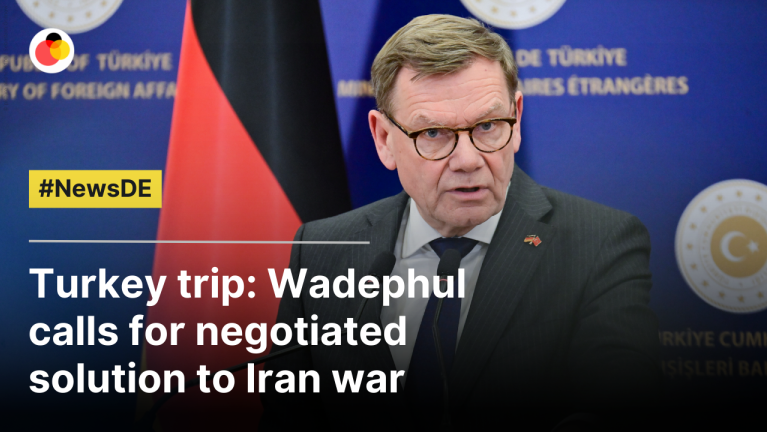
The international community is closely following Germany’s bid for a seat on the UN Security Council, with various leaders offering their support and comments on the matter. Hungary’s Prime Minister Peter Magyar, who recently visited Berlin, expressed his country’s commitment to being an “honest and reliable” European partner, a sentiment that could be seen as a nod of approval for Germany’s efforts to strengthen its international relations.
In a separate development, Germany’s commitment to international diplomacy has been demonstrated through its support for various global initiatives. Federal Chancellor Friedrich Merz has promised his full support to Hungary’s new Prime Minister Peter Magyar, highlighting Germany’s willingness to engage with its European neighbors and work towards common goals.
As Germany’s bid for a UN Security Council seat gains momentum, it is likely to receive further attention from global leaders. Germany’s Foreign Minister Johann Wadephul has been a key proponent of this initiative, and his efforts to promote Germany’s candidacy are expected to continue in the coming weeks and months. With its strong economy and commitment to international cooperation, Germany is well-positioned to make a positive impact on the UN Security Council.
What’s Next for Germany’s UN Security Council Candidacy
Germany’s Foreign Minister Johann Wadephul has been actively promoting the country’s UN Security Council candidacy. In a recent development, Hungary’s Prime Minister Peter Magyar visited Berlin, where he was welcomed by Federal Chancellor Friedrich Merz. The Chancellor expressed his full support for Magyar’s efforts to lead Hungary “back into the centre of Europe.” This visit highlights the importance of diplomatic relations between European countries, particularly in the context of Germany’s bid for a UN Security Council seat.
The visit also underscores the significance of Germany’s role in international relations. As a key player in European politics, Germany is expected to play a crucial part in shaping the continent’s future. In this context, Wadephul’s efforts to promote Germany’s UN Security Council candidacy take on added significance. The Minister’s diplomatic approach will be crucial in navigating the complex web of international relations and securing support for Germany’s bid.
The outcome of Germany’s bid will have far-reaching implications for Europe and the world. As a permanent member of the UN Security Council, Germany will have a significant say in shaping global policy. The country’s commitment to diplomacy and multilateralism will be put to the test as it navigates the challenges of international relations. With Wadephul at the helm, Germany is well-positioned to play a leading role in promoting peace and stability around the world. Germany’s Foreign Minister Wadephul has expressed his commitment to working closely with other European countries to promote a united front on the global stage.
Germany’s Foreign Minister Wadephul’s Diplomatic Approach
Germany’s diplomatic efforts under Foreign Minister Johann Wadephul have been gaining momentum in recent weeks. In a significant development, Hungary’s Prime Minister Peter Magyar has been visiting Berlin, where he met with Federal Chancellor Friedrich Merz. The Hungarian Prime Minister’s visit is seen as a crucial step in strengthening ties between the two European nations. Magyar’s promise to make Hungary an “honest and reliable” European partner is a testament to Germany’s diplomatic approach under Wadephul.
The visit comes as Germany is seeking to strengthen its relationships with its European neighbors. Magyar’s election victory against right-wing populist Viktor Orban has been hailed as an “inspiration for all of Europe” by Merz. This development is likely to have a positive impact on Germany’s diplomatic efforts in the region. As Wadephul continues to promote Germany’s interests on the international stage, such diplomatic efforts will be crucial in achieving his goals.
Germany’s diplomatic approach under Wadephul has been marked by a focus on building strong relationships with its European neighbors. The visit by Magyar is a key example of this approach in action. By strengthening ties with Hungary, Germany is seeking to promote stability and cooperation in the region. This will be an important factor in Germany’s future diplomatic efforts, particularly as it seeks to promote its interests on the international stage.
Germany’s Bid for a UN Security Council Seat: Implications for Europe and the World
Germany’s bid for a UN Security Council seat has significant implications for Europe and the world. As a key player in international relations, Germany’s Foreign Minister Johann Wadephul has been actively promoting the country’s candidacy. This move is expected to strengthen Germany’s position on the global stage and enhance its influence in international decision-making processes.
The implications of Germany’s UN Security Council candidacy are far-reaching, with potential consequences for European and global politics. Germany’s Foreign Minister Wadephul has been engaging in diplomatic efforts to garner support for the country’s bid, highlighting the importance of a strong and united Europe in addressing global challenges. Germany’s commitment to multilateralism and cooperation is a key aspect of its UN Security Council candidacy.
Germany’s bid for a UN Security Council seat is also seen as a reflection of the country’s growing role in international affairs. With its strong economy and significant contributions to global development, Germany is well-positioned to play a leading role in international organizations. The country’s Foreign Minister Wadephul has emphasized the importance of a strong and effective UN in addressing global challenges, including climate change, conflict resolution, and human rights.