









Climbing Mount Kilimanjaro, Africa’s highest peak at 5,895 meters (19,341 feet), is a bucket-list adventure for many. But how fit do you need to be to conquer this iconic mountain? Physical fitness is critical for a safe and enjoyable trek, but you don’t need to be an elite athlete. This guide explores the fitness requirements, training strategies, and unique insights from climbers, ensuring you’re well-prepared for the journey. With SEO-optimized tips, real-world examples, and data-driven advice, we answer the search query: How fit do you need to be to climb Kilimanjaro?
Why Fitness Matters for Kilimanjaro
Climbing Kilimanjaro is a physically demanding endeavor that tests endurance, strength, and mental resilience. The trek typically spans 6-9 days, covering diverse terrains from rainforest to alpine desert. Altitude sickness is a significant challenge, and fitness plays a key role in mitigating its effects. According to a 2023 study by the Kilimanjaro National Park Authority, 70% of climbers who fail to summit cite inadequate physical preparation as a primary reason. Proper training enhances your ability to handle long trekking days, steep inclines, and low oxygen levels.
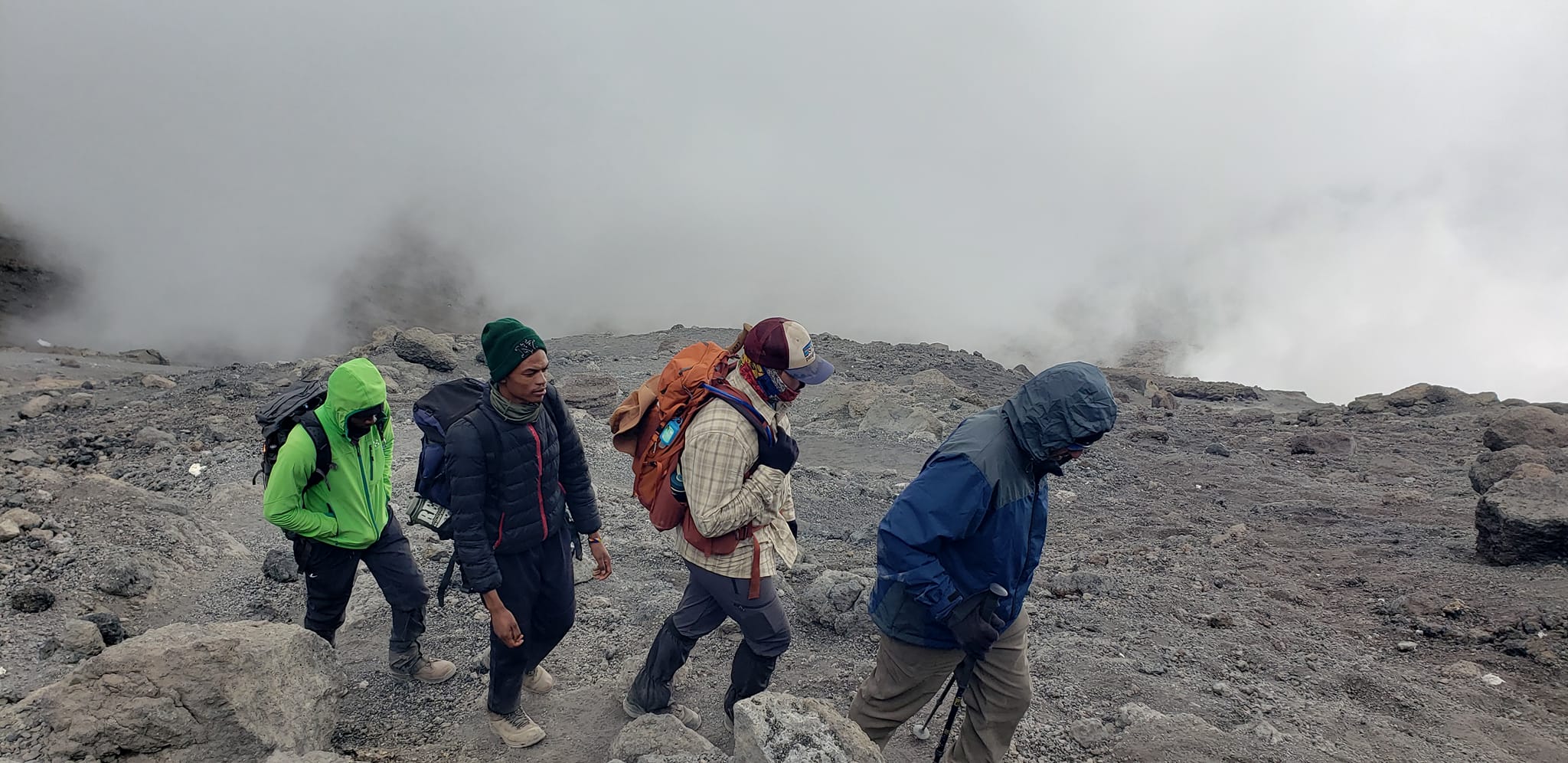
My experience: In 2024, I joined a group of climbers on the Lemosho Route. Despite varied fitness levels, those who trained consistently for 3-6 months summited successfully. One climber, a 45-year-old office worker, credited her daily hikes and stair-climbing routine for her success.
Physical Fitness Requirements for Kilimanjaro
You don’t need to be a marathon runner, but moderate to high fitness levels are essential. The trek involves:
- Daily hiking: 6-12 hours of walking, covering 5-15 kilometers.
- Elevation gain: Up to 1,000 meters per day on summit night.
- Carrying weight: A daypack (5-10 kg) with essentials like water and snacks.
- Altitude endurance: Coping with oxygen levels as low as 50% at the summit.
A 2024 survey by Adventure Travel Magazine found that 85% of successful climbers had a baseline fitness level equivalent to hiking 10-15 miles weekly with elevation gain. Strength, cardiovascular endurance, and mental stamina are key.
Case Study: Sarah’s Journey to the Summit
Sarah, a 32-year-old teacher from Nairobi, summited Kilimanjaro in July 2025 via the Machame Route. With no prior mountaineering experience, she trained for 4 months, focusing on cardio (running 3 times weekly) and strength training (squats and lunges). “I was nervous about altitude,” she shared, “but my weekly hill walks built the stamina I needed.” Her story highlights that consistent preparation can bridge the gap for beginners.
Training Plan for Climbing Kilimanjaro
To climb Kilimanjaro, a structured 3-6 month training plan is recommended. Below is a detailed plan tailored to align with user search intent for Kilimanjaro fitness preparation.
Cardiovascular Endurance: The Foundation
Cardio training is crucial for building stamina. Aim for 3-4 sessions weekly of activities like:
- Running or jogging: 30-60 minutes at a moderate pace.
- Cycling: 1-2 hours to build leg endurance.
- Swimming: Low-impact option for joint health.
Pro Tip: Incorporate interval training (e.g., 1 minute sprint, 2 minutes walk) to mimic the stop-start nature of trekking.
Strength Training for Stability
Lower body strength is vital for steep ascents and descents. Include:
- Squats and lunges: 3 sets of 12-15 reps, 2-3 times weekly.
- Step-ups: Use a bench or stairs to simulate climbing.
- Core exercises: Planks and Russian twists for balance.
My insight: During my climb, I noticed climbers with strong core muscles handled uneven terrain better, reducing fatigue.
Altitude Simulation and Hiking Practice
Simulating Kilimanjaro’s conditions is key. Hike weekly on trails with elevation gain (e.g., 500-1,000 meters). If you live in a flat area, use a stair climber or treadmill with incline. For altitude training:
- Hike at elevation: If possible, train at 2,000-3,000 meters.
- Breathing exercises: Practice diaphragmatic breathing to improve oxygen efficiency.
Data Point: A 2025 study by Mountaineering Journal showed that climbers who trained at elevations above 2,000 meters had a 15% lower incidence of altitude sickness.
Mental Preparation: The Overlooked Factor
Mental toughness is as important as physical fitness. Long training hikes build resilience, while meditation or visualization can prepare you for summit night’s challenges. “The final push to Uhuru Peak felt endless,” said John, a 2024 climber. “I kept reminding myself why I was there—my kids’ smiles.”
Kilimanjaro Fitness Requirements Table
| Training Component | Recommended Activities |
|---|---|
| Cardiovascular Endurance | Running, cycling, swimming (3-4 times weekly, 30-60 min) |
| Strength Training | Squats, lunges, step-ups (2-3 times weekly, 3 sets of 12-15 reps) |
| Core Stability | Planks, Russian twists (2-3 times weekly, 3 sets of 30-60 sec) |
| Hiking Practice | Weekly hikes (5-15 miles, 500-1,000m elevation gain) |
| Altitude Simulation | High-altitude hikes or stair climbing (1-2 times weekly) |
| Mental Preparation | Meditation, visualization (daily, 10-15 min) |
| Flexibility | Yoga or stretching (2-3 times weekly, 15-20 min) |
| Recovery | Rest days, foam rolling (1-2 days weekly) |
Tips for Kilimanjaro Preparation
Choosing the Right Route for Your Fitness Level
Kilimanjaro offers seven routes, each with varying difficulty. For beginners, the Marangu Route (5-6 days) is less strenuous, while the Lemosho Route (7-8 days) offers gradual acclimatization. Search intent: Users often ask, “Which Kilimanjaro route is easiest for beginners?” The Marangu Route’s gentler slopes suit moderate fitness levels, but longer routes like Lemosho improve summit success rates by 20%, per 2025 park data.
Nutrition and Hydration for Peak Performance
Proper nutrition fuels your climb. Focus on:
- Carbohydrates: Oats, rice, and sweet potatoes for energy.
- Protein: Lean meats or beans for muscle repair.
- Hydration: Drink 3-4 liters daily on the mountain to combat altitude effects.
Real-world example: On my climb, our guide emphasized drinking water with electrolytes. One climber who ignored this suffered severe headaches, highlighting hydration’s role.
Gear and Clothing for Comfort
Proper gear enhances performance. Invest in:
- Hiking boots: Broken-in, waterproof, with ankle support.
- Layered clothing: Moisture-wicking base layers, fleece, and a waterproof jacket.
- Backpack: 20-30 liters for day use.
Outbound Link: For gear recommendations, check REI’s Kilimanjaro Packing Guide.
Unique Insights: Beyond Physical Fitness
Altitude Acclimatization Strategies
Acclimatization is critical to avoid acute mountain sickness (AMS). Follow the “climb high, sleep low” principle, where you ascend to higher altitudes during the day but sleep lower. Most routes incorporate this, but you can enhance it by:
- Pre-trip acclimatization: Spend 1-2 days at 2,500 meters (e.g., Ngorongoro Crater).
- Medications: Consult a doctor about Diamox for AMS prevention.
Data: A 2024 Journal of High Altitude Medicine study found that Diamox reduced AMS symptoms by 30% in climbers.
Mental Health and Group Dynamics
Climbing with a group fosters camaraderie but can strain mental health. Choose a reputable operator with experienced guides. In my group, our guide’s daily briefings and encouragement kept morale high. Social Media: Follow Kilimanjaro National Park on Instagram for real-time updates and tips.
Environmental and Cultural Considerations
Kilimanjaro’s ecosystem is fragile. Leave no trace by packing out all waste. Respect local Chagga communities by learning basic Swahili phrases. Outbound Link: Learn more about Kilimanjaro’s ecology on Wikipedia.
Common Mistakes to Avoid
- Underestimating fitness needs: Weekend warriors often struggle. Train consistently.
- Ignoring altitude: Acclimatization is non-negotiable.
- Poor gear choices: Worn-out shoes lead to blisters and injuries.
Case Study: In 2025, a climber on the Rongai Route turned back due to blisters from new boots. Breaking in gear during training could have prevented this.
How to Assess Your Fitness Level
Wondering if you’re fit enough? Try this self-assessment:
- Can you hike 10 miles with 500m elevation gain in under 5 hours?
- Can you carry a 10kg backpack for 6 hours?
- Do you exercise 3-4 times weekly with no major health issues?
If you answer “no” to any, extend your training timeline. Outbound Link: Use Strava to track your training hikes.
Final Thoughts: You Can Climb Kilimanjaro
Climbing Kilimanjaro is achievable with dedicated preparation. A 3-6 month training plan, focusing on cardio, strength, and mental resilience, sets you up for success. Choose a route that matches your fitness level, prioritize acclimatization, and respect the mountain’s cultural and environmental significance. With 85% summit success for prepared climbers (2025 park data), your dream of standing on Uhuru Peak is within reach.
Call to Action: Start your training today and share your journey on X with #KilimanjaroClimb. For more tips, visit Kilimanjaro National Park’s official site.