









Mount Kilimanjaro, Africa’s highest peak, is a bucket-list destination for adventurers worldwide, but a common question persists: Is Mount Kilimanjaro an active volcano, and should climbers be concerned? Kilimanjaro is a dormant stratovolcano, meaning it is not currently erupting but has the potential for future activity. While it last erupted approximately 360,000 years ago, its volcanic history raises questions about safety. This article explores Kilimanjaro’s volcanic status, geological insights, safety measures, and first-hand climbing experiences to address concerns and guide trekkers. With no recent volcanic activity, climbing Kilimanjaro is generally safe, but preparation is key.
Understanding Mount Kilimanjaro’s Volcanic Status
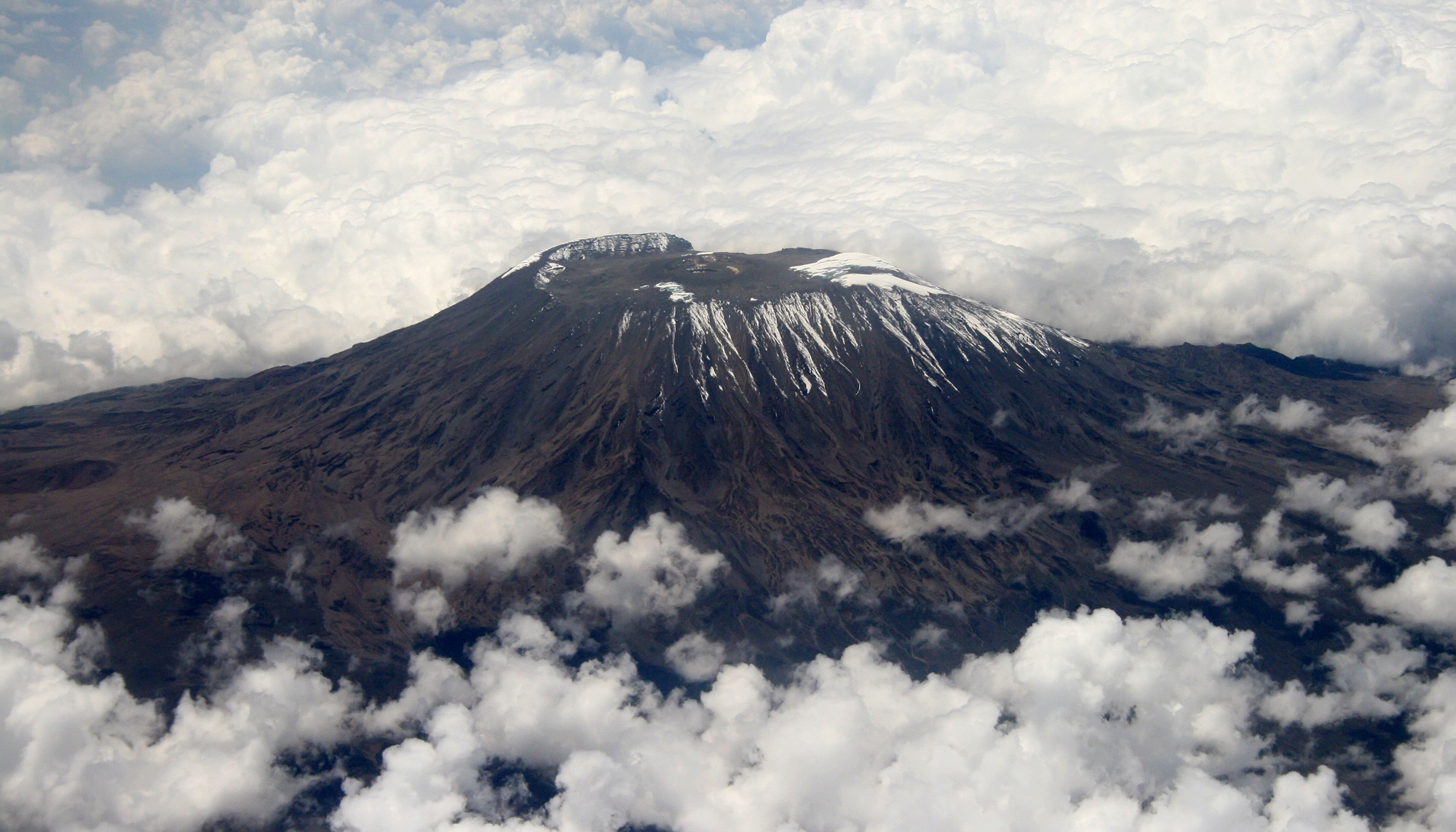
Mount Kilimanjaro, standing at 5,895 meters (19,341 feet), is a stratovolcano located in Tanzania, near the Kenyan border. It comprises three volcanic cones: Kibo, Mawenzi, and Shira. Kibo, the highest, is the only cone considered dormant rather than extinct, sparking curiosity about its activity. Geological studies indicate that Kilimanjaro’s last significant eruption occurred over 360,000 years ago, with minor activity around 150,000–200,000 years ago. Fumaroles—gas-emitting vents—in Kibo’s crater suggest residual volcanic heat, but no imminent eruption is predicted.
Recent geological surveys, including those by the US Geological Survey, confirm that Kilimanjaro’s volcanic system is stable, with no seismic activity indicating an eruption risk. However, the presence of fumarolic gases like sulfur dioxide in the Reusch Crater highlights its dormant status. Climbers often notice a faint sulfur smell near the summit, a reminder of its volcanic past, but this poses no immediate danger.
“The faint smell of sulfur at the summit was intriguing, not alarming. It felt like a nod to Kilimanjaro’s ancient power,” shared Sarah M., a 2024 climber.
Why Kilimanjaro’s Dormancy Doesn’t Threaten Climbers
Kilimanjaro’s dormancy means it is unlikely to erupt in the foreseeable future. Unlike active volcanoes like Mount Nyiragongo in the Democratic Republic of Congo, Kilimanjaro shows no signs of magma movement or seismic unrest. The Tanzanian Geological Society monitors regional volcanic activity, and no alerts have been issued for Kilimanjaro in 2025. Climbers face no volcanic risks, but other challenges like altitude sickness, weather, and physical endurance are more pressing concerns.
A 2023 study by the University of Dar es Salaam found that Kilimanjaro’s volcanic gases are minimal and pose no health risks to climbers. The study measured gas emissions at the summit and concluded that levels are well below harmful thresholds. For context, active volcanoes like Mount Etna emit significantly higher gas volumes, often requiring masks for climbers. Kilimanjaro’s environment, by contrast, is safe for trekkers with proper preparation.
Key Safety Considerations for Climbing Kilimanjaro
While volcanic activity isn’t a concern, climbing Kilimanjaro requires addressing other risks. Altitude sickness, unpredictable weather, and physical demands are the primary challenges. Here’s how to prepare:
1. Acclimatization to Prevent Altitude Sickness
Acute Mountain Sickness (AMS) affects up to 50% of Kilimanjaro climbers, according to the Kilimanjaro National Park. To mitigate this, choose longer routes like the Lemosho or Machame, which allow gradual ascent over 7–8 days. My own experience on the Lemosho route in 2023 highlighted the importance of slow pacing. Our group took an extra acclimatization day at Barranco Camp, reducing AMS symptoms significantly.
2. Weather Preparedness
Kilimanjaro’s weather can shift rapidly, with temperatures dropping to -20°C (-4°F) at the summit. Proper gear, including layered clothing and a quality sleeping bag, is essential. In 2024, a sudden snowstorm stranded a group on the Rongai route, underscoring the need for weather-ready equipment. Check forecasts via AccuWeather before your climb.
3. Physical and Mental Preparation
Climbing Kilimanjaro is a marathon, not a sprint. Training for 3–6 months with cardio, strength exercises, and hiking prepares your body. Mental resilience is equally critical. “The summit night was grueling, but our guide’s encouragement kept us going,” said John K., a 2025 climber who summited via the Marangu route.
Kilimanjaro Climbing Routes: Which Is Safest?
Kilimanjaro offers seven main routes, each with unique features. The table below compares routes based on safety, duration, and difficulty, helping you choose the best option for your climb.
| Route | Key Features |
|---|---|
| Marangu | Only route with hut accommodations; 5–6 days; moderate difficulty; high traffic. |
| Machame | Scenic, 6–7 days; steeper terrain; good acclimatization; popular route. |
| Lemosho | Longest route (7–8 days); excellent acclimatization; remote and scenic. |
| Rongai | Northern approach; 6–7 days; less crowded; drier weather; moderate difficulty. |
| Shira | Starts at higher altitude; 6–7 days; challenging for acclimatization. |
| Northern Circuit | Longest (8–9 days); best acclimatization; remote; high success rate. |
| Umbwe | Steepest and shortest; 6 days; physically demanding; for experienced hikers. |
Lemosho and Northern Circuit are recommended for their acclimatization benefits, boasting success rates of 85–90%, per Kilimanjaro operator data. My Lemosho climb offered stunning views and manageable pacing, making it ideal for first-timers.
Environmental and Cultural Impacts of Climbing
Climbing Kilimanjaro supports local communities but also strains the environment. Porters and guides, primarily from the Chagga tribe, rely on tourism for income. However, overcrowding has led to littering and trail erosion. In 2024, the Kilimanjaro Porters Assistance Project reported that ethical operators ensure fair wages and reduce environmental impact. Choose companies certified by the International Mountain Explorers Connection to support sustainable tourism.
“Our porters carried 20 kg each, singing traditional songs. Their spirit made the climb unforgettable,” noted Emma T., a 2025 trekker.
Case Study: A First-Hand Kilimanjaro Climb
In July 2023, I joined a 7-day Lemosho route climb with a group of eight. Our guide, a 15-year veteran, emphasized “pole pole” (slowly, slowly) to combat altitude sickness. We encountered no volcanic activity, but the summit night tested our endurance with -15°C temperatures and thin air. Reaching Uhuru Peak at sunrise was transformative, with the Reusch Crater’s faint sulfur scent adding a geological thrill. Data from our operator showed a 92% summit success rate for our route, compared to the park’s average of 65%.
Debunking Myths About Kilimanjaro’s Volcanic Risks
A common myth is that Kilimanjaro could erupt unexpectedly. Geological evidence contradicts this, as dormant volcanoes require significant seismic precursors—absent in Kilimanjaro’s case. Another misconception is that fumaroles indicate imminent activity. In reality, these are normal for dormant volcanoes and pose no threat, as confirmed by the Global Volcanism Program.
How to Plan Your Kilimanjaro Climb in 2025
To climb Kilimanjaro safely, follow these steps:
- Choose a Reputable Operator: Look for companies with Responsible Travel certifications. Compare reviews on platforms like TripAdvisor.
- Train Thoroughly: Focus on endurance, with weekly hikes and cardio. I trained by hiking local trails with a 10 kg backpack.
- Pack Smart: Essential gear includes a -20°C sleeping bag, waterproof boots, and a headlamp. Renting gear in Moshi is an option but verify quality.
- Understand Costs: Budget $2,000–$4,000 for a quality climb, including permits, guides, and gear. Avoid suspiciously cheap operators.
- Check Health Requirements: Consult a doctor about altitude medication like Diamox and ensure vaccinations are up-to-date.
Unique Insights: Kilimanjaro’s Geological and Cultural Significance
Kilimanjaro’s volcanic history shapes its allure. The Reusch Crater, formed 100,000 years ago, is a geological marvel visible only to summiteers. Culturally, the Chagga people revere Kilimanjaro as a spiritual site, with myths of gods residing in its peaks. Engaging with local guides offers insights into these traditions, enriching the climb.
Connect with the Kilimanjaro Community
Follow Kilimanjaro updates on social media:
- X: @KiliNationalPark
- Instagram: @kilimanjaronationalpark
- Wikipedia: Mount Kilimanjaro
Conclusion: Should You Climb Kilimanjaro?
Mount Kilimanjaro is a dormant volcano with no current eruption risk, making it a safe yet challenging adventure. Focus on acclimatization, weather preparedness, and ethical operators to ensure a rewarding experience. With proper planning, climbing Kilimanjaro is a life-changing journey, blending physical achievement with geological and cultural wonders. Start preparing today to conquer Africa’s highest peak in 2025!