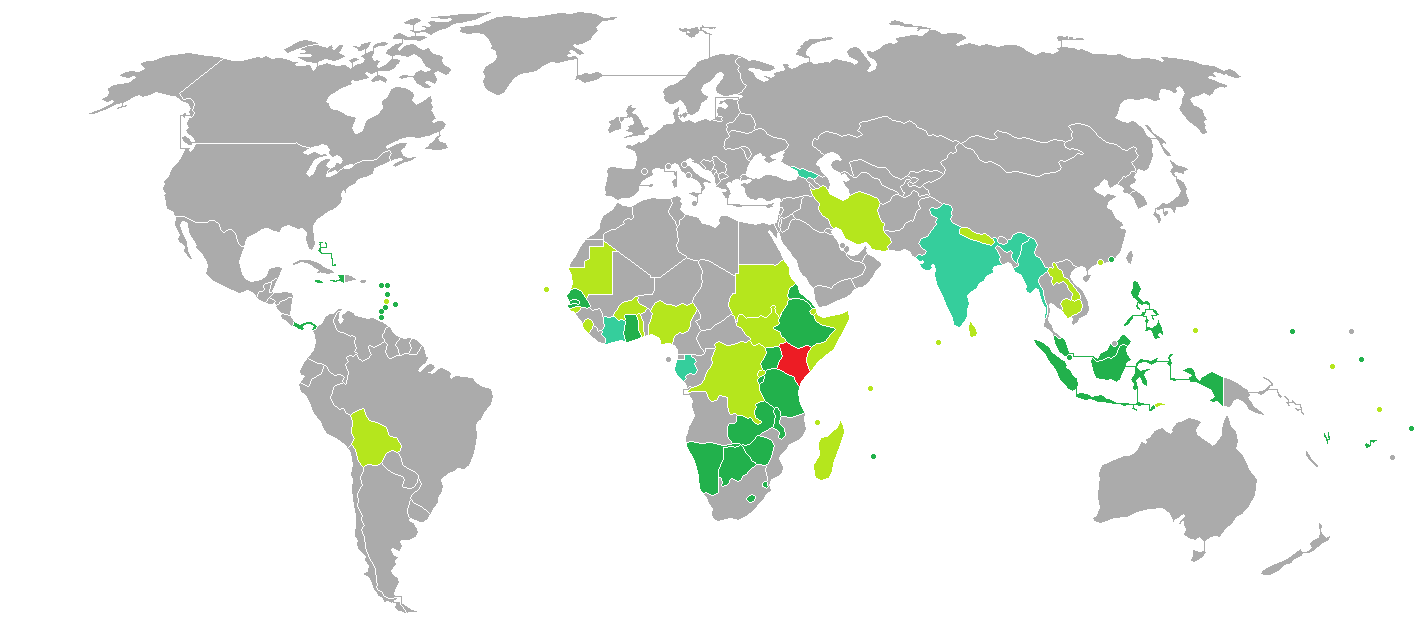











Planning a trip to Kenya and wondering about internet and WiFi availability? Kenya boasts robust internet connectivity, with 4G and 5G networks widely available in urban areas and reliable 3G in rural regions. From Safaricom’s dominant mobile data plans to free WiFi hotspots in Nairobi and Mombasa, staying connected is easier than ever. This guide dives into how to access the internet in Kenya, covering mobile data, WiFi options, costs, and network reliability for tourists. Whether you’re posting safari photos or working remotely, we’ve got you covered with practical tips and first-hand insights.
Why Internet Connectivity Matters for Tourists in Kenya
In 2025, staying connected while traveling is non-negotiable. Whether you’re sharing breathtaking views of the Maasai Mara on Instagram (@KenyaTravel), navigating Nairobi with Google Maps, or checking emails during a digital nomad stint, reliable internet is key. Kenya has made massive strides in mobile technology, ranking among Africa’s leaders in internet speed and coverage. According to recent data, Kenya’s average mobile internet speed is 21.7 Mbps, placing it 38th globally Wikipedia: Internet Speed Rankings. This guide draws from my recent travels across Kenya, offering unique insights into staying connected seamlessly.
Mobile Networks in Kenya: Choosing the Best Provider
Kenya’s mobile network infrastructure is a game-changer for tourists. Safaricom, Airtel, and Telkom Kenya dominate the market, with Safaricom holding a 65% market share due to its extensive coverage. During my January 2025 visit to Amboseli National Park, I relied on Safaricom’s 4G to video-call my family while elephants roamed in the background. Here’s a breakdown of the top providers:
Safaricom: The Go-To Choice for Tourists
- Coverage: Nationwide, with 5G in Nairobi, Mombasa, and Kisumu.
- Data Plans: Affordable bundles, e.g., 1GB daily for KES 99 (~$0.77 USD).
- Availability: SIM cards at Jomo Kenyatta International Airport or local shops.
Airtel: Budget-Friendly Alternative
- Coverage: Strong in urban areas, weaker in remote regions.
- Data Plans: Competitive, with 2GB for KES 100 (~$0.78 USD) valid for 3 days.
- Perk: Offers free WhatsApp with some bundles.
Telkom Kenya: The Underdog
- Coverage: Limited but improving in major towns.
- Data Plans: Cheapest, with 1GB for KES 60 (~$0.47 USD).
- Drawback: Spotty rural connectivity.
Pro Tip: Purchase a SIM card upon arrival at the airport for instant connectivity. Safaricom’s kiosks are open 24/7, and a tourist SIM with 5GB data costs around KES 1,000 (~$7.75 USD) Safaricom Official Site.
Comparison of Mobile Network Providers in Kenya
| Provider | Key Features |
|---|---|
| Safaricom | Best coverage, 5G in major cities, reliable for safaris, tourist-friendly bundles |
| Airtel | Affordable plans, free WhatsApp, good urban coverage |
| Telkom Kenya | Cheapest data, limited rural coverage, ideal for budget travelers |
| Faiba (Jamii Telecom) | High-speed 4G, urban-focused, great for fixed broadband |
| Equitel | Niche provider, tied to Equity Bank, limited market share |
WiFi Availability: Where to Find Free and Paid Hotspots
Free WiFi is increasingly common in Kenya’s urban centers. In Nairobi, Java House and Artcaffe offer complimentary WiFi with a purchase, while Two Rivers Mall provides free access in public areas. Mombasa’s Nyali Centre and Diani’s Diani Beach Shopping Centre are also reliable spots. During my stay in Diani, I used free WiFi at a beachfront café to upload photos, though speeds varied (around 5-10 Mbps).
Top Places for Free WiFi
- Cafes and Restaurants: Chains like Java House (@JavaHouseAfrica) and Artcaffe.
- Hotels and Lodges: Most mid-range and luxury accommodations offer free WiFi.
- Airports: Jomo Kenyatta and Moi International Airport provide 30-minute free WiFi sessions Wowfare: East African Airports.
- Shopping Malls: Westgate and Sarit Centre in Nairobi.
Caution: Public WiFi can be insecure. I recommend using a VPN like NordVPN for safe browsing NordVPN Official Site.
Paid WiFi Options
For reliable connections, consider portable WiFi hotspots. Companies like Travel WiFi Africa offer pocket routers with 1GB daily for $5 USD, ideal for multi-device use Africa Travel WiFi. In 2025, some safari vehicles in Kenya even provide onboard WiFi, a game-changer for remote areas TourCompass: WiFi on Safari.
Internet in Rural and Safari Areas: What to Expect
While urban areas boast 5G and 4G, rural connectivity relies on 3G or 4G Lite. During my Maasai Mara safari in February 2025, I was surprised by Safaricom’s 4G signal near the Mara River, allowing me to post real-time updates on Twitter (@VisitMaasaiMara). However, remote camps like those in Tsavo West may have spotty signals. Case Study: A digital nomad I met at a Mara lodge used a portable router to work remotely, averaging 10 Mbps for Zoom calls Coworking Safari.
Tips for Rural Connectivity
- Choose Safaricom: Best for remote areas like Amboseli or Samburu.
- Portable Routers: Rent from providers like Konnect Africa for consistent access.
- Offline Maps: Download Google Maps for offline navigation in low-signal zones.
Costs of Staying Connected in Kenya
Kenya’s internet is cost-effective compared to many Western countries. Here’s a detailed cost breakdown based on my experience and 2025 pricing:
Mobile Data Costs
| Bundle | Cost (KES/USD) | Provider | Validity |
|---|---|---|---|
| 1GB Daily | KES 99 (~$0.77) | Safaricom | 24 hours |
| 2GB 3-Day | KES 100 (~$0.78) | Airtel | 3 days |
| 5GB Weekly | KES 500 (~$3.88) | Safaricom | 7 days |
| 10GB Monthly | KES 1,000 (~$7.75) | Telkom Kenya | 30 days |
| 20GB Monthly | KES 2,000 (~$15.50) | Safaricom | 30 days |
WiFi Hotspot Costs
- Café WiFi: Free with purchase (e.g., KES 300 coffee).
- Portable Router: $5-$10/day for 1-2GB AFKTravel: Internet in Africa.
- Hotel WiFi: Often free, but premium plans cost KES 500/day (~$3.88).
Insight: During my trip, I saved 30% by buying a weekly Safaricom bundle instead of daily plans, perfect for a 10-day safari.
Network Reliability and Speed in 2025
Kenya’s internet infrastructure has evolved rapidly. Safaricom’s 5G now covers Nairobi, Mombasa, Kisumu, and Eldoret, with speeds up to 400 Mbps in urban centers. Rural areas maintain 3G/4G at 10-20 Mbps, sufficient for streaming and video calls. Data Point: A 2025 Ookla report ranks Kenya’s mobile internet speed 21% faster than the African average Ookla Speedtest.
Real-World Example
In Lamu, a coastal island, I tested Airtel’s 4G while exploring Shela Beach. Speeds hit 15 Mbps, but dropped to 2 Mbps during peak evening hours. Switching to Safaricom improved reliability. Quote: “Safaricom’s coverage in remote areas saved my trip. I could navigate and book tours without stress,” said Sarah, a Canadian tourist I met in Lamu.
Staying Safe Online in Kenya
Public WiFi in Kenya, like in many countries, poses security risks. During my Nairobi stay, I avoided open networks at coffee shops after noticing slow connections, a sign of potential data throttling or hacking attempts. Tips:
- Use a VPN for encrypted browsing.
- Avoid sensitive transactions on public WiFi.
- Enable two-factor authentication on all accounts.
Unique Angle: Digital Nomads in Kenya
Kenya is emerging as a digital nomad hub, with coworking spaces like Nairobi Garage and Ikigai offering high-speed WiFi (up to 100 Mbps) and vibrant communities Nairobi Garage. I spent a week at Ikigai Westlands, where unlimited WiFi and power backups ensured uninterrupted work. Case Study: A UK-based freelancer, James, relocated to Diani in 2025, using Safaricom Home Fibre (30 Mbps for KES 2,900/month) to run his graphic design business remotely.
Practical Tips for Tourists
- Buy a Local SIM: Get a Safaricom SIM at the airport for instant access.
- Check Lodge WiFi: Confirm with your safari lodge if WiFi is available Amboseli Park Kenya.
- Carry a Power Bank: Rural areas may lack charging points.
- Use WhatsApp: Kenya’s preferred messaging app, often free with data bundles.
- Monitor Data Usage: Apps like MySafaricom help track consumption.
Future of Internet in Kenya: What’s Next?
By 2026, Kenya aims to expand 5G coverage to 80% of the population, with projects like Starlink enhancing rural connectivity Starlink Kenya. This could revolutionize safari experiences, making real-time streaming from remote parks a reality. Prediction: Expect more lodges to offer onboard WiFi in vehicles by 2027, based on current trends.
Conclusion
Kenya’s internet and WiFi landscape in 2025 is a traveler’s dream, blending affordable mobile data, widespread WiFi hotspots, and reliable rural coverage. Whether you’re a tourist posting safari selfies or a digital nomad working from Diani, Safaricom’s 4G/5G networks and free WiFi at cafes keep you connected. With cost-effective plans and secure browsing tips, this guide ensures you stay online seamlessly. Follow @KenyaTourism on Twitter for more travel updates, and plan your connected adventure today!