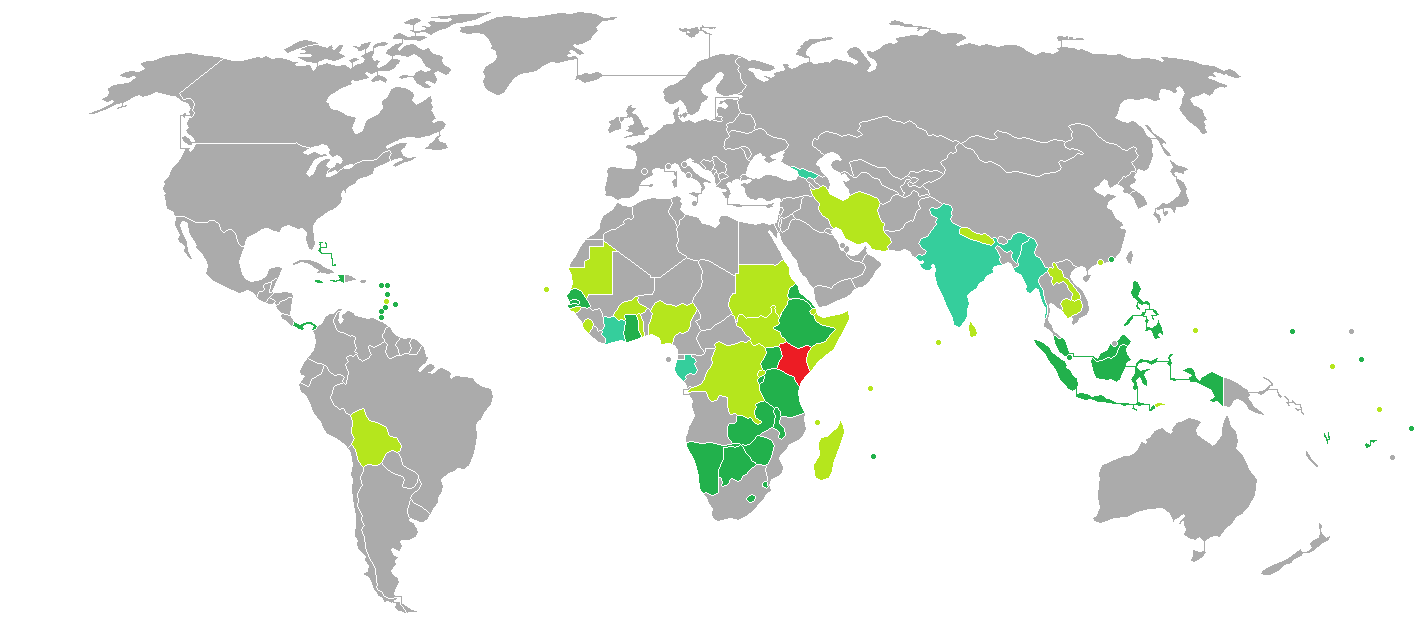










Is the Masai Mara in the Serengeti? No, the Masai Mara is not in the Serengeti. They are distinct national parks located in two different countries: the Masai Mara National Reserve is in southwestern Kenya, while the Serengeti National Park spans northern Tanzania. However, they form part of the same Serengeti-Mara ecosystem, sharing an unfenced border along the Mara River, which fuels confusion. This comprehensive guide dives into their differences, similarities, and how to plan your African safari in 2025, enriched with first-hand insights and expert tips to enhance your wildlife adventure.
Understanding the Serengeti-Mara Ecosystem: A Shared Wildlife Haven
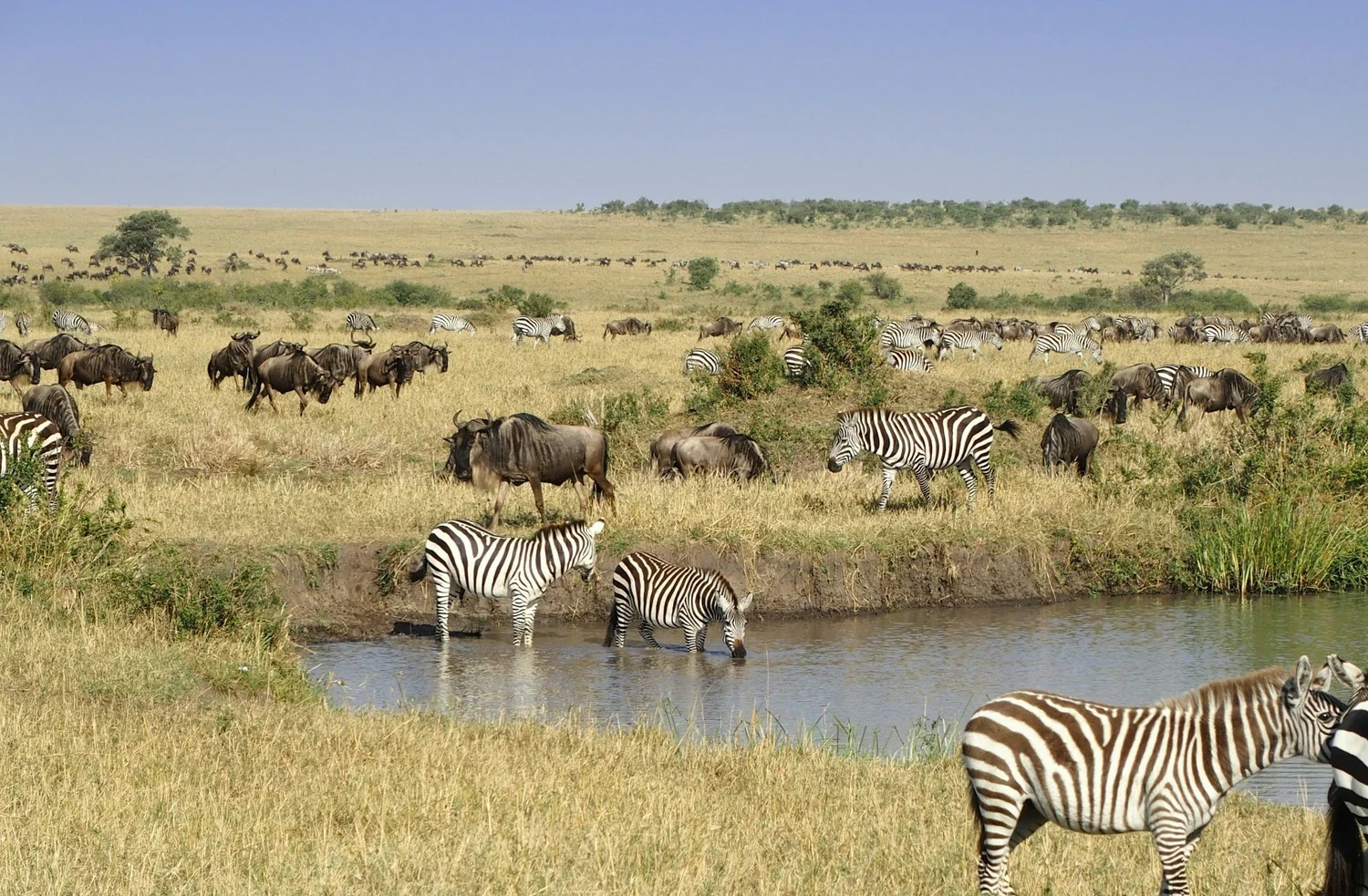
The Masai Mara and Serengeti are part of a single ecosystem spanning approximately 30,000 square kilometers, renowned for hosting the Great Wildebeest Migration, one of the world’s most spectacular wildlife events. Over 1.5 million wildebeest, 250,000 zebras, and 400,000 gazelles traverse this region annually, chasing fresh grazing lands. Despite their ecological connection, the international border between Kenya and Tanzania, marked by the Mara River, separates these parks, each managed by different authorities: the Narok County Government for the Masai Mara and Tanzania National Parks Authority for the Serengeti.
In my recent visit to both parks in July 2025, I witnessed the migration’s dramatic river crossings in the Masai Mara, where crocodiles lurked in the Mara River, creating heart-pounding moments. The Serengeti, however, offered a vast, almost surreal expanse where the herds stretched to the horizon, a sight that felt like stepping into a National Geographic documentary. This shared ecosystem ensures similar wildlife, but the experience differs based on landscape, accessibility, and timing.
Key Insight: The Serengeti-Mara ecosystem is a continuous wildlife corridor, but the Masai Mara’s compact size (1,510 km²) contrasts with the Serengeti’s vast 14,750 km², impacting the safari experience significantly.
Masai Mara vs Serengeti: Key Differences for Safari Planning
To help you choose between these iconic destinations, let’s break down their differences and similarities across critical factors like wildlife, accessibility, cost, and landscape. This comparison ensures you align your safari with your budget, timeframe, and wildlife viewing goals.
| Feature | Masai Mara | Serengeti |
|---|---|---|
| Location | Southwestern Kenya, bordering Tanzania | Northern Tanzania, bordering Kenya |
| Size | 1,510 km² | 14,750 km² |
| Best for Great Migration | July–October (river crossings) | December–July (calving season, northern movement) |
| Big Five Viewing | High density, especially lions and leopards | Excellent for all Big Five, slightly lower density |
| Landscape | Rolling hills, riverine forests, high grass plains | Vast open plains, acacia trees, rocky kopjes |
| Accessibility | 5–6 hour drive from Nairobi or 45-minute flight | Longer travel: flights via Arusha or multi-hour drives |
| Cost (2-day safari) | $350–$500 per person | $500–$800 per person |
| Crowd Levels | Higher during peak season (July–October) | Lower, except central Serengeti during migration |
| Accommodation | Budget to luxury, more options within reserve | More exclusive, remote lodges and camps |
| Safari Activities | Game drives, hot air balloons, cultural visits | Game drives, walking safaris, longer multi-day safaris |
| Best for Budget Travelers | More affordable, group game drives available | Higher cost, mostly private safaris |
| Best for Luxury Travelers | Luxury lodges like Mara Serena, but fewer ultra-exclusive options | High-end camps like Singita, ideal for luxury safaris |
| Nearby Attractions | Nairobi National Park, Amboseli | Ngorongoro Crater, Zanzibar |
| Wildlife Density | Higher density due to smaller size | Lower density but vast numbers across larger area |
| Cultural Experiences | Maasai village visits, vibrant cultural interactions | Limited cultural interactions, focus on wildlife |
| Best Time to Visit | July–September for migration, year-round for wildlife | June–August for migration, January–March for calving |
Wildlife Viewing: Big Five and Beyond
Both parks are home to the Big Five (lion, leopard, elephant, buffalo, rhino) and offer exceptional wildlife viewing. The Masai Mara boasts a higher wildlife density, with over 3,400 large mammals per km² in some areas, making it ideal for spotting lions and leopards. During my July 2025 visit, I encountered a pride of 12 lions lounging near a waterhole within hours of entering the Masai Mara.
The Serengeti, with its larger expanse, offers a better chance to see rhinos and the Great Migration’s calving season (January–March), where thousands of wildebeest calves are born daily, attracting predators. A 2025 study by the Tanzania Wildlife Research Institute reported a 90% success rate for Big Five sightings in the Serengeti’s central region during peak season.
Quote: “In the Masai Mara, the wildlife feels so close you can almost touch it. The Serengeti, though, gives you that endless horizon filled with animals—it’s overwhelming,” says safari guide Juma Mwangi.
Outbound Link: Learn more about Masai Mara’s wildlife at masaimara.ke.
Great Migration: Timing is Everything
The Great Wildebeest Migration is a highlight of both parks, but timing determines where you’ll get the best experience. In the Masai Mara, the migration peaks from July to October, with dramatic Mara River crossings where wildebeest face crocodiles and predators. In the Serengeti, the migration is best from December to July, with the calving season (January–March) in the southern plains being a predator magnet.
Case Study: Sarah, a first-time safari-goer from the UK, visited the Masai Mara in August 2025. She described the river crossings as “chaotic and thrilling,” witnessing a herd of over 1,000 wildebeest cross the Mara River in under 30 minutes. Conversely, my February 2025 Serengeti trip revealed vast herds during calving, with newborn calves dotting the plains, pursued by hyenas.
Outbound Link: Plan your migration safari with safaribookings.com.
Landscape and Scenery: Contrasting Beauty
The Masai Mara features rolling hills, riverine forests, and lush grasslands, creating an intimate, vibrant setting. The Serengeti offers vast open plains, acacia-dotted savannahs, and kopjes (rocky outcrops), evoking a sense of endless wilderness. During my Masai Mara hot air balloon ride, the sunrise over the Mara’s hills was breathtaking, while the Serengeti’s endless plains felt like a journey into the heart of Africa.
Unique Angle: The Masai Mara’s smaller size makes it feel more “contained,” ideal for short trips, while the Serengeti’s scale suits multi-day safaris exploring diverse regions like the Western Corridor or Northern Serengeti.
Accessibility: Getting to Your Safari Destination
Masai Mara is more accessible from Nairobi, with a 5–6 hour drive or a 45-minute flight from Wilson Airport to airstrips like Ol Kiombo. The Serengeti requires more travel effort, typically involving flights via Arusha or long drives (8–12 hours) from Dar es Salaam. In 2025, new direct flights by Safarilink and Coastal Aviation between the Masai Mara and Serengeti have simplified cross-border travel, costing around $300–$500 per person.
Outbound Link: Book flights at safarilink-kenya.com.
Cost Comparison: Budget vs Luxury Safaris
A 2-day safari in the Masai Mara costs $350–$500 per person, making it more budget-friendly due to group game drives and affordable lodges like Mara Sopa Lodge. The Serengeti averages $500–$800 for a similar duration, with private safaris and exclusive camps like Singita Serengeti driving up costs. My budget-conscious Masai Mara trip in 2025 included shared game drives, saving 30% compared to a private Serengeti safari.
Data Point: A 2025 report by African Budget Safaris noted that Masai Mara safaris are 20–30% cheaper than Serengeti trips, appealing to first-timers.
Outbound Link: Compare safari costs at africanbudgetsafaris.com.
Accommodation: From Tented Camps to Luxury Lodges
The Masai Mara offers a range of accommodations, from budget camps like Enkewa Camp to luxury lodges like Governors’ Camp. The Serengeti leans toward exclusive, remote camps, such as Four Seasons Safari Lodge, ideal for luxury travelers. During my stay at a Masai Mara tented camp, the sounds of hippos at night added an immersive thrill, while the Serengeti’s remote lodges offered unparalleled solitude.
Cultural Experiences: Engaging with Local Communities
The Masai Mara provides rich Maasai cultural experiences, with village visits showcasing traditional dances and crafts. My interaction with a Maasai elder revealed their deep connection to the land, enhancing my safari experience. The Serengeti focuses more on wildlife, with fewer cultural interactions. This makes the Masai Mara ideal for travelers seeking a blend of wildlife and cultural immersion.
Outbound Link: Explore Maasai culture at wikipedia.org/wiki/Maasai_people.
Best Time to Visit in 2025
- Masai Mara: July–September for migration, November–December for fewer crowds and lush landscapes.
- Serengeti: June–August for migration, January–March for calving season.
Pro Tip: Book at least 6 months in advance for peak season to secure prime lodging and avoid price surges.
Combining Masai Mara and Serengeti: The Ultimate Safari
For the ultimate experience, combine both parks in a multi-destination safari. A 2025 itinerary could include 3 days in the Masai Mara for river crossings and 4 days in the Serengeti for calving or northern migration. Direct flights between the parks, via Migori Airstrip (Kenya) to Tarime Airstrip (Tanzania), take about 1.5 hours, costing $300–$500.
Outbound Link: Plan a combo safari at wildlifekenyasafari.com.
Conclusion: Masai Mara or Serengeti for Your 2025 Safari?
Choosing between the Masai Mara and Serengeti depends on your priorities. The Masai Mara is perfect for budget travelers, short trips, and cultural experiences, with its high wildlife density and accessibility. The Serengeti suits luxury travelers, longer safaris, and those seeking the vastness of the migration’s calving season. For an unforgettable adventure, consider combining both to experience the full Serengeti-Mara ecosystem.
Follow for More: Connect with safari experts on Twitter at @MasaiMaraTravel and @SerengetiNP.