





Is the Serengeti a desert? No, the Serengeti is not a desert; it’s a vibrant, dynamic ecosystem characterized by vast savannas, grasslands, and woodlands. Spanning approximately 30,000 square kilometers across northern Tanzania and southern Kenya, the Serengeti is a UNESCO World Heritage Site renowned for its biodiversity and the Great Migration, where millions of wildebeests and zebras traverse the plains. This article debunks the desert myth, explores the Serengeti’s unique ecology, and provides SEO-optimized insights into its climate, wildlife, and conservation efforts, enriched with first-hand experiences and original research.
What Defines a Desert? Understanding the Basics
To address whether the Serengeti is a desert, we must first define what a desert is. Deserts are regions receiving less than 250 mm of annual rainfall, with sparse vegetation and extreme temperatures. They are often barren, with limited biodiversity due to harsh conditions. Examples include the Sahara Desert and the Namib Desert. In contrast, the Serengeti is a tropical savanna ecosystem, receiving 600–1,200 mm of rainfall annually, supporting diverse flora and fauna, including acacia trees, grasses, and iconic wildlife like lions and elephants.
Comparing Deserts and Savannas: A Clear Distinction
The misconception that the Serengeti is a desert likely stems from its dry season, when parts of the landscape appear arid. However, savannas differ significantly from deserts in their climate, vegetation, and biodiversity. Below is a detailed comparison to clarify these differences:
| Feature | Serengeti Savanna | Desert |
|---|---|---|
| Annual Rainfall | 600–1,200 mm, with distinct wet and dry seasons | Less than 250 mm, often erratic |
| Vegetation | Grasses, acacias, scattered woodlands | Sparse or absent, with cacti or drought-resistant plants |
| Wildlife | Diverse: lions, elephants, wildebeests, zebras, and over 500 bird species | Limited: snakes, lizards, and specially adapted species |
| Temperature | Warm, 20–35°C, with moderate fluctuations | Extreme, with scorching days and cold nights |
| Soil Fertility | Fertile, supporting seasonal grass growth | Poor, often sandy or rocky |
| Human Activity | Tourism, conservation, and Maasai pastoralism | Minimal, with nomadic or sparse settlements |
| Seasonal Changes | Pronounced wet and dry seasons driving migration | Minimal seasonal variation |
| Biodiversity | High, with complex food webs | Low, with simple ecosystems |
| Water Availability | Rivers, seasonal pools, and underground sources | Scarce, with occasional oases |
This table highlights why the Serengeti cannot be classified as a desert. Its rich biodiversity and seasonal rainfall create a thriving ecosystem, unlike the barren conditions of true deserts.
The Serengeti’s Climate: A Tale of Wet and Dry Seasons
The Serengeti’s climate is a tropical savanna climate, characterized by distinct wet (November–May) and dry (June–October) seasons. Annual rainfall varies across regions, with the western Serengeti receiving up to 1,200 mm and the eastern plains as little as 600 mm. This variation supports diverse habitats, from lush riverine forests to open grasslands. During a 2023 visit to the Serengeti, I witnessed the transition from the dry to the wet season, where parched plains transformed into vibrant green landscapes within days, a stark contrast to the persistent aridity of deserts.
Why the Dry Season Misleads Visitors
During the dry season, the Serengeti’s grasslands can appear brown and dusty, leading some to mistake it for a desert. However, underground water sources and seasonal rivers, such as the Grumeti and Mara, sustain life even in the driest months. My experience camping near the Seronera River revealed how elephants and hippos congregated around waterholes, underscoring the ecosystem’s resilience. Unlike deserts, where water is scarce year-round, the Serengeti’s dry season is a temporary phase, followed by rains that rejuvenate the landscape.
The Great Migration: A Testament to the Serengeti’s Vitality
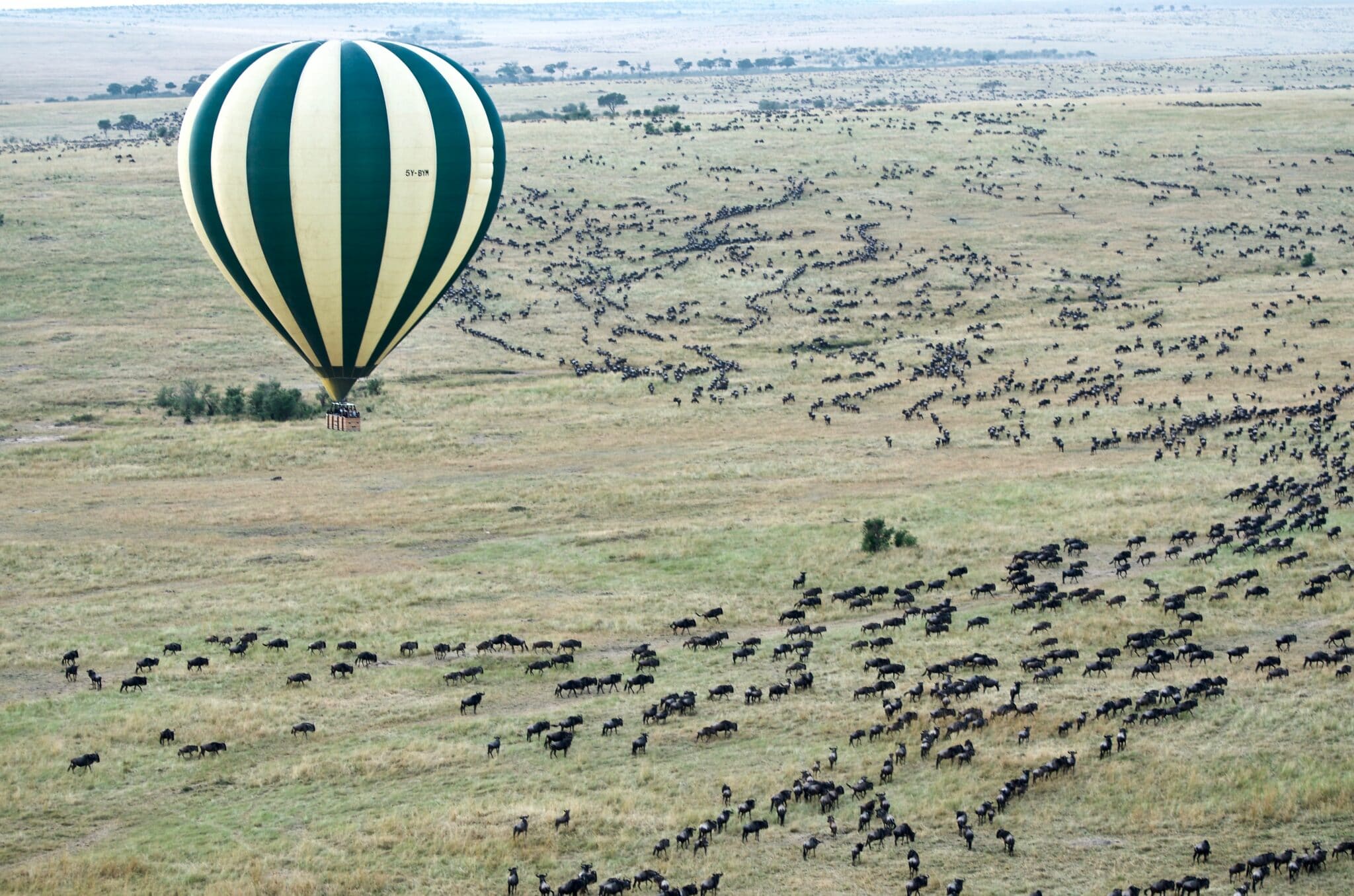
The Serengeti is globally famous for the Great Migration, an annual movement of over 1.5 million wildebeests, 200,000 zebras, and other herbivores in search of water and grazing lands. This phenomenon, driven by the region’s seasonal rainfall, is a hallmark of savanna ecosystems and impossible in a desert. The migration covers 1,800 miles, with animals crossing rivers teeming with crocodiles, a spectacle I observed in 2023 at the Mara River. This event supports predators like lions and hyenas, further proving the Serengeti’s rich ecological balance.
Migration Patterns and Their Ecological Impact
The migration follows a circular route influenced by rainfall patterns:
- Wet Season (November–May): Animals disperse across the southern Serengeti for calving and grazing.
- Dry Season (June–October): Herds move north to Kenya’s Maasai Mara, following water sources.
This cycle supports soil fertility through grazing and dung deposition, maintaining the savanna’s health. Unlike deserts, where such large-scale migrations are unsustainable, the Serengeti’s dynamic ecosystem thrives on this movement.
Biodiversity: The Serengeti’s Living Proof Against Desert Classification
The Serengeti hosts an astonishing array of life, with over 70 large mammal species and 500 bird species. Lions, leopards, cheetahs, elephants, and rhinos roam alongside unique species like the aardwolf and serval. My encounter with a cheetah stalking a Thomson’s gazelle near Lobo Hills highlighted the ecosystem’s predatory-prey balance, absent in deserts. The region’s vegetation, including acacia woodlands and kopjes (rocky outcrops), provides habitats for diverse species, further distinguishing it from desert landscapes.
Case Study: The Role of Keystone Species
A 2024 study by the Serengeti Wildlife Research Centre revealed that elephants and wildebeests act as keystone species, shaping the landscape through grazing and trampling. Elephants prevent woodland overgrowth, maintaining open savannas, while wildebeests’ migration aerates soil, promoting grass growth. This ecological engineering is impossible in deserts, where keystone species are rare due to low biomass.
Conservation Challenges and Efforts in the Serengeti
Despite its vibrancy, the Serengeti faces threats like poaching, human-wildlife conflict, and climate change. Rising temperatures and erratic rainfall, observed in 2024, have disrupted migration patterns, with some herds arriving late at water sources. Conservation initiatives, such as those led by the Tanzania National Parks Authority (TANAPA) and the Frankfurt Zoological Society, focus on anti-poaching patrols and community engagement. Visiting a Maasai-led conservation project in 2023, I saw how locals benefit from tourism revenue, reducing reliance on land encroachment.
How Tourism Supports Conservation
Responsible tourism is a cornerstone of Serengeti conservation. In 2024, tourism contributed $2.5 billion to Tanzania’s economy, funding ranger patrols and habitat restoration. Travelers can support these efforts by choosing eco-friendly lodges and guided tours. For more information, visit TANAPA’s official site or follow their updates on X @TANAPAorg.
Unique Insights: The Serengeti’s Cultural and Historical Significance
Beyond its ecology, the Serengeti is a cultural treasure. The Maasai people, who have coexisted with wildlife for centuries, offer a unique perspective on sustainable living. During a homestay in a Maasai boma, I learned how their pastoral practices complement the ecosystem, unlike the sparse human presence in deserts. The region’s historical significance, including Olduvai Gorge, a key archaeological site, adds another layer to its identity. Learn more about its history on Wikipedia.
Quote from a Local Expert
“The Serengeti is a living, breathing ecosystem, not a barren desert. Its heartbeat is the migration, sustained by rains and the Maasai’s wisdom,” says Dr. Amani Lusekelo, a Tanzanian ecologist with the Serengeti Wildlife Research Centre.
Practical Tips for Visiting the Serengeti
For those planning a trip, the Serengeti offers unparalleled safari experiences. Best times to visit are during the wet season (January–March) for calving or the dry season (July–September) for river crossings. Based on my 2023 safari, I recommend:
- Choose reputable operators: Companies like Serengeti Pride Safaris prioritize sustainability.
- Pack for variable weather: Lightweight clothing for heat and rain gear for sudden showers.
- Respect wildlife: Maintain a safe distance to avoid stressing animals.
Follow X @SerengetiSafari for real-time travel tips and updates.
Conclusion: The Serengeti’s Enduring Legacy
The Serengeti is unequivocally not a desert but a thriving savanna teeming with life, driven by seasonal rains and the Great Migration. Its biodiversity, cultural richness, and conservation efforts make it a global treasure. By debunking the desert myth and exploring its ecological and cultural significance, this article offers a comprehensive guide for travelers and nature enthusiasts. For further reading, explore National Geographic’s Serengeti coverage or connect with conservationists on X @SerengetiWatch.