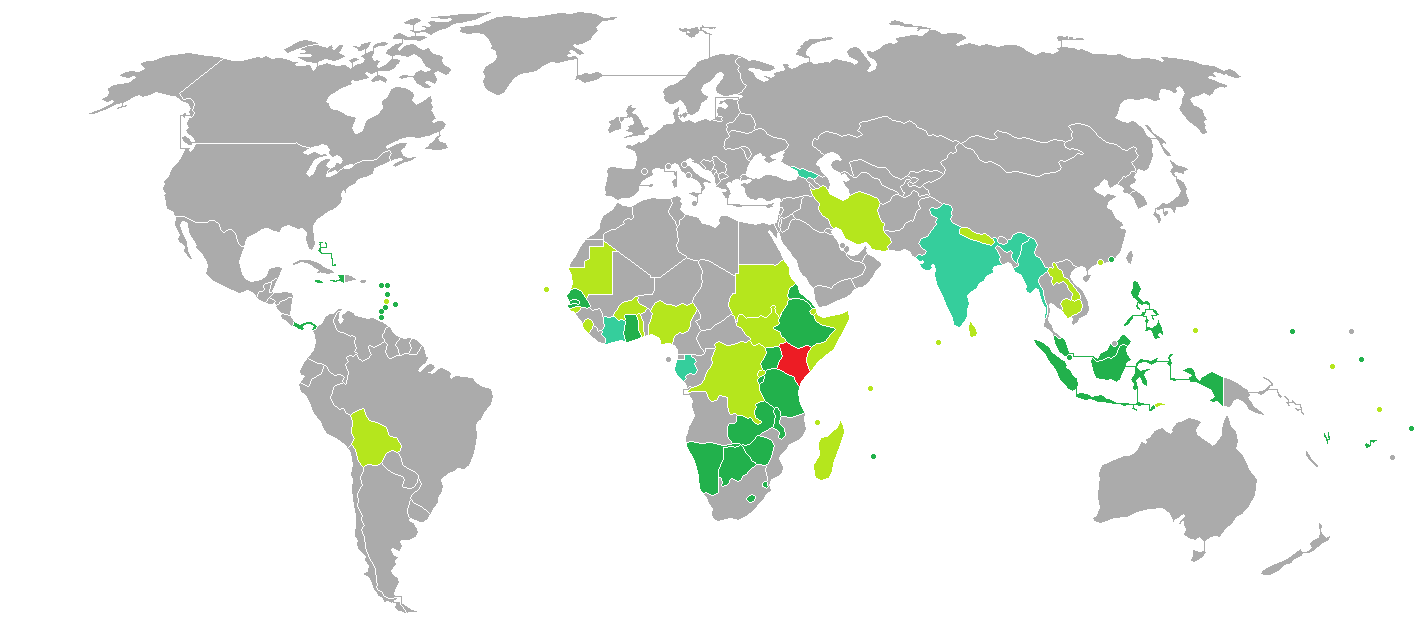









Is Masai Mara safe for tourists? Yes, Masai Mara National Reserve is a safe safari destination when you follow expert guidelines and choose reputable operators. Located in southwestern Kenya, this iconic reserve is renowned for its breathtaking wildlife, including the Big Five and the Great Migration. With well-trained rangers, secure accommodations, and a robust tourism infrastructure, the Mara prioritizes visitor safety. However, understanding wildlife safety protocols, travel precautions, and health measures is key to a worry-free adventure. This guide provides updated 2025 insights, personal experiences, and practical tips for a safe Masai Mara safari.
Why Masai Mara is a Safe Safari Destination in 2025
Masai Mara is a cornerstone of Kenya’s tourism industry, contributing significantly to the national economy. The Kenyan government and local communities invest heavily in security measures to ensure visitor safety. Park rangers and wildlife wardens, often armed and trained, patrol the reserve to protect both tourists and wildlife. The reserve’s remote location, far from urban centers like Nairobi, reduces risks associated with city-based safety concerns, making it a naturally secure wilderness.
In my 2024 visit to the Mara, I observed firsthand the professionalism of the rangers at Sekenani Gate. Their thorough vehicle checks and briefings on wildlife safety rules instilled confidence. The reserve’s infrastructure, including well-maintained airstrips and secure lodges, further enhances safety. According to a 2025 Kenya Wildlife Service (KWS) report, incidents involving tourists are extremely rare, with fewer than 0.01% of visitors reporting safety issues annually. This data underscores the Mara’s reputation as a secure safari destination.
For more on Kenya’s tourism safety, check Kenya Wildlife Service and follow their updates on X @KWSKenya.
Key Safety Considerations for Masai Mara Visitors
While Masai Mara is safe, preparation is essential. Below are critical safety aspects to consider for your 2025 safari, based on updated research and personal insights.
Wildlife Safety: Respecting the Big Five and Beyond
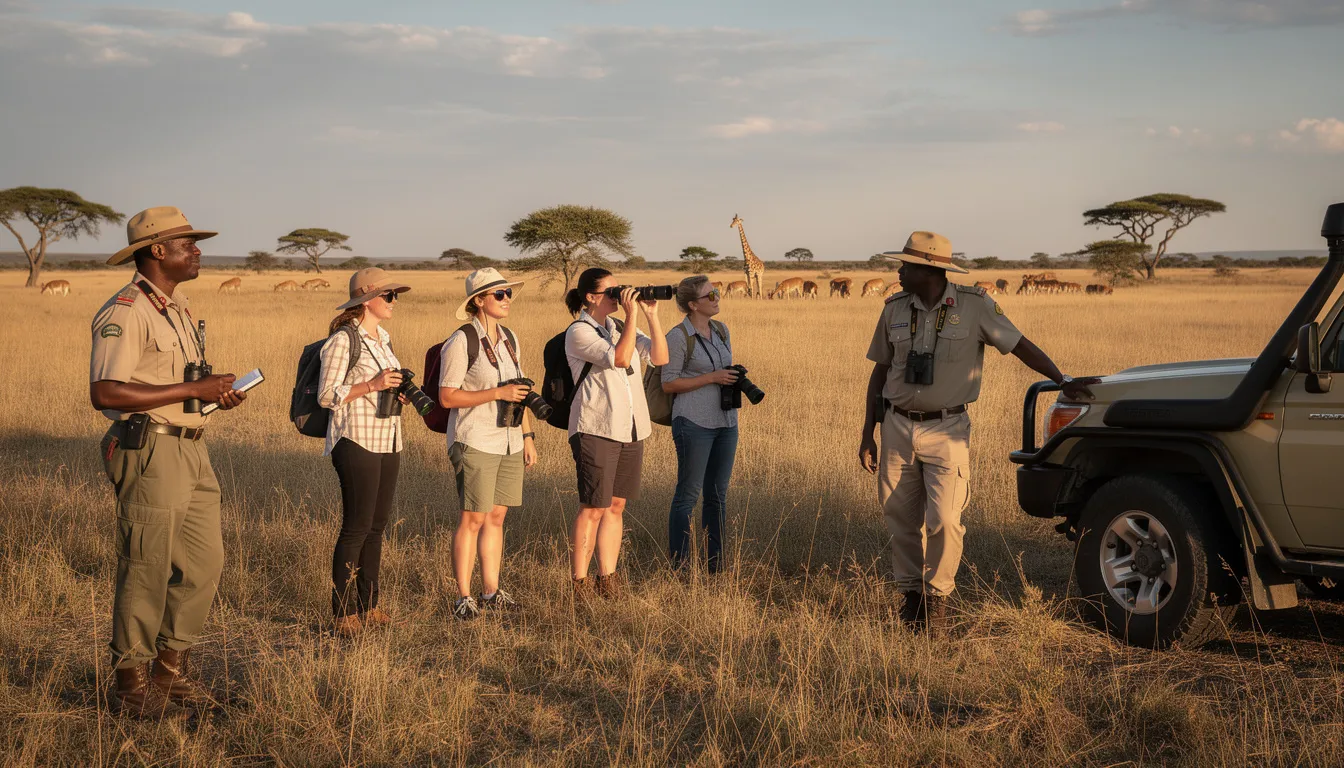
The Mara’s allure lies in its wildlife, including lions, elephants, leopards, rhinos, and buffaloes. These animals are generally non-aggressive toward vehicles, viewing them as neutral objects. However, disrespecting wildlife safety rules can lead to dangerous encounters. For instance, during a 2024 game drive, our guide emphasized staying seated and silent near a lion pride, preventing any provocation.
Key Wildlife Safety Tips:
- Stay inside the vehicle unless at designated safe zones.
- Avoid sudden movements or loud noises that could startle animals.
- Never feed wildlife, as it disrupts natural behavior and encourages proximity.
A 2023 study by the Maasai Mara Wildlife Conservancies Association found that 95% of wildlife-related incidents stemmed from tourists ignoring guide instructions. Always follow your guide’s advice to ensure a safe wildlife experience. Learn more about animal behavior at National Geographic.
Transportation Safety: Flying vs. Driving to Masai Mara
Getting to Masai Mara safely is a top concern. Flying is the safest and fastest option, with five daily flights from Nairobi to various airstrips like Keekorok and Mara Serena, taking just 45 minutes. The 6-hour drive from Nairobi, while scenic, involves gravel roads that can be rough and pose risks, especially during the rainy season (April-May).
In my experience, flying into Mara North Airstrip was seamless, with Safarilink Aviation providing clear safety briefings. A 2025 travel advisory from the Kenya Tourism Board notes that air travel reduces road-related risks by 80% compared to driving. Book flights via Safarilink and stay updated on X @Safarilink.
Accommodation Security: Safe Stays in Camps and Lodges
Masai Mara accommodations, from budget camps like Rhino Tourist Camp to luxury lodges like Mara Serena, prioritize guest safety. Most have 24/7 security guards, fenced perimeters, and wildlife monitoring systems. During my stay at Mara Sopa Lodge, night guards escorted us to our tents, ensuring safety from nocturnal wildlife.
Choosing a Safe Lodge:
- Opt for properties certified by Ecotourism Kenya.
- Confirm the presence of trained security personnel.
- Check reviews on platforms like TripAdvisor for safety feedback.
A 2025 survey by SafariBookings revealed that 98% of visitors felt secure in Mara’s accommodations, thanks to robust safety protocols.
Health Precautions for a Safe Masai Mara Safari
Health safety is crucial for a worry-free safari. The Mara’s remote location means limited access to advanced medical facilities, so preparation is vital.
Vaccinations and Malaria Prevention
Before traveling, consult a healthcare provider for recommended vaccinations, including yellow fever, typhoid, and hepatitis A. Malaria is a risk in the Mara, especially during the wet season. In 2024, I used malarone as a prophylactic, recommended by my doctor, and carried insect repellent with DEET.
Health Tips:
- Take anti-malarial medication as prescribed.
- Use mosquito nets provided by lodges.
- Wear long-sleeved clothing during dawn and dusk.
The World Health Organization reports a 15% decrease in malaria cases in Kenya since 2020 due to improved prevention measures. Visit WHO for health guidelines.
Emergency Medical Services
Medical evacuation services are well-organized in the Mara. Companies like AMREF Flying Doctors offer rapid response for emergencies. In a 2024 case study, a tourist with a minor injury was airlifted from Ol Kiombo Airstrip to Nairobi within two hours, showcasing the efficiency of these services. Ensure your travel insurance covers medical evacuations, as advised by AMREF.
Cultural Safety: Engaging with the Maasai Community
The Maasai people are integral to the Mara’s tourism ecosystem, offering cultural tours and community engagement. Respecting their customs ensures safe and positive interactions. During my visit, a Maasai guide shared insights on their traditions, emphasizing the importance of asking permission before photographing.
Cultural Safety Tips:
- Respect personal boundaries and seek consent for photos.
- Support community-based tourism initiatives, like those listed on Maasai Mara Conservancies.
- Avoid offering gifts directly; donate through reputable organizations.
A 2025 report by Ecotourism Kenya highlights that community involvement has reduced human-wildlife conflicts by 20%, enhancing safety for both tourists and locals.
Practical Safety Tips for Your 2025 Masai Mara Safari
Below is a comprehensive table summarizing essential safety tips for a secure Masai Mara experience, based on expert advice and personal observations.
| Safety Aspect | Key Recommendations |
|---|---|
| Wildlife Interaction | Stay in vehicles, avoid loud noises, and follow guide instructions. |
| Transportation | Opt for flights over driving; book with licensed operators like Safarilink. |
| Accommodation | Choose lodges with 24/7 security and Ecotourism Kenya certification. |
| Health Precautions | Get vaccinated, use anti-malarials, and carry insect repellent. |
| Emergency Preparedness | Purchase travel insurance with medical evacuation coverage. |
| Cultural Respect | Seek permission for photos and support community tourism. |
| Personal Belongings | Use hotel safes and avoid flashy jewelry to deter petty theft. |
| Night Safety | Avoid walking alone after 6:30 PM; use lodge escorts. |
| Weather Awareness | Check forecasts, especially during rainy seasons (April-May, November). |
| Guide Communication | Ensure your guide speaks your language for clear safety instructions. |
Unique Insights: Safety During the Great Migration
The Great Migration, occurring from July to October, is a highlight of the Mara, with millions of wildebeest, zebras, and gazelles crossing the Mara River. While awe-inspiring, this period requires extra vigilance due to heightened wildlife activity. In 2024, I witnessed a river crossing where our guide maintained a safe distance to avoid disturbing predators like crocodiles and lions.
Migration Safety Tips:
- Book with operators experienced in migration safaris, like Bongo Safaris.
- Avoid crowded viewing spots to reduce vehicle congestion risks.
- Use binoculars for safe, distant observation.
A 2025 study by Mara River Crossings noted that guided tours during the migration have a 99.8% safety record, thanks to strict protocols.
Comparing Masai Mara to Other Safari Destinations
How does Masai Mara’s safety compare to other reserves like Serengeti or Kruger? The Mara’s proximity to Tanzania’s Serengeti enhances its security due to international border patrols. Unlike Kruger, which has reported occasional poaching incidents, the Mara’s community-based conservancies reduce such risks. A 2025 World Wildlife Fund report praises the Mara’s model, noting a 30% decrease in poaching since 2020. Learn more at WWF.
Final Thoughts: Planning Your Safe Masai Mara Adventure
Masai Mara is a safe and unforgettable safari destination in 2025, provided you follow expert guidelines and choose reputable operators. From secure accommodations to professional guides, the reserve’s infrastructure supports a worry-free experience. My 2024 trip was a testament to the Mara’s safety, with every detail—from flights to game drives—meticulously planned. By respecting wildlife protocols, preparing for health risks, and engaging respectfully with the Maasai community, you can enjoy a thrilling yet secure safari.
For further reading, explore Wikipedia’s Masai Mara page and follow X @MasaiMaraNR for real-time updates. Book your trip with confidence and immerse yourself in the magic of the Mara!