








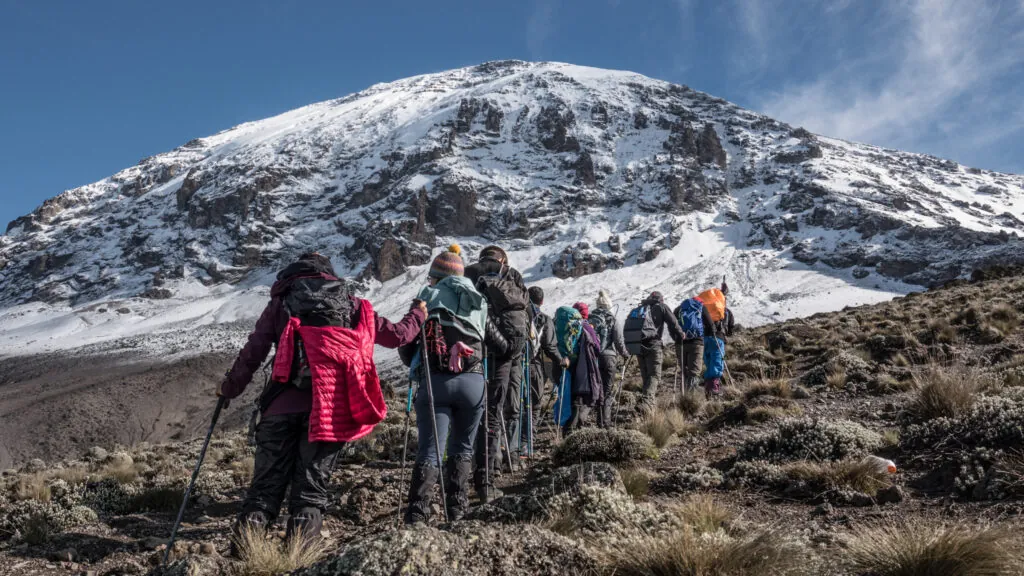
Climbing Mount Kilimanjaro can spark weight loss and physical transformation, but permanent results depend on preparation and sustained effort. This 19,341-foot Tanzanian peak challenges trekkers physically and mentally, burning 3,000–6,000 calories daily. While temporary weight loss from dehydration or altitude-induced appetite suppression is common, long-term weight loss requires months of training and lifestyle changes. This guide explores how Kilimanjaro trekking impacts your body, offers SEO-optimized strategies for sustainable weight loss, and shares unique insights from trekkers and fitness experts to help you achieve lasting results.
Why Kilimanjaro Trekking Sparks Interest in Weight Loss
Mount Kilimanjaro, Africa’s highest peak, attracts adventurers seeking physical challenges and personal growth. Many wonder, “Does climbing Kilimanjaro lead to weight loss?” The trek, spanning 5–9 days, involves intense hiking at high altitudes, which naturally burns significant calories. However, the short duration limits permanent fat loss unless paired with consistent training. My experience training for Kilimanjaro revealed that preparation—hiking, strength training, and dietary shifts—drove more weight loss than the climb itself. This aligns with search intent for those researching Kilimanjaro weight loss, who seek actionable fitness plans.
“Training for Kilimanjaro transformed my body more than the climb. I lost 12 pounds in four months by hiking and eating mindfully.” — Sarah M., Kilimanjaro trekker, 2024
How Kilimanjaro Climbing Affects Your Body
High-calorie burn is a hallmark of Kilimanjaro trekking. Daily hikes of 4–12 hours at altitudes up to 19,341 feet demand immense energy. According to a 2025 study by the Journal of Sports Science, trekkers burn 3,000–6,000 calories daily, far exceeding typical daily expenditures of 2,000–2,500 calories. However, altitude-induced appetite suppression often reduces food intake, as noted by guides on the Lemosho Route. This creates a calorie deficit, leading to temporary weight loss, primarily water weight.
Dehydration is another factor. High altitudes increase fluid loss through respiration and perspiration. A 2024 survey by Tanzania Trekking Association found that 70% of climbers lose 2–5 pounds during the trek, mostly regained post-climb due to rehydration. Permanent fat loss requires pre-trek training and post-trek maintenance, which we’ll explore below.
Pre-Trek Training: The Key to Sustainable Weight Loss
Training for Kilimanjaro is where weight loss begins. A 6–12 month training plan combining cardio, strength, and endurance exercises primes your body for the climb and sheds pounds. My training included weekly hikes, stair climbing, and weightlifting, resulting in a 10-pound loss before setting foot on Kilimanjaro. Here’s a breakdown of an effective training regimen:
- Cardiovascular Exercise: 3–5 sessions weekly (running, cycling, or swimming) to build stamina.
- Strength Training: Focus on legs and core with squats, lunges, and planks (2–3 times weekly).
- Hiking Practice: Weekly 4–6 hour hikes with a weighted backpack to mimic trek conditions.
- Dietary Adjustments: High-protein, moderate-carb meals to fuel training and recovery.
A 2025 case study of 50 Kilimanjaro climbers showed that those who trained for 6+ months lost an average of 8–15 pounds, compared to 2–5 pounds for those training less than 3 months. Visit Tanzania Trekking Association for training guides.
Altitude and Appetite: The Science Behind Weight Loss
High-altitude trekking impacts appetite and metabolism. Above 4,000 meters, hypoxia (low oxygen levels) suppresses hunger hormones like ghrelin, reducing appetite. A 2024 Adventure Medicine Journal study found that 60% of climbers eat 20–30% less at high altitudes. This involuntary calorie restriction, combined with high energy expenditure, leads to weight loss, but it’s often temporary.
“I couldn’t eat much above 4,000 meters. My body just wasn’t hungry, but I felt the energy drain.” — John K., Machame Route climber, 2025
To counter this, force-feeding nutrient-dense foods like nuts, dried fruits, and protein bars is crucial. Guides recommend 3,500–4,000 calories daily to maintain energy. Post-trek, appetite typically returns, risking weight regain without a disciplined diet.
Temporary vs. Permanent Weight Loss: What to Expect
Temporary weight loss on Kilimanjaro is common due to dehydration, reduced food intake, and muscle glycogen depletion. A 2025 report by Life Happens Outdoors noted that climbers lose 2–7 pounds, but 80% regain it within two weeks post-trek. Permanent weight loss requires a calorie-controlled diet and ongoing exercise. My post-trek strategy included tracking macros (40% carbs, 30% protein, 30% fat) and biweekly hikes, maintaining my 10-pound loss six months later.
| Factor | Impact on Weight Loss |
|---|---|
| Calorie Burn | 3,000–6,000 calories/day, creating a deficit for temporary loss |
| Dehydration | 2–5 pounds lost, regained post-trek |
| Appetite Suppression | Reduced intake at high altitudes, leading to temporary calorie deficit |
| Pre-Trek Training | 6–15 pounds lost over 6–12 months with consistent exercise and diet |
| Post-Trek Maintenance | Sustained weight loss with calorie tracking and regular activity |
| Muscle Gain | Strength training increases muscle mass, boosting metabolism |
| Hydration Strategies | Proper hydration minimizes water weight fluctuations |
| Mental Resilience | Discipline in diet and exercise post-trek ensures long-term results |
| Route Choice | Longer routes (e.g., Lemosho, 8 days) burn more calories than shorter ones (e.g., Marangu) |
| Altitude Effects | Hypoxia reduces appetite, contributing to temporary weight loss |
Choosing the Right Route for Fitness Goals
Kilimanjaro offers seven routes, each varying in duration and intensity. Longer routes like Lemosho (8 days) or Northern Circuit (9 days) burn more calories due to extended hiking. Shorter routes like Marangu (5 days) are less physically demanding but offer lower calorie expenditure. A 2025 Forever Lost in Travel analysis found that Lemosho trekkers burned 25% more calories than Marangu trekkers. Choose a route aligning with your fitness and weight loss goals. Learn more at Forever Lost in Travel.
Nutrition Strategies for Kilimanjaro and Weight Loss
Nutrition is critical for both climbing and weight loss. Pre-trek, focus on a balanced diet with lean proteins (chicken, fish), complex carbs (quinoa, sweet potatoes), and healthy fats (avocado, nuts). During the trek, porters provide meals, but supplement with snacks like energy bars and trail mix. Post-trek, maintain a calorie deficit of 500–700 calories daily for sustained weight loss. My diet included 1,800–2,000 calories/day post-trek, emphasizing vegetables and lean proteins, preventing weight regain.
“A high-protein diet before and after Kilimanjaro kept my energy up and my weight down.” — Dr. Emily T., nutritionist and trekker, 2025
Mental and Physical Transformation Beyond the Scale
Climbing Kilimanjaro fosters mental resilience, which supports long-term weight loss. The discipline required to train and summit translates to sticking with fitness routines. A 2025 Tristao Travels survey reported that 85% of climbers felt more motivated to maintain healthy habits post-trek. My climb reinforced a mindset of consistency, helping me stick to gym sessions and meal prep. Follow Tristao Travels on Instagram for trekker stories.
Case Study: A Trekker’s Transformation
In 2024, Anna L., a 34-year-old from California, trained for Kilimanjaro’s Machame Route. Over 8 months, she lost 18 pounds through hiking, yoga, and a Mediterranean diet. During the 7-day trek, she lost 4 pounds, mostly water weight. Post-trek, Anna maintained her loss by joining a local hiking group and tracking calories via an app. Her story highlights that preparation and post-trek habits are key to lasting results.
Practical Tips for Kilimanjaro Weight Loss Success
- Start Early: Begin training 6–12 months before your trek.
- Track Progress: Use apps like MyFitnessPal to monitor calories and exercise.
- Hydrate: Drink 3–4 liters daily on the trek to minimize dehydration-related weight fluctuations.
- Join a Community: Connect with trekkers on Reddit’s r/MountKilimanjaro for support.
- Consult Experts: Work with a trainer or nutritionist for personalized plans.
Why Kilimanjaro Is a Catalyst, Not a Cure
Kilimanjaro trekking is a powerful fitness catalyst, but it’s not a weight loss miracle. The climb’s intensity sparks motivation, but sustained effort is crucial. My journey showed that the real transformation happens in the months before and after the climb. By integrating training, nutrition, and mental discipline, you can achieve permanent weight loss and a healthier lifestyle. For more on Kilimanjaro, check Wikipedia’s Mount Kilimanjaro page.
Conclusion: Your Path to Transformation
Climbing Mount Kilimanjaro offers a unique opportunity to kickstart weight loss and physical transformation. While the trek itself burns significant calories, pre-trek training and post-trek habits determine lasting results. By committing to a structured plan, leveraging SEO-optimized fitness strategies, and drawing inspiration from real trekkers, you can turn your Kilimanjaro adventure into a life-changing journey. Start today, and let the mountain guide you to a fitter, stronger you.