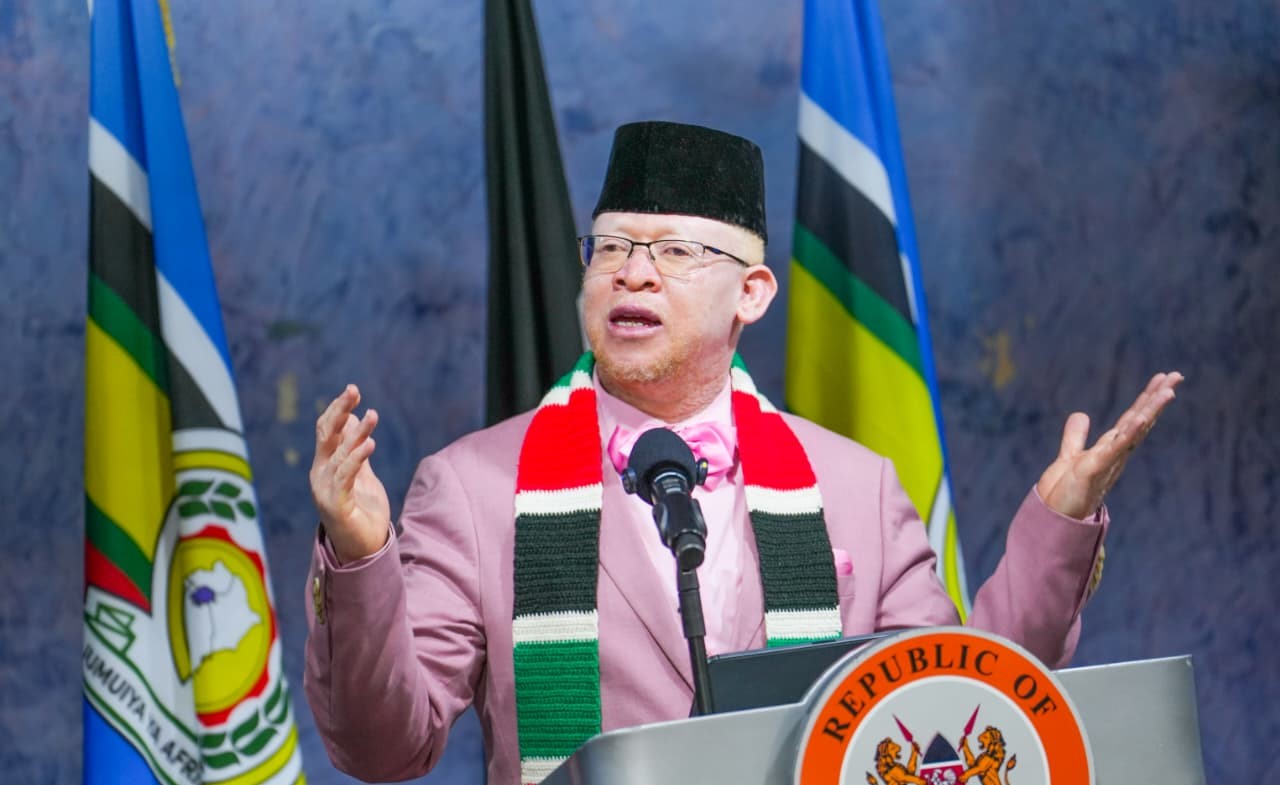









A controversial claim made by Transport Cabinet Secretary Kipchumba Murkomen has sparked debates across the nation. According to Murkomen, no Kenyan has been killed by police since President William Ruto took office. The assertion, made during a public address, has raised eyebrows among both political leaders and citizens who question its accuracy and implications. This article delves into the statement, examining the broader context and reactions from various sectors.
Murkomen’s Statement: A Bold Claim
In a recent statement, Murkomen highlighted that under the current administration, there have been no reported cases of police killings. He attributed this to the reforms in the police force and President Ruto’s leadership. While this claim was made with apparent confidence, it has been met with skepticism, especially considering the history of police brutality in Kenya.
Murkomen’s claim points to the ongoing efforts by the government to reform the security sector. However, critics have raised concerns about the validity of the statement, urging the need for concrete evidence to back up such bold assertions.
The History of Police Brutality in Kenya
Police Brutality and Its Impact
Police brutality has been a longstanding issue in Kenya, particularly during times of political unrest. The Kenyan National Commission on Human Rights (KNCHR) and various human rights organizations have documented numerous incidents of excessive force by the police. These reports often cite cases of killings, arbitrary arrests, and torture.
In the past, several high-profile incidents have drawn attention to the abuse of power by law enforcement. Notably, the post-election violence of 2007-2008 saw widespread accusations of police involvement in extrajudicial killings and violence. Despite reforms and the establishment of various oversight bodies, such cases continue to cast a shadow over the police force.
Recent Trends in Police Killings
| Year | Number of Police Killings (Estimates) | Notable Incidents |
|---|---|---|
| 2017 | 30-40 | Post-election violence, police firing at protesters |
| 2020 | 10-15 | COVID-19 lockdown enforcement, alleged extrajudicial killings |
| 2022 | 25-35 | Protests related to economic struggles, police involvement in deaths |
| 2023 (Pre-Ruto) | 20-30 | Police involvement in demonstrations, political violence |
This table highlights some of the recent years where police killings were reported, with significant fluctuations in numbers depending on the political climate and public unrest. While Murkomen claims that no Kenyan has been killed by police since Ruto took power, many believe that the situation may not be as clear-cut as he suggests.
Public Reactions to Murkomen’s Claim
Government Supporters
Supporters of President Ruto’s government have largely embraced Murkomen’s statement, seeing it as a sign of progress and success in the current administration. They argue that the reduction in police violence is a direct result of the reforms implemented by Ruto’s government, which includes better training for officers, enhanced accountability, and an emphasis on human rights.
These supporters also point to the fact that under Ruto’s leadership, the government has taken steps to engage with human rights organizations and address the issue of police brutality. They believe that this progressive approach has led to a decrease in police killings.
Critics of the Government
On the other hand, critics have expressed doubts about Murkomen’s claim. They argue that it is not only misleading but also dismissive of the many cases of police abuse that are often underreported or ignored. These critics point out that while the government has implemented reforms, the police force still faces significant challenges, including corruption, lack of adequate oversight, and insufficient training on human rights.
Human rights groups have called for more transparency in the reporting of police-related deaths and urged the government to provide concrete evidence supporting Murkomen’s claim. Without independent verification and a clear record of incidents, it remains unclear whether the statement accurately reflects the situation on the ground.
Ruto’s Government: Efforts to Reform the Police Force
Since taking office, President William Ruto has made a number of pledges aimed at reforming the security sector. These include improving police welfare, ensuring better training on human rights, and establishing more robust systems for holding officers accountable for misconduct.
Key Police Reforms under Ruto’s Government
| Reform Initiative | Description | Expected Outcome |
|---|---|---|
| Increased Police Training | Focus on human rights and use of force training | Reduce incidents of police violence and excessive force |
| Independent Oversight Mechanisms | Strengthening bodies like the Independent Policing Oversight Authority (IPOA) | Ensure police accountability and investigate complaints |
| Welfare Improvements for Officers | Better pay, housing, and health benefits | Improve morale and professionalism among police officers |
| Community Policing Initiatives | Strengthening the relationship between the police and local communities | Build trust and cooperation, reduce incidents of police brutality |
These reforms have been presented as steps toward creating a police force that is more accountable to the public. However, many argue that the effectiveness of these initiatives can only be fully evaluated over time.
Controversy and Skepticism
While there are numerous reports suggesting improvements, skepticism remains about the true extent of these changes. In 2023, for example, reports of police violence during protests in Nairobi and other parts of the country led to public outcry. Activists argue that while reforms are being touted, the police force is still plagued by deep-rooted issues.
Murkomen’s statement also raises questions about the accountability of the police in cases that may not be as high-profile but still involve unlawful deaths or excessive force. Without transparent investigations and independent verification, many remain unconvinced by the claim that no Kenyan has died at the hands of the police since Ruto’s administration began.
Moving Forward: The Path to a Reformed Police Force
The Need for Transparent Investigations
For the Kenyan public to fully trust the government’s claims regarding police reforms, it is crucial to have transparent and independent investigations into all allegations of police brutality. This includes not only high-profile cases but also everyday incidents that may not make headlines but still result in harm to citizens.
Strengthening Civil Society and Oversight Mechanisms
Civil society groups play a key role in advocating for justice and ensuring that the police are held accountable. Strengthening organizations like the IPOA, as well as supporting independent media and human rights groups, can help ensure that the government’s promises are followed through with tangible results.
Building Trust between Police and Communities
Long-term progress will depend on improving the relationship between the police and the communities they serve. Community policing, increased engagement, and better communication are essential for fostering trust and reducing instances of police violence.
Conclusion
Kipchumba Murkomen’s claim that no Kenyan has been killed by police since President William Ruto took office remains controversial and is met with mixed reactions. While the government touts progress in police reforms, many are calling for further transparency and accountability to ensure that such claims reflect the reality on the ground. The journey toward a reformed police force in Kenya is ongoing, and only time will reveal the true extent of the changes being implemented.