






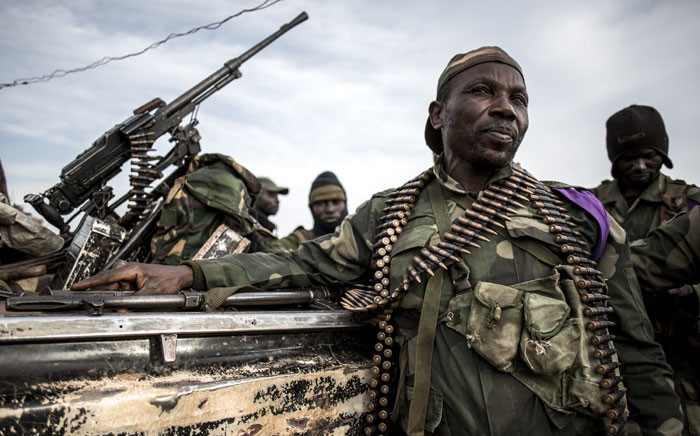
The Democratic Republic of Congo (DRC) has been facing ongoing violence and instability, particularly in its eastern regions. During the week of Christmas 2024, rebel groups launched a devastating attack that left 21 people dead. This tragic event is part of a broader and long-standing conflict involving various rebel groups, government forces, and international peacekeeping operations.
This article will delve into the recent attacks, provide context on the conflict in the region, explore the identities of the perpetrators, and discuss the impact on the local population.
Timeline of the Attack
The deadly attack occurred during the week of Christmas, a time typically marked by both religious significance and a brief respite from the violence. The rebels, believed to belong to one of the many armed groups operating in the region, targeted civilian populations in the eastern part of the DRC, primarily in North Kivu and Ituri provinces.
Details of the Attack
According to local reports, the rebels attacked multiple villages, killing men, women, and children indiscriminately. The group reportedly set fire to homes and looted valuables, leaving communities devastated. The violence came as a shock to many, as it occurred during a period when many had hoped for peace.
| Date | Event | Casualties |
|---|---|---|
| December 24, 2024 | Attack on village of Beni | 8 killed |
| December 25, 2024 | Attack on village of Ituri | 13 killed |
| December 26, 2024 | Attack on neighboring villages | 5 killed |
The perpetrators of the attack have yet to be fully identified, but early reports suggest they are part of a larger rebel coalition operating in the region. These groups have been responsible for similar attacks in recent years, targeting civilians and military personnel alike.
Rebel Groups in the Region
The eastern DRC is home to a wide variety of armed groups, each with its own motivations and goals. These groups often engage in violent clashes with the government forces or other factions. Some of the most notorious rebels in the region include:
-
The Allied Democratic Forces (ADF): Originally from Uganda, the ADF has been one of the most active and violent groups in the region. They are known for targeting civilians and military forces.
-
The M23 Movement: A primarily Tutsi-led group that has been involved in several uprisings against the Congolese government over the years.
-
The Mai Mai Militias: These are local militias, often armed by political figures, which claim to defend the local population but have been known for their brutality.
Each of these groups operates in different territories, but they share a common characteristic: their ability to cause widespread fear and instability.
Table: Major Rebel Groups in the Eastern DRC
| Rebel Group | Origin | Primary Motivation | Known Attacks |
|---|---|---|---|
| Allied Democratic Forces (ADF) | Uganda | Religious extremism and control over resources | Civilian massacres, ambushes |
| M23 Movement | DRC | Tutsi ethnic interests, political power | Clashes with government forces |
| Mai Mai Militias | DRC | Local defense, ethnic conflict | Kidnappings, massacres |
These groups often operate with impunity, making it difficult for the government or international peacekeeping forces to maintain control.
The Role of Government Forces
The Congolese military has been struggling to contain the increasing violence in the east, despite support from international peacekeepers. The United Nations Organization Stabilization Mission in the DRC (MONUSCO) has been deployed to assist in peacekeeping efforts, but their presence has not stopped the rebels from committing atrocities.
In addition, the Congolese army itself is plagued by issues of corruption, inefficiency, and low morale. Reports from local civilians indicate that the army often fails to respond to threats in a timely manner, or worse, they sometimes cooperate with rebels. This has only exacerbated the insecurity in the region.
| Organization | Role | Challenges Faced |
|---|---|---|
| Congolese Military (FARDC) | Defense against rebels | Low morale, corruption |
| United Nations (MONUSCO) | Peacekeeping and stability | Limited resources, political hurdles |
As a result, many civilians in the affected areas rely on local militias for protection, which only further fuels the cycle of violence.
Humanitarian Impact
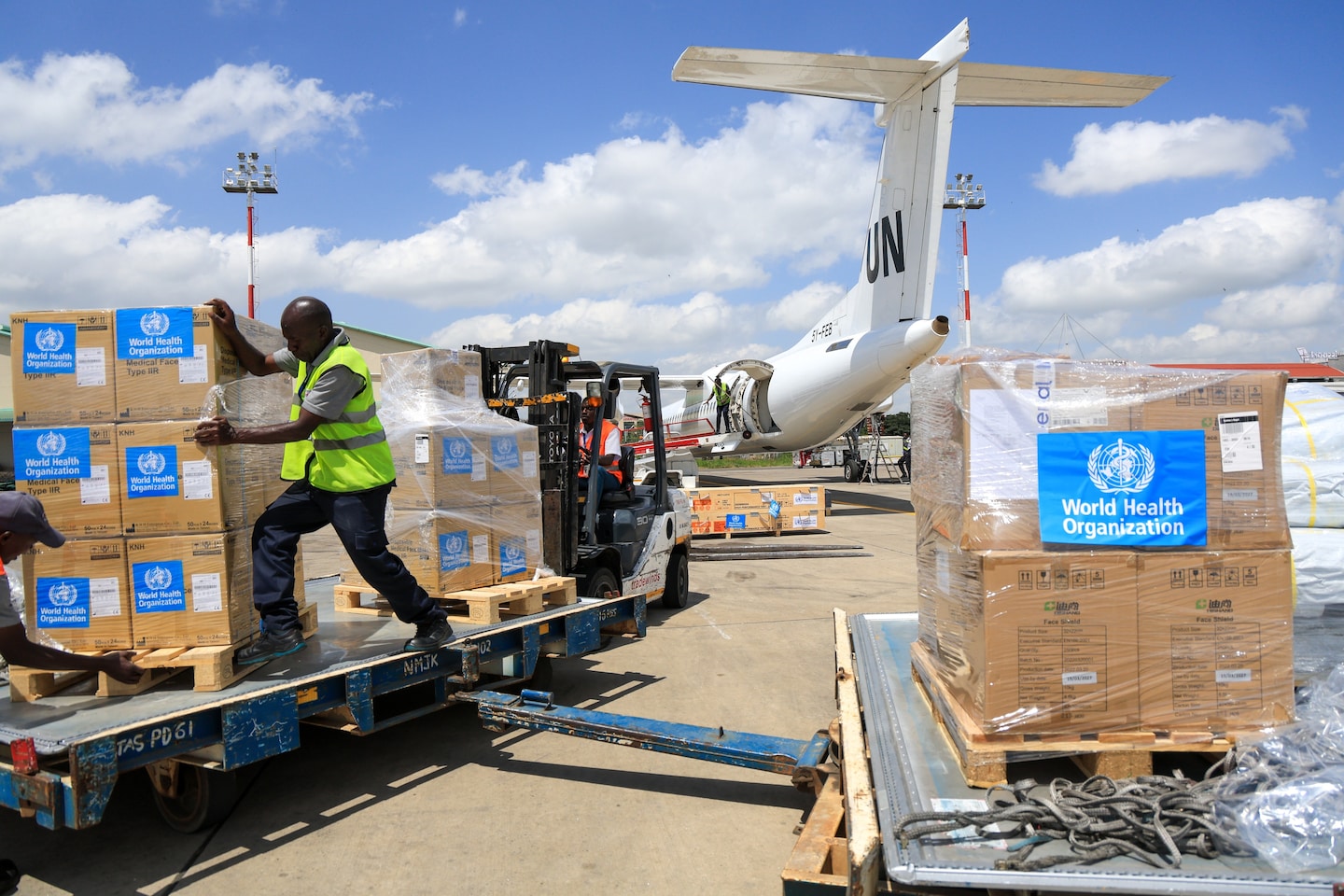
The attack during Christmas week is a stark reminder of the ongoing humanitarian crisis in the DRC. Thousands of civilians have been displaced from their homes due to the violence. Many have sought refuge in nearby cities or neighboring countries like Uganda and Rwanda.
The DRC’s healthcare system, already weakened by years of conflict, is ill-equipped to handle the influx of injured civilians. Furthermore, widespread food insecurity and a lack of access to clean water have worsened the conditions for those living in conflict zones.
Table: Humanitarian Statistics in Eastern DRC
| Statistic | Value |
|---|---|
| Number of displaced individuals | 5.6 million |
| Death toll in recent attacks | Over 150 in the past month |
| Access to healthcare | Only 45% of the population has reliable access |
These statistics highlight the scale of the crisis and underscore the need for international intervention to alleviate suffering in the region.
International Response
The international community has long been concerned about the violence in the DRC, but efforts to bring peace have been ineffective. The United Nations, alongside regional organizations like the African Union, has called for increased pressure on all parties to engage in peace talks. However, the geopolitical situation is complex, and finding a solution to the conflict has proven difficult.
One challenge is the involvement of neighboring countries, such as Uganda and Rwanda, in supporting rebel groups in the DRC. This complicates diplomatic efforts, as these countries have strategic interests in the region and may not be inclined to stop their support for armed groups.
The Path Forward
The path to peace in the DRC is uncertain, but there are steps that can be taken to reduce violence and address the root causes of the conflict.
- Diplomatic Pressure: International actors must exert more pressure on neighboring countries to cease their support for rebel groups in the DRC.
- Strengthening the Military: The Congolese government should invest in strengthening its military forces, ensuring that they are better equipped and trained to combat rebel groups effectively.
- Humanitarian Aid: Increased humanitarian aid is essential to address the needs of displaced individuals and provide essential services like food, water, and medical care.
Conclusion
The attack that killed 21 people during Christmas week is just one example of the ongoing violence in the eastern DRC. The conflict continues to affect the lives of millions of people, with no clear solution in sight. The international community, along with local governments, must take bold steps to address the root causes of the violence and bring stability to the region.
The situation is dire, but through diplomatic efforts, increased humanitarian assistance, and stronger security forces, there is hope that peace can eventually prevail in the Democratic Republic of Congo.