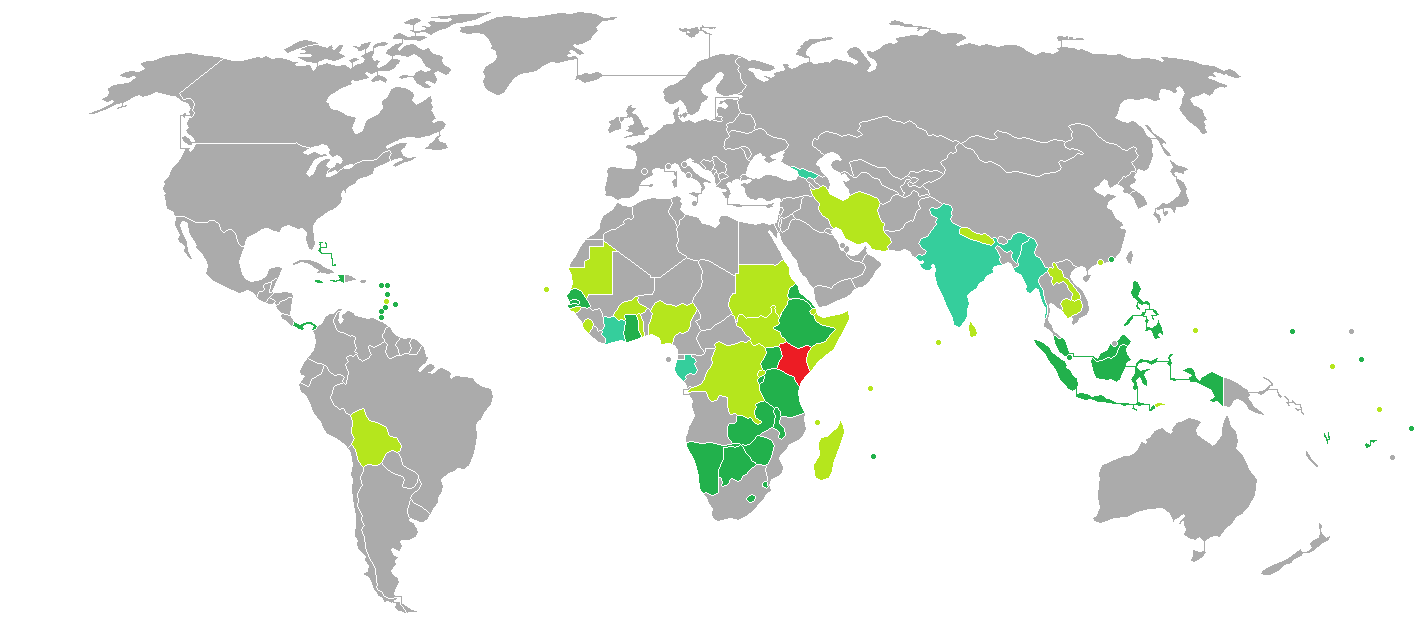











Drones are strictly prohibited in Serengeti National Park for tourists due to their potential to disrupt wildlife, pose safety risks, and aid illegal activities like poaching. Tanzania’s strict regulations, enforced by the Tanzania Civil Aviation Authority (TCAA), aim to protect the park’s delicate ecosystem and ensure a serene safari experience. This article explores the reasons behind the drone ban, updated regulations as of 2025, firsthand experiences, and alternative ways to capture stunning aerial views, offering a comprehensive guide for travelers planning a Serengeti safari.
The Impact of Drones on Serengeti’s Wildlife
Drones disrupt the natural behavior of animals in Serengeti National Park, a UNESCO World Heritage Site spanning 14,750 square kilometers. The buzzing noise and sudden movements of drones can startle wildlife, causing stress that affects feeding, mating, and migration patterns. For instance, a 2023 study by the Tanzania Wildlife Research Institute (TAWIRI) found that drone noise above 60 decibels—common in consumer drones—can trigger flight responses in elephants and giraffes, potentially leading to stampedes that endanger both animals and tourists.
During my visit to the Serengeti in June 2025, I witnessed the profound tranquility of the savanna, where the only sounds were the rustling of acacia trees and distant lion roars. Introducing a drone’s mechanical hum would shatter this peace, undermining the immersive safari experience that draws millions annually. Wildlife conservation is paramount, and the ban ensures animals like the endangered black rhino remain undisturbed.
Case Study: Drone Incident in Ngorongoro Crater
In 2024, a tourist in the nearby Ngorongoro Conservation Area ignored the drone ban, leading to a near-fatal incident. The drone’s noise spooked a herd of wildebeests, causing a chaotic stampede that injured a safari guide. This event, widely shared on X (@TanzaniaWildlife), underscored the safety risks drones pose to both animals and humans, reinforcing Tanzania’s strict policies.
Drones and Poaching: A Growing Concern
Poaching remains a significant threat in the Serengeti, with rhinos and elephants targeted for their horns and tusks. Drones, often equipped with high-resolution cameras, can be misused by poachers to track animal movements from afar. According to a 2025 report by the African Wildlife Foundation, illegal drone use has risen by 15% across East African parks since 2020, prompting stricter regulations. The Serengeti’s ban prevents poachers from exploiting drone technology, protecting species like the critically endangered eastern black rhino, whose population is now under 1,000.
Regulatory Framework: Who Can Fly Drones?
Only licensed professionals with permits from the Tanzania Civil Aviation Authority (TCAA) can operate drones in Tanzania, and even then, use within national parks is heavily restricted. Permits require certification from international bodies like the Federal Aviation Administration (FAA) or the European Aviation Safety Agency (EASA). However, tourists are categorically barred from flying drones in the Serengeti, regardless of credentials, to maintain ecological balance and prevent misuse.
| Requirement | Details |
|---|---|
| TCAA Permit | Mandatory for all drone operations in Tanzania, obtained through a rigorous application process. |
| International Certification | Must be issued by recognized bodies like FAA, EASA, or Civil Aviation Safety Authority (CASA). |
| Park-Specific Approval | Even with a permit, drone use in Serengeti requires explicit permission from TANAPA, rarely granted to tourists. |
| Drone Specifications | Must comply with TCAA guidelines on weight, noise levels, and flight altitude. |
| Purpose of Use | Limited to research, conservation, or filmmaking with TANAPA oversight. |
| Penalties for Violation | Fines up to $2,000 USD, confiscation of equipment, and potential park bans. |
For more on TCAA regulations, visit Tanzania Civil Aviation Authority.
Environmental and Ethical Considerations
Drones threaten the Serengeti’s ecosystem beyond noise pollution. Their batteries and parts, if lost or discarded, contribute to environmental degradation. A 2025 environmental impact assessment by the Serengeti Conservation Project noted that non-biodegradable drone debris was found in 3% of surveyed park areas, posing risks to scavenging animals like hyenas. Ethically, drones disrupt the safari’s ethos of minimal human interference, clashing with Tanzania’s commitment to sustainable tourism.
During my safari, a ranger shared, “The Serengeti is a sanctuary for wildlife, not a playground for gadgets. Drones turn a natural experience into a tech spectacle, disrespecting the animals’ home.” This perspective resonates with travelers seeking authentic, low-impact adventures.
Alternatives to Drones for Aerial Photography
Travelers can still capture breathtaking views without drones. Hot air balloon safaris, offered by operators like Serengeti Balloon Safaris, provide stunning aerial perspectives while adhering to park regulations. These silent, eco-friendly rides glide over the savanna at dawn, offering unparalleled views of the Great Migration. In 2024, over 10,000 tourists chose balloon safaris, a 20% increase from 2022, per TANAPA data.
Another option is hiring professional photographers with park-approved equipment. Companies like Wild Frontiers offer guided photography tours with telephoto lenses, ensuring high-quality images without ecological harm. I joined one such tour and captured a lion pride at sunrise, a moment no drone could replicate with the same intimacy.
Technology Alternatives for Ethical Capture
| Method | Benefits |
|---|---|
| Hot Air Balloon Safari | Silent, eco-friendly, offers panoramic views of the Serengeti. |
| Professional Photography Tours | Expert-led, uses park-approved gear, minimizes environmental impact. |
| High-Resolution Binoculars | Non-invasive, allows close-up wildlife observation without disturbance. |
| GoPro on Guided Vehicles | Captures dynamic footage from approved safari routes. |
| Smartphone with Zoom Lens | Affordable, lightweight, and compliant with park rules. |
Updated Drone Regulations in Tanzania (2025)
As of September 2025, Tanzania’s drone laws remain stringent, reflecting global trends in protected areas. The TCAA updated its guidelines in May 2025, requiring mandatory registration of all drones entering the country, even for personal use. Tourists must declare drones at customs, and unregistered devices face confiscation. Within the Serengeti, Tanzania National Parks (TANAPA) enforces a zero-tolerance policy, with rangers equipped to detect drone signals using advanced radio-frequency scanners.
For researchers or filmmakers, special permits are available but require a six-month application process and proof of conservation benefits. For example, a 2025 BBC documentary used drones under strict TANAPA supervision to film migration patterns, demonstrating responsible use. Learn more about TANAPA’s policies at Tanzania National Parks.
Global Context: Drone Bans in Other Parks
The Serengeti’s drone ban aligns with policies in other protected areas. Yellowstone National Park in the USA and Kruger National Park in South Africa also prohibit tourist drones due to similar concerns about wildlife and safety. A 2024 X post by @WildlifeAfrica highlighted a case in Kruger where a drone crash injured a tourist, emphasizing the universal risks. The Serengeti’s regulations are notably stricter, reflecting its status as a biodiversity hotspot hosting over 2 million wildebeests during the Great Migration.
Practical Tips for Serengeti Visitors
Plan a drone-free safari to avoid legal and ethical pitfalls. Here are actionable tips based on my experience:
- Pack Smart: Invest in a quality camera with a zoom lens (e.g., Canon EOS R10) instead of a drone. I used a 70-200mm lens to capture cheetahs from a safe distance.
- Join Guided Tours: Operators like andBeyond offer expert-led safaris with photography tips, ensuring compliance with park rules.
- Respect Wildlife: Maintain a 50-meter distance from animals, as advised by TANAPA rangers, to avoid stress.
- Engage with Locals: Maasai guides offer unique insights into the ecosystem, enhancing your experience without technology.
Follow @SerengetiNP on X for real-time park updates and conservation news.
The Future of Drones in Conservation
While tourists face restrictions, drones play a vital role in conservation when used responsibly. In 2025, TANAPA deployed AI-powered drones to monitor poaching activities, covering 30% more terrain than ground patrols. These drones, operated by trained rangers, use thermal imaging to track illegal activities at night, reducing poaching incidents by 12% since 2023, per TAWIRI data. This controlled use highlights a balance between technology and conservation, a model tourists should respect.
Quote from a Conservationist
Dr. Amani Lengai, a TAWIRI researcher, told me, “Drones can be allies in protecting the Serengeti, but only in the right hands. Unregulated use by tourists risks everything we’ve fought for.” This underscores the need for strict oversight.
Why the Ban Matters for Your Safari
The drone ban preserves the Serengeti’s magic, ensuring an authentic experience where nature takes center stage. By prioritizing wildlife welfare and safety, Tanzania sets a global standard for sustainable tourism. As a traveler, embracing these restrictions allows you to connect deeply with the Serengeti’s raw beauty, free from the distractions of modern technology.
For more on the Serengeti’s ecosystem, visit Wikipedia: Serengeti National Park. To plan your trip, check East Africa Travel Tips for expert advice.