






Kenya Under Scrutiny: The Committee on Economic, Social and Cultural Rights has concluded its review of Kenya’s sixth periodic report, sparking a mix of praise and concern. Experts have commended the East African nation for developing its social protection system, but raised eyebrows over its response to social protests and the country’s growing debt burden. The review, which took place in Geneva, Switzerland, comes at a critical time for Kenya, with the government facing mounting pressure to address the needs of its citizens.
Committee Commends Kenya’s Progress on Social Protection
The Committee on Economic, Social and Cultural Rights has commended Kenya for developing its social protection system. Kenya’s efforts to strengthen its social protection system have been recognized as a significant step towards promoting economic development and social justice. The Committee has acknowledged the government’s initiatives to enhance access to social services and support vulnerable populations.
| Aspect | Details |
|---|---|
| Event | Review of Kenya’s sixth periodic report |
| Date | 10 Feb 2026 |
| Key People/Organizations involved | Committee on Economic, Social and Cultural Rights, Kenya |
| Status/Current Situation | Review concluded |
| Official Response | Experts commend Kenya on developing its social protection system |
| Other Details | Experts asked about regressive response to social protests and high level of country debt |
The social protection system in Kenya has been designed to provide a safety net for citizens, particularly those living in poverty. The system includes programs such as cash transfers, food assistance, and healthcare services. These initiatives have been instrumental in reducing poverty and improving living standards among Kenyans.
The Committee’s commendation is a testament to Kenya’s commitment to promoting human rights and social protection. The government’s efforts to strengthen its social protection system are a crucial step towards achieving the Sustainable Development Goals (SDGs). The Committee’s recognition of Kenya’s progress in this area is a positive development for the country’s economic and social development.
Kenya’s Social Protection System: A Closer Look

The Committee on Economic, Social and Cultural Rights has commended Kenya for developing its social protection system. Kenya has made significant strides in implementing various social protection programs, including cash transfer schemes and social insurance initiatives. These efforts aim to reduce poverty and inequality, particularly among vulnerable populations such as children, women, and the elderly.
The social protection system in Kenya has been designed to provide a safety net for citizens in need. The government has allocated a substantial budget to support these programs, with a focus on reaching marginalized communities. However, experts have raised concerns about the effectiveness of these initiatives in addressing the root causes of poverty and inequality.
Kenya’s social protection system is a critical component of the country’s economic development strategy. By investing in social protection, the government aims to promote economic growth, reduce poverty, and improve overall well-being. The Committee on Economic, Social and Cultural Rights will continue to monitor Kenya’s progress in this area, providing guidance and recommendations to ensure that the country’s social protection system is aligned with international human rights standards.
Concerns Over Regressive Response to Social Protests and High Debt Burden

The Committee on Economic, Social and Cultural Rights has expressed concerns over Kenya’s response to social protests. The experts noted that the country’s actions in this regard appear to be regressive, which raises questions about the government’s commitment to upholding human rights. The Committee emphasized the importance of respecting the rights to freedom of assembly and association, as enshrined in the International Covenant on Civil and Political Rights.
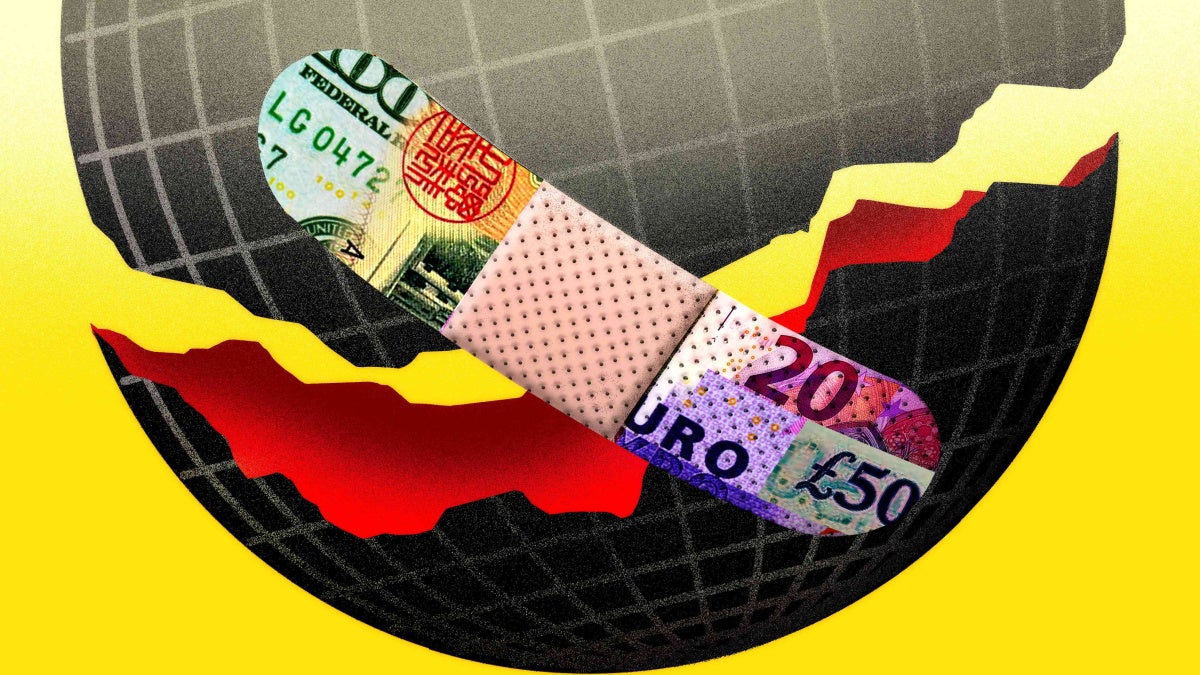
Kenya’s high level of country debt has also been a point of concern for the Committee. The experts stressed that the country’s economic development should not come at the expense of its social justice and human rights obligations. The Committee urged the government to prioritize the well-being of its citizens and to ensure that its economic policies are aligned with its human rights commitments. Kenya’s social protection system, which the Committee commended earlier, is seen as a positive step towards addressing poverty and inequality. However, the experts noted that more needs to be done to address the root causes of these issues.
Experts Weigh in on Kenya’s Future Development
Experts of the Committee on Economic, Social and Cultural Rights have commended Kenya on developing its social protection system. This progress is a significant step towards ensuring that the country’s most vulnerable populations have access to essential services and support. The Committee highlighted the importance of social protection in reducing poverty and promoting economic development. Kenya’s efforts to establish a comprehensive social protection system demonstrate its commitment to upholding the rights of its citizens.
However, the Committee also expressed concerns regarding Kenya’s response to social protests. The regressive response to peaceful assemblies has raised concerns about the government’s commitment to protecting human rights. The Committee urged the government to ensure that its actions are in line with international human rights standards and to respect the right to peaceful assembly.
Furthermore, the Committee noted that Kenya’s high level of country debt poses a significant challenge to the country’s economic development. The debt burden is a major obstacle to the government’s ability to invest in essential public services and social protection programs. The Committee emphasized the need for Kenya to address its debt burden and to prioritize the needs of its most vulnerable populations.
Reactions from Human Rights Advocates and Kenyan Civil Society
Human rights advocates have welcomed Kenya’s efforts to develop its social protection system, hailing it as a significant step towards ensuring the economic, social and cultural rights of its citizens. According to the Committee on Economic, Social and Cultural Rights, Kenya’s social protection system has made notable progress in providing essential services to vulnerable populations, including children, women, and people living with disabilities. The system has also shown a commitment to poverty reduction and social inclusion, which is a crucial aspect of promoting economic development and social justice.
However, concerns have been raised about Kenya’s response to social protests, which some experts have deemed repressive. Human rights advocates have called on the government to respect the rights to freedom of assembly and association, and to ensure that law enforcement agencies use proportionate force when dealing with protesters. The Committee has also expressed concern about the high level of country debt, which it believes may undermine Kenya’s ability to implement its social protection policies effectively.
Kenya’s high debt burden has been a major concern for economists and policymakers, with some estimates suggesting that it could reach unsustainable levels if left unchecked. The Committee has urged the government to take steps to address this issue, including by implementing fiscal reforms and increasing transparency in its debt management practices. By doing so, Kenya can ensure that its social protection system is sustainable and effective in promoting the economic, social and cultural rights of its citizens.
Conclusion and Next Steps
The Committee’s experts have acknowledged Kenya’s efforts to develop its social protection system, recognizing the country’s progress in this area. The system has been expanded to cover more vulnerable groups, including children, women, and people with disabilities. This development is seen as a crucial step towards ensuring the economic and social rights of all Kenyans.
However, the Committee has expressed concerns about the country’s response to social protests, which they describe as regressive. The use of force against protesters has been a recurring issue, with reports of excessive use of tear gas and live ammunition. The Committee has urged the Kenyan government to adopt a more constructive approach to addressing social grievances.
The Committee has also highlighted Kenya’s high level of country debt, which poses a significant challenge to the country’s economic development. The debt burden is estimated to be around 65% of the country’s GDP, making it difficult for the government to allocate resources to social programs. The Committee has called on the government to develop a comprehensive plan to address the debt crisis and ensure that the country’s economic development is aligned with its human rights obligations.