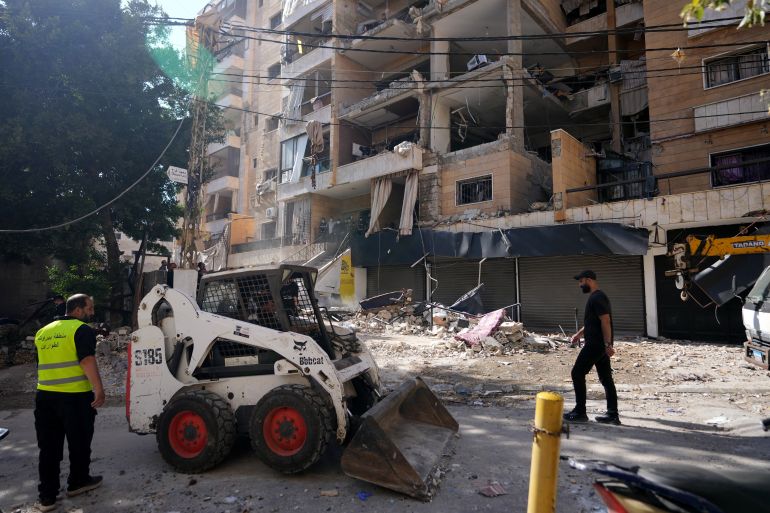









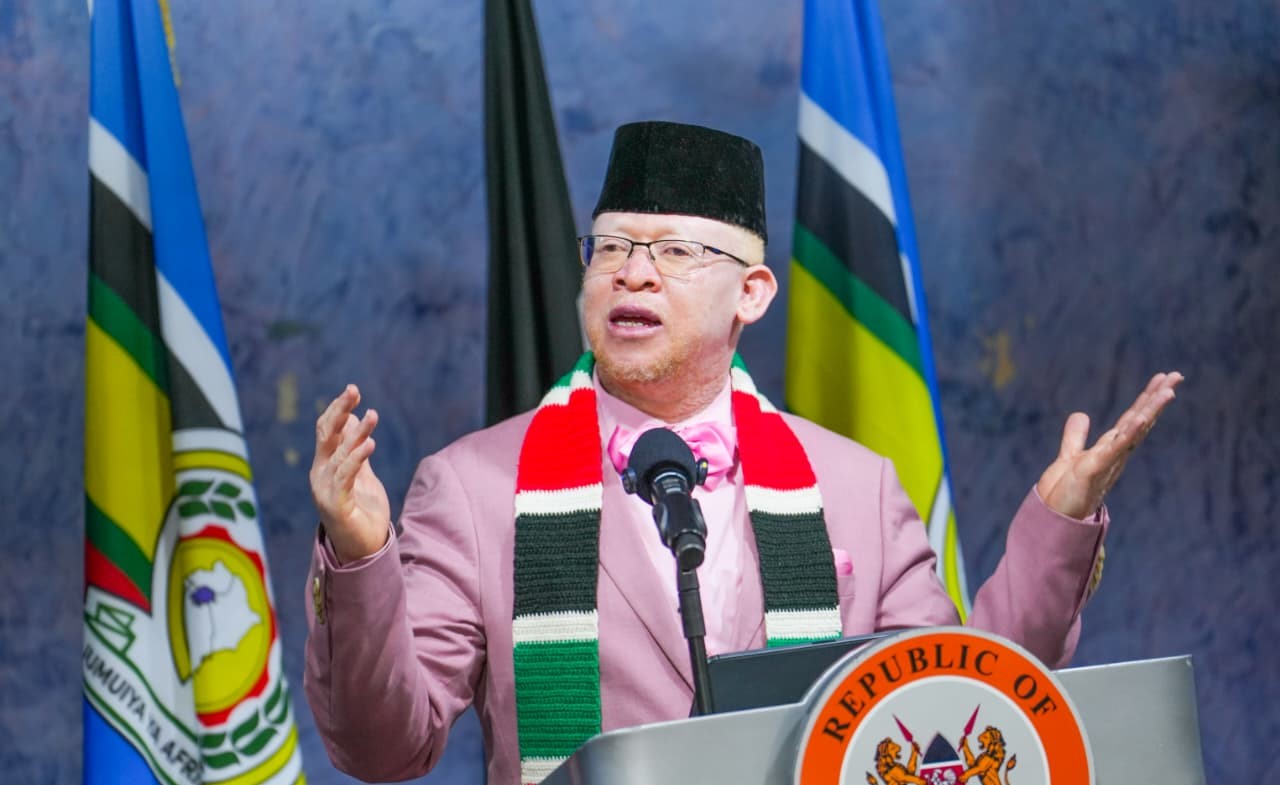
Student Unrest Grips the Nation. A growing wave of student unrest has been sweeping across the country, leaving authorities and educators scrambling to address the underlying causes of the disturbances. According to Government Spokesman Isaac Mwaura, the trend of student unrest points to deeper social challenges that require urgent attention from parents, teachers, and the community. The situation has taken a worrying turn, with incidents of arson, violence, and damage to school facilities on the rise. The government has expressed concern over the impact of the unrest on the education sector, which has seen significant gains in recent years. As the situation continues to unfold, questions are being raised about the values and support systems available to students, and what can be done to prevent further disruptions to learning.
Government Expresses Concern Over Growing Student Unrest
Government Spokesman Isaac Mwaura has expressed concern over a growing wave of student unrest across the country, saying the trend points to deeper social challenges that require urgent attention from parents, teachers, and the community. Mwaura noted that recent school strikes reflect rising cases of indiscipline, destruction of property, and disruption of learning, warning that the situation risks undermining gains made in the education sector.
| Aspect | Details |
|---|---|
| Event | Student unrest across the country |
| Date | June 8, 2026 |
| Key People/Organizations involved | Isaac Mwaura (Government Spokesman) |
| Status/Current Situation | Growing wave of student unrest |
| Impact/Casualties | Destruction of school property, disruption of learning, rising cases of indiscipline |
| Official Response | Concern expressed by Isaac Mwaura |
| Incident Type | Arson, violence, damage to school facilities |
| Reason | Deeper social challenges, societal pressures affecting families |
Incidents of arson, violence, and damage to school facilities have become increasingly worrying, raising questions about the values and support systems available to young people. Mwaura stressed that the unrest is not solely an education issue but a reflection of broader societal pressures affecting families. He emphasized that schools must remain safe environments, adding that increasing cases of indiscipline signal a need for collective responsibility in addressing the problem.
The government’s concern is centered on the impact of student unrest on the education sector, which has made significant progress in recent years. Mwaura warned that the trend of destruction of school property, disruption of learning, and rising cases of indiscipline threatens to undermine these gains. The government is now urging parents, teachers, and the wider community to take a collective responsibility in addressing the problem and providing support to young people.
Student Unrest Spreads Across the Country: Key Incidents
A growing wave of student unrest has triggered fresh concern about discipline and the welfare of learners in Kenya. Recent school strikes point to deeper social challenges that require urgent intervention from parents, teachers, and the wider community. Destruction of school property, disruption of learning, and rising cases of indiscipline are becoming a worrying trend that threatens to undermine the gains made in the education sector.
Key Incidents Highlight Concerns
Incidents of arson, violence, and destruction of school facilities have become increasingly concerning, raising questions about the values and support systems available to young people. Schools should remain safe environments, and increasing cases of indiscipline signal a need for collective responsibility in addressing the problem. Government Spokesman Isaac Mwaura has expressed concern over the growing wave of student unrest, warning that the situation risks undermining the progress made in the education sector.
Government Response and Concerns
Mwaura stressed that the unrest is not solely an education issue but a reflection of broader societal pressures affecting families. He emphasized the need for collective responsibility in addressing the problem, highlighting the importance of schools remaining safe environments for learning. The government’s concern over the growing student unrest is a clear indication of the severity of the issue and the need for a comprehensive solution to address the root causes of the problem.
Deeper Social and Family Issues: The Root Cause?

A growing wave of student unrest across the country has triggered fresh concern about discipline and the welfare of learners. Recent school strikes point to deeper social challenges that require urgent intervention from parents, teachers, and the wider community. Destruction of school property, disruption of learning, and rising cases of indiscipline are becoming a worrying trend that threatens to undermine the gains made in the education sector.
Incidents of arson, violence, and destruction of school facilities have become increasingly concerning, raising questions about the values and support systems available to young people. Schools must remain safe environments, and increasing cases of indiscipline signal a need for collective responsibility in addressing the problem. Government Spokesman Isaac Mwaura stressed that the unrest is not solely an education issue but a reflection of broader societal pressures affecting families.
A Growing Need for Collective Responsibility
Mwaura emphasized that the situation requires a collective effort to address the root causes of the unrest. Parents, teachers, and the community must work together to provide young people with the support and values they need to succeed. By doing so, they can help prevent the trend of student unrest from undermining the gains made in the education sector. The government’s focus on addressing the deeper social challenges underlying the unrest is a positive step towards creating a safer and more supportive learning environment for all students.
Education Experts Weigh In on the Crisis
Education experts are sounding the alarm on the growing wave of student unrest in Kenya, warning that the trend points to deeper social challenges that require urgent attention. Government Spokesman Isaac Mwaura has expressed concern over the rising cases of indiscipline, destruction of property, and disruption of learning, which he says threaten to undermine the gains made in the education sector. The recent school strikes have highlighted the need for collective responsibility in addressing the problem, with Mwaura stressing that schools must remain safe environments.
The increasing cases of arson, violence, and damage to school facilities have become a worrying trend, raising questions about the values and support systems available to young people. Mwaura noted that the unrest is not solely an education issue but a reflection of broader societal pressures affecting families. This suggests that the problem is more complex than just a matter of discipline or education policy, and requires a more nuanced approach that takes into account the social and family dynamics at play.
Education experts will likely be called upon to play a key role in addressing the root causes of the unrest, which may include issues such as poverty, family breakdown, and social inequality. By working together with parents, teachers, and the wider community, experts may be able to develop effective solutions to address the deeper social challenges that are driving the unrest.
Public Reacts to the Growing Student Unrest Concerns
As the government continues to grapple with the growing wave of student unrest, concerns are rising about the values and support systems available to young people. Incidents of arson, violence, and destruction of school facilities have become increasingly worrying, with many schools facing damage to their properties and disruptions to learning. Government Spokesman Isaac Mwaura has emphasized that the unrest is not solely an education issue, but rather a reflection of broader societal pressures affecting families.
Mwaura has stressed the need for collective responsibility in addressing the problem, highlighting the importance of parents, teachers, and the wider community playing a role in supporting young people. A growing wave of student unrest has triggered fresh concern about discipline and the welfare of learners, with many schools struggling to maintain a safe environment for students. The situation has raised questions about the values and support systems available to young people, with many experts warning that the unrest risks undermining gains made in the education sector.
The government has called for urgent intervention to address the deeper social challenges underlying the unrest. Recent school strikes point to rising cases of indiscipline, destruction of property, and disruption of learning, with many schools facing significant challenges in maintaining order and ensuring the safety of students. As the situation continues to unfold, experts will be closely watching the government’s response to the crisis, with many calling for a comprehensive approach that addresses the root causes of the unrest.
What’s Next: Government Plans to Address the Crisis
The government has acknowledged the growing student unrest as a pressing concern that requires immediate attention from various stakeholders. Government Spokesman Isaac Mwaura has expressed worry over the trend, citing rising cases of indiscipline, destruction of property, and disruption of learning. Mwaura emphasized that the situation poses a significant threat to the gains made in the education sector, highlighting the need for collective responsibility in addressing the issue.
To address the crisis, the government plans to engage parents, teachers, and the wider community in finding solutions to the deeper social challenges affecting families. Mwaura stressed that the unrest is not solely an education issue but a reflection of broader societal pressures. This approach acknowledges that the problem is complex and multifaceted, requiring a comprehensive response that involves various sectors of society.
The government’s strategy will focus on creating safe environments in schools, where students can learn without fear of violence or destruction. Incidents of arson, violence, and destruction of school facilities have become increasingly concerning, raising questions about the values and support systems available to young people. By addressing these underlying issues, the government aims to prevent further escalation of the unrest and ensure that students receive the education they deserve.