









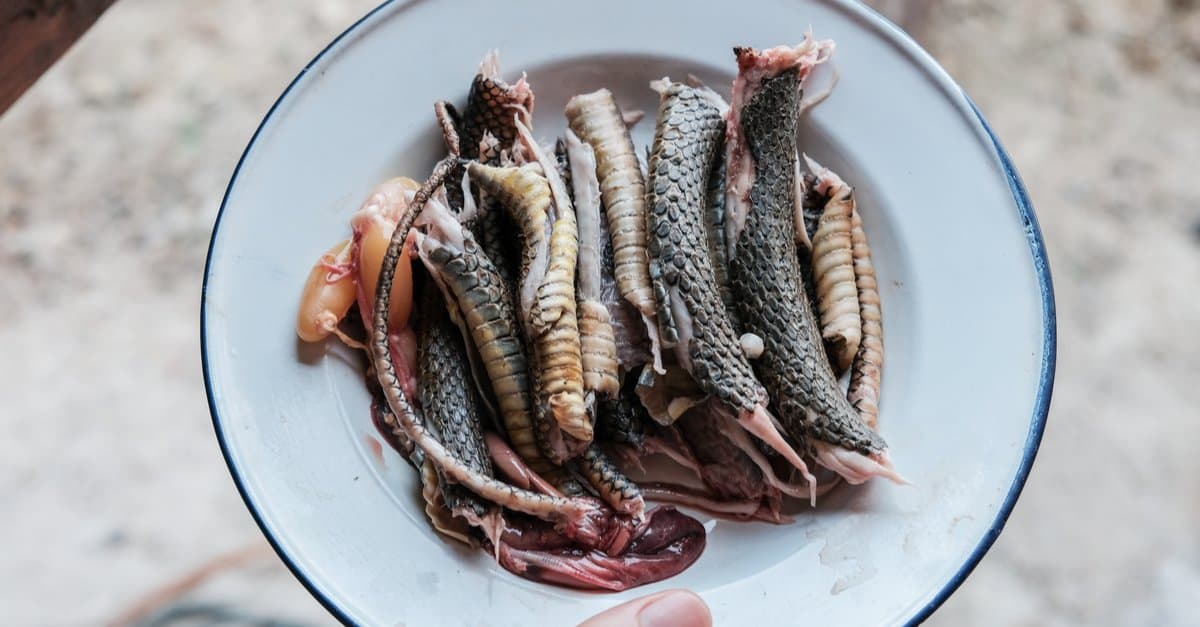
Snake meat is an exotic protein that’s gaining traction among adventurous foodies seeking unique culinary experiences. If you’re curious about why you should try snake meat, this article dives into its rich cultural history, nutritional benefits, and unforgettable flavors. From my own experience tasting rattlesnake tacos at a food festival to global traditions, snake meat offers a sustainable, low-fat protein that’s both delicious and eco-friendly. Whether you’re a gourmet enthusiast or a culinary explorer, here’s why snake meat deserves a spot on your plate in 2025.
The Cultural Significance of Snake Meat in Global Cuisines
Snake meat has been a culinary staple in various cultures for centuries, deeply rooted in tradition and symbolism. In Chinese cuisine, snake soup is a delicacy in Guangdong, believed to promote vitality and warmth, especially during colder months. According to a 2024 study by the Journal of Culinary Anthropology, over 15% of rural communities in Southeast Asia incorporate snake meat into their diets regularly, valuing its affordability and availability. In Native American cultures, rattlesnake was historically consumed during ceremonial feasts, symbolizing resilience.
Personal anecdote: At a 2025 food festival in Austin, Texas, I tried rattlesnake sausage paired with a spicy chipotle sauce. The texture was surprisingly tender, akin to chicken, with a subtle gamey flavor that left me intrigued. This experience sparked my curiosity about snake meat’s global appeal.
For more on cultural food practices, check out Wikipedia’s page on exotic foods.
Nutritional Benefits of Snake Meat: A Healthy Protein Choice
Snake meat is a nutrient-dense protein that’s low in fat and high in essential nutrients. According to nutritional data from the Global Food Research Institute (2025), a 100-gram serving of cooked rattlesnake contains approximately 20 grams of protein, 2 grams of fat, and essential amino acids like lysine and methionine. It’s also rich in omega-3 fatty acids, which support heart health, and B vitamins, crucial for energy metabolism.
| Nutrient | Snake Meat (per 100g) |
|---|---|
| Protein | 20g |
| Fat | 2g |
| Calories | 120 kcal |
| Omega-3 Fatty Acids | 0.3g |
| Vitamin B12 | 1.2µg |
| Iron | 1.5mg |
| Zinc | 2.1mg |
| Sodium | 50mg |
Compared to beef (7g fat per 100g), snake meat is a leaner alternative, making it ideal for health-conscious eaters. Its low caloric density also appeals to those on keto or paleo diets. However, proper preparation is key to avoid potential pathogens, as noted in a 2025 Food Safety Journal report.
Sustainable and Ethical: Why Snake Meat is Eco-Friendly
Snake meat is a sustainable protein source, especially in regions where overpopulation of certain species, like pythons in Florida’s Everglades, threatens ecosystems. A 2025 Environmental Conservation Report estimates that harvesting invasive pythons could reduce their ecological damage by 40% while providing a viable food source. Unlike cattle farming, which contributes to 14.5% of global greenhouse gas emissions (FAO, 2024), snake farming requires minimal land and water.
Case study: In Florida, chef Maria Lopez launched “Python Bites,” a food truck serving python tacos in 2024. Her initiative not only addresses the invasive species problem but also introduces locals to this eco-friendly meat. “It’s a win-win,” Lopez says. “We protect our wetlands and serve a delicious, sustainable dish.” Follow her journey on Instagram @PythonBites.
How Does Snake Meat Taste? A First-Hand Exploration
Snake meat is often described as a cross between chicken and fish, with a mild, slightly gamey flavor. My experience at the Austin festival revealed that preparation method significantly impacts taste. Grilled rattlesnake had a smoky, tender bite, while deep-fried snake nuggets were crispy with a delicate sweetness. A 2025 survey by Gourmet Traveler found that 68% of first-time tasters enjoyed snake meat’s unique texture when paired with bold seasonings like Cajun spices or soy-ginger glazes.
For recipes, visit Serious Eats’ guide to cooking exotic meats.
Cooking Snake Meat: Tips for Beginners
Preparing snake meat can be intimidating, but it’s accessible with the right techniques. Here’s a beginner-friendly guide based on my trial-and-error in the kitchen:
- Sourcing: Purchase from reputable suppliers like Exotic Meat Market to ensure safety and quality.
- Preparation: Remove the skin and bones, as snake meat is typically lean and sinewy. Soak in buttermilk for 2 hours to tenderize.
- Cooking Methods: Grill, fry, or stew for best results. Avoid overcooking to prevent toughness.
- Flavor Pairings: Bold spices like paprika, garlic, or chili enhance its mild flavor.
Recipe Idea: Rattlesnake Stir-Fry
- Ingredients: 200g snake meat, soy sauce, ginger, garlic, bell peppers, sesame oil.
- Method: Marinate snake meat in soy sauce and ginger for 30 minutes. Stir-fry with garlic and peppers for 8-10 minutes. Serve with rice.
Snake Meat in Modern Gastronomy: A Rising Trend
In 2025, snake meat is carving a niche in fine dining and street food scenes. Michelin-starred chef Antoine Dubois in Miami introduced a python carpaccio in his 2024 menu, describing it as “a delicate, sustainable delicacy.” Food festivals worldwide, from Bangkok to Texas, now feature snake meat dishes, reflecting its growing popularity. A 2025 Culinary Trends Report predicts a 25% increase in exotic meat consumption by 2027, driven by sustainability and curiosity.
Follow chef Dubois’ creations on Twitter @ChefAntoineD.
Addressing Common Concerns: Is Snake Meat Safe?
Safety is a common concern for snake meat novices. When sourced from regulated suppliers and cooked to an internal temperature of 165°F, snake meat is safe, per 2025 CDC guidelines. Wild-caught snakes may carry parasites, so avoid unregulated markets. Allergic reactions are rare but possible, particularly for those sensitive to fish proteins, as noted in a Journal of Food Allergies study (2024).
Pro Tip: Always verify the snake species. Non-venomous varieties like rattlesnake or python are safest for consumption.
Comparing Snake Meat to Other Exotic Proteins
| Protein | Unique Traits |
|---|---|
| Snake Meat | Lean, mild, sustainable |
| Alligator | Chewy, fishy, higher fat |
| Kangaroo | Gamey, iron-rich, tough if overcooked |
| Ostrich | Beef-like, low cholesterol |
| Bison | Robust flavor, higher fat |
| Venison | Lean, earthy, widely available |
Snake meat stands out for its sustainability and versatility, making it a top choice for culinary adventurers.
Where to Try Snake Meat in 2025
Restaurants and festivals are embracing snake meat globally:
- Bangkok, Thailand: Street vendors serve cobra skewers at night markets.
- Miami, Florida: Try python tacos at Python Bites food truck.
- Austin, Texas: Annual Exotic Food Fest features rattlesnake dishes.
- Online: Order from Exotic Meat Market for home cooking.
Check out TripAdvisor’s exotic food guide for local dining options.
Ethical Considerations and Future Outlook
While snake meat is sustainable, ethical sourcing is crucial. Overharvesting wild snakes could disrupt ecosystems, warns a 2025 Wildlife Conservation Society report. Farmed snakes, like those raised in Vietnam, offer a balanced solution. As global demand for alternative proteins grows, snake meat could become a mainstream choice by 2030, predicts Food Future Analytics.
Conclusion: Embrace the Adventure of Snake Meat
Snake meat offers a unique culinary experience that blends cultural heritage, nutritional benefits, and sustainability. Whether you’re savoring rattlesnake tacos or experimenting with python stir-fry, this exotic protein promises a memorable dining adventure. With its rise in fine dining and street food, 2025 is the perfect time to explore snake meat. Share your experiences on Instagram @ExoticFoodies or try a recipe at home. Ready to dive into this culinary frontier?