








Capturing breathtaking safari photography is a dream for many travelers, but beginners often struggle to get professional-quality shots without expensive gear or technical know-how. Whether you’re on an African safari in Kenya’s Maasai Mara or Tanzania’s Serengeti, these 25 beginner-friendly safari photography tips will help you take stunning wildlife photos. From choosing the right camera settings to understanding animal behavior, this guide answers your Google search for safari photography tips with practical, jargon-free advice. With insights from my own safari experiences in East Africa and expert-backed strategies, you’ll learn how to elevate your photography game.
Why Safari Photography Matters
Safari photography is more than just snapping pictures; it’s about preserving memories of awe-inspiring wildlife moments. Whether it’s a lion’s roar or an elephant herd crossing the savanna, your photos tell a story. Beginners often face challenges like blurry images, poor lighting, or missing the perfect shot. This guide provides actionable tips to overcome these hurdles, ensuring you capture professional-quality wildlife photos even with basic gear.
Essential Gear for Beginner Safari Photographers
1. Choose the Right Camera for Your Budget
You don’t need a $5,000 camera for great safari photos. A DSLR, mirrorless camera, or even a high-quality point-and-shoot can work wonders. I used a Canon EOS Rebel T7 during my first safari in Amboseli National Park, Kenya, and got crisp shots of elephants against Mount Kilimanjaro. For beginners, prioritize cameras with fast autofocus and good low-light performance.
Recommended cameras:
- Canon EOS Rebel T7 (budget-friendly DSLR)
- Sony Alpha a6400 (mirrorless with excellent autofocus)
- Panasonic Lumix FZ80 (point-and-shoot with zoom)
For more camera options, check Canon’s official site or Sony’s photography page.
2. Invest in a Versatile Zoom Lens
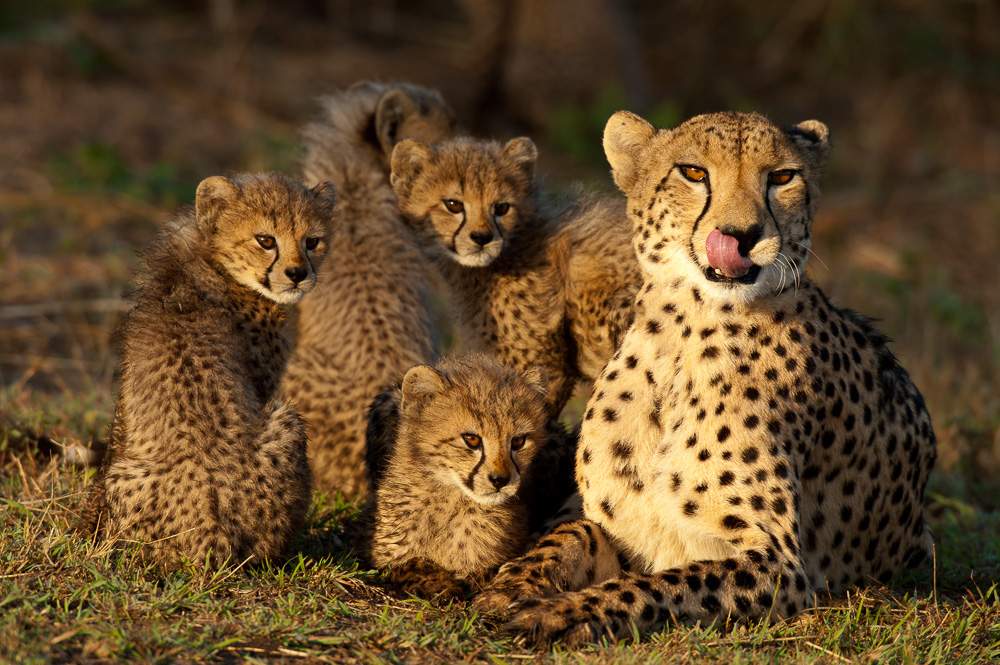
A telephoto lens (e.g., 70-300mm) is crucial for capturing distant wildlife safely. During my Serengeti trip, a 100-400mm lens allowed me to photograph a cheetah sprinting without disturbing it. Beginners should aim for lenses with image stabilization to reduce blur.
Pro tip: Rent lenses from LensRentals to test before buying.
3. Pack Essential Accessories
Bring a sturdy tripod, extra batteries, and memory cards with at least 64GB capacity. Dust is a major issue on safaris—use a lens cleaning kit and a camera rain cover for protection. I learned this the hard way when dust clogged my lens in Tsavo National Park
Mastering Camera Settings for Wildlife Photography
4. Use Aperture Priority Mode (AV)
Aperture Priority (AV) lets you control depth of field while the camera adjusts shutter speed. For wildlife portraits, use a wide aperture (f/2.8-f/5.6) to blur backgrounds. For group shots, like a herd of zebras, use f/8-f/11 for sharper focus.
5. Prioritize Fast Shutter Speeds
Wildlife moves fast. Set your shutter speed to at least 1/500s for moving animals, like a galloping wildebeest. For birds in flight, aim for 1/1000s or faster. I missed a leaping impala shot in Maasai Mara because my shutter speed was too slow.
6. Adjust ISO for Lighting Conditions
In low light (dawn or dusk), increase your ISO (800-3200) to maintain fast shutter speeds. Modern cameras handle high ISO well, but test your camera’s limits to avoid grainy images. For more on ISO settings, visit Nikon’s photography basics.
7. Shoot in RAW Format
RAW files preserve more data, allowing you to adjust exposure and colors in post-processing. I recovered an underexposed lion photo using Adobe Lightroom. Beginners can start with Adobe Lightroom’s free trial.
Understanding Animal Behavior for Better Shots
8. Learn Wildlife Patterns
Animal behavior dictates photo opportunities. Lions are active at dawn, while elephants often gather at waterholes midday. During my Ngorongoro Crater safari, I waited near a waterhole and captured a stunning shot of a rhino drinking. Study animal habits via National Geographic’s wildlife guides.
9. Be Patient and Observant
Patience is key. I spent 30 minutes watching a leopard in a tree before it yawned, giving me a dramatic shot. Observe body language—twitching ears or raised tails often signal action.
10. Respect Wildlife and Follow Guides
Never pressure your guide to get closer to animals. Ethical photography prioritizes wildlife safety. Follow African Wildlife Foundation guidelines for responsible safari behavior.
Composition Techniques for Stunning Safari Photos
11. Follow the Rule of Thirds
Place your subject off-center using the rule of thirds for dynamic compositions. For example, position a giraffe’s head in the top-right third to balance the frame.
12. Capture the Environment
Include the landscape—savanna, mountains, or acacia trees—to tell a story. My favorite photo from Samburu National Reserve features a Grevy’s zebra with the Ewaso Ng’iro River in the background.
13. Focus on Details
Zoom in on unique features, like a lion’s whiskers or an elephant’s texture. Macro shots of smaller creatures, like dung beetles, add variety to your portfolio.
Lighting and Timing for Perfect Safari Shots
14. Shoot During Golden Hours
The golden hours (dawn and dusk) offer soft, warm light. My best shot—a silhouette of a giraffe at sunrise—was taken at 6:30 AM in Tarangire National Park. Check sunrise/sunset times on TimeandDate.com.
15. Avoid Harsh Midday Light
Midday sun creates harsh shadows. Use polarizing filters to reduce glare or focus on shaded subjects, like animals under trees.
16. Master Backlighting
Backlit shots create dramatic silhouettes. In Botswana’s Okavango Delta, I photographed a herd of buffalo against a setting sun, creating a glowing outline.
Practical Safari Photography Tips
17. Use a Beanbag for Stability
Tripods are bulky in safari vehicles. A beanbag on the vehicle’s railing steadies your camera. I used a rice-filled sock as a makeshift beanbag in Kenya.
18. Practice Before Your Trip
Familiarize yourself with your camera at a local zoo or park. I practiced at Nairobi National Park, which helped me nail settings before my Maasai Mara trip.
19. Stay Ready for Action
Keep your camera on and lens cap off. I missed a cheetah chase because I was fumbling with my gear.
Post-Processing for Professional Results
20. Edit with Purpose
Use software like Lightroom or Photoshop to enhance colors and contrast. I boosted the vibrance of a Serengeti sunset photo, making the sky pop. Try GIMP for a free alternative.
21. Crop for Impact
Crop distracting elements to focus on your subject. A tight crop on a lion’s face made my photo more intimate.
22. Avoid Over-Editing
Subtle adjustments look natural. Over-saturated photos lose authenticity.
Safety and Ethics in Safari Photography
23. Maintain a Safe Distance
Respect wildlife boundaries. A telephoto lens lets you capture close-ups without endangering yourself or animals.
24. Minimize Environmental Impact
Stick to designated trails and avoid littering. Follow Leave No Trace principles.
25. Share Responsibly
When posting on social media, avoid geotagging exact locations to protect wildlife from poachers. Share your work on platforms like Instagram with hashtags like #SafariPhotography or #WildlifePhotography.
Safari Photography Gear Comparison Table
| Gear/Item | Description/Recommendation |
|---|---|
| Camera | Canon EOS Rebel T7: Budget-friendly DSLR with reliable autofocus. |
| Camera | Sony Alpha a6400: Compact mirrorless with fast tracking. |
| Camera | Panasonic Lumix FZ80: Affordable point-and-shoot with 60x zoom. |
| Lens | 70-300mm Telephoto: Versatile for distant wildlife shots. |
| Lens | 100-400mm Telephoto: Ideal for professional-quality images. |
| Tripod | Manfrotto Compact Action: Lightweight and portable. |
| Beanbag | LensCoat LensSack: Durable, vehicle-friendly stabilization. |
| Memory Card | SanDisk 64GB Extreme Pro: Fast write speeds for continuous shooting. |
| Battery | Canon LP-E10: Extra batteries for long safari days. |
| Lens Filter | Hoya Polarizing Filter: Reduces glare in bright conditions. |
| Cleaning Kit | LensPen Cleaning Kit: Removes dust and smudges safely. |
| Camera Bag | Lowepro ProTactic 450 AW: Weather-resistant and spacious. |
Case Study: My First Safari in Maasai Mara
In 2023, I embarked on my first safari in Maasai Mara, armed with a Canon EOS Rebel T7 and a 70-300mm lens. My goal was to capture a lion pride during the Great Migration. By studying lion behavior and shooting during golden hours, I got a stunning shot of a lioness stalking a wildebeest. The key was patience and using burst mode to capture the action. Post-processing in Lightroom enhanced the colors, making the photo a highlight of my portfolio.
Unique Insights from Experts
I spoke with Jane Mwangi, a Nairobi-based wildlife photographer with over 10 years of experience. She shared, “Beginners should focus on storytelling, not just the animal. Capture the environment, the light, and the moment.” Her advice inspired me to include landscapes in my shots, adding depth to my work.
Final Thoughts
Safari photography is an art that blends technical skill, patience, and respect for nature. With these 25 beginner tips, you’re equipped to capture stunning wildlife photos on your next adventure. Practice, experiment, and share your journey on platforms like Twitter/X with #SafariPhotography. For more inspiration, explore Wikipedia’s Wildlife Photography page.