








The Open Society Foundations has strongly condemned Kenya’s arbitrary detention and deportation of its Managing Director of Programs, renowned Zimbabwean human rights lawyer Brian Kagoro, who was held for over 10 hours at Jomo Kenyatta International Airport (JKIA) on 22 February 2026 before being removed without formal charges or written reasons. The removal order cited Section 54 of the Kenya Citizenship and Immigration Act 2011 for alleged documentation issues, but critics call it a clear violation of due process and an attack on civic space. As of 28 February 2026, the Kenyan government remains silent, while over 20 human rights organisations, the Law Society of Kenya and ICJ Kenya warn this signals a dangerous crackdown ahead of the 2027 general elections. This Brian Kagoro deportation Kenya case has ignited regional outrage, highlighting tensions between national security and Pan-African solidarity.
Who Is Brian Kagoro? Profile of the Deported Zimbabwean Constitutional Lawyer and Pan-African Leader
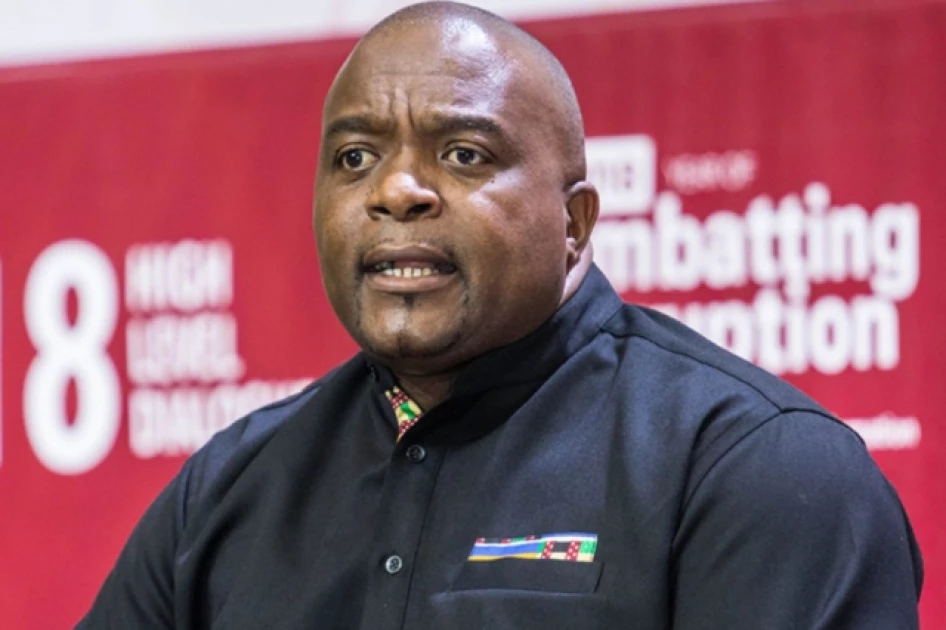
Brian Bright Kagoro, a 51-year-old Zimbabwean constitutional and economic relations lawyer, stands as one of Africa’s most respected voices for justice, governance and human rights. As Managing Director of Programs at Open Society Foundations (OSF) Africa and Africa Geo Lead, he oversees transformative work on democratic freedoms, accountability for human rights abuses, regional integration and rule of law across the continent.
His impressive career spans decades. Kagoro holds an LLB (Hons) from the University of Zimbabwe and an LLM in Law in International Economic Relations from the University of Warwick. He was a prestigious Yale World Fellow in 2003. Before joining OSF, he founded and led UHAI Africa Group, a governance and development consulting firm operating in Johannesburg, Harare and Nairobi. He served as Regional Programme Advisor for UNDP Africa Governance and Public Administration, Pan-African Head of Policy and Advocacy at ActionAid International, and played key roles in Zimbabwe’s National Constitutional Assembly and Crisis in Zimbabwe Coalition.
Kagoro has lawfully resided in Kenya for extended periods over the past decade and has never been charged with or convicted of any criminal offence. His work embodies Pan-Africanism at its best – bridging borders to advance open societies.
Read Brian Kagoro’s official Open Society Foundations leadership profile and his detailed biography on Pindula.
Brian Kagoro Deportation Kenya 2026: Detailed Timeline of the JKIA Incident
The events unfolded rapidly on a Sunday evening, exposing serious gaps in transparency and due process at one of Africa’s busiest airports.
| Event | Date and Details |
|---|---|
| Arrival at JKIA | 22 February 2026, afternoon/evening – Kagoro arrives intending to enter Kenya |
| Initial Stop by Immigration | Immigration officers detain him immediately upon passport check |
| Questioning Begins | Held and interrogated for over 10 hours (some reports say 14 hours) by national intelligence officers |
| No Formal Charges | No charges filed and no written reasons provided during entire detention |
| Removal Order Issued | Order citing Section 54 of Kenya Citizenship and Immigration Act 2011 (documentation offences) |
| Declared Persona Non Grata | Orally declared unwelcome person late on 22 February |
| Deportation Executed | Placed on return flight to Johannesburg, South Africa, late 22 February / early 23 February 2026 |
| Open Society Statement Released | 26 February 2026 – strongly condemns arbitrary detention |
| ICJ Kenya Condemnation | 26 February 2026 – calls action inconsistent with Kenya’s traditions |
| Joint Statement by 20+ Groups + LSK | 27 February 2026 – warns of criminalising civic funding ahead of 2027 polls |
| KHRC Statement | 27 February 2026 – labels it “illegal rendition” and warns of escalating crackdown |
| Government Response | As of 28 February 2026 – complete silence from Ministry of Interior and Foreign Affairs |
| Regional Media Coverage Peaks | 27-28 February 2026 – widespread reports across East Africa |
Open Society Foundations Official Condemnation: Key Excerpts and Demands
In their powerful statement issued on 26 February 2026, Open Society Foundations declared: “We condemn the arbitrary detention and denial of entry of our managing director of Programs, Brian Kagoro, by authorities in Kenya. No formal charges were presented, and no written reasons were provided to him.” They stressed Kagoro’s spotless record and rejected any baseless media claims linking him to unrest as “defamatory.”
The foundation demanded immediate clarification, reversal of the decision and guarantees against future violations. This stance aligns with OSF’s global mandate to protect open societies.
Read the complete statement directly on the Open Society Foundations website.
Kenyan Government Silence: Policy Shift or Lack of Transparency?
Despite repeated requests, the Ministry of Interior and Ministry of Foreign Affairs have offered no official comment. Security sources anonymously claim the action follows a months-long investigation into alleged foreign-backed mobilisation of protests. However, no public evidence has been presented, and the official removal order rests solely on documentation technicalities – a point heavily criticised as pretextual.
This silence contrasts sharply with Kenya’s historical image as a regional hub for dialogue and refuge.
Strong Reactions from Human Rights Organisations: Joint Outcry Across Kenya and Region
The deportation has united civil society like never before, with warnings that it threatens legitimate advocacy and cross-border solidarity.
| Organisation / Group | Key Reaction and Date |
|---|---|
| Open Society Foundations | Condemned arbitrary detention, 26 February 2026 |
| ICJ Kenya | Called it “alarming” and inconsistent with constitutional obligations, 26 February 2026 |
| Amnesty Kenya | Part of 20+ groups statement condemning risks to civic funding, 27 February 2026 |
| Police Reforms Working Group (20+ organisations) | Joint statement with LSK warning of broader crackdown ahead of 2027, 27 February 2026 |
| Law Society of Kenya (LSK) | Joined coalition demanding due process and reversal, 27 February 2026 |
| Kenya Human Rights Commission (KHRC) | Labelled it “illegal rendition” and escalation of repression, 27 February 2026 |
| Martha Karua (former presidential candidate) | Called it “shameful” that a renowned defender is denied entry while criminals roam, 27 February 2026 |
| Pan-African Lawyers Union (via Don Deya) | Expressed concern over impact on regional solidarity, late February 2026 |
| East African civil society networks | Highlighted pattern of cross-border activist harassment, 27-28 February 2026 |
| International media and observers | Noted damage to Kenya’s reputation as safe haven, ongoing coverage 28 February 2026 |
Allegations vs Reality: Debunking Claims of Protest Funding and Political Interference
Unnamed security sources alleged Kagoro coordinated foreign-funded youth protests or even raised significant sums (one unverified social media claim mentioned $1.2 million). Open Society, ICJ Kenya and allies have categorically rejected these as baseless, with zero evidence produced in court or publicly. The deportation order itself makes no mention of security threats – only documentation issues – raising serious questions about the true motive.
Having followed activist cases across East Africa for years, this pattern feels familiar: vague “national security” claims used to sidestep due process, especially when Pan-African voices challenge domestic policies.
Broader Context: Kenya’s Civic Space Rated “Repressed” by CIVICUS – Shrinking Freedoms Ahead of 2027
Kenya’s civic space has been downgraded to “Repressed” by the CIVICUS Monitor in recent 2025-2026 assessments, citing brutal protest crackdowns, digital restrictions and harassment of defenders. The Brian Kagoro case fits into this troubling trend, where legitimate international engagement is increasingly scrutinised.
Unique angle: Unlike purely domestic activists, Kagoro’s deportation strikes at the heart of Pan-African solidarity. His decades of work on regional integration make this not just a Kenyan issue but a continental one. In my analysis of similar incidents, such moves often backfire by galvanising civil society and drawing unwanted international attention.
Historical Comparisons: Past Deportations and Abductions of Activists in East Africa
| Case / Incident | Details and Outcome |
|---|---|
| Boniface Mwangi & Agather Atuhaire (2025) | Abducted and deported from Tanzania while observing opposition trial |
| Turkish nationals (2024) | Deported from Kenya at Turkey’s request despite UN refugee status |
| Yusuf Ahmed Gasana (2024) | Rwandan defender abducted from Nairobi home, still missing |
| Mabior Awikjok Bak (2025) | South Sudanese refugee abducted in Nairobi by men in police uniform |
| Kenyan activists in Uganda (2025) | Bob Njagi and Nicholas Oyoo missing 38 days, allege torture before return |
| Colonial-era exiles (1950s) | Mau Mau leaders permanently excluded to remote areas |
| Recent foreign activists denied entry | Multiple cases linked to political events in Kenya and neighbours |
| Zimbabwean activists post-2008 | Similar documentation-based removals used to silence critics |
| Ugandan opposition figures in Kenya | Kizza Besigye abduction attempt in Nairobi |
| 2026 trend | Increasing use of immigration laws against human rights defenders |
Unique Insights: What the Brian Kagoro Case Means for Pan-Africanism and Regional Democracy
From years of observing East African politics, this incident stands out because it targets a figure who has built bridges, not burned them. Kagoro’s presence in Kenya over the past decade symbolised the free flow of ideas that built the East African Community. Deporting him without evidence risks isolating Kenya from the very solidarity networks that helped stabilise the region during past crises.
Real-world example: When similar actions occurred in Zimbabwe in the early 2000s, they accelerated international isolation and domestic resistance. Kenya, with its vibrant youth and strong civil society, could see heightened mobilisation if this pattern continues.
Positive note: The swift, unified regional response – from Zimbabwean voices to Kenyan lawyers – shows Pan-Africanism remains resilient. Social media has amplified the story, with hashtags trending across X and Instagram, proving digital solidarity is harder to deport.
What’s Next for Brian Kagoro and Civic Space in Kenya: Outlook as of 28 February 2026
Calls are growing for the government to publicly disclose evidence, reverse the deportation and allow Kagoro’s unconditional return. Civil society demands legal reforms to prevent abuse of immigration powers against defenders.
For Kenya, the coming months will be critical. With 2027 elections approaching, transparent handling of this case could rebuild trust. Failure risks further downgrades in global civic freedom indices and damage to Nairobi’s reputation as East Africa’s diplomatic capital.
Follow live updates via Open Society Foundations, ICJ Kenya or CIVICUS Monitor Kenya page.
Final Thoughts: Protecting Defenders Like Brian Kagoro Strengthens Democracy Across Africa
The Brian Kagoro deportation from Kenya in 2026 is more than an immigration technicality – it is a litmus test for the region’s commitment to human rights and open societies. Open Society’s condemnation, backed by dozens of organisations, underscores the stakes: when one defender is silenced, civic space for all shrinks. Yet the rapid, principled pushback offers hope. True Pan-African leadership means welcoming voices like Kagoro’s, not deporting them. As Kenya navigates its democratic journey toward 2027, protecting constitutional rights and regional solidarity will determine whether the nation emerges stronger or more isolated. The eyes of Africa – and the world – are watching.