








Violence Erupts at Nairobi Landmark: In a disturbing display of hooliganism, a group of individuals disrupted a meeting at All Saints Cathedral in Nairobi on Sunday, leaving many to wonder if the city’s streets are becoming increasingly lawless. The attack, which took place at a gathering organized by members of civil society, has sparked outrage and calls for action from the city’s leaders. Anglican Archbishop Jackson Ole Sapit has demanded answers and the resignation of the Inspector General of Police, citing the need for a more effective response to the growing problem of hooliganism and political violence in the city. As the situation continues to unfold, many are left to question the ability of law enforcement to maintain order and protect the citizens of Nairobi.
Archbishop Sapit Condemns Hooliganism in Nairobi
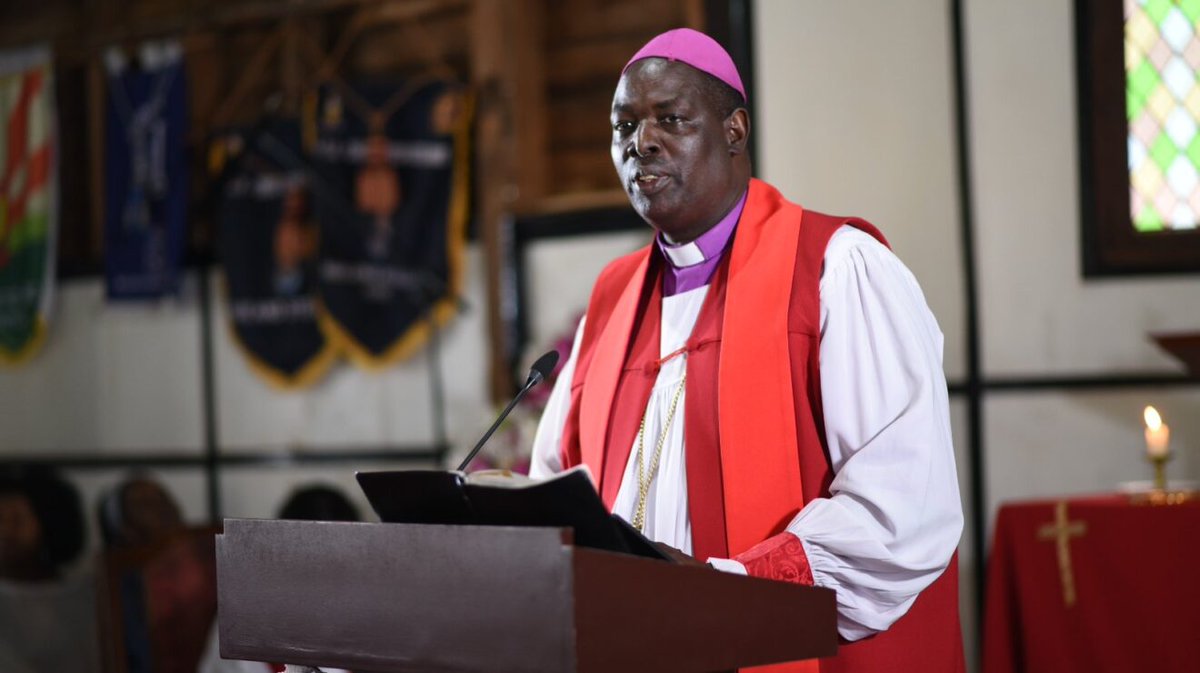
Anglican Archbishop Jackson Ole Sapit has condemned the recent surge in hooliganism and political violence in Nairobi, calling for immediate action to address the issue. In a statement, Archbishop Sapit demanded answers from the authorities over the attack at All Saints Cathedral, where goons disrupted a meeting organized by members of civil society. The Archbishop’s statement highlights the growing concern about public safety in the city, as citizens feel increasingly vulnerable to violent attacks.
Condemning Hooliganism
Archbishop Sapit’s condemnation of hooliganism is a clear indication of the need for the government to take decisive action to restore order in the city. The Archbishop’s statement emphasizes the need for the authorities to take responsibility for ensuring public safety, and to hold those responsible for the recent attacks accountable. The establishment of a new police unit, the Nairobi Metropolitan Unit, is a step in the right direction, but more needs to be done to address the root causes of hooliganism and to prevent such attacks from happening in the future.
Concerns about Public Safety
The recent attack at All Saints Cathedral has raised concerns about public safety in Nairobi, and Archbishop Sapit’s statement highlights the need for the government to take concrete steps to address these concerns. The Archbishop’s call for action is a wake-up call for the authorities to take responsibility for ensuring that citizens can go about their daily lives without fear of violence or intimidation. As the city continues to grapple with the issue of hooliganism, Archbishop Sapit’s statement serves as a reminder of the need for decisive action to restore public safety and confidence in the authorities.
The All Saints Cathedral Attack: What We Know So Far

On Sunday, a chaotic scene unfolded at the All Saints Cathedral in Nairobi, where a meeting organized by members of civil society was disrupted by goons. The incident has left many shaken, with reports of injuries and fatalities. The exact number of casualties remains unclear, but the attack has sparked widespread concern about the resurgence of hooliganism and political violence in the city.
Eyewitnesses described the scene as chaotic and violent, with goons clashing with security personnel. The incident has raised questions about the effectiveness of security measures in place to protect public gatherings and events. The All Saints Cathedral, a prominent landmark in Nairobi, has been the site of numerous high-profile events and meetings, making the attack all the more concerning.
The incident has also highlighted the need for greater security measures to be put in place to protect public gatherings and events in Nairobi. As the city continues to grapple with the rise of hooliganism and political violence, it remains to be seen how authorities will respond to this latest incident and work to prevent similar attacks in the future.
Police Under Fire Over Resurgence of Hooliganism in Nairobi

The National Police Service is facing criticism over its handling of the resurgence of hooliganism in Nairobi. The recent attack at All Saints Cathedral, where goons disrupted a meeting organized by members of civil society, has raised concerns about the police’s ability to maintain public safety. The incident has sparked allegations of inadequate response from the police, with many questioning their effectiveness in addressing the growing problem of hooliganism.
The police’s reputation has taken a hit, with public trust in their ability to maintain law and order dwindling. Interior Cabinet Secretary Kipchumba Murkomen’s announcement of a new police unit, the Nairobi Metropolitan Unit, aimed at curbing goonism, has been seen as a step in the right direction. However, the question remains whether this new unit will be enough to address the deep-seated issues within the police force. The National Police Service needs to take a hard look at its strategies and tactics to regain the trust of the public and effectively combat the rise of hooliganism in Nairobi.
Community Impact: How the Attack Has Affected Nairobi Residents
The attack on All Saints Cathedral has sent shockwaves through Nairobi, leaving residents on edge and concerned about their safety and security. Many have taken to social media to express their outrage and disappointment at the resurgence of hooliganism in the city. “I’m scared to go out at night now,” said one resident, who wished to remain anonymous. “The police seem to be unable to control the situation, and it’s getting worse by the day.”
The impact of the attack has been felt across the city, with many residents reporting a decrease in their quality of life. Businesses have been affected, with some owners reporting a significant drop in sales. “We used to have a lot of customers coming in during the day, but since the attack, it’s been quiet,” said a shop owner in the area. “People are just too scared to come out.” The attack has also raised concerns about the effectiveness of the police in maintaining law and order in the city.
As the situation continues to unfold, residents are calling for action to be taken to address the issue of hooliganism in Nairobi. Many are demanding that the government takes concrete steps to improve security and restore public trust in the police. “We need to see real action being taken to address this issue,” said another resident. “We can’t just sit back and watch as our city descends into chaos.”
Call for Action: What Archbishop Sapit Wants to See Next
Archbishop Ole Sapit has called for decisive action to address the resurgence of hooliganism in Nairobi, following the attack at All Saints Cathedral. The Anglican leader has demanded answers from the government and the resignation of the Inspector General of Police, citing the need for a more effective response to the growing problem of goonism. He has also emphasized the importance of holding those responsible accountable for their actions.
In his statement, Archbishop Sapit highlighted the need for a comprehensive approach to addressing hooliganism, including the establishment of a new police unit, the Nairobi Metropolitan Unit, which is aimed at curbing goonism. He has called for increased collaboration between law enforcement agencies and civil society organizations to prevent such incidents in the future. The Archbishop’s demands come as the government struggles to contain the rising tide of violence and hooliganism in Nairobi, with many residents expressing concerns about their safety and security.
Archbishop Sapit’s call for action has sparked a renewed debate about the government’s response to the crisis, with many Kenyans demanding more effective measures to address the root causes of hooliganism. The Archbishop has emphasized the need for a long-term solution that involves addressing the underlying social and economic issues that contribute to the problem. As the situation continues to unfold, it remains to be seen whether the government will take the necessary steps to address the concerns of Archbishop Sapit and the people of Nairobi.
Nairobi’s Safety Crisis: A Growing Concern for Residents and Authorities
The recent attack on All Saints Cathedral has highlighted the escalating safety crisis in Nairobi, with residents and authorities alike expressing growing concerns about the rise of hooliganism in the city. The incident has sparked a heated debate about the effectiveness of the National Police Service in maintaining public safety, with many questioning the adequacy of their response to the growing threat of goonism. As the city struggles to come to terms with the increasing levels of violence, residents are left wondering if the authorities are doing enough to protect them.
The establishment of a new police unit, the Nairobi Metropolitan Unit, has been touted as a solution to curb the rise of hooliganism, but many are skeptical about its effectiveness. The unit’s primary objective is to improve public safety and reduce crime, but critics argue that it may not be enough to address the root causes of the problem. The city’s residents are demanding more robust measures to tackle the issue, including increased police presence and more effective community engagement. As the situation continues to deteriorate, it remains to be seen whether the authorities will take decisive action to address the growing concerns of the public.
The long-term consequences of the safety crisis in Nairobi are far-reaching, with potential impacts on the city’s economy, tourism, and overall quality of life. If left unchecked, the rise of hooliganism could have devastating consequences for the city’s residents and businesses, making it essential for the authorities to take swift and decisive action to address the issue. As the city teeters on the brink of chaos, residents are holding their breath, hoping that the authorities will rise to the challenge and restore a sense of safety and security to their community.