










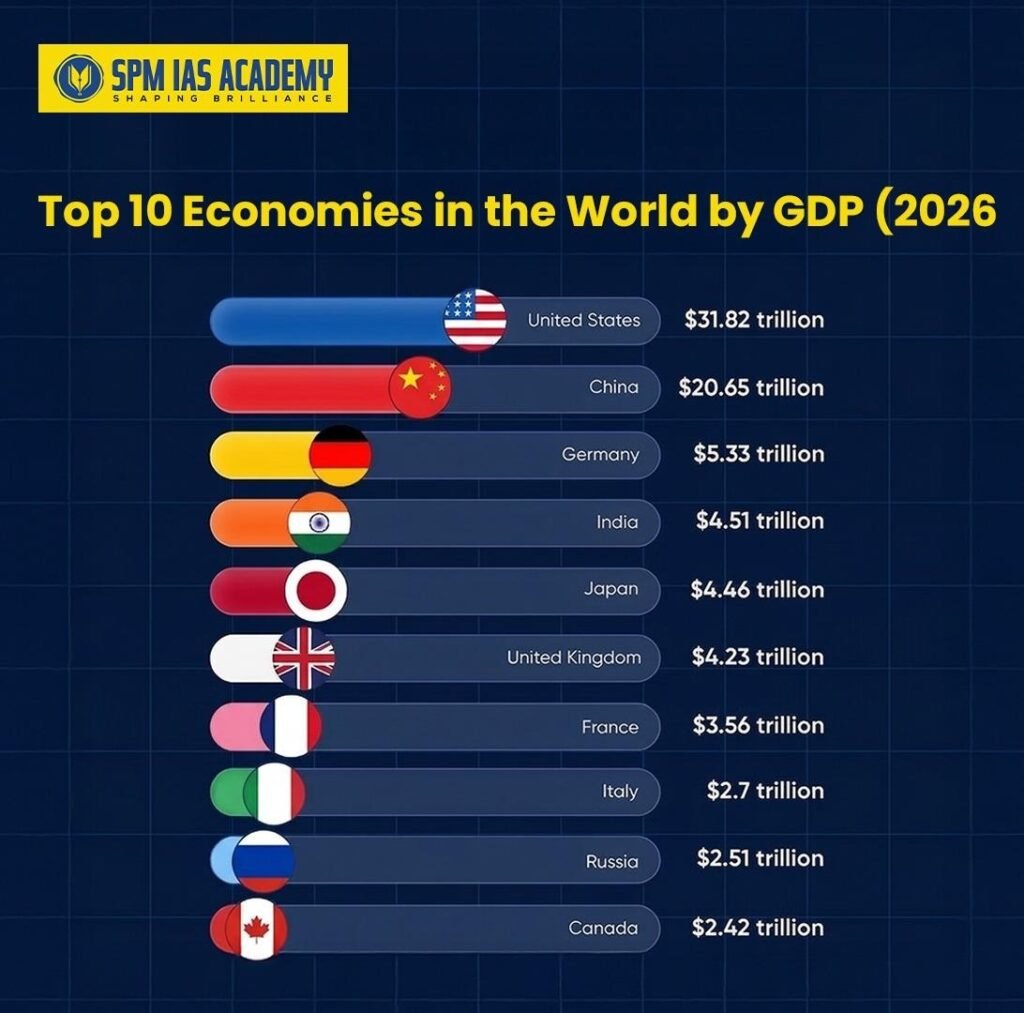
2026 Best Countries Rankings Revealed: A Shift Beyond GDP. The latest rankings from U.S. News have been released, revealing a surprise leader and laggard in the modern statehood stakes. Switzerland takes the top spot, while the United States falls to No. 18. The revamped methodology examines 100 indicators of national performance, marking a significant departure from the traditional focus on GDP. This shift reflects a growing recognition that economic output alone is no longer sufficient to measure a country’s success. The rankings were released on May 13, 2026, sparking intense debate and analysis among policymakers and experts worldwide.
Switzerland Takes Top Spot in 2026 Best Countries Rankings
For much of modern world history, economic output has been the dominant shorthand for progress, power, and prosperity. However, this simplistic approach to national advancement overlooks the inherent trade-offs of modern governance. National prosperity is not inherently zero-sum, but performance in one dimension often comes at the expense of another. The real question is whether gross domestic product and other inputs translate to a healthy society.
| Aspect | Details |
|---|---|
| News Title | Beyond GDP: Inside the 2026 Best Countries Rankings |
| Date | 3 weeks ago |
| Date (Specific) | May 13, 2026 |
| Location | Zurich, Switzerland |
| Countries Ranked | Switzerland, United States |
| Ranking | Switzerland (No. 1), United States (No. 18) |
| Organization Involved | U.S. News & World Report |
| Methodology | 100 indicators of national performance |
| Publication | U.S. News & World Report’s 2026 Best Countries Rankings |
To answer this question, the 2026 Best Countries Rankings examine 100 indicators of national performance, looking past raw outputs to the nuanced dependencies between different dimensions of national well-being. This approach recognizes that countries can become richer without becoming broadly healthier, safer, freer, or more cohesive. By modeling these dependencies, the rankings provide a more comprehensive understanding of national performance.
The rankings highlight the importance of achieving balance across multiple categories of national well-being. Switzerland’s top spot in the 2026 Best Countries Rankings is a testament to its ability to strike this balance, demonstrating that a country can excel in various dimensions of national performance without sacrificing others.
Why the U.S. Ranks 18th in the 2026 Best Countries Rankings

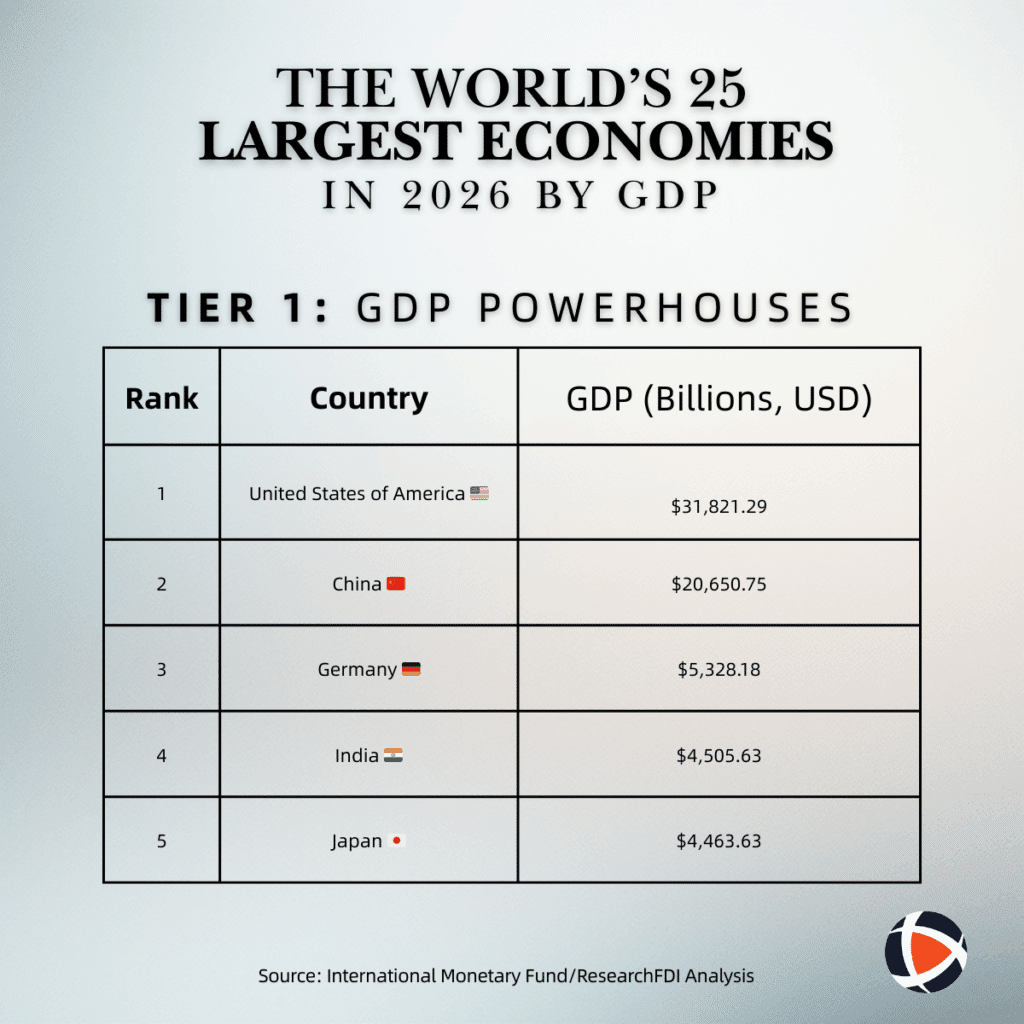
The United States ranks 18th in the 2026 Best Countries Rankings, a position that highlights the complexities of modern statehood. National prosperity is not inherently zero-sum, but performance in one dimension often comes at the expense of another. The central problem of national performance is not achieving excellence in one domain – it is achieving balance across multiple categories of national well-being.
According to the U.S. News & World Report’s 2026 Best Countries Rankings methodology, a country’s ranking is based on 100 indicators of national performance. However, the real question is whether gross domestic product and other inputs translate to a healthy society. The rankings demonstrate that a country can become richer without becoming broadly healthier, safer, freer, or more cohesive. This is evident in the way countries have pursued rapid growth as the clearest route to national advancement, often at the expense of other important factors.
The U.S. ranking serves as a reminder that there is no single formula for success. Different countries have mastered the trade-offs of modern statehood in unique ways, and the 2026 Best Countries Rankings provide a nuanced look at what it means to be a successful nation. By examining the dependencies between different dimensions of national performance, the rankings offer a more comprehensive understanding of what it takes to thrive in the modern world.
Mastering the Trade-Offs of Modern Statehood
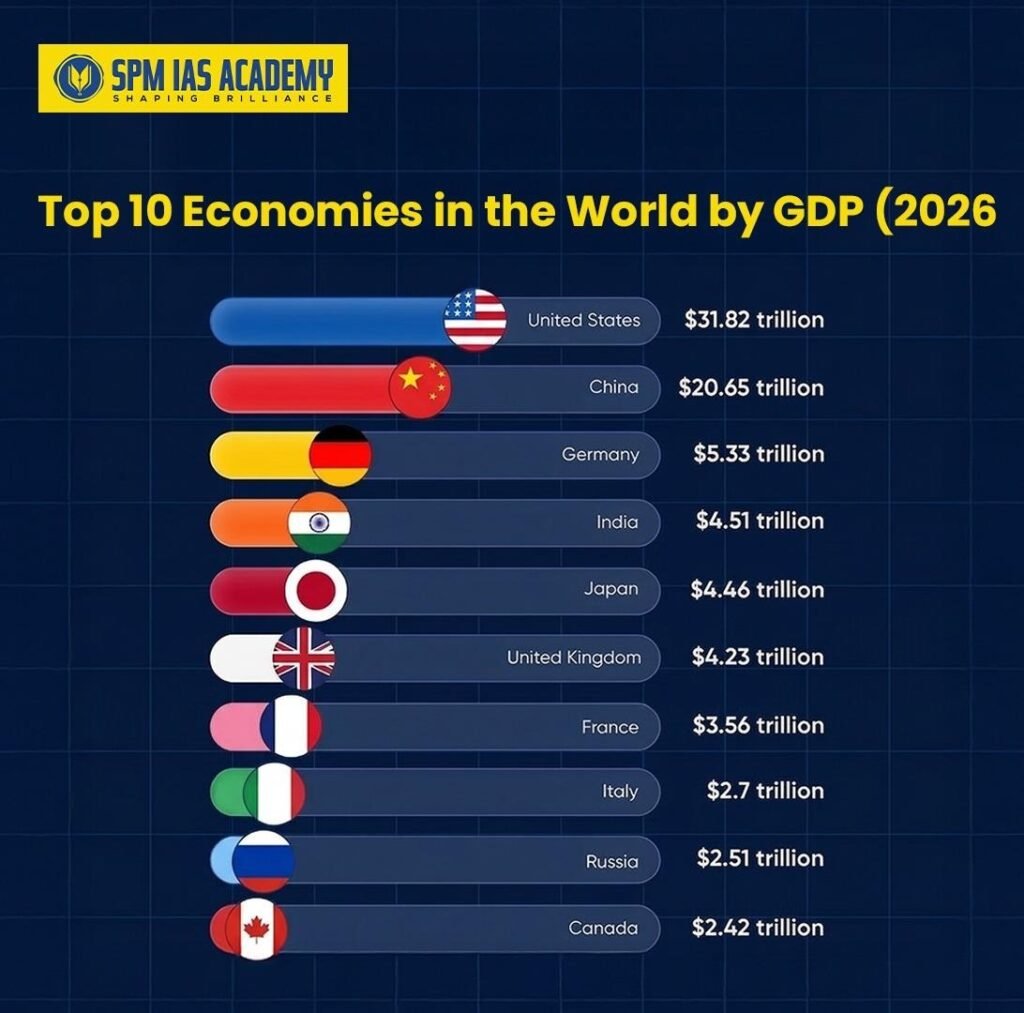
Achieving balance across multiple categories of national well-being is the central problem of national performance. The real question is whether gross domestic product and other inputs translate to a healthy society. To model those dependencies, U.S. News & World Report’s 2026 Best Countries Rankings examine 100 indicators of national performance. This nuanced approach recognizes that national prosperity is not inherently zero-sum, but performance in one dimension often comes at the expense of another.
Resource-rich countries can generate extraordinary wealth while concentrating political power and financial spoils. Similarly, fast-growing industrial economies can reduce poverty while increasing emissions and public-health risks. The inherent trade-offs of modern governance are complex and multifaceted. National leaders must navigate these competing priorities to achieve balance across multiple categories of national well-being. By doing so, they can create a healthy society that benefits all citizens.
The 2026 Best Countries Rankings provide a comprehensive framework for understanding these trade-offs. By examining 100 indicators of national performance, the rankings offer a detailed picture of national well-being. This approach recognizes that national prosperity is not solely measured by economic output, but by a range of factors that contribute to a healthy and thriving society. The rankings serve as a valuable tool for policymakers and leaders seeking to create a more balanced and equitable society.
What Can the U.S. Learn from the 2026 Best Countries Rankings?
The 2026 Best Countries Rankings offer a nuanced perspective on national performance, one that goes beyond raw economic output. According to the rankings, the U.S. comes in at 18th place, highlighting the need for a more balanced approach to governance. National prosperity is not inherently zero-sum, but performance in one dimension often comes at the expense of another. This trade-off is a central problem of national performance, as countries strive to achieve excellence in multiple categories of national well-being.
To achieve balance, countries must carefully weigh the benefits and drawbacks of different policy choices. For example, resource-rich countries can generate extraordinary wealth, but this wealth can also be concentrated in the hands of a few, leading to unequal distribution of power and financial spoils. Similarly, fast-growing industrial economies can reduce poverty, but this growth can also come at the expense of public health and environmental sustainability. The U.S. can learn from these examples by adopting a more holistic approach to governance, one that prioritizes balance and trade-offs in decision-making.
By examining the 2026 Best Countries Rankings, the U.S. can gain insights into the inherent trade-offs of modern statehood and identify areas for improvement. The real question is whether gross domestic product and other inputs translate to a healthy society, and the rankings provide a framework for evaluating this question. By looking beyond raw outputs and examining the dependencies between different dimensions of national performance, the U.S. can work towards achieving a more balanced and sustainable approach to governance.
Global Implications of the 2026 Best Countries Rankings
The 2026 Best Countries Rankings reveal a nuanced understanding of national performance, one that goes beyond raw economic outputs like GDP. According to the rankings, gross domestic product has long been the dominant shorthand for progress, power, and prosperity, but it does not necessarily translate to a healthy society. This is because national prosperity is not inherently zero-sum, but performance in one dimension often comes at the expense of another.
The trade-offs of modern governance are complex and multifaceted. Resource-rich countries can generate extraordinary wealth while concentrating political power and financial spoils, while fast-growing industrial economies can reduce poverty but increase emissions and public-health risks. To model these dependencies, the 2026 Best Countries Rankings examine 100 indicators of national performance, including dimensions of national well-being such as health, safety, freedom, and cohesion. This approach allows for a more comprehensive understanding of what it means for a country to be successful and prosperous.
The rankings highlight the importance of achieving balance across multiple categories of national well-being. By looking past raw outputs and examining the inherent trade-offs of modern governance, countries can gain a deeper understanding of what drives national performance and prosperity. This, in turn, can inform policy decisions and help countries navigate the complex challenges of modern statehood.
Expert Reaction to the 2026 Best Countries Rankings
The 2026 Best Countries Rankings have sparked a renewed focus on the complexities of modern statehood. According to experts, achieving balance across multiple categories of national well-being is the central problem of national performance. This requires looking beyond raw outputs to the inherent trade-offs of governance. National prosperity is not inherently zero-sum, but performance in one dimension often comes at the expense of another.
The rankings highlight the importance of mastering these trade-offs. Countries that excel in one area may struggle in another. For instance, resource-rich countries can generate extraordinary wealth while concentrating political power and financial spoils. Similarly, rapidly growing industrial economies can reduce poverty while increasing emissions and public-health risks. This nuanced understanding of national performance is crucial for policymakers seeking to create a healthier, safer, and more cohesive society.
The 2026 Best Countries Rankings offer a unique opportunity for countries to learn from one another. By examining the dependencies between different categories of national well-being, policymakers can develop more effective strategies for achieving balance and promoting overall national prosperity. This requires a comprehensive approach that takes into account the inherent trade-offs of modern governance.